
The Architecture of the Interior: Iasmin Omar Ata on a Decade of Graphic Medicine, Diaspora, and the "Catastrophe of the Self"
By Staff Reporter
Published: April 29, 2026
In the ten years since the publication of the seminal graphic novel Mis(h)adra, the landscape of sequential art has undergone a seismic shift. Once a niche category, "Graphic Medicine"—the intersection of the medium of comics and the discourse of healthcare—has evolved into a global movement. At the center of this evolution stands Iasmin Omar Ata, a Palestinian-American multi-hyphenate whose work has consistently challenged the boundaries of how we visualize internal trauma, chronic illness, and the nuances of the Muslim experience.
As of April 2026, Ata is celebrating a decade in the industry, a milestone marked by the release of their third major graphic novel, Wallflower. In a comprehensive retrospective and look-forward, Ata discusses the evolution of their craft, the dangers of algorithmic culture, and the persistent search for healing in a world increasingly defined by "catastrophe."

Main Facts: A Decade of Visual Advocacy
Iasmin Omar Ata’s career is defined by a refusal to be siloed into a single medium or a singular narrative. Since their debut, they have moved fluidly between the worlds of independent webcomics, traditional publishing with giants like Penguin Random House, indie game development, and commercial work for the Sonic the Hedgehog franchise.
The core of Ata’s work lies in its accessibility and its radical honesty regarding neurodivergence and physical disability. Their bibliography—comprising Mis(h)adra (2017), Nayra and the Djinn (2023), and the newly released Wallflower (2026)—serves as a visual map of the "catastrophe of the self." This concept, central to Ata’s philosophy, explores how individuals reconstruct their identities after life-altering events, whether those events are medical, familial, or geopolitical.
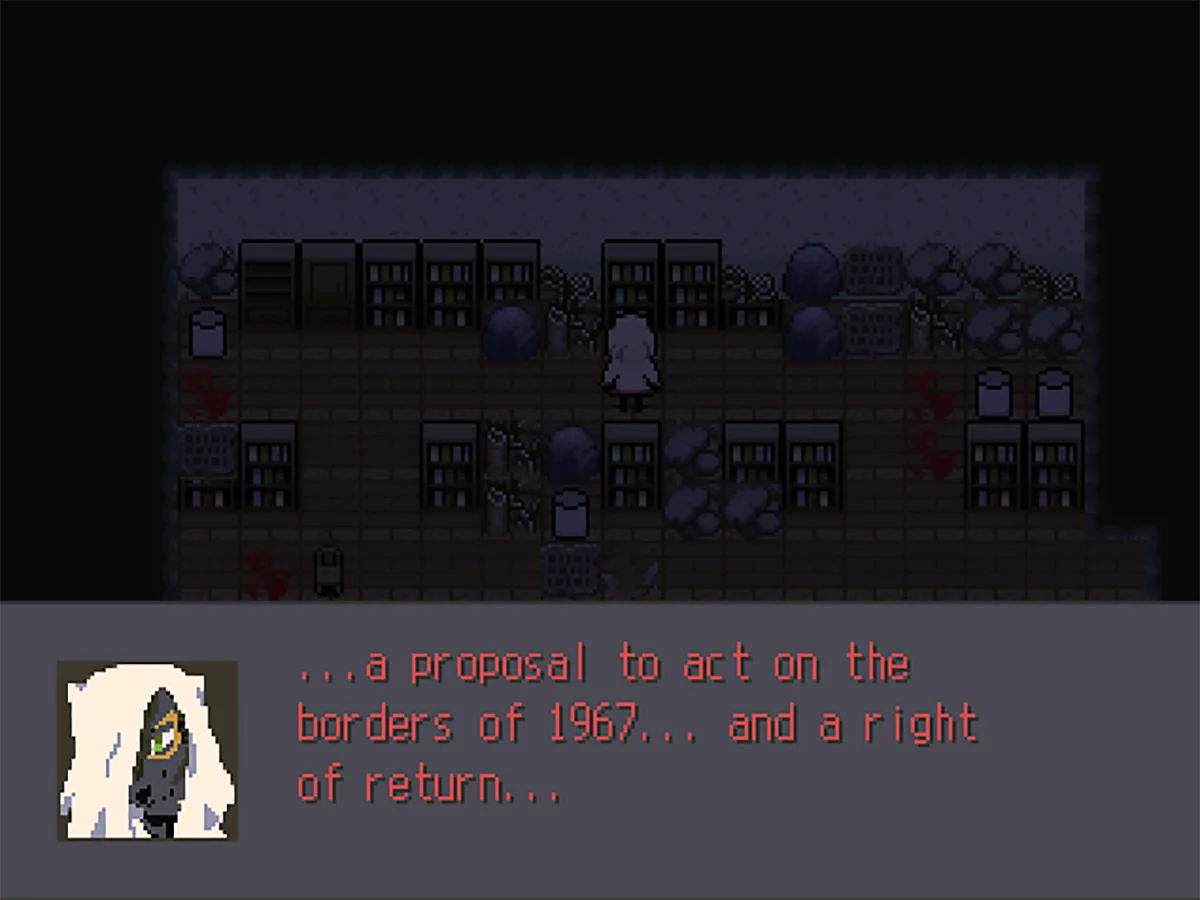
Beyond the page, Ata has become a vocal advocate for the Palestinian diaspora, using both comics and interactive media to combat anti-Palestinian propaganda. Their work in sound design and game development, specifically the title Being, further extends their exploration of displacement, projecting Palestinian identity into a speculative, sci-fi future.
Chronology: From Kitchen Tables to International Acclaim
2013–2017: The Genesis of Mis(h)adra
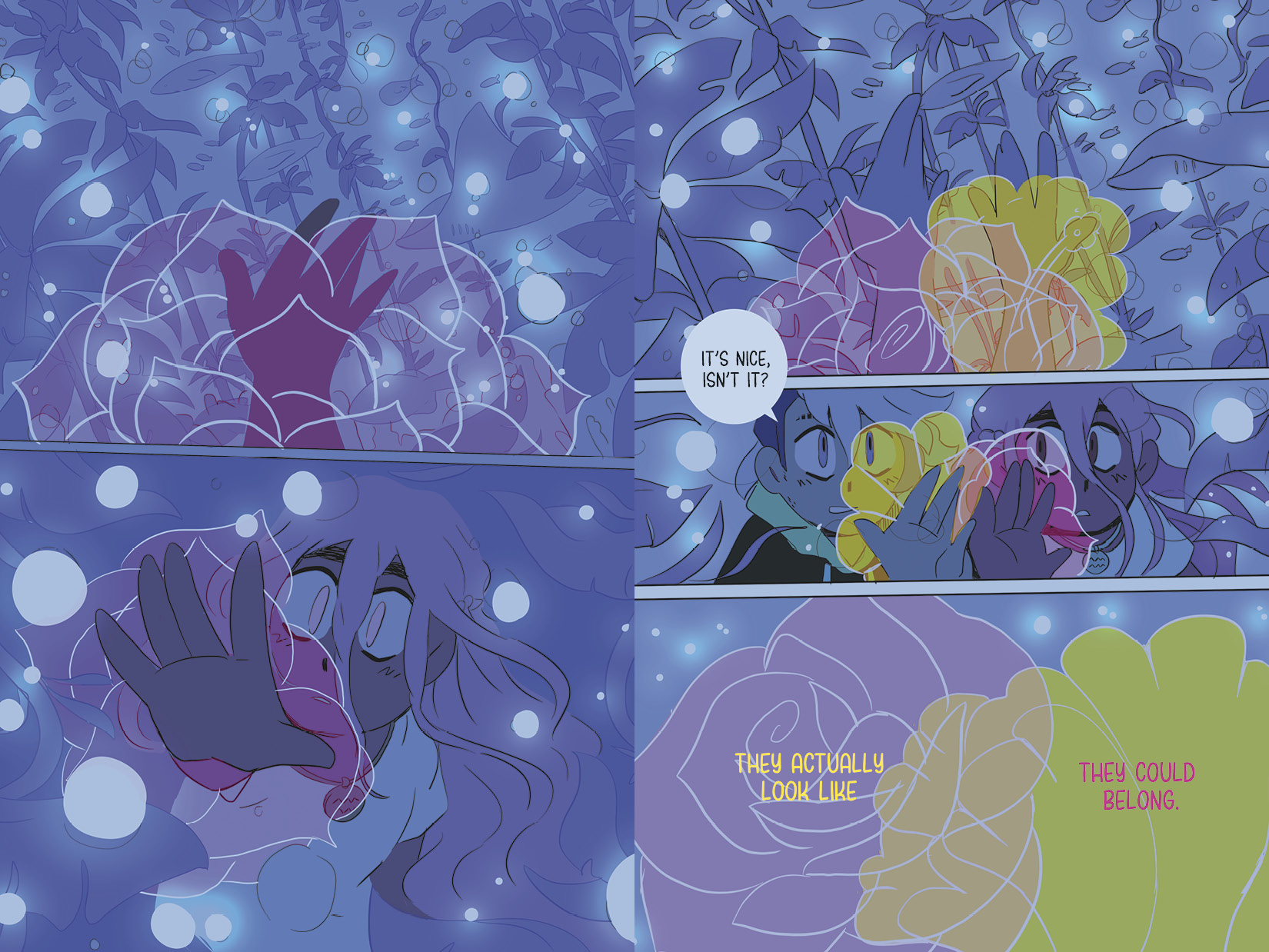
The journey began in a tiny Brooklyn apartment, where Ata, then a college student, was struggling to survive an academic environment that offered little support for students with chronic illnesses. Mis(h)adra (an Arabic-derived play on words meaning "unprotected") started as a senior thesis project. At the time, Ata was suffering from frequent seizures due to epilepsy and was on the verge of failing out of school.
"I had a very understanding professor who allowed me to make the first twenty to forty pages," Ata recalls. What began as a desperate attempt to explain their internal reality to a world that couldn’t see it eventually became a celebrated webcomic, and later, a graphic novel published by Gallery 13. It remains a cornerstone of the Graphic Medicine movement, praised for its visceral depiction of the "lightning" of seizures and the isolation of the patient experience.
2018–2023: Expanding the Mythos with Nayra and the Djinn
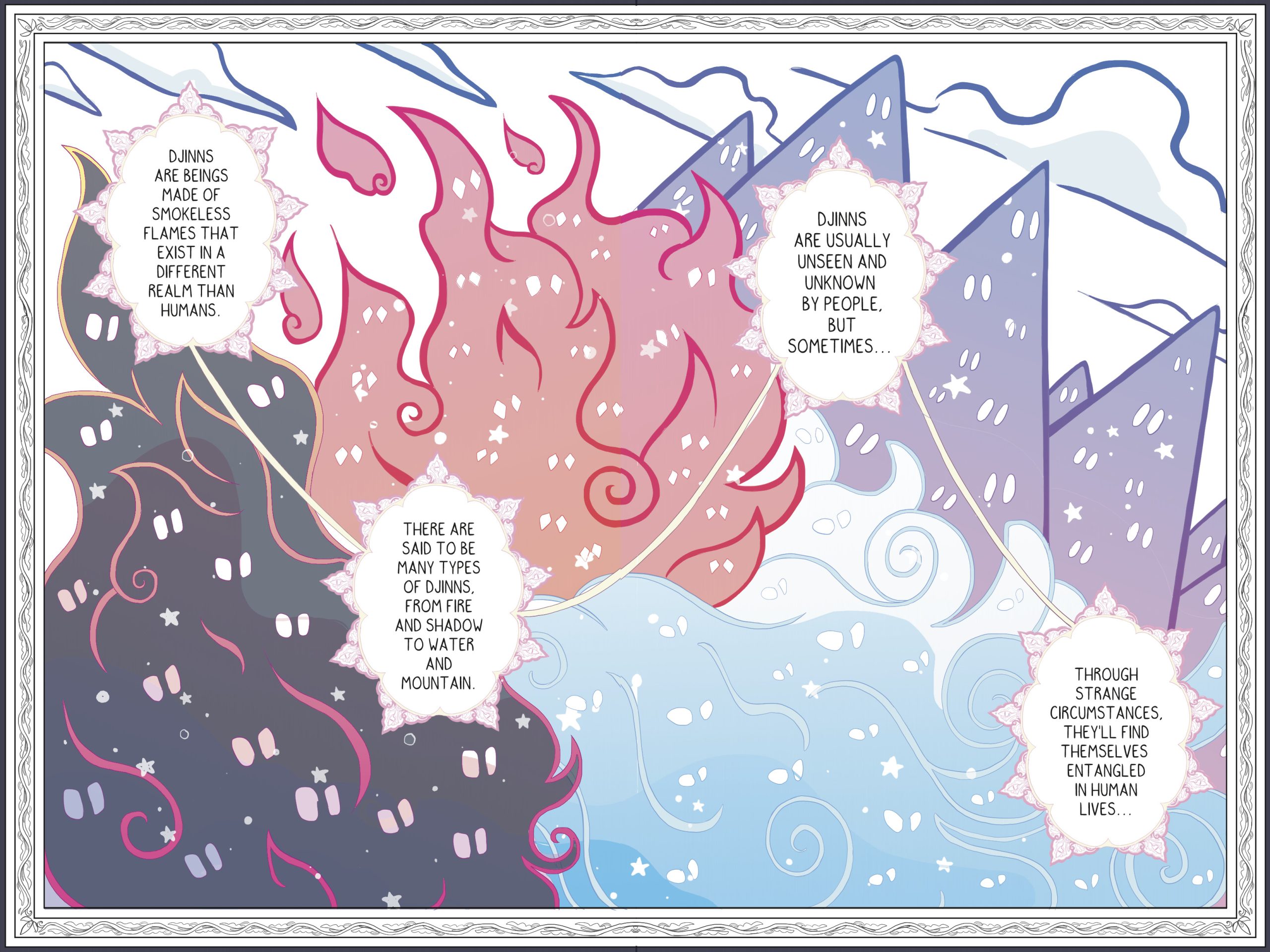
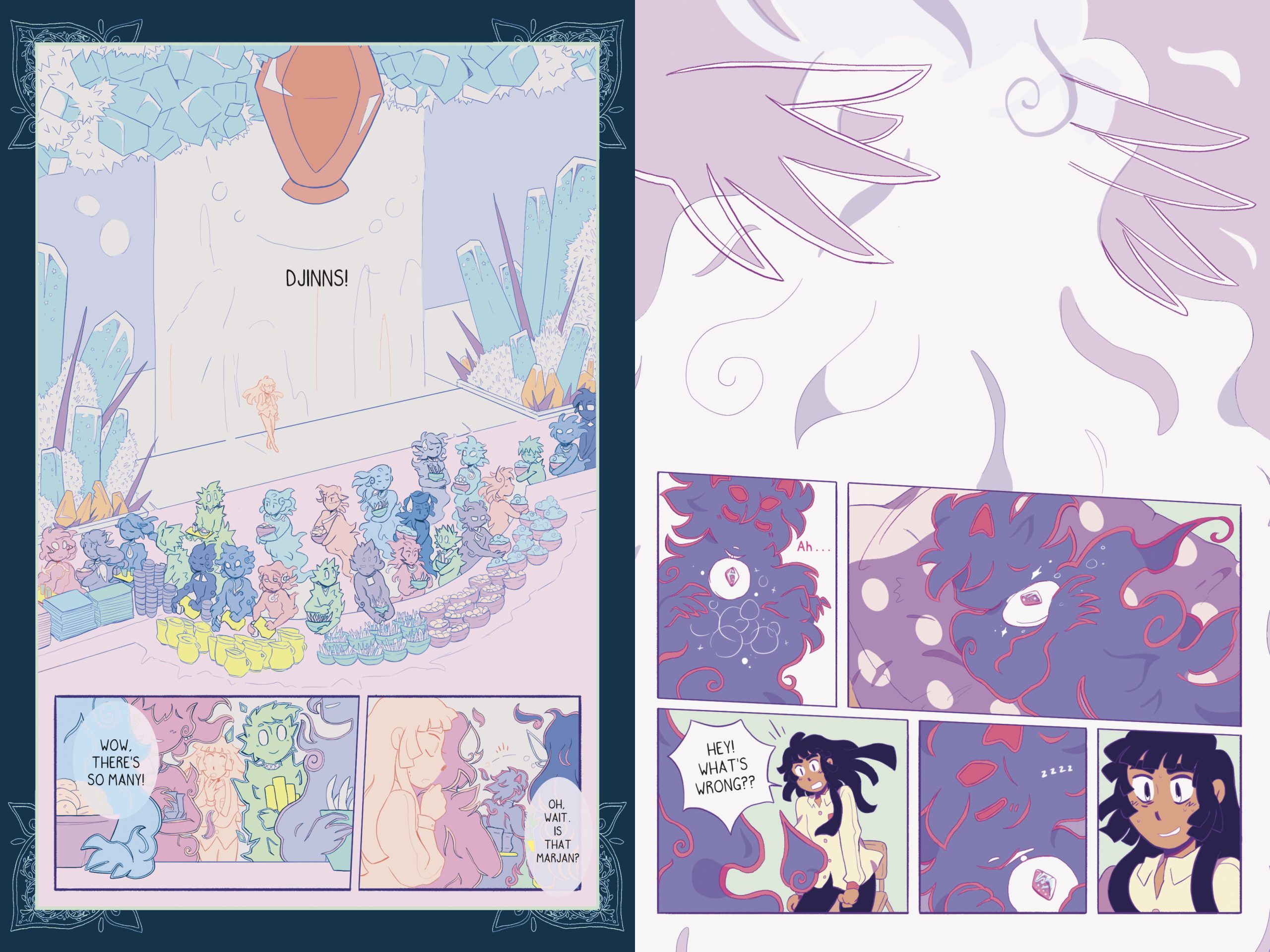
Following the success of their debut, Ata shifted focus toward Young Adult (YA) fiction, bringing a unique perspective to Middle Eastern folklore. Nayra and the Djinn explored the complexities of Muslim identity through the lens of a "toxic friendship" and supernatural intervention. Unlike many Western depictions of Islam, Ata’s work featured a diverse cast of Muslim characters practicing their faith in varied, nuanced ways. This period marked Ata’s transition into larger publishing platforms, where they successfully pushed for the representation of non-binary djinns and authentic cultural nuances.
2024–2026: Wallflower and the Maturity of Style
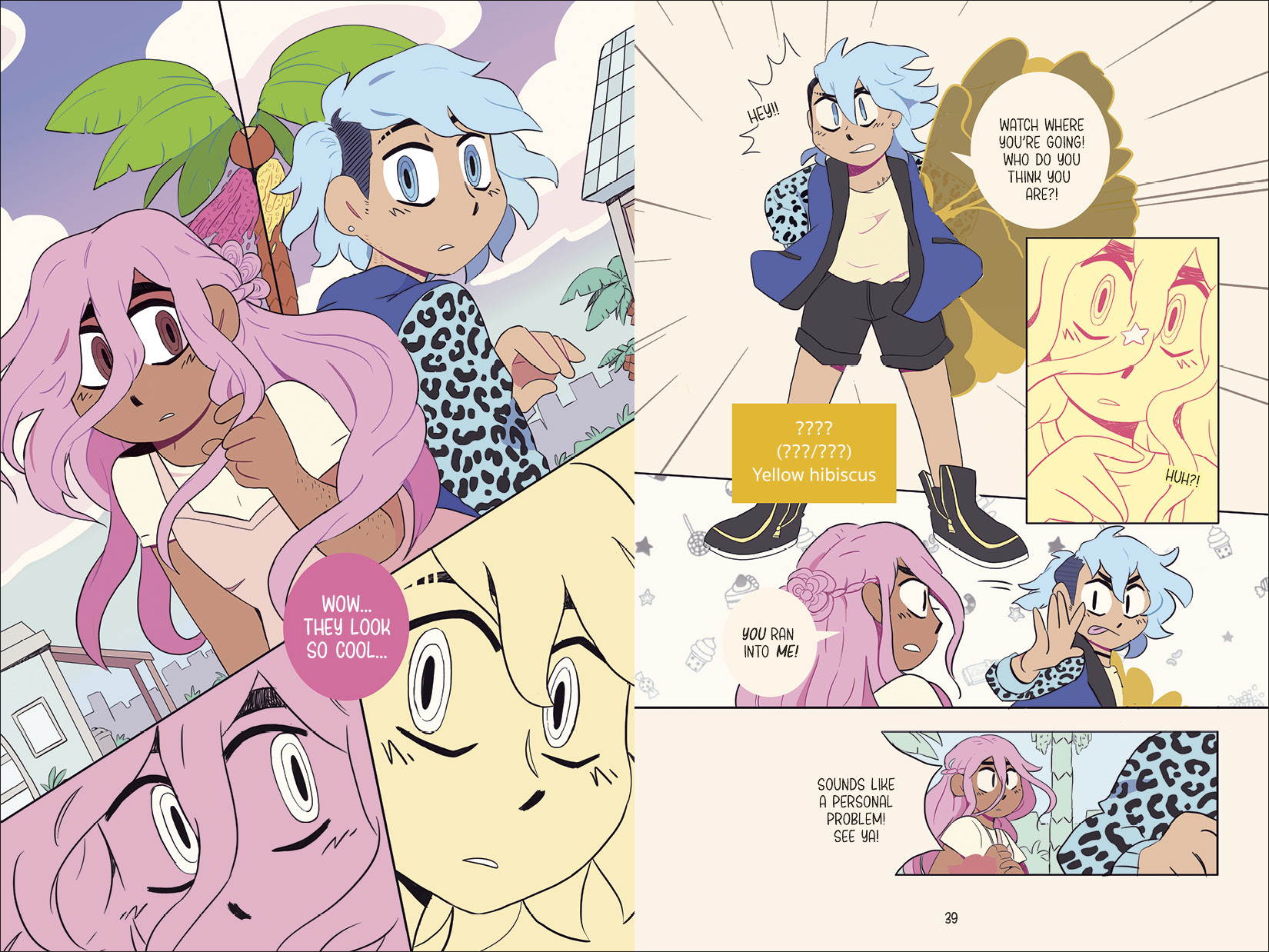
Ata’s latest work, Wallflower, represents a culmination of their career-long themes. The story follows Marlena, a girl who sees visions of plants growing on people—a metaphor for neurodivergence and the trauma of not being believed. The book arrives at a time when Ata has fully embraced their role as a "vibes-based" colorist and a multi-disciplinary creator, balancing the heavy themes of personal trauma with the kinetic, joyful energy of their work on the Sonic the Hedgehog comics.
Supporting Data: The Technicality of "Vibes"
Ata’s artistic style is instantly recognizable for its "swoopy," kinetic hair, non-literal color palettes, and heavy influence from manga pioneers like Osamu Tezuka. However, the technical underpinnings of their work are often rooted in a rejection of formal constraints.
The Science of Color and Sound
Despite their acclaim, Ata never took a formal color theory class. Their signature style—often utilizing "Rocket Red," an intensely bright pink-red hue—was born from a failed silk-screening class in art school. "I was horrible at it," Ata admits, but the exposure to vibrant, unaligned inks changed their neurological perception of color. Today, they advise aspiring artists to "color it how you think it should look, as opposed to what would be real."

This sensory focus extends to sound design. As a creator with epilepsy, Ata is highly sensitive to "grating or incongruent" sounds, which can act as seizure triggers. Consequently, their work in game design emphasizes "brain-soothing" audio, creating an accessible sensory experience for neurodivergent players.
Narrative Representation
In Nayra and the Djinn, Ata broke industry molds by refusing to center a single "token" Muslim character. By depicting multiple characters with different levels of religious practice, Ata addressed a significant data gap in Western media, where BIPOC characters are often isolated in predominantly white, secular settings.
Official Responses: Navigating the 2026 Algorithmic Landscape
As the industry reflects on Ata’s decade of work, the creator has raised significant concerns regarding the current state of digital publishing. In 2026, the "algorithmic culture" of social media has become a double-edged sword for independent creators.
"We have entered this algorithmic culture where things have gotten flattened out," Ata warns. While it is easier than ever to post work online, the pressure to create content that "the algorithm" will pick up has led to a homogenization of visual styles. Ata notes that publishers are increasingly looking for "algorithmic viability" rather than raw, unique voices, a trend that threatens the very "kitchen-table" authenticity that allowed Mis(h)adra to thrive a decade ago.
Despite these industry pressures, Ata’s current publisher, Viking (an imprint of Penguin Random House), has been cited by the author as a sanctuary for creative freedom. The publisher’s willingness to allow Ata to explore "heavy themes" and "non-literal" narratives suggests a potential shift in how major houses are beginning to value authentic, creator-driven intellectual property over purely data-driven acquisitions.
Implications: The Future of Graphic Medicine and Diaspora Narratives
The trajectory of Iasmin Omar Ata’s career suggests three major implications for the future of the medium:
1. The Normalization of Graphic Medicine
The success of Wallflower and Mis(h)adra proves that there is a massive, underserved audience for stories about chronic illness and neurodivergence. Ata’s work has moved from the fringes of "niche interest" to the center of the YA and adult markets, suggesting that future creators will have a clearer path to publishing stories that deal with the "unseen" aspects of health.
2. Speculative Diaspora
Through their game Being, Ata is pioneering a genre that could be described as "Palestinian Futurism." By placing Palestinian characters in a space colony 100 years in the future, Ata is moving beyond the "trauma-only" narratives often assigned to displaced people. This shift toward speculative fiction allows for a reimagining of identity that is rooted in heritage but not bound by current geopolitical tragedy.
3. Multi-Medium Mastery
Ata’s refusal to choose between games, sound design, and comics sets a new standard for the "modern creator." As the lines between these industries blur, Ata’s career provides a blueprint for how a singular thematic core—in this case, healing and belonging—can be successfully translated across disparate technologies.
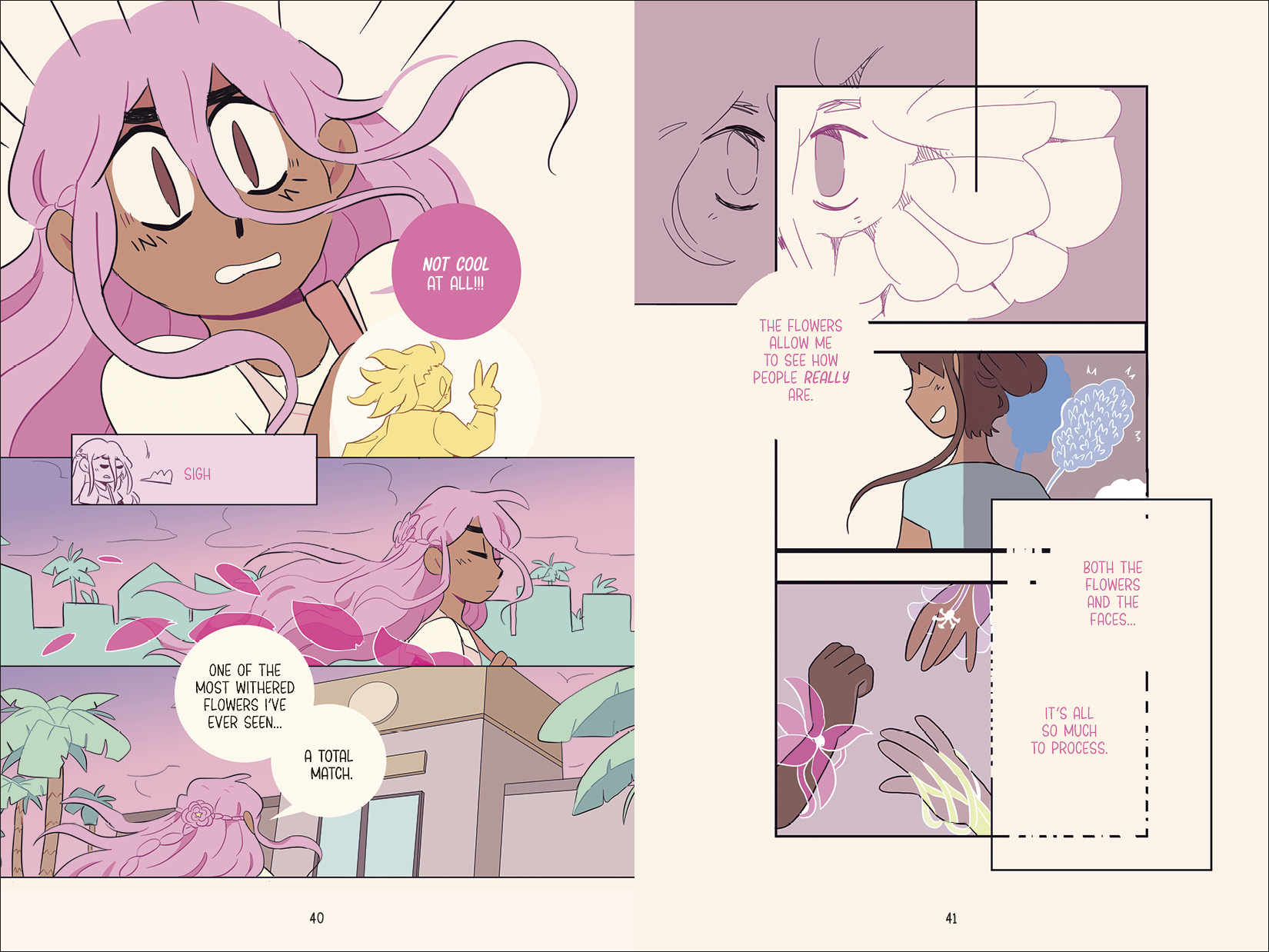
As Ata embarks on their fourth graphic novel and continues their collaboration with organizations like Palestinian Voices in Games, their message remains anchored in the symbolism of the Plumeria flower: hope. In a world of "catastrophes of the self," Ata’s work suggests that while the self can be destroyed, it can also be replanted, fed by its environment, and grown into something entirely new.



Leave a Comment