Chills, Thrills, and Family Ties: Exploring the Evolution of ‘The Ice Guy and His Cool Female Colleague’
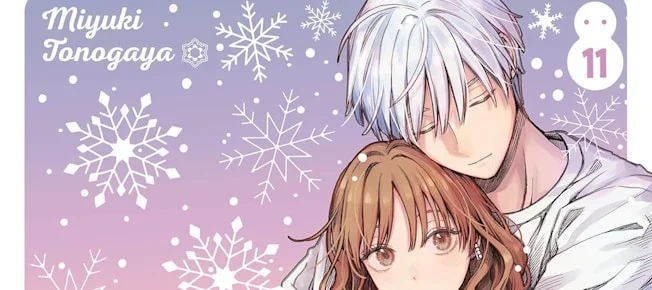
The landscape of modern romantic comedy manga has undergone a significant transformation over the last decade. Moving away from the high-stakes melodrama of the early 2000s, contemporary readers have gravitated toward "Iyashikei" (healing) narratives—stories that prioritize comfort, gentle humor, and emotional sincerity. At the forefront of this movement is Miyuki Tonogaya’s The Ice Guy and His Cool Female Colleague (Koori Zokusei Danshi to Cool na Douryou Joshi). With the latest English release from Square Enix Manga, the series reaches a pivotal milestone: the transition from workplace flirtation to the high-stakes world of family introductions.
Main Facts: A Supernatural Spin on Workplace Romance
The Ice Guy and His Cool Female Colleague centers on Himuro-kun, a young office worker who is a direct descendant of a Yuki-onna (Snow Woman) from Japanese folklore. This heritage isn’t just a quirky backstory; it manifests physically. When Himuro-kun experiences intense emotions—be it joy, nervousness, or a crush—he inadvertently creates blizzards, freezes his surroundings, or manifests adorable miniature snowmen.
The object of his affection is Fuyutsuki-san, a colleague known for her unflappable, "cool" demeanor. Unlike others who might be deterred by a localized snowstorm in the breakroom, Fuyutsuki-san is consistently kind, observant, and subtly supportive, often providing solutions to Himuro’s icy outbursts.
In the latest installment, the narrative shifts from the confines of the office to the intimate sphere of family. The volume follows two major emotional beats:
- The Festival Introduction: Fuyutsuki-san introduces Himuro to her cousin, signaling a bridge between their private lives and their social circles.
- The Grandmother’s Blessing: The duo prepares to visit Himuro’s ailing grandmother. This arc is particularly significant as it promises to delve into the lore of the snow spirits and Himuro’s anxiety regarding his heritage and his future with a "normal" human.
The English edition, published by Square Enix Manga, features the creative talents of Miyuki Tonogaya (Story & Art), Julie Goniwich (Translation), and Lys Blakeslee (Lettering).
Chronology: From Webcomic Sensation to Multimedia Franchise
To understand the impact of the latest volume, one must look at the series’ meteoric rise through the digital and print landscapes.
2019: The Digital Origins
Miyuki Tonogaya began the series as a webcomic, primarily shared on social media platforms like Twitter (now X) and later serialized on Gangan pixiv. The bite-sized chapters focused on the "gap moe" of a large, handsome man producing tiny snowmen whenever a kind woman spoke to him. The simplicity and sweetness of the premise quickly garnered millions of likes, leading to a physical publication by Square Enix in Japan.
2021–2022: Global Licensing and Expansion
As the manga’s popularity grew, it caught the attention of international publishers. Square Enix Manga & Books, the North American publishing arm of the Japanese giant, announced the English license. This move was part of a broader strategy to bring "niche" but highly engaged web-based titles to the Western prestige format (large trim size, high-quality paper).
2023: The Anime Catalyst
The series reached a global fever pitch in January 2023 with the premiere of the television anime adaptation, produced by Zero-G and Liber. The anime’s soft color palette and lo-fi soundtrack perfectly captured the manga’s "healing" atmosphere. The success of the anime significantly boosted manga sales, as viewers sought to continue the story beyond the first season’s conclusion.
2024: The Current Volume
The latest volume marks a departure from the "status quo" of early chapters. While the beginning of the series focused on the "will-they-won’t-they" tension of workplace interactions, the current arc represents a maturation of the relationship. By moving into the "meeting the family" phase, Tonogaya is signaling that the series is moving toward a definitive conclusion or a new chapter of domestic partnership.
Supporting Data: The "Iyashikei" Market and Supernatural Trends
The success of The Ice Guy and His Cool Female Colleague is not an isolated incident; it is backed by shifting consumer data in the manga industry.
The Rise of Adult Romance
According to industry reports from the NPD Group and various manga distributors, there has been a 25% increase in the demand for "Josei" (targeted at adult women) and "Seinen" (targeted at adult men) romance titles that feature workplace settings. Readers who grew up on high school romances like Fruits Basket are now looking for stories that reflect their adult lives—albeit with a magical twist.
Folklore in the Modern Day
The use of the Yuki-onna myth follows a trend of "Urban Fantasy Lite." Unlike dark fantasy series like Jujutsu Kaisen, The Ice Guy uses folklore to externalize internal emotions. Himuro’s blizzards serve as a visual metaphor for social anxiety and the overwhelming nature of love, a trope that resonates deeply with a generation that values emotional transparency and mental health awareness.
Localization Excellence
The quality of the English release is a significant factor in its North American success. Translation by Julie Goniwich ensures that the subtle puns (often involving "cool" and "ice" in Japanese) translate effectively into English idioms. Lettering by Lys Blakeslee plays a crucial role in this specific series, as the "sound effects" of wind, cracking ice, and the chattering of snowmen are integral to the atmosphere of the panels.
Official Responses and Creative Vision
While Miyuki Tonogaya maintains a modest presence, her interviews and author notes often reflect a desire to create a world where "kindness is the default." In the production of this volume, the focus remained on the contrast between Himuro’s internal "avalanche" of feelings and Fuyutsuki’s external calm.
Square Enix Manga has positioned the title as a flagship for their "lifestyle" romance line. In promotional materials, the publisher emphasizes the "comfy" nature of the read. Their strategy involves offering the book through both traditional comic shops (via Diamond Comic Distributors) and mainstream retailers like Amazon and Bookshop.org, recognizing that the audience for this series extends beyond the hardcore "otaku" demographic into general romance readers.
The inclusion of affiliate links and review copies provided to outlets like Graphic Policy suggests a modern marketing approach that relies heavily on community word-of-mouth and influencer "cozy" aesthetics, which are highly popular on platforms like TikTok (BookTok) and Instagram (Bookstagram).
Implications: What This Means for the Future of the Genre
The progression of The Ice Guy and His Cool Female Colleague into family-oriented storytelling has several implications for the manga industry and its readership.
1. The Normalization of the "Healthy" Romance
For decades, romance tropes relied on "tsundere" (harsh-to-sweet) archetypes or toxic misunderstandings to drive the plot. The Ice Guy proves that a relationship built on mutual respect, clear communication, and gentle support can be just as compelling. The "conflict" in the latest volume isn’t a breakup or a rival suitor, but rather the internal anxiety of being "enough" for one’s partner—a much more relatable and modern hurdle.
2. Longevity Through Character Growth
Many gag-based webcomics fail when they try to transition to long-form storytelling. However, by introducing Himuro’s family and his heritage, Tonogaya is successfully expanding the world-building. This suggests that the series has the legs to move into a "marriage and beyond" arc, similar to titles like Spy x Family, where the supernatural element adds flavor to a foundational domestic story.
3. The "Global Middle" Audience
This series appeals to the "Global Middle"—readers who may not be deeply immersed in Japanese culture but are drawn to universal themes of workplace stress and the desire for companionship. By using recognizable folklore (the Snow Spirit) and a universal setting (the office), the series acts as a gateway drug for new manga readers.
4. Ethical Marketing and Support
The transparency regarding review copies and affiliate links (as seen in the original source text) reflects a growing standard in manga journalism. As the industry grows, the relationship between publishers, reviewers, and readers is becoming more formalized, ensuring that creators like Tonogaya receive the support necessary to continue their work.
Conclusion: A Warm Future for an Icy Hero
As Himuro and Fuyutsuki prepare to face the "avalanche" of a family reunion, the series remains a beacon of the "healing" genre. Volume 5 is more than just a collection of chapters; it is a testament to the enduring appeal of soft-hearted storytelling in a fast-paced world. Whether Himuro’s grandmother welcomes Fuyutsuki with open arms or the meeting results in a literal whiteout, readers are guaranteed a narrative that is as refreshing as a winter breeze and as warm as a cup of cocoa.
For those looking to dive into this wintry wonderland, the volume is currently available at local comic shops and major digital retailers. As the snow melts and the characters grow, The Ice Guy and His Cool Female Colleague continues to prove that even the coldest heritage can be melted by a little bit of human kindness.