
Garmin Redefines Entry-Level Excellence: An In-Depth Look at the Forerunner 70 and 170 Series
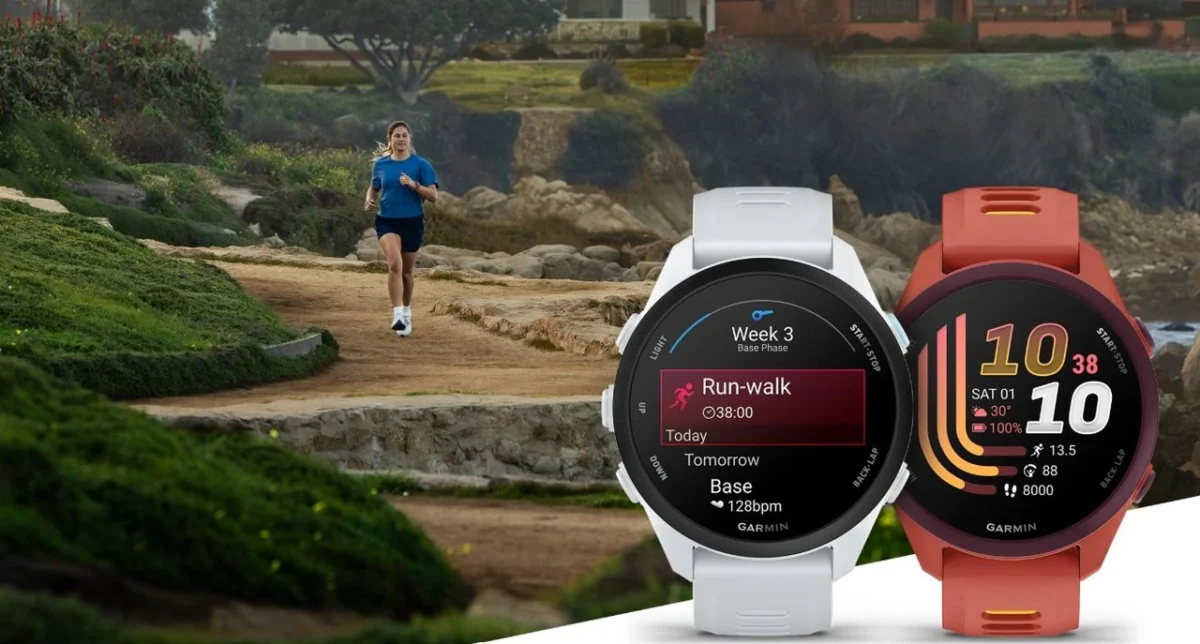
The landscape of wearable fitness technology is undergoing a seismic shift, driven by a consumer base that increasingly demands premium features at accessible price points. Garmin, a perennial leader in the GPS multisport watch market, has signaled its intent to dominate the entry-level and mid-range sectors with the official release of three new contenders: the Forerunner 70, the Forerunner 170, and the Forerunner 170 Music.
Set for a global release on May 15, these devices represent more than just incremental updates; they signify a transition in Garmin’s design philosophy, bringing high-end AMOLED display technology and sophisticated training metrics to a broader audience. As the running community continues to grow, the distinction between "beginner" and "pro" gear is blurring, and Garmin’s latest offerings are at the forefront of this evolution.
Main Facts: The New Guard of Running Watches
The Forerunner 70 and 170 series arrive as direct successors to some of Garmin’s most popular budget-friendly models. The Forerunner 70 takes the mantle from the aging Forerunner 55, while the 170 series builds upon the foundation laid by the Forerunner 165.
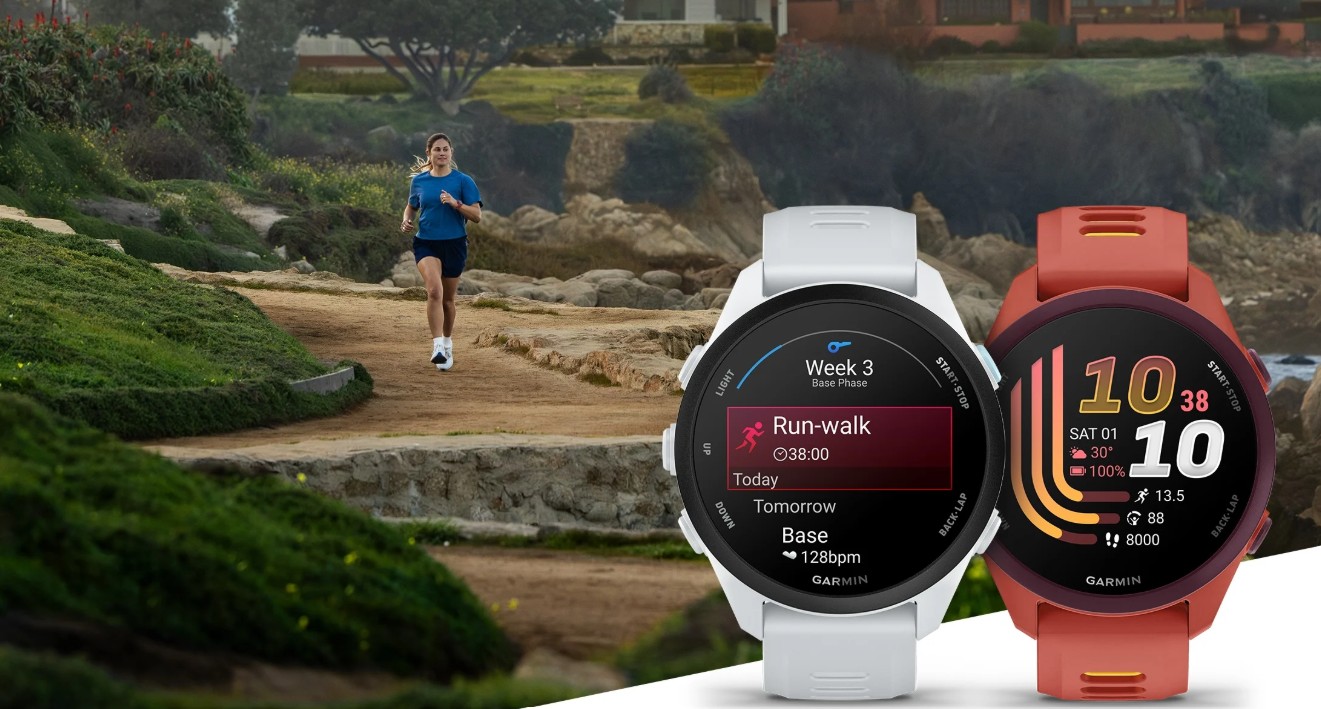
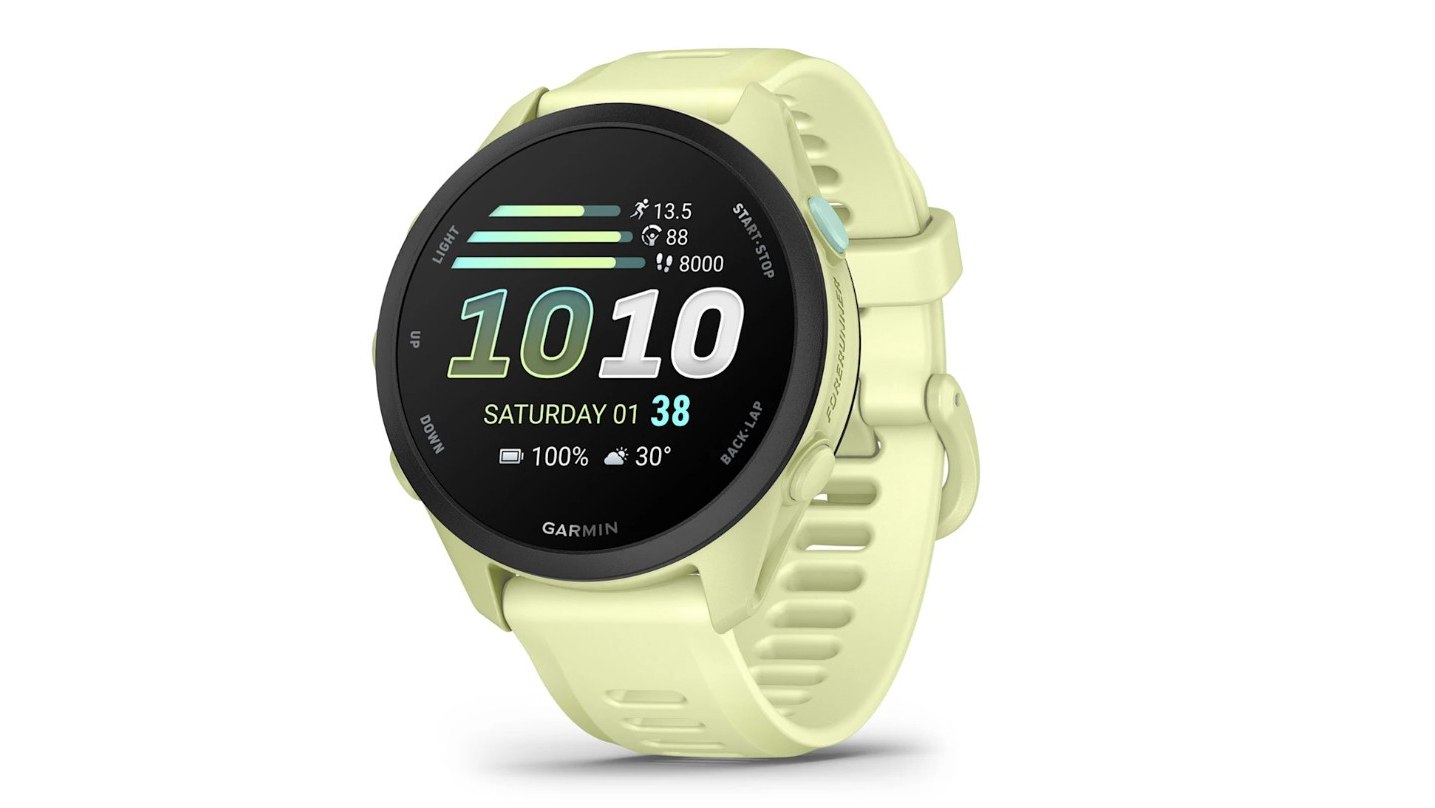
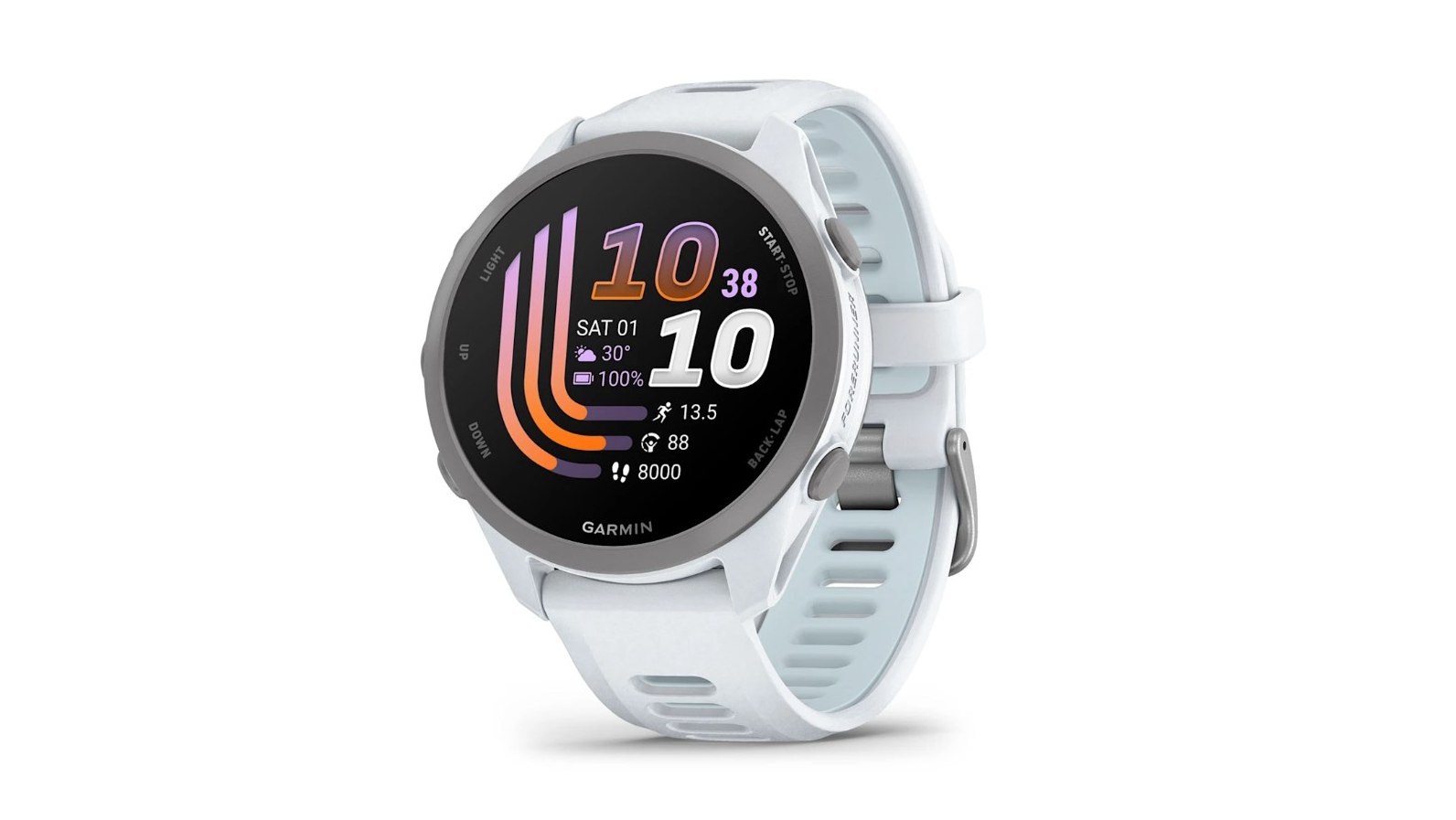
The most striking commonality across all three new models is the inclusion of a 1.2-inch AMOLED touchscreen display. For years, entry-level Garmin watches utilized Memory-in-Pixel (MIP) displays, which were lauded for their battery efficiency and outdoor visibility but criticized for their muted colors and lower resolution. By standardizing AMOLED across these new models, Garmin is prioritizing a modern, vibrant user experience that rivals the aesthetics of traditional smartwatches like the Apple Watch SE or the Samsung Galaxy Watch.
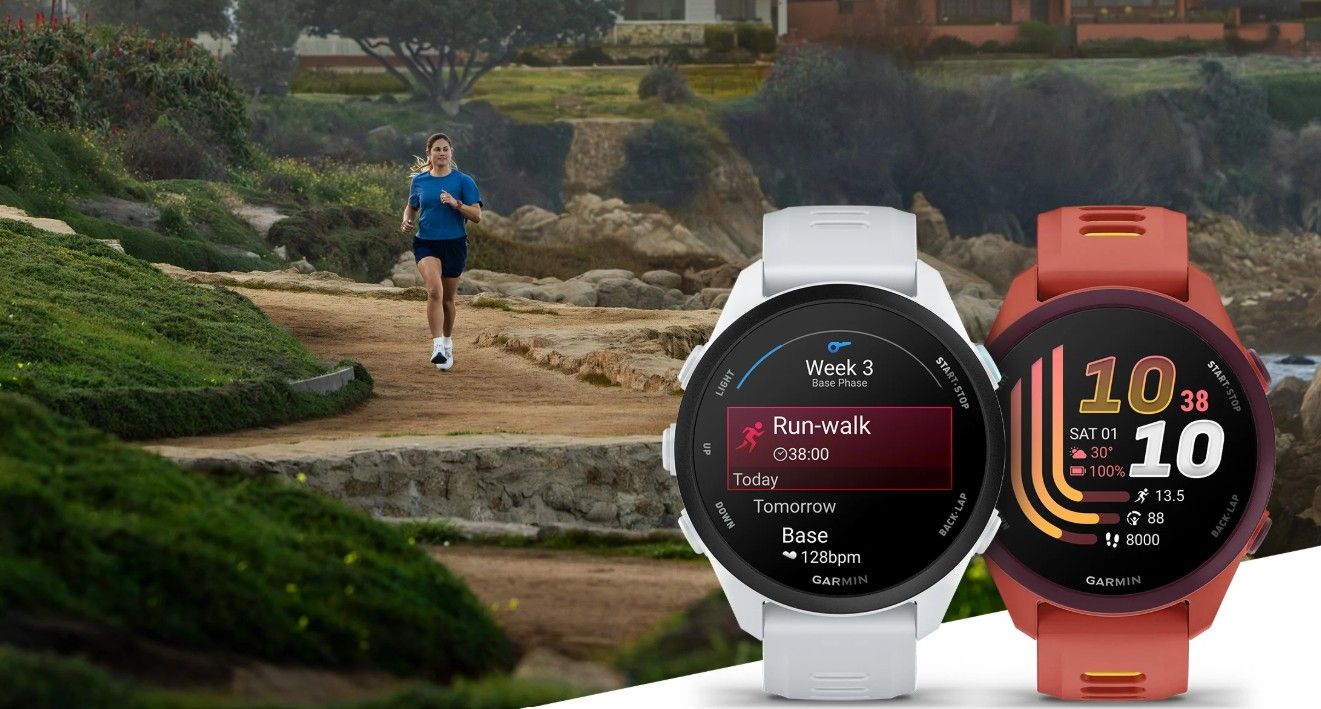
Pricing is strategically tiered to capture different segments of the market:
- Garmin Forerunner 70: $249.99 / £219.99 / AU$399
- Garmin Forerunner 170: From $299 / £259.99 / AU$479
- Garmin Forerunner 170 Music: From $349.99 / £299.99 / AU$549
Despite their "entry-level" branding, these watches are equipped with a suite of sensors and software features previously reserved for the high-end Forerunner 200 and 900 series, including wrist-based running power, advanced sleep tracking, and Garmin’s proprietary "Training Readiness" scores.
Chronology: From MIP to AMOLED
To understand the significance of this launch, one must look at the trajectory of the Forerunner line over the past five years.
- The Forerunner 45/55 Era: For a long time, the "70" and "170" slots in the lineup didn’t exist. Runners started with the Forerunner 45 or 55, which were functional but basic, featuring non-touch MIP screens and limited plastic builds. They were purely "running tools."
- The AMOLED Revolution (2023): With the launch of the Forerunner 265 and 965, Garmin proved that AMOLED could handle the rigors of athletic training without compromising too much on battery life. This set a new expectation for the brand.
- Filling the Gaps (Early 2024): The Forerunner 165 was introduced as a "bridge" device—cheaper than the 265 but more capable than the 55. It was an immediate success, proving that runners wanted the "pretty screen" even if they didn’t need triathlete-level features.
- The Current Launch (May 2024): The Forerunner 70 and 170 effectively complete the transition. By retiring the Forerunner 55 in favor of the 70, Garmin has officially moved its entire primary running lineup into the AMOLED era.
Supporting Data: A Technical Comparison
When choosing between these three models, the "Supporting Data" lies in the subtle nuances of battery life and smart features. While they share the same chassis size (42.6mm) and screen resolution (390 x 390px), their internal configurations cater to different lifestyles.
Battery Life vs. Functionality
The Forerunner 70 is, surprisingly, the endurance king of the trio. Because it lacks some of the more power-hungry "smart" features found in the 170, it can stretch its battery life up to 13 days in smartwatch mode. In contrast, the 170 and 170 Music offer 10 days.
When it comes to GPS tracking—the core utility of a Forerunner—all three models are impressively consistent. They utilize All-Systems GNSS (Global Navigation Satellite System) mode, which draws from GPS, GLONASS, Galileo, Beidou, and QZSS. The Forerunner 70 also features SatIQ technology, which intelligently toggles between GPS modes to optimize battery life without sacrificing accuracy—a high-end feature that is a massive boon at the $250 price point.
The Feature Divide
The $50 jump from the Forerunner 70 to the 170 buys the user three main conveniences:
- Garmin Pay: The 170 includes an NFC chip for contactless payments, allowing runners to grab a post-run coffee without carrying a wallet.
- Smart Notifications & Replies: While all models show notifications, the 170 allows Android users to send pre-written text replies directly from the wrist.
- Barometric Altimeter: The 170 series typically includes hardware to measure elevation more accurately than GPS-based calculations alone, making it the better choice for trail runners or those in hilly environments.
The further $50 leap to the 170 Music is dedicated entirely to internal storage (4GB). This allows for the syncing of playlists from Spotify, Deezer, or Amazon Music directly to the watch, facilitating a completely "phone-free" running experience when paired with Bluetooth headphones.
Official Positioning: Garmin’s Ecosystem Strategy
While Garmin has not issued a "response" to critics in the traditional sense, their product placement serves as a clear statement of intent. By equipping these watches with Running Power and Daily Suggested Workouts, Garmin is positioning itself against the rising tide of "generalist" smartwatches.
The "Official Response" from Garmin’s engineering side is visible in the software. The inclusion of Training Readiness and Recovery Scores across the range suggests that Garmin no longer views these as "pro-only" metrics. Instead, they are being marketed as essential wellness tools. By providing a "Morning Report" that summarizes sleep quality, weather, and training outlook, Garmin is attempting to become an indispensable part of the user’s entire 24-hour cycle, not just the 30 to 60 minutes they spend running.
Furthermore, by maintaining the classic five-button physical interface alongside the new touchscreens, Garmin is signaling to its core "hardcore" audience that it hasn’t forgotten them. Touchscreens are notoriously difficult to use with sweaty hands or in the rain; the physical buttons ensure that the Forerunner remains a reliable tool in all conditions.
Implications: What This Means for the Wearable Market
The launch of the Forerunner 70 and 170 series has significant implications for both consumers and competitors.
For the Consumer
The "barrier to entry" for high-quality sports data has never been lower. A runner spending $250 on a Forerunner 70 now gets access to the Garmin Coach ecosystem—a series of adaptive training plans for 5Ks, 10Ks, and Half Marathons that adjust based on the user’s performance. In previous years, this level of coaching required a much higher investment.
For the Competition
Garmin’s aggressive move into the $250-$350 AMOLED space puts immense pressure on brands like Coros and Polar. The Coros Pace 3, for instance, has long been the darling of the budget-conscious runner due to its lightweight design and dual-frequency GPS. However, it still uses a MIP display. By offering AMOLED at a similar price point, Garmin is challenging the notion that you have to choose between a "good screen" and "serious data."
The Death of the MIP Display?
One of the more profound implications is the potential obsolescence of the MIP display in consumer-grade electronics. While the Fenix and Enduro lines will likely keep MIP screens for their extreme (30+ day) battery needs, the Forerunner 70/170 launch suggests that for the average runner, 10-13 days of battery life on a vibrant AMOLED screen is the new "Goldilocks" zone.
Final Verdict: Which Model Wins?
As the May 15 release date approaches, the choice for consumers comes down to a simple lifestyle audit.
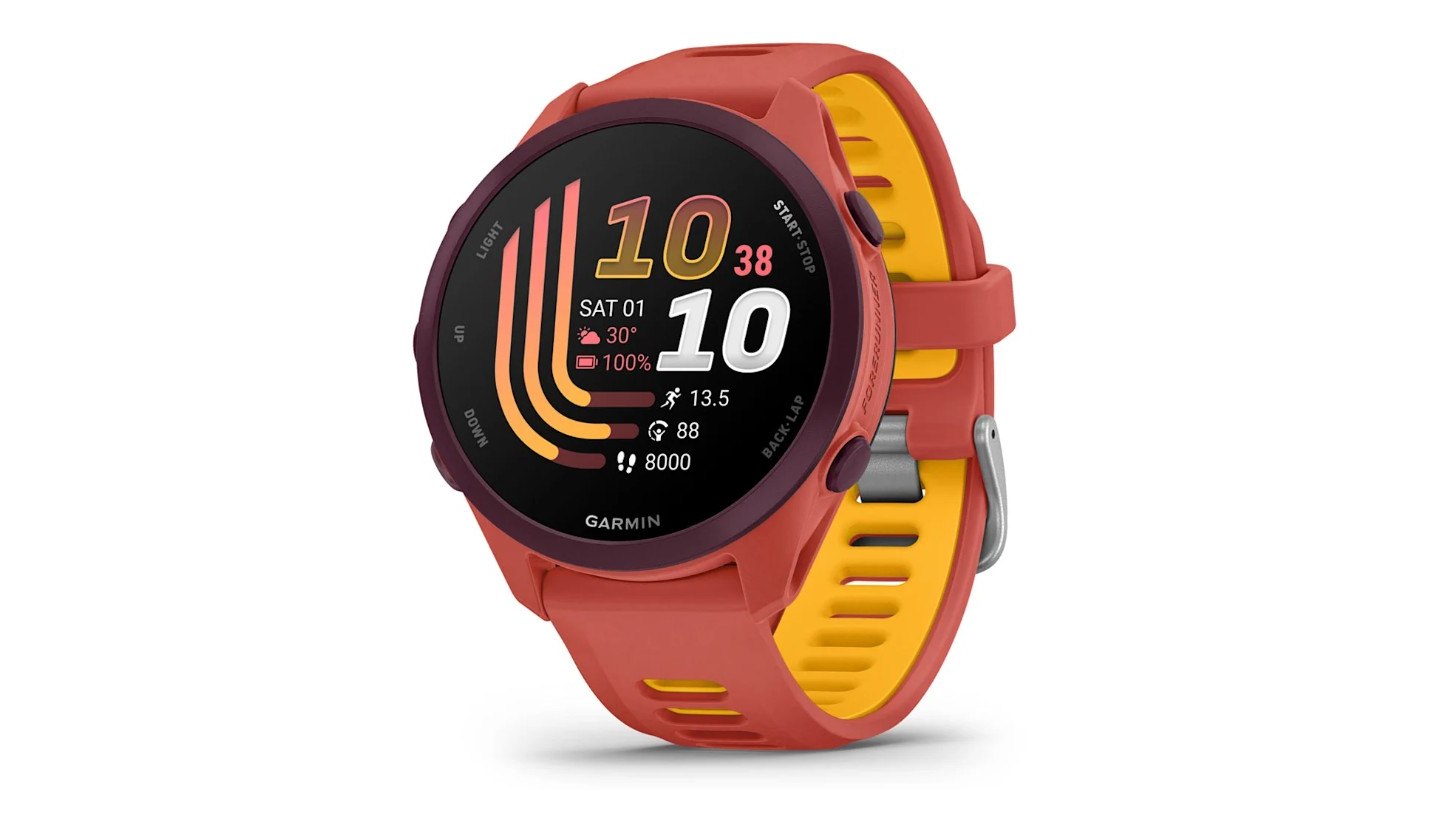
The Forerunner 70 is the purest "athlete’s watch" in the lineup. It offers the best battery life and the most essential tracking features for a price that is difficult to argue with. For the student athlete or the runner who just wants to track their miles and heart rate accurately, it is the clear winner.
The Forerunner 170 is the "lifestyle" choice. For an extra $50, the addition of Garmin Pay and better smart notification handling makes it a viable 24/7 smartwatch that doesn’t look out of place in an office setting.
Finally, the Forerunner 170 Music remains a niche but vital offering. For the runner who finds peace in their "running bubble"—without the pings of a smartphone or the weight of a handset in a pocket—the $350 investment provides a level of freedom that is arguably priceless.
With these three releases, Garmin has effectively fortified its position at the top of the fitness pyramid, proving that even at the "entry-level," they are unwilling to be outpaced.




Leave a Comment