
Blaise: A Dysfunctional Family’s Journey to the Big Screen, Premiering at Cannes
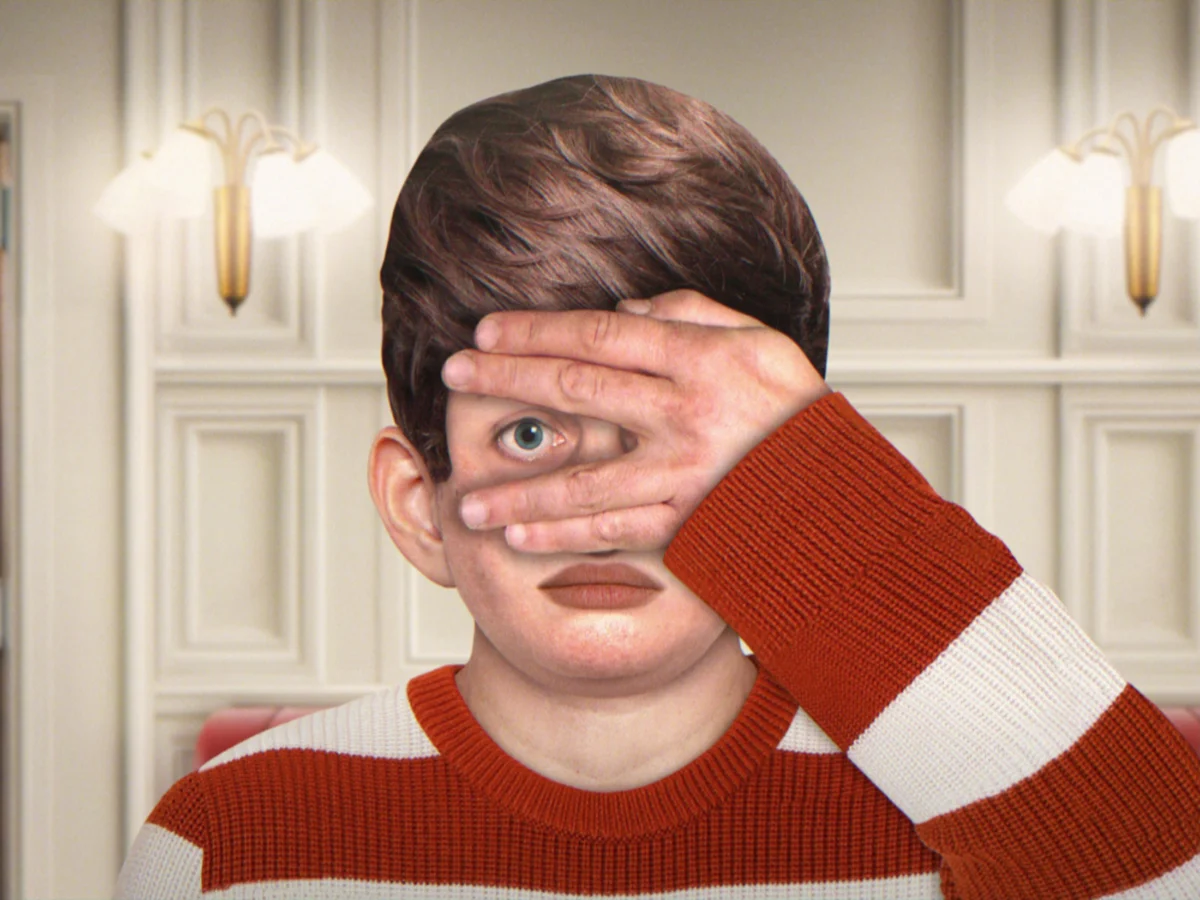
Paris, France – May 14, 2026 – The universal human yearning for love and belonging forms the bedrock of the Savage family’s complex dynamics, a quintessentially Parisian brood whose struggles find a poignant and often humorous reflection in the animated feature film Blaise. This deeply personal project, born from the distinctive vision of comic book artist Dimitri Planchon and brought to life through a decade-long collaboration with animator and director Jean-Paul Guigue, makes its highly anticipated world premiere at the Cannes Film Festival, competing within the prestigious ACID (Association for the Distribution of Independent Cinema) sidebar.
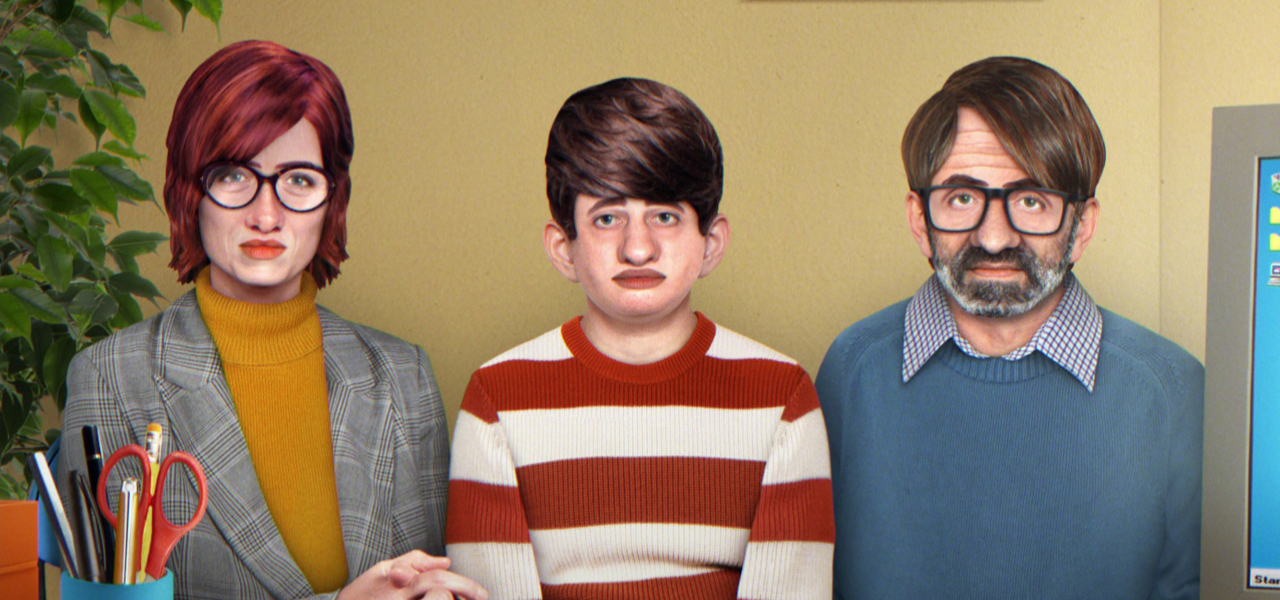
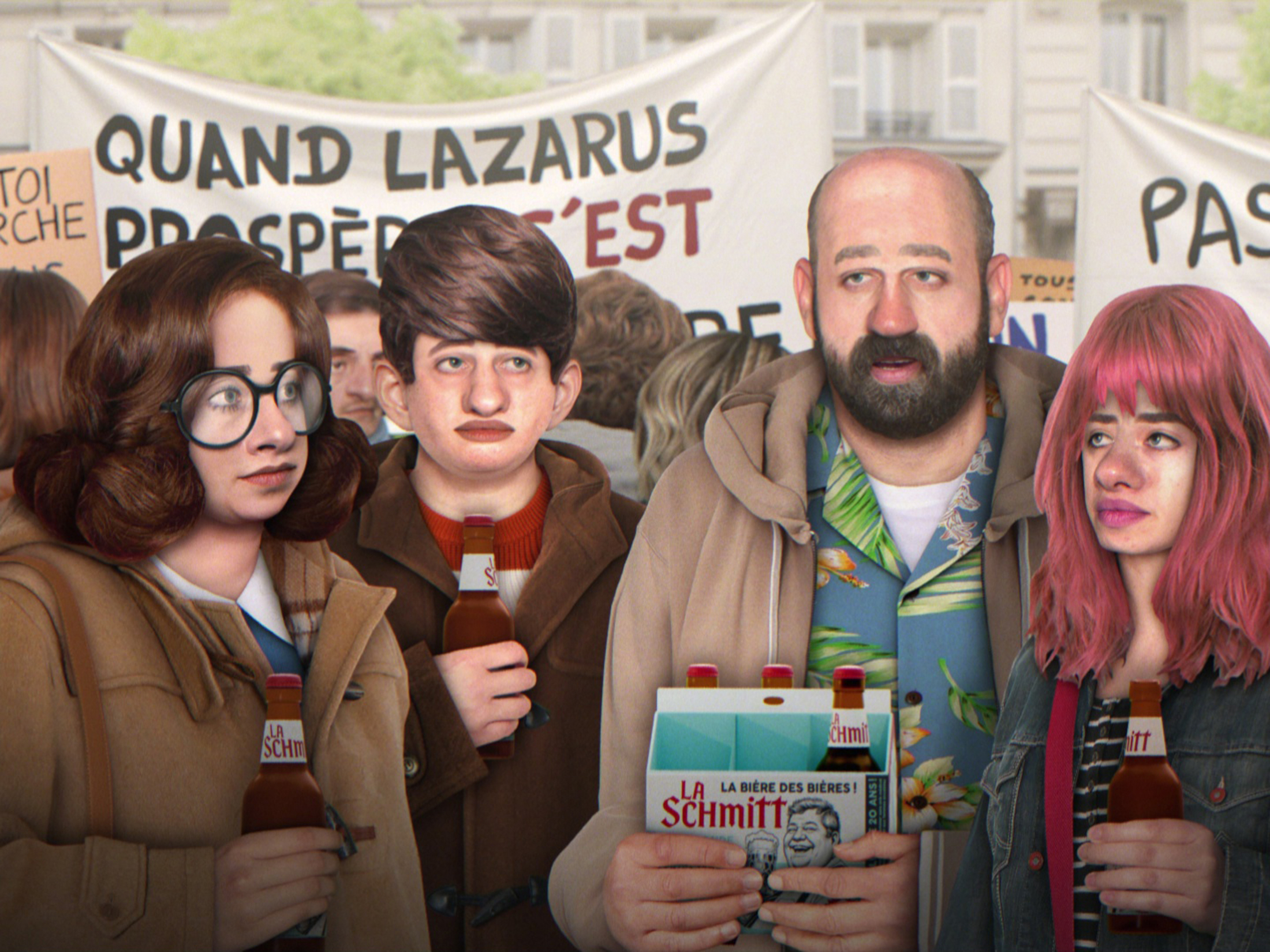
Ten years after their successful adaptation of Planchon’s characters into a 30-minute Arte television series, Planchon and Guigue reunite to propel Blaise, now a 16-year-old introverted adolescent, onto the grand canvas of cinema. The film delves into the fractured relationships within the Savage family, centering on Blaise’s difficult navigation between his mother, Carole, a woman acutely aware of her employees’ disdain and desperately seeking their approval, and his father, Jacques, a man seemingly adrift in a life of idleness, yearning for respect. Blaise himself, characterized by a lack of strong personal identity and a tendency to acquiesce to others, finds his world irrevocably altered upon encountering Josephine. This encounter propels him into an unexpected, revolutionary, and alarmingly violent crusade, a testament to his latent desires and the profound impact of external influence.
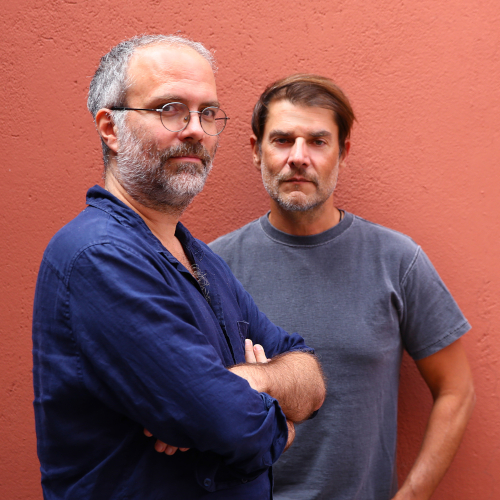
Ahead of Blaise‘s debut in Cannes’ vibrant animation showcase, Cartoon Brew sat down with co-directors Planchon and Guigue to explore their enduring creative partnership, the evolution of their beloved characters, and their masterful approach to integrating cutting-edge technology while preserving their unique artistic signature.
The Genesis of "Weirdness and Tinkering": An Artistic Foundation
Dimitri Planchon’s artistic journey began in the hallowed halls of Fine Arts in Strasbourg, a path that initially led him to the world of comic books. His early work, particularly strips published in the iconic French magazine Fluide Glacial, hinted at a distinctively quirky and offbeat sensibility that would later define the Blaise universe. Planchon reflects that his formative encounter with animation, a medium he would eventually dedicate himself to, may have profoundly influenced this unique aesthetic.
"I believe the first film I ever saw in a cinema was Dumbo," Planchon recalls with a hint of nostalgia. "My father, who worked with Unifrance at the time, took me to Cannes when I was just three years old, and we watched Dumbo on the big screen. Even though I haven’t revisited the film since, those memories of that animated feature remain incredibly vivid." While Planchon acknowledges the difficulty in definitively linking this childhood experience to his career trajectory, he emphasizes that his earliest memories are intertwined with drawing. "As a child, everyone draws. Some of us simply continue to do so as we mature. I believe the same principle applies to animation."
Jean-Paul Guigue shares a similar origin story, with his childhood fascination with animation sparked by classics like Disney’s Fantasia and The Jungle Book, further enriched by the influx of early Japanese animated series into France. This shared passion for the medium formed an immediate bond between the two artists.
Guigue, with over three decades of experience in animation, much of it spent at the esteemed French studio Je Suis Bien Content, explains his initial foray into the field. "I actually studied live-action filmmaking before developing a keen interest in animation," he reveals. "What truly captivated me was the craftsmanship involved and the collaborative spirit of the community. The idea of meticulously manipulating images, merging them through sophisticated digital tools, and possessing complete creative control over the narrative was incredibly appealing. Simultaneously, the necessity of effective communication and teamwork to bring a project to fruition is an aspect of animation that I deeply cherish." This blend of individual artistry and collective endeavor forms the core of their creative process.
From Instinctual Sketches to Complex Psychologies: The Evolution of Blaise
The narrative of Blaise did not emerge fully formed. It began as a series of sketches and short strips within the pages of Fluide Glacial. These were later expanded into full-page stories for the French comics magazine L’Écho des Savanes, before being consolidated into comprehensive albums by the prominent comic book publisher Glénat. The successful transition to a 30-minute Arte television series in 2016 marked a significant milestone, culminating now in the feature film’s premiere at Cannes.
"In the initial stages of Blaise, the creation was driven more by instinct than by a rigid structure," Planchon explains. "Even when I was producing a weekly page, I tended to go with the flow and improvise extensively. As the stories evolved into albums and then the series, I found myself compelled to delve deeper into the intricacies of my dysfunctional, almost Freudian, family dynamic, and to construct the psyches of these characters with greater thoroughness."
This meticulous character development process was amplified for the feature film, with Planchon and Guigue taking Blaise’s journey to an even more profound level. The film depicts Blaise as a 16-year-old adolescent, a maturation from his 12-year-old preteen persona in the series, allowing for a richer exploration of his evolving identity and desires.
Beyond the scriptwriting, the voice-acting sessions for the feature film played a pivotal role in shaping the character dynamics. In contrast to the series, where voice actors recorded their parts individually, the co-directors insisted on group recording sessions for the film. This approach injected a new, almost theatrical vitality into the dialogue, a choice that felt particularly appropriate for a film where misunderstandings are a central thematic element.
Guigue elaborates on this decision: "It’s akin to a radio performance. I had prior experience in the UK with similar recording techniques, and it introduces an entirely new layer of complexity. Having five or six comedians bouncing lines off each other inevitably leads to those subtle improvisations and unexpected moments that imbue our film with its distinctive flavor and intensity." This collaborative vocal performance breathes a unique energy into the characters and their interactions.
The Enduring Charm of "Old Is Gold": Artistic Integrity in a Digital Age
Despite the evolution of animation technology, Planchon and Guigue remained steadfast in their commitment to the distinctive 2D aesthetic they had cultivated for the 2016 television series. This decision was not merely a matter of nostalgia but a deliberate artistic choice that resonated with the film’s core identity.
"It simply felt more natural," Guigue states. "The staging and visual language we had developed were already aligned with our artistic sensibilities, and our producer at KG Productions, Alexandre Gavras, shared this sentiment. It was an artistic decision that perfectly complemented our tone, and the introduction of full 3D elements would have felt incongruous."
With a significant portion of the animation team returning from the series, the production workflow was optimized rather than reinvented. A new photo studio was established, facilitating the creation of bespoke characters, backgrounds, and props. By ingeniously blending existing costumes, body parts, and settings, the duo managed to imbue their quirky universe with a fresh perspective while remaining true to their foundational artistic principles.
"Even in terms of software, we didn’t deviate significantly," Planchon adds. "Our film was primarily produced using After Effects, with Storyboard Pro, Photoshop, and Premiere serving as our core editing and production tools. Our budget and team size also remained relatively consistent. This allowed us to maintain a close connection to the work and to each other. As directors, we were intimately involved in every stage of the process, from conception to completion, and we wouldn’t have had it any other way. Naturally, this entails more intensive work, but the ability to refine our designs and meticulously attend to every detail is something we genuinely love and find immense satisfaction in." This hands-on approach ensures that the final product is a true reflection of their artistic vision.
A Delicate Balance: Political Satire and Profound Tenderness
In its runtime of just over 80 minutes, Blaise captivates with its unconventional protagonists and its distinctly French sensibility. As the film prepares to engage with its first international audience at Cannes, Planchon and Guigue admit to having had limited time for reflection amidst the whirlwind of pre-premiere preparations.
"To be perfectly honest, we haven’t had much of a break," Planchon confesses. "We were still finalizing the credits just a few days ago. On one hand, it’s incredibly rewarding to see the film being recognized and appreciated. However, it’s also a rather daunting experience. Following Cannes, a brief period of rest is certainly in order. But after that, we have a wealth of new ideas that we’re eager to explore."
As Planchon concludes, a smile playing on his lips, "Ultimately, I wouldn’t know what else to do." This dedication to their craft and their unwavering passion for storytelling is palpable, promising a bright future for this dynamic directorial duo and the continued adventures of the endearing Blaise Savage. The film’s ability to weave together sharp social commentary with genuine emotional depth positions it as a standout in this year’s cinematic landscape, a testament to the enduring power of independent animation.

Leave a Comment