
Corporate Discord in the Deep: Krafton Loses First Phase of $250 Million Legal Battle with Subnautica Creators
By Senior Business Correspondent
March 19, 2026
The high-stakes legal battle between South Korean gaming giant Krafton and the visionary founders of Unknown Worlds Entertainment—the studio behind the critically acclaimed Subnautica series—has reached a pivotal turning point. In a scathing preliminary ruling, a Delaware court has found that Krafton acted in bad faith by terminating the studio’s leadership in an apparent attempt to circumvent a $250 million "earnout" agreement.
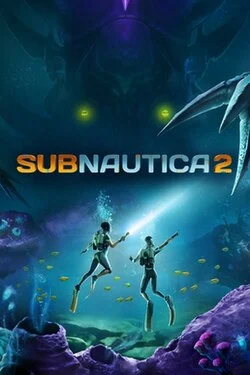
The decision marks a significant victory for creative autonomy in the video game industry and casts a shadow over Krafton’s aggressive acquisition strategy. As the industry prepares for the highly anticipated launch of Subnautica 2, the court’s intervention ensures that the original architects of the franchise remain at the helm, at least for now.
Main Facts: The $250 Million "For Cause" Gambit
At the heart of the dispute is a massive financial incentive known as an "earnout." When Krafton acquired Unknown Worlds in 2021, the deal was structured with a significant upfront payment followed by a performance-based bonus of $250 million, contingent on the studio meeting specific development and commercial milestones—most notably the successful launch and performance of Subnautica 2.
As the sequel neared its Early Access phase, Krafton’s executive leadership allegedly sought to "weasel out" of this obligation. The strategy employed was as blunt as it was controversial: Krafton fired the founders of Unknown Worlds, including CEO Edward Gill, claiming the dismissals were "for cause." Under the terms of the acquisition contract, firing the founders for legitimate professional misconduct would effectively nullify the earnout requirements, saving Krafton a quarter of a billion dollars.
However, the founders fought back, alleging that the "causes" cited for their termination were fabricated pretexts designed solely to trigger the contract’s forfeiture clauses. Following a deep dive into internal communications and corporate conduct, the judge concluded that Krafton had breached its contract. The court has now:
- Reinstated Edward Gill as CEO of Unknown Worlds.
- Extended the earnout timeline by the exact duration of the period the founders were ousted.
- Issued an injunction preventing Krafton from interfering with Gill’s authority regarding the Early Access launch of Subnautica 2.
Chronology of a Deteriorating Partnership
The relationship between the Seoul-based publisher and the San Francisco-based developer has devolved from a celebrated partnership into a cautionary tale of M&A (mergers and acquisitions) gone wrong.
- October 2021: The Acquisition. Krafton, flush with cash from the ongoing success of PUBG: Battlegrounds, acquires Unknown Worlds. The deal is framed as a move to diversify Krafton’s portfolio with premium, high-quality IP. The $500 million upfront price tag is bolstered by a $250 million earnout structure.
- 2022–2024: Development and Friction. Subnautica 2 enters full production. While internal reports suggest the game is tracking well, friction begins to mount between the independent-minded founders and Krafton’s corporate oversight.
- Late 2025: The Purge. As Subnautica 2 approaches its critical Early Access milestone—the trigger for the earnout—Krafton abruptly fires Edward Gill and other key founders. The publisher cites vague "managerial failures" and "breach of fiduciary duty" as cause for termination.
- January 2026: The Lawsuit. The founders file suit in the Delaware Court of Chancery, alleging breach of contract and a "bad faith" attempt to dodge the earnout.
- March 17, 2026: Phase One Ruling. The judge rules in favor of the founders, citing evidence from discovery that suggests Krafton’s actions were commercially motivated rather than performance-based.
Supporting Data: Discovery Insights and "Strange Mechanisms"
The discovery phase of the trial, highlighted by industry analyst Nicholas Lovell and shared via LinkedIn by industry figure Rami Ismail, provided a rare and "fascinating" look into the internal machinations of a multi-billion dollar gaming firm.
Internal documents revealed that Krafton leadership began discussing the "earnout problem" as early as 18 months prior to the firings. The "discovery" indicated that the financial burden of the $250 million payment became a point of contention within Krafton’s board, particularly as the global gaming market faced a cooling period in 2024 and 2025.
The judge’s ruling noted that Krafton utilized "uncontractual mechanisms" to isolate the founders. These included:
- Bypassing established approval workflows for the game’s budget.
- Attempting to reassign key technical staff to other Krafton projects to slow Subnautica 2’s progress.
- Creating a "shadow management" team intended to take over the studio the moment the founders were dismissed.
The court found these actions were not the result of poor performance by the founders, but rather a concerted effort to ensure the earnout milestones were either missed or the eligible recipients were removed from the payroll.

Official Responses: A Tale of Two Realities
In the wake of the Phase One ruling, both parties have issued statements that reflect the deep divide between the publisher and its subsidiary.
From the Founders of Unknown Worlds:
In a joint statement, Edward Gill and the founding team expressed relief. "Our priority has always been the Subnautica community and the integrity of the game we are building. This ruling validates our position that creative leadership cannot be discarded for the sake of a corporate balance sheet. We look forward to returning our full focus to Subnautica 2."
From Krafton Inc.:
A spokesperson for Krafton maintained a more guarded, corporate tone: "While we respect the court’s preliminary findings regarding the employment status of the founders, we maintain that our actions were taken in the best interest of the studio’s long-term health. We are currently reviewing the ruling and considering our legal options for the second phase of litigation."
Industry observers note that Krafton’s "uninformed outsider" defense—the idea that they were simply managing a business they paid a high price for—failed to move the judge, who viewed the contract as a binding commitment that Krafton simply "regretted" making.
Implications: The Future of M&A and Subnautica 2
The fallout from this case extends far beyond the $250 million at stake. It touches on the fundamental trust required for large-scale acquisitions in the creative arts.
1. A Warning to Independent Developers
This case serves as a chilling reminder for independent studio heads looking to sell. While an earnout can significantly increase the sale price of a company, it also creates a perverse incentive for the buyer to sabotage the seller’s success or find legal loopholes to avoid payment. Future deals will likely see more robust "anti-sabotage" clauses and clearer definitions of what constitutes "for cause" termination.
2. Krafton’s Reputational Damage
Krafton has positioned itself as a global powerhouse, but this "weaseling out" of a contract may deter other top-tier talent from joining the firm. In an industry where talent is the primary asset, being seen as a "bad faith" partner can be more expensive in the long run than any $250 million payout.
3. The Fate of Subnautica 2
With Edward Gill reinstated, the creative vision for Subnautica 2 appears secure for the moment. However, the "second phase" of the lawsuit looms. This phase will determine whether Krafton’s actions "wrongfully impaired" the earnout and exactly how much in money damages are owed to the founders. If the court awards the full $250 million plus damages, it could lead to a strained working environment during the game’s live-service lifecycle.
4. Legal Precedents in Delaware
The Delaware Court of Chancery is the most influential business court in the United States. By ruling that a parent company cannot use "for cause" firings as a tactical weapon to avoid earnouts, the judge has reinforced the "implied covenant of good faith and fair dealing" that governs all US contracts. This will likely be cited in corporate disputes across various industries for years to come.
Conclusion
The first phase of Krafton vs. Unknown Worlds has concluded with a clear message: corporate giants cannot simply rewrite history to save money. For the fans of Subnautica, the news is positive—the original creators are back in control. For the broader gaming industry, the case is a sobering look at the friction that occurs when the art of making games meets the cold reality of corporate finance. As the litigation moves into its second, more financially focused phase, the eyes of the industry remain fixed on the $250 million question that Krafton tried so hard to avoid answering.


Leave a Comment