
The Art of Observation: Unpacking the Narrative Depth of ‘Nippets: A Hidden Object Game’
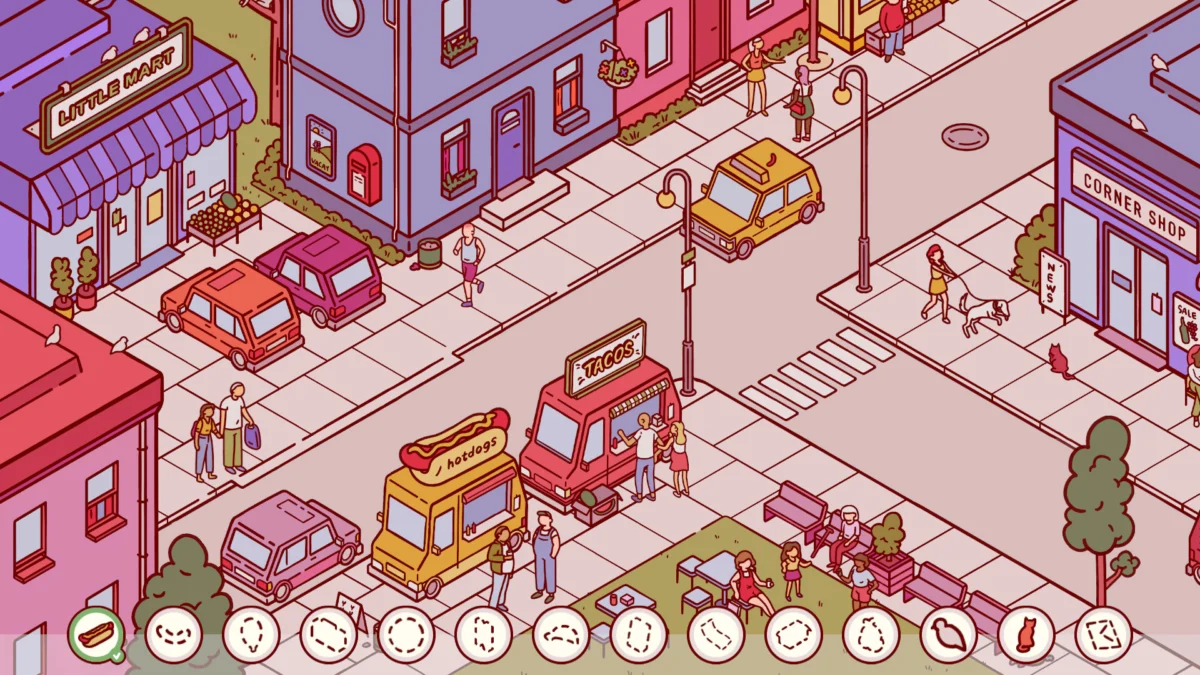
The "cozy gaming" revolution has redefined the landscape of independent software development over the last decade. Moving away from the high-octane stress of traditional competitive genres, a new wave of titles has prioritized relaxation, mindfulness, and the simple joy of discovery. At the forefront of this movement is the hidden object genre—a classic staple of casual gaming that is currently undergoing a sophisticated metamorphosis. The latest entry to capture the attention of enthusiasts and critics alike is Nippets: A Hidden Object Game, a title that transcends the traditional "point-and-click" formula to offer a meditative exploration of human life across the seasons.
Developed by the collaborative efforts of Blink Industries and Vatnisse Interactive, Nippets is more than a mere digital scavenger hunt. It is a digital diorama that invites players to engage in the quiet, often overlooked art of people-watching. By blending micro-narratives with intricate environmental puzzles, the game establishes a new benchmark for how hidden object games can utilize storytelling to enhance player engagement.
Main Facts: A New Vision for Hidden Object Puzzles
At its core, Nippets is a non-timed, narrative-driven hidden object experience available on both itch.io and Steam. Unlike its predecessors in the genre, which often rely on cluttered "junk drawer" screens and arbitrary lists of items, Nippets utilizes a clean, seasonal aesthetic where every object found serves a specific narrative purpose.
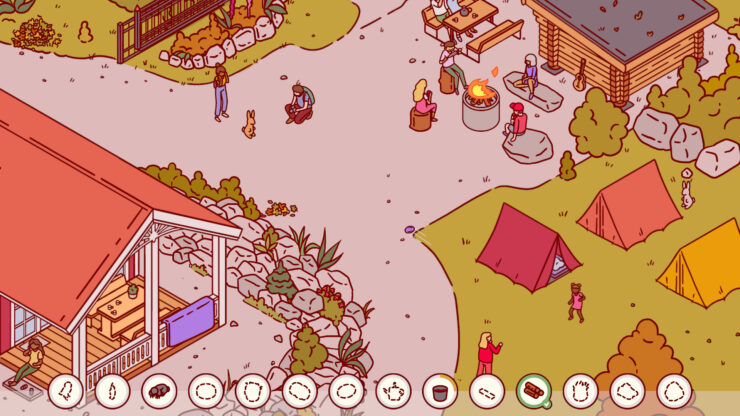
The game is structured around the four seasons, each represented by an expansive, interactive map. Players are tasked with finding specific items, but these items are not merely static assets. Instead, they are components of "micro-stories"—brief, poignant vignettes involving the various inhabitants of the game world. Whether it is helping a camper build a campfire in the autumn or assisting a child in constructing a snowman during the winter, the gameplay loop is built on the foundation of altruism and observation.
Key features of the title include:
- Dynamic Seasonal Environments: Maps that evolve visually and mechanically based on the time of year.
- Micro-Story Integration: Every object found contributes to a larger narrative arc for a specific NPC (non-player character).
- Multi-Stage Puzzles: Complex tasks that require gathering multiple components to complete a single objective.
- Layered Interactivity: Beyond the surface-level map, players can enter buildings, open windows, and use keys to unlock secret areas.
- The "Fridge" Meta-Game: A central hub where achievements and photographs are displayed, acting as a visual record of the player’s progress.
Chronology: From Indie Concept to Steam Release
The journey of Nippets reflects the broader trend of indie games finding their footing through community-driven platforms before hitting the mainstream market.
Phase 1: The itch.io Foundation
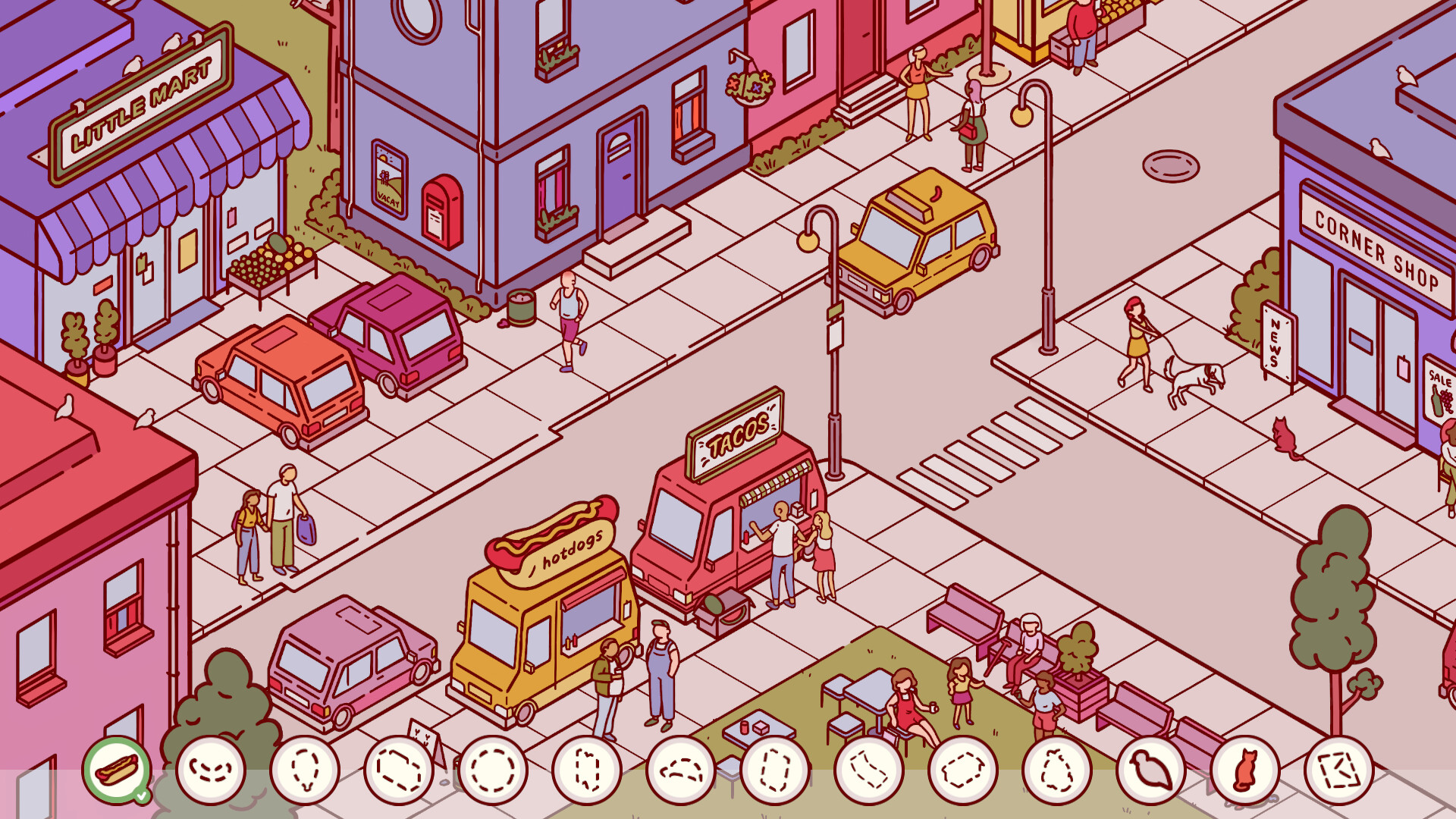
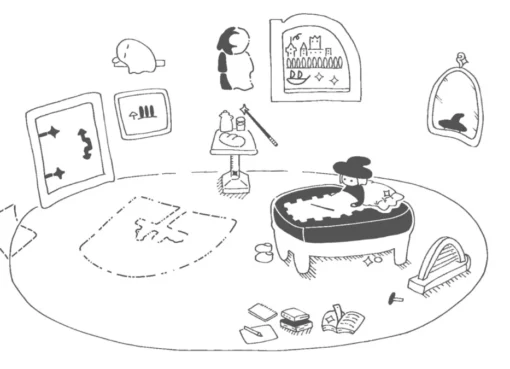
The game initially gained traction on itch.io, a platform renowned for hosting experimental and "wholesome" indie projects. During this phase, the developers focused on refining the "people-watching" mechanic. Early feedback emphasized the appeal of the game’s low-stress environment, leading the team to double down on the absence of timers and fail states. This period was crucial for establishing the game’s signature art style—a hand-drawn, minimalist aesthetic that allows the characters’ personalities to shine through despite the lack of voice acting.
Phase 2: Refinement and Expansion
As the scope of the project grew, the developers introduced more complex interactions. The transition from simple "find and click" to "find, assemble, and deliver" marked a significant evolution in the game’s design. This was when the seasonal structure was solidified, ensuring that players would have a sense of progression and variety.
Phase 3: The Steam Launch (April 7th)
The official launch on Steam on April 7th marked the culmination of the development cycle. The Steam version introduced a robust achievement system and integrated the "giant fridge" mechanic, which serves as a trophy room for players. This release brought Nippets to a wider audience, positioning it alongside other successful cozy titles like Hidden Folks and A Short Hike.
Supporting Data: Mechanics and Player Engagement
To understand why Nippets has resonated so strongly with the indie community, one must look at the specific data points of its mechanical design. The game succeeds by respecting the player’s time and curiosity.
The Logic of the Clue System
In Nippets, clicking on an item’s silhouette at the bottom of the screen provides a text-based clue. These clues are written from the perspective of the character in need. For example, a clue for a birdhouse plank might read: "I’m almost finished with this home for my feathered friends, but I’ve lost the base!" This contextualizes the search, turning a mechanical task into a narrative favor.
Multi-Part Objectives
The game frequently employs multi-part objectives. Data from player reviews suggests that these are the most rewarding aspects of the experience. Instead of finding one "sandcastle," the player must find the bucket, the spade, and the flags. This requires a deeper level of environmental scanning and encourages players to memorize the layout of the map, fostering a sense of familiarity with the digital space.
Interaction Density
The "interaction density" of Nippets is notably higher than the industry average for casual hidden object games. Many objects that are not on the checklist are still interactive. Players can:
- Adjust Picture Frames: Straightening crooked frames can lead to hidden achievements.
- Interact with Wildlife: Tapping on birds or squirrels triggers unique animations.
- Poke NPCs: Every person in the game has a reaction to being "poked," adding a layer of whimsical playfulness.
Official Responses: The Philosophy of "People Watching"
While the developers have maintained a modest profile, their design philosophy is evident in the game’s marketing and functional layout. The core inspiration, as stated in the game’s documentation, is the universal human habit of observing others.
The developers at Blink Industries have noted that they wanted to create a space where "the world feels alive even without the player’s intervention." In Nippets, characters are often seen engaged in their own activities—reading, chatting, or simply staring at the horizon—before the player even interacts with them. This "living world" approach is a direct response to the static nature of older hidden object games.
Furthermore, the decision to exclude a timer was a deliberate choice to support mental health and relaxation. In an official statement regarding the game’s design, the developers emphasized that "joy should not be a race." This sentiment has been echoed by the game’s primary reviewers, including noted indie journalist Jupiter Hadley, who praised the game for its ability to turn mundane observations into "small moments of magic."
Implications: The Future of Observational Gaming
The success of Nippets has several implications for the future of the indie gaming industry and the "wholesome" sub-genre.
1. The Rise of "Micro-Narratives"
Nippets proves that players do not need a 40-hour epic to feel emotionally connected to a game. By using "micro-stories," developers can create a sense of world-building through brevity. This suggests a growing market for games that can be enjoyed in short bursts—"snackable" content that still offers depth and resolution.
2. Gamifying Mindfulness
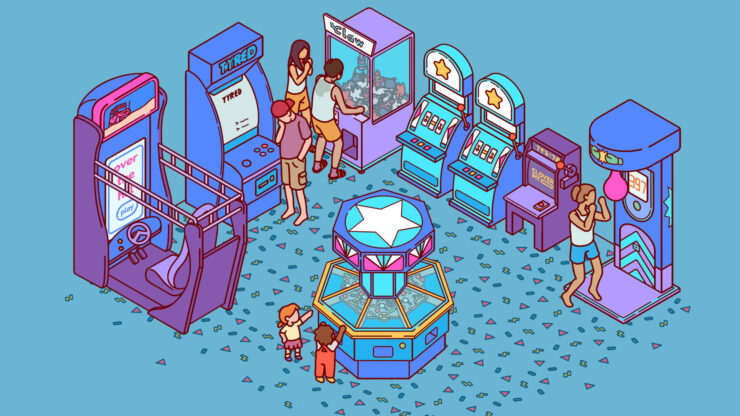
The game acts as a digital form of mindfulness. By requiring players to slow down and look closely at the details of a scene, it mirrors the effects of meditative practices. As the gaming audience ages and seeks out experiences that help mitigate real-world stress, we can expect to see more titles following the Nippets blueprint of observational, non-punitive gameplay.
3. Expansion of the "Cozy" Aesthetic
For a long time, "cozy" was synonymous with farming simulators like Stardew Valley. Nippets demonstrates that the cozy aesthetic can be successfully applied to the puzzle and hidden object genres. This expansion allows for more diversity in the market, appealing to players who may not enjoy resource management but still crave a gentle atmosphere.
4. The Importance of Polish in Small Packages
One of the most significant takeaways from Nippets is the value of "polish." From the way the UI interacts with the "fridge" achievement board to the seamless transitions between indoor and outdoor scenes, the game feels premium despite its small scale. This sets a high bar for other indie developers, proving that a simple concept, when executed with high attention to detail, can stand out in a crowded marketplace.
Conclusion
Nippets: A Hidden Object Game is a masterclass in minimalist storytelling and environmental design. By taking the simple premise of people-watching and infusing it with seasonal charm and interactive depth, Blink Industries and Vatnisse Interactive have created an experience that is both nostalgic and innovative. It serves as a reminder that in an increasingly fast-paced world, there is profound value in slowing down, looking closer, and helping a stranger find their lost birdhouse plank.
Whether you are a veteran of the hidden object genre or a newcomer looking for a peaceful escape, Nippets offers a world worth watching. The game is currently available for purchase on Steam and itch.io, inviting everyone to take a seat, observe, and discover the stories hidden in plain sight.

Leave a Comment