The Bio-Organic Gothic: Unpacking the Mercenary Horrors of ‘Fowl Scourge’

The indie gaming landscape has long been a fertile ground for subverting established tropes, particularly within the dark fantasy and Action RPG (ARPG) genres. Following in the atmospheric footsteps of titles like Darkest Dungeon and Bloodborne, a new contender has emerged from the shadows of the Canadian indie scene. Fowl Scourge, a title that blends high-octane combat with the grotesque realities of body horror and biological experimentation, is currently capturing the attention of genre enthusiasts.
First showcased to a wider audience at Game Con Canada, Fowl Scourge offers a grim, transactional take on the "Plague Doctor" archetype. Rather than a selfless healer, players step into the boots of a mercenary practitioner—a doctor driven not by the Hippocratic Oath, but by the pursuit of cold, hard currency in a world ravaged by a supernatural blight.
Main Facts: The Core Architecture of Fowl Scourge
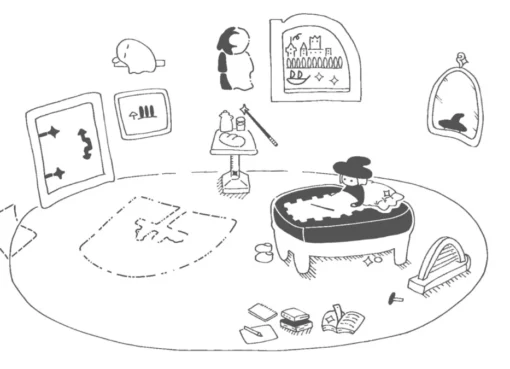
At its heart, Fowl Scourge is a mission-based Action RPG that utilizes a centralized hub-and-spoke gameplay loop. Players operate out of a cavernous tavern, a sanctuary that serves as both a mission board and a laboratory for self-inflicted evolution.
The game’s primary hook lies in its "Odd Job" system. Each day, the protagonist must descend into the depths to accept contracts involving the "strange creatures of death" that have infested the surrounding lands. These missions are not merely combat encounters; they are desperate forays into distinct, self-contained dungeons, each governed by its own ecological rules and resident horrors.
The most striking feature of Fowl Scourge, however, is its progression system. Eschewing traditional "leveling up" through experience points alone, the game introduces a visceral genetic modification mechanic. Players spend the gold earned from their grim work on surgeries that alter their own genetic makeup. This "Body Editing" allows for significant stat boosts and new abilities, but it comes with a thematic and mechanical caveat: the risk of debilitating side effects, mirroring the unpredictable nature of the plague itself.
Chronology: From Concept to Game Con Canada
The journey of Fowl Scourge has been one of steady, atmospheric building. While the indie developer behind the project has maintained a focused production schedule, the game’s public profile reached a turning point with the release of its Steam page and subsequent demo availability.
- Initial Reveal and Steam Listing: The game first appeared on digital storefronts with a cryptic trailer highlighting its dark, oppressive atmosphere and the unique movement patterns of its enemies. It immediately drew comparisons to "Grimdark" titles but stood out due to its focus on biological horror over traditional spectral fantasy.
- The Game Con Canada Debut: The most significant milestone in the game’s recent history was its presence at Game Con Canada. This event provided the first hands-on opportunity for the public and critics alike. The demo featured at the convention focused on the early-game loop: taking a contract, navigating a dungeon, and experiencing the first taste of the "Surgery" mechanic.
- Current Status: As of mid-2024, Fowl Scourge remains in active development. While a definitive release date has yet to be announced, the developers have been utilizing player feedback from the Canada-based expo to refine the balance between the "body horror" debuffs and the combat rewards.
Supporting Data: Mechanics of the Scourge
To understand the depth of Fowl Scourge, one must look at the specific data points of its gameplay design, particularly the bestiary and the surgical economy.
The Bestiary: A Study in Biological Abnormality
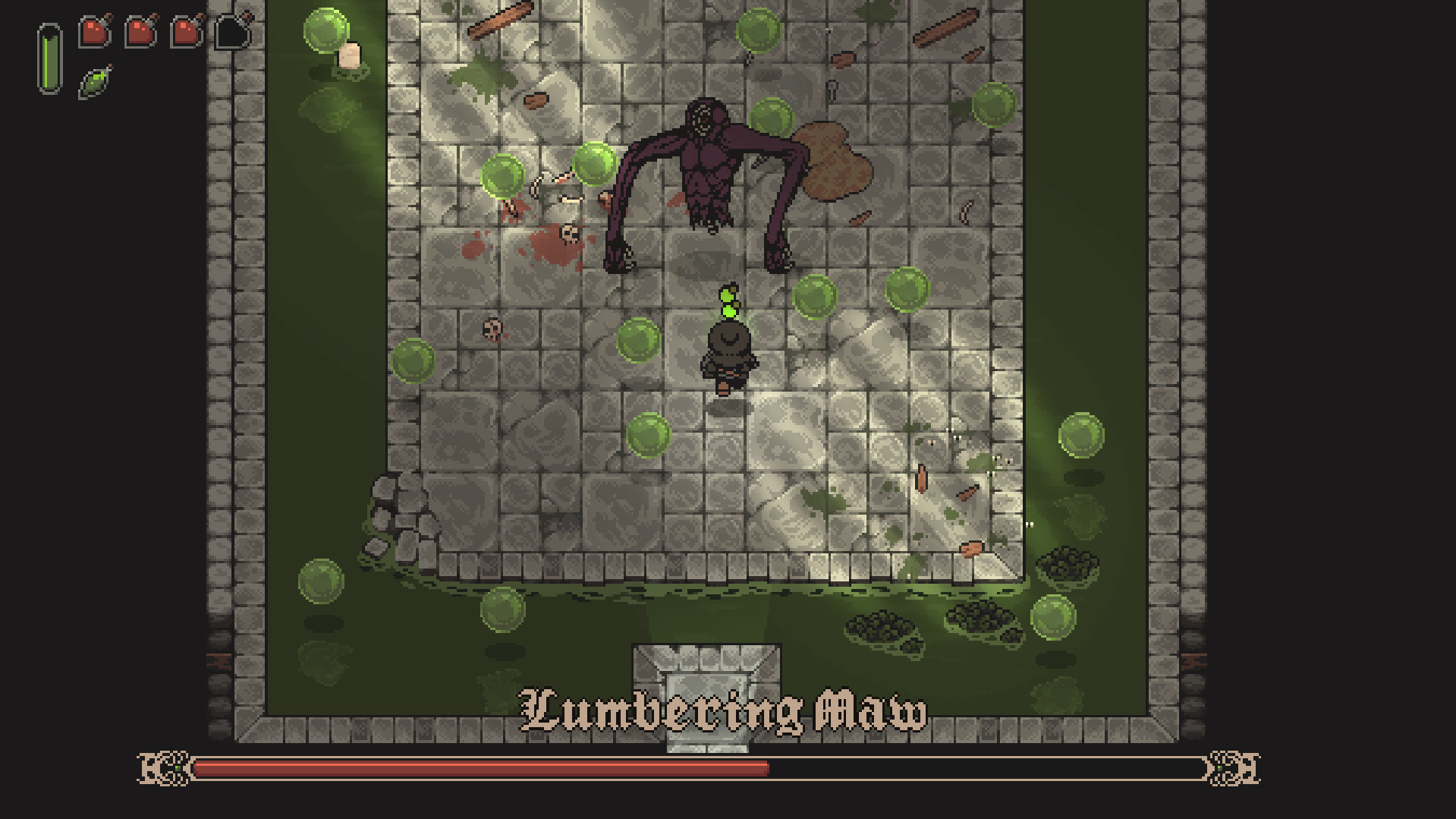
The variety of enemies in Fowl Scourge is designed to challenge the player’s spatial awareness and reaction times. Reports from the demo highlight several distinct classes of "Plague Creatures":
- Limbless Crawlers: Monsters that lack traditional locomotion, requiring players to time attacks based on erratic, serpentine lunges.
- Gelatinous Bouncers: Jelly-like organisms that utilize the dungeon environment to gain momentum, turning the levels into lethal pinball machines.
- Environmental Puzzles: Unlike many ARPGs where combat and movement are separate, Fowl Scourge integrates the two. Players often find that the way they move—enhanced or restricted by their genetic modifications—is the key to solving environmental hazards within the dungeons.
The Surgical Economy
The "Tavern" acts as the game’s central nervous system. Here, the financial data of the game becomes apparent. Every "Odd Job" has a risk-to-reward ratio. A high-paying contract might involve a creature that requires the player to have enhanced lung capacity or reinforced bone density.
However, the cost of these surgeries is not just monetary. The "Bad Effects" mentioned by early players include reduced movement speed, visual distortions, or increased vulnerability to certain elemental types. This creates a strategic layer where the player must decide if the strength gained to kill a specific boss is worth the permanent or semi-permanent handicap it might leave behind.
Official Responses: Developer Philosophy
While formal press releases have been sparse, interactions during Game Con Canada have shed light on the developer’s vision. According to insights gathered from the booth, the goal of Fowl Scourge is to create a sense of "uncomfortable empowerment."
"The Plague Doctor isn’t a hero," one developer noted during a demo walkthrough. "They are a survivor who is willing to become a monster to kill a monster. We wanted the player to feel that every time they ‘upgraded’ their character, they were losing a bit of their humanity to the very scourge they are fighting."
The developers have also addressed the difficulty curve, stating that the game is intended to be challenging but fair. The "puzzles related to movement" are designed to ensure that players cannot simply "stat-check" their way through bosses. Even the most genetically advanced doctor can be undone by a failure to read an enemy’s telegraphing or a failure to account for their own self-inflicted biological weaknesses.
Implications: The Rise of "Grim-Bio" RPGs
The emergence of Fowl Scourge signals a broader trend in the RPG market—a shift away from high fantasy and toward what some critics are calling "Grim-Bio" or "Body Horror Noir."
The Evolution of the Hub-Based RPG
For years, the "Tavern" in RPGs was a place of rest and safety. Fowl Scourge joins a growing list of titles that transform the safe zone into a place of tension. By making the hub the location where players undergo risky surgeries, the game ensures that the tension of the dungeon follows the player back to town. There is no true "safety," only preparation for the next descent.
Market Positioning
In a crowded indie market, Fowl Scourge occupies a unique niche. It appeals to the Souls-like crowd through its difficult combat and atmospheric world-building, but it also hooks fans of management and simulation games through its genetic modification systems. The implication for future indie titles is clear: mechanical "weirdness" and a strong, cohesive aesthetic are essential for standing out.
The Importance of the "Money-Driven" Protagonist
By framing the game around "making money" rather than "saving the world," Fowl Scourge grounds its horror in a relatable, if cynical, reality. This narrative choice allows for a more flexible moral playground. Players aren’t making choices based on what is "good," but on what is "profitable" and "survivable." This alignment of narrative motivation and gameplay progression (using money to buy power) creates a tight, addictive loop that is likely to resonate with long-term RPG players.
Conclusion: A Scourge Worth Watching
Fowl Scourge is shaping up to be more than just another entry in the saturated ARPG market. Through its commitment to a grotesque, biological upgrade system and its emphasis on movement-based puzzles, it offers a fresh perspective on the dark fantasy genre.
As the game moves toward its eventual release, the focus will remain on how the developers balance the "Bad Effects" of surgery with the thrill of the hunt. For those who enjoyed the demo at Game Con Canada, the game represents a promising, albeit disturbing, evolution of the indie RPG. For everyone else, it is a title that demands a spot on the Steam wishlist—if only to see how far the Plague Doctor is willing to go in the name of profit.