
Warhammer 40,000 11th Edition: A Deep Dive into Week Two Reveals and Strategic Shifts
Welcome back to our comprehensive weekly analysis of the unfolding landscape of Warhammer 40,000’s 11th Edition. As Games Workshop continues its highly anticipated "Faction Focus" reveals, the second week has delivered a wealth of information, offering tantalizing glimpses into the core rules and the underlying design philosophy guiding the next iteration of this venerable tabletop wargame. From innovative Detachment structures to critical core rule adjustments, these previews are not merely showcasing new mechanics; they are painting a vivid picture of the strategic evolution awaiting players. The excitement is palpable, building steadily towards what promises to be a monumental launch.
For those eager to catch up on the foundational revelations, our previous coverage remains accessible, providing a crucial context for understanding the current week’s developments. With the current pace of these daily reveals, it is projected that a dedicated Faction Focus will have been unveiled for every major faction by early June. This ongoing recap series aims to serve as your definitive guide, distilling the officially released information, extrapolating its potential impact, and presenting it in a concise, yet thorough, manner. With this prelude setting the stage, let us delve into the pivotal announcements that defined this past week.
The Evolving Meta: Key Faction Focuses and Core Rule Updates
Sisters of Battle Showcase Nuanced Detachment Styles
Main Facts:
The Adeptus Sororitas, universally known as the Sisters of Battle, spearheaded this week’s faction reveals. Known for their unwavering zeal and a remarkably deep model range, particularly in the realm of unique Characters, the Sisters’ identity in 11th Edition appears to lean heavily into thematic combinations of these storied saintly figures. A significant revelation for the faction is the confirmation that many of their new Detachments will cost a mere 1 Detachment Point (DP). This affordability suggests a high degree of flexibility in army construction, allowing players to either stack multiple thematic Detachments or combine a 1DP option with a more comprehensive Codex Detachment, which are generally anticipated to cost 2-3DP. However, one specific Detachment, "Bringers of Flame," has been explicitly highlighted as costing 2DP, signaling its potentially more powerful or specialized nature.
Chronology & Supporting Data:
The announcement regarding the Sisters of Battle’s Detachments came early in the week’s reveal cycle, setting a precedent for how other factions might also see their specialized sub-factions or combat doctrines represented. The 1DP cost for most of their new Detachments is a direct response to the new Detachment Point system, aiming to encourage diverse list building. The "Bringers of Flame" at 2DP indicates a tiered approach to Detachment power and cost, where more impactful or synergistic options come at a higher price. While specific names for the 1DP Detachments beyond the 2DP "Bringers of Flame" were not detailed in the original source, the emphasis on character-driven, thematic combinations strongly implies a focus on specific saintly retinues or combat roles.
Official Responses & Implications:
Games Workshop’s intent here appears to be twofold: to allow Sisters players greater customization and to reflect the rich lore of the Adeptus Sororitas through distinct, yet combinable, battlefield roles. The low cost of 1DP Detachments empowers players to tailor their forces with surgical precision, perhaps fielding a small, elite character-focused contingent alongside a more generalist combat force. The "Bringers of Flame" Detachment, with its higher 2DP cost, likely offers more potent or widespread benefits, making it a cornerstone for certain army archetypes. This system could foster a dynamic meta for Sisters, moving away from monolithic builds towards more specialized and adaptable forces that leverage their extensive character roster. The potential to mix and match these smaller, focused Detachments with larger, broader Codex Detachments opens up exciting new list-building avenues, encouraging experimentation and rewarding players who delve into the faction’s deep thematic well.
Detachment Tags: A New Layer of Balance and Diversity
Main Facts:
A pervasive element observed across many of the newly revealed Detachments is the inclusion of a "tag" at their conclusion. This tag serves a crucial balancing function: it explicitly forbids players from combining a Detachment with another that shares the same tag. While no two Detachments sharing a tag have been showcased in a single article thus far, the existence of this mechanic suggests a widespread application within 11th Edition. This mechanism is clearly intended as a potent design lever for Games Workshop.
Chronology & Supporting Data:
The revelation of Detachment Tags emerged as a recurring theme throughout the week’s previews, appearing across multiple faction spotlights. This consistent application underscores its importance as a core balancing principle for 11th Edition. The example cited, though hypothetical in its combination, involves the Astra Militarum’s "Recon Element" and "Designation Force," which are speculated to key off similar units. The designers’ concern is that allowing players to take both could grant an excessive cumulative benefit to units already favored in existing "skew lists."
Official Responses & Implications:
This system represents a direct and proactive measure by the developers to control for potential "skew lists" – armies that exploit specific rules interactions to create overly dominant and often un-fun play experiences. By preventing the stacking of synergistic Detachments that might benefit the same core units, Games Workshop aims to foster greater diversity in army construction. The underlying philosophy is clear: the Detachment Point system is designed to encourage more varied army lists, not fewer. This means that existing, highly specialized forces might need to incorporate elements from other parts of their faction’s roster to fully leverage the new system’s benefits. Players can expect to be challenged to build more well-rounded armies, strategically selecting Detachments that complement each other without creating unintended overpowered synergies. This move promises a healthier, more diverse competitive landscape, pushing players to think beyond simply maximizing a single unit type or strategy.
World Eaters Go Elite with Expanded Options
Main Facts:
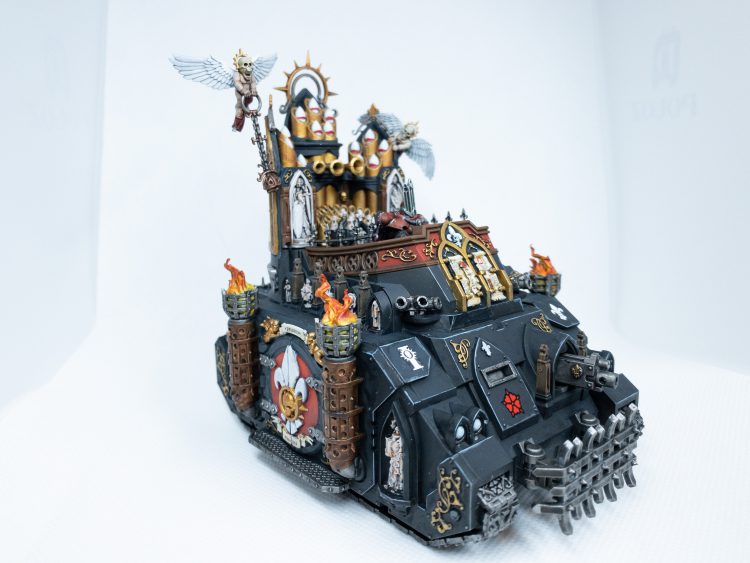
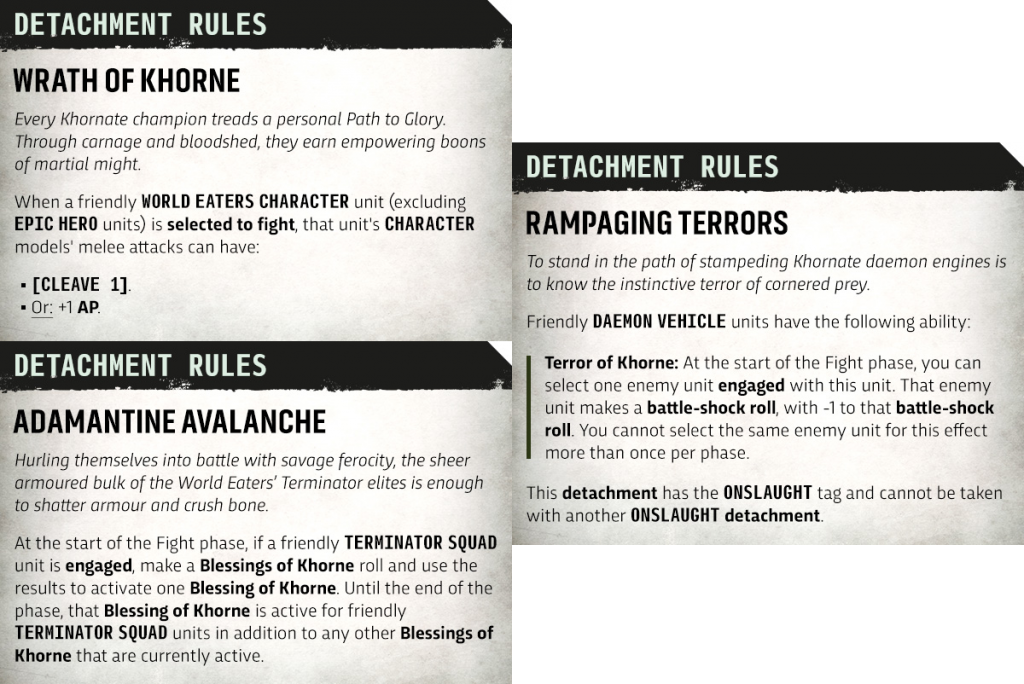
The World Eaters, notorious for their berserk charges, have been a distinctive presence in 10th Edition. While rarely considered a weak army, their competitive play has been largely dominated by a singular Detachment: the "Berserker Warband." The 11th Edition reveals for this faction aim to address this monolithic trend by introducing new 1DP Detachments. These options are designed to provide generalist World Eaters lists with more strategic directions and specific centerpieces around which to build their forces.
Chronology & Supporting Data:
The World Eaters’ reveal highlighted the dominance of "Berserker Warband" in 10th Edition, setting the stage for the introduction of more varied choices in 11th. The new 1DP Detachments are specifically geared towards offering alternative playstyles. While the specific names of these 1DP options were not detailed in the original source, the article does mention the potential for powerful combinations like "Blood Cult + Vessels of Wrath" to create incredibly resilient and lethal units, such as "the world’s killiest Slaughterbound with 20 ablative wounds." The noncommittal language regarding the DP cost of existing Detachments (2DP vs. 3DP) leads to the inference that most armies will retain at least one option priced at the full 3DP, and for World Eaters, this choice is almost certainly the "Berserker Warband."
Official Responses & Implications:
The introduction of diverse 1DP Detachments for World Eaters signals Games Workshop’s intention to break the "Berserker Warband" monopoly and encourage broader exploration of the faction’s potential. By providing more specialized, yet affordable, Detachments, players can now build armies that focus on different aspects of the World Eaters’ brutal combat style, such as enhanced resilience for key units or different offensive priorities. The ability to combine Detachments like "Blood Cult" and "Vessels of Wrath" to create exceptionally tough units suggests a shift towards rewarding synergistic choices, potentially making elite, durable units a more viable core strategy. The more interesting question, and a significant implication, is whether these new options will truly elevate non-Berserker Warband Detachments into competitive viability, fostering a more varied and less predictable World Eaters meta. This move could empower players to experiment with new tactical approaches, moving beyond the singular, often predictable, Berserker rush.
T’au Control the Shooting Phase with "Hidden" Mechanics
Main Facts:
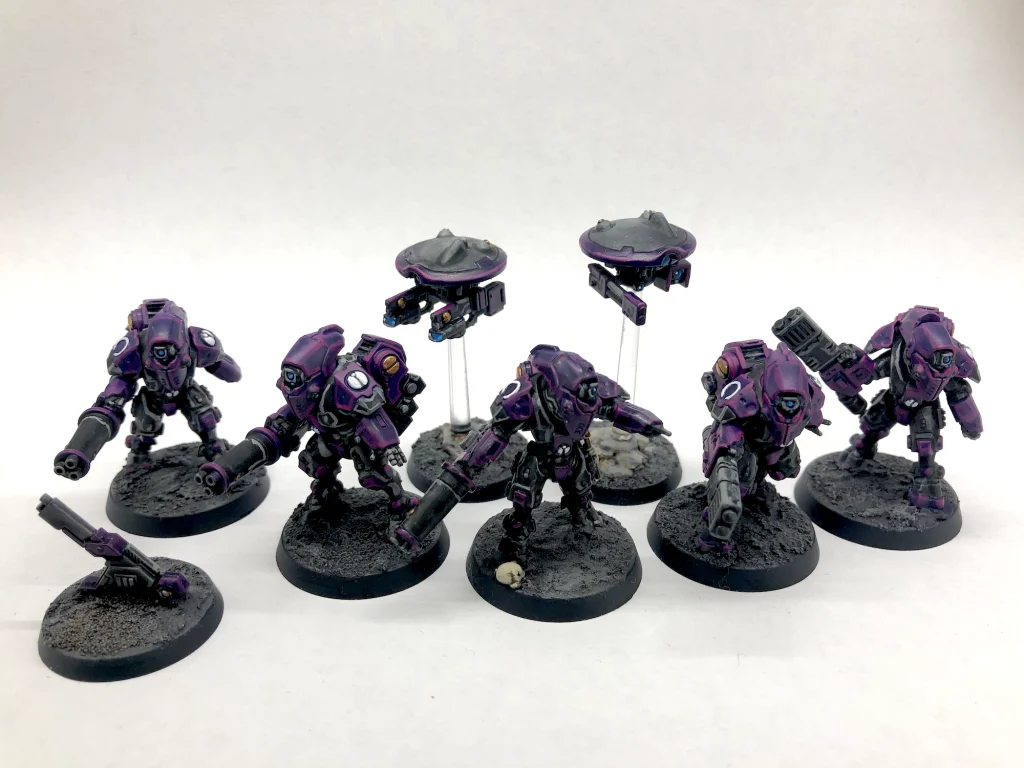
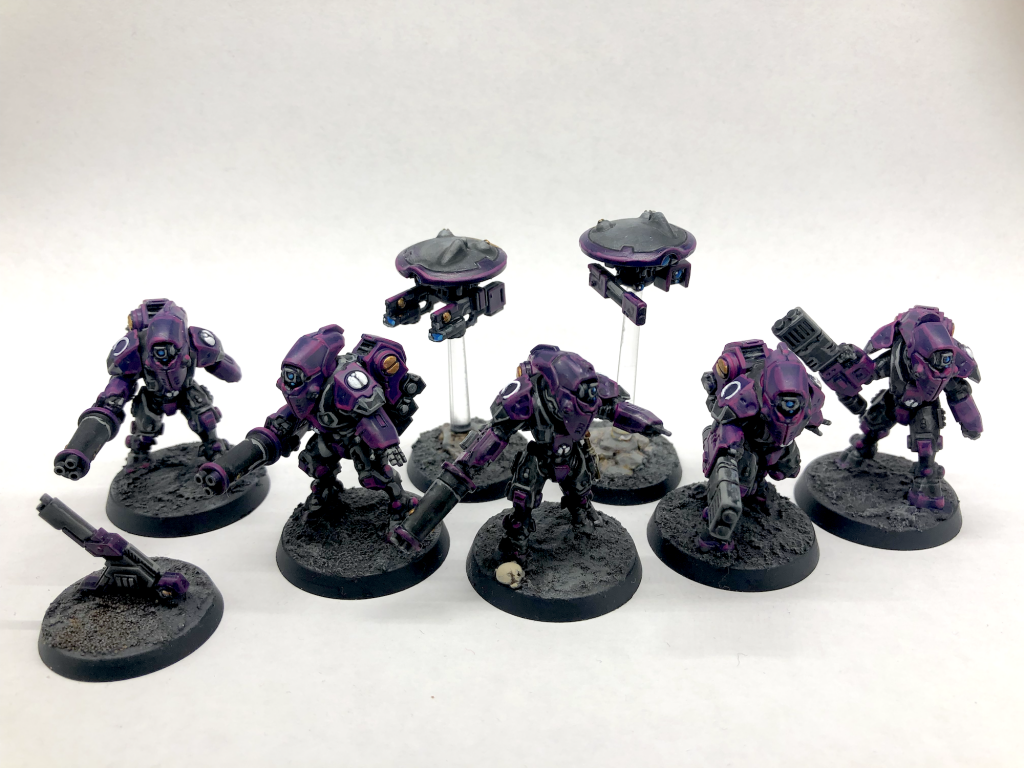
The T’au Empire’s reveals for the week firmly established their mastery over the shooting phase, introducing a powerful new rule dubbed "Hidden." This rule grants INFANTRY, BEAST, or SWARM units a functional 15-inch Lone Operative ability, provided they have not yet shot and are positioned within a Terrain Area (footprint). This mechanic is poised to be particularly devastating for armies that rely heavily on long-range firepower, an archetype that the T’au themselves embody.
Chronology & Supporting Data:
The "Hidden" rule was unveiled as a central tenet of the T’au’s 11th Edition capabilities. The rule’s specific conditions—unfired, within a Terrain Area, and affecting specific unit types—are critical. It explicitly states that it functions only while in a Terrain Area, not simply while receiving the Benefit of Cover. This distinction means units must physically occupy the designated terrain footprint to gain the benefit. Examples given for units that would greatly benefit include Pathfinders and Stealth Suits, both core elements of T’au reconnaissance and forward deployment.
Official Responses & Implications:
The "Hidden" rule represents a significant strategic buff for the T’au, enhancing their inherent strength in the shooting phase by making key units incredibly difficult to target. Games Workshop appears to be leaning into the T’au’s guerilla warfare and precise targeting capabilities. The specific requirement of being within a Terrain Area means players will need to be tactically astute with their unit placement, potentially leading to more dynamic board control and objective play. While the initial assessment suggests that giving units with existing Stealth abilities an additional "Lone Operative" effect might seem redundant ("putting a hat on a hat"), the true power lies in rendering these units effectively untouchable from range until they engage. If 11th Edition’s Force Dispositions heavily reward action and objective-oriented play, then having truly unassailable teams of Pathfinders and Stealth Suits could make the T’au a frustratingly resilient and potent faction. This mechanic forces opponents to either dedicate resources to close-range engagement or endure a constant hail of fire from elusive targets, significantly shifting the tactical landscape against long-range focused armies.
Custodes Keep Their Precious Relics
Main Facts:
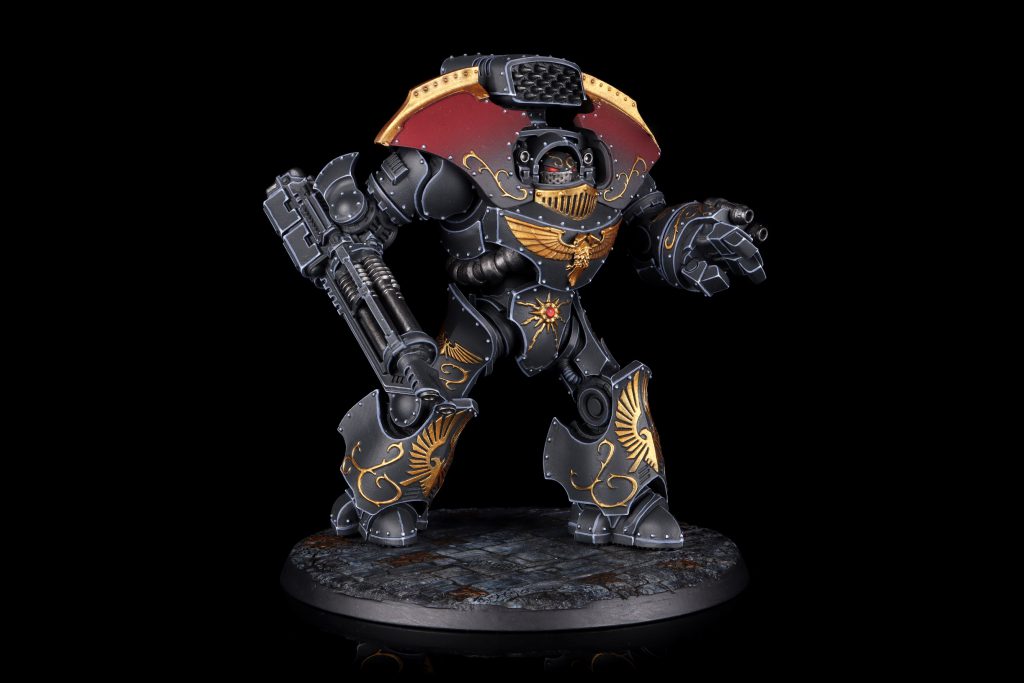
The specter of "squatting"—the removal of models from competitive play—has loomed large over the Adeptus Custodes, a faction whose model range historically includes many kits shared with the Horus Heresy game system. Following the culling of ‘Relic’ models from numerous armies at the outset of 10th Edition, Custodes players have been understandably apprehensive about their faction’s future in 11th. The good news has arrived: Custodes players are, at a bare minimum, retaining their newer plastic Dreadnoughts.
Chronology & Supporting Data:
The confirmation that certain Custodes units will remain legal in 11th Edition came as a significant relief. Specifically, the Telemon Heavy Dreadnought was mentioned by name in the "March of the Moritoi" overview, unequivocally clearing it for continued use. This precedent suggests that other refreshed Custodes units, such as the Venatari and Coronus, are highly likely to also return, given they represent relatively recent plastic additions to the range stemming from their Horus Heresy refresh. This announcement contrasts sharply with the widespread ‘squatting’ that affected many other factions’ older or specialist units in previous edition changes.
Official Responses & Implications:
Games Workshop’s decision to retain the newer plastic Horus Heresy-era Custodes models in Warhammer 40,000 provides much-needed assurance to players and signals a selective approach to unit culling. This implies that units that have seen recent plastic updates and are integral to the faction’s identity are likely safe. The designers’ explicit mention of the Telemon offers a strong guarantee for its continued legality. However, caution remains advised for older or resin-based ‘Relic’ units like the Aquilon Terminators. While Custodes have historically received special exceptions regarding their Horus Heresy arsenal, it would not be unreasonable to anticipate some unit culling at the start of 11th Edition, not just for Custodes but for other armies, echoing past edition launches. This nuanced approach suggests a desire to modernize the game while preserving popular and recently updated models. For Custodes players, this means they can confidently invest in or continue using their prized plastic Dreadnoughts, while remaining vigilant about the fate of their older, more niche, units.
More Core Rule Reveals Signal Deeper Strategic Shifts
Main Facts:
Beyond the faction-specific spotlights, this week also brought crucial insights into fundamental shifts within the core rules of 11th Edition. These changes, though sometimes subtle, promise to have far-reaching implications for overall gameplay, deployment strategies, and unit effectiveness across all armies.
Chronology & Supporting Data:
Key core rule revelations gleaned from official previews and supplementary materials include:
- Strategic Reserves and Deep Strike: These crucial deployment mechanics will now be available from Turn 1. This is a significant departure from 10th Edition, where they were often restricted until Turn 2.
- Psychic Weapons: A monumental change sees psychic weapons no longer ignoring Invulnerable Saves. This directly impacts the resilience of many units against psychic attacks.
- Healing Mechanics: A new restriction limits healing to "no more than once per phase" and "no more than the unit’s starting wounds." This prevents egregious healing loops and makes units more vulnerable over sustained engagements.
- Hazardous Weapons: While still risky, it is now possible to re-roll the check for Hazardous weapons, offering a slight mitigation to their inherent danger.
- Leadership/Battle-shock: While not fully detailed, discussions imply refinements to these systems, suggesting they will continue to play a role in unit performance and morale.
Official Responses & Implications:
The core rule changes signal a clear intent from Games Workshop to refine tactical play and streamline certain interactions. Allowing Strategic Reserves and Deep Strike from Turn 1 opens up a plethora of aggressive alpha-strike strategies and flexible deployment options, forcing players to be more vigilant about their initial board setup. The nerf to Psychic weapons, by preventing them from ignoring Invulnerable Saves, is a massive rebalancing act. It significantly enhances the value of Invulnerable Saves against psychic attacks, potentially reining in the dominance of certain psychic-heavy factions and making resilient units even tougher to shift. The limitations on healing are a welcome change for many, preventing the frustrating scenario of units being almost impossible to remove due to continuous regeneration. This promotes a more decisive combat phase where damage dealt has a more lasting impact. The ability to re-roll Hazardous checks adds a layer of calculated risk, making powerful but dangerous weapons slightly more manageable. Collectively, these core rule adjustments point towards a more tactical, less forgiving game where strategic positioning, resource management, and understanding unit vulnerabilities will be paramount.
The Reach of the Death Guard Increases, Addressing Past Weaknesses
Main Facts:
The pervasive malaise associated with Nurgle’s Faithful, the Death Guard, reached a competitive peak in the middle third of 10th Edition. For 11th Edition, the showcased reveals aim directly at addressing the faction’s primary weakness: speed. While receiving new tools to mitigate this, the Death Guard also stand as one of the strongest beneficiaries of retaining their current codex rules, as their fundamentals are robust. Even with potential nerfs, their core strength remains, making points adjustments the primary determinant of their competitive standing.
Chronology & Supporting Data:
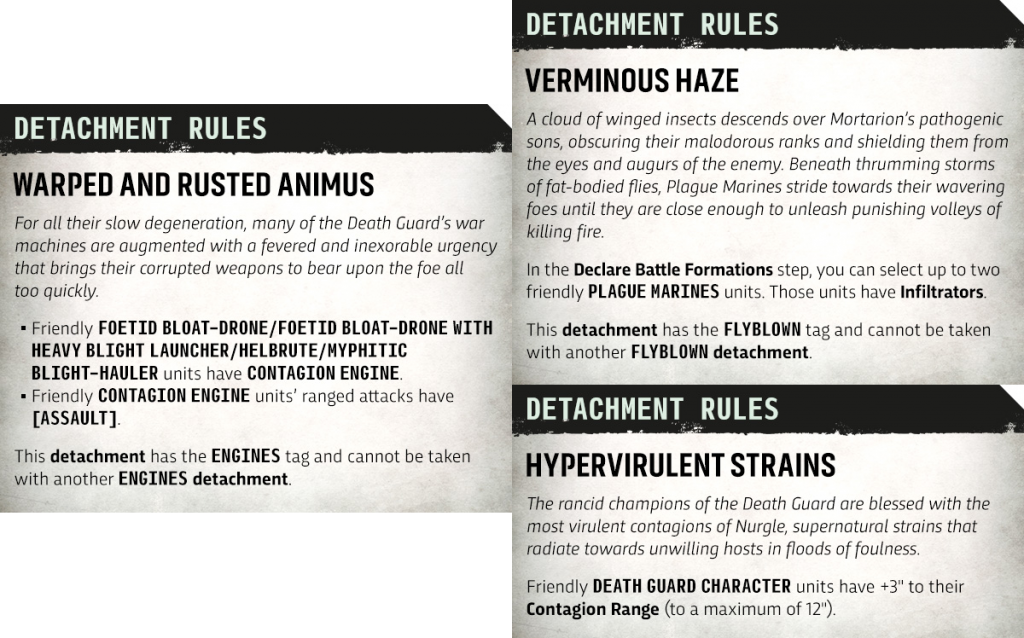
The Death Guard’s Faction Focus highlighted efforts to grant them greater board presence and threat projection despite their inherent slowness. The article explicitly mentions "Paragons & Flyblown Host" as 1DP Detachments, which, when combined, are designed to solve many of the army’s movement and threat range issues. Another 1DP option, "Contagion Engines," while perhaps less exciting, offers solid utility for units like Foetid Bloat-Drones, allowing them to trade effectively. Crucially, the concept of "Infiltrating Plague Marines for 1DP" stands out as a powerful new ability, enabling immediate pressure on the opponent.
Official Responses & Implications:
Games Workshop’s strategy for Death Guard in 11th Edition seems to be one of targeted enhancement. Rather than a complete overhaul, they are augmenting the faction’s existing strengths while directly addressing its historical Achilles’ heel. The synergy between "Paragons & Flyblown Host" is particularly exciting, suggesting a path for Death Guard to exert pressure earlier and more effectively across the board. The ability to Infiltrate Plague Marines for a mere 1DP is a game-changer, forcing opponents to contend with durable, objective-holding threats in their deployment zone from Turn 1. This dramatically alters the Death Guard’s early game, transforming them from a slow, grinding advance into a faction capable of immediate strategic impact. While "Contagion Engines" might be seen as a more utilitarian choice, its capacity to improve the trade potential of key units like Foetid Bloat-Drones ensures that even supplemental Detachments contribute meaningfully. The implications are clear: Death Guard are poised to be a highly competitive faction in 11th Edition, leveraging their innate resilience and now enhanced tactical reach to become a truly formidable force on the tabletop.
Clarifications Arrive from the Unexpected FAQ Stream
Main Facts:
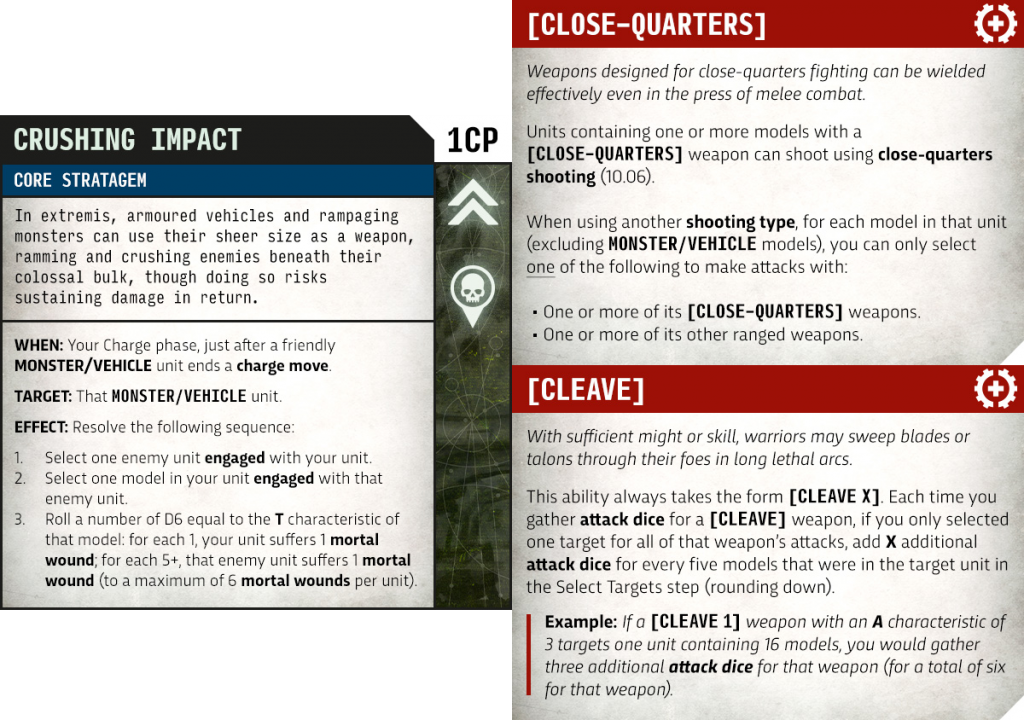
In a welcome, albeit unexpected, development, Warhammer Community hosted an FAQ Stream this past Friday. This session served as a crucial platform for addressing a multitude of player-submitted questions, providing invaluable insight into the finer details of the impending 11th Edition changes. While presented in a "shotgun approach" and without the literal text of the rules, the stream offered significant clarifications on impactful areas such as Psychic abilities, Hazardous weapons, and healing mechanics.
Chronology & Supporting Data:
The FAQ Stream followed the initial week of Faction Focus reveals, acting as a direct response to player queries and concerns generated by the previews. Key insights, as previously mentioned under the "Core Rule Reveals," included:
- Psychic weapons no longer ignoring Invulnerable Saves: A definitive confirmation of this critical change.
- Healing limitations: The "once per phase" and "max starting wounds" rules were reiterated.
- Hazardous checks: The possibility of re-rolls, while still carrying risk, was confirmed.
- Strategic Reserves/Deep Strike from Turn 1: This crucial deployment flexibility was clarified.
- Further discussions touched upon nuances in Leadership/Battle-shock, character enhancements, and the general philosophy behind the new Detachment Point system.
Official Responses & Implications:
The FAQ Stream represents Games Workshop’s commitment to transparency and community engagement during this critical reveal period. While the lack of literal rule text means these insights should still be taken with a degree of caution, the clarifications provided have brought much of the 11th Edition’s systemic philosophy into sharper focus. The confirmation of changes to psychic weapons and healing mechanics, in particular, reinforces the direction towards a more balanced and tactically driven game. Players now have a clearer understanding of how these fundamental mechanics will operate, allowing them to begin theory-crafting and adapting their strategies. This proactive communication helps manage expectations and provides players with actionable information, preparing them for the shifts in gameplay and list construction that 11th Edition will undoubtedly bring.
Final Thoughts: A Vision of Tactical Engagements
Following the flurry of Faction Focuses and the elucidating FAQ Stream, the overarching systems and philosophical underpinnings of 11th Edition are beginning to crystallize. There is a discernible emphasis on increased visibility, the critical importance of proper target selection, and the promotion of tactically engaging skirmishes. Concurrently, much of the finickiness and overly reactive elements that characterized previous editions appear to be refined or removed, aiming for a smoother, more intuitive gameplay experience.
The train has undeniably left the station, carrying with it the surging hype for 11th Edition. Next week’s reveals promise to continue this exciting trajectory, commencing with the Faction Focuses for both Imperial Knights and Chaos Knights—always a contentious and highly anticipated topic at the outset of a new edition. Expect another comprehensive review of all revealed information this coming Saturday, meticulously compiled from the myriad sources including WarCom articles, developer videos, and social media announcements. We remain dedicated to consolidating these diverse revelations into a single, accessible resource for your convenience.
Have any questions or feedback? Drop us a note in the comments below or email us at [email protected]. Want articles like this linked in your inbox every Monday morning? Sign up for our newsletter. And don’t forget that you can support us on Patreon for backer rewards like early video content, Administratum access, an ad-free experience on our website, and subscriber-only content covering competitive Warhammer 40K!


Leave a Comment