
Shadows of the Great Depression: Nicolas Cage and the Evolution of Spider-Noir
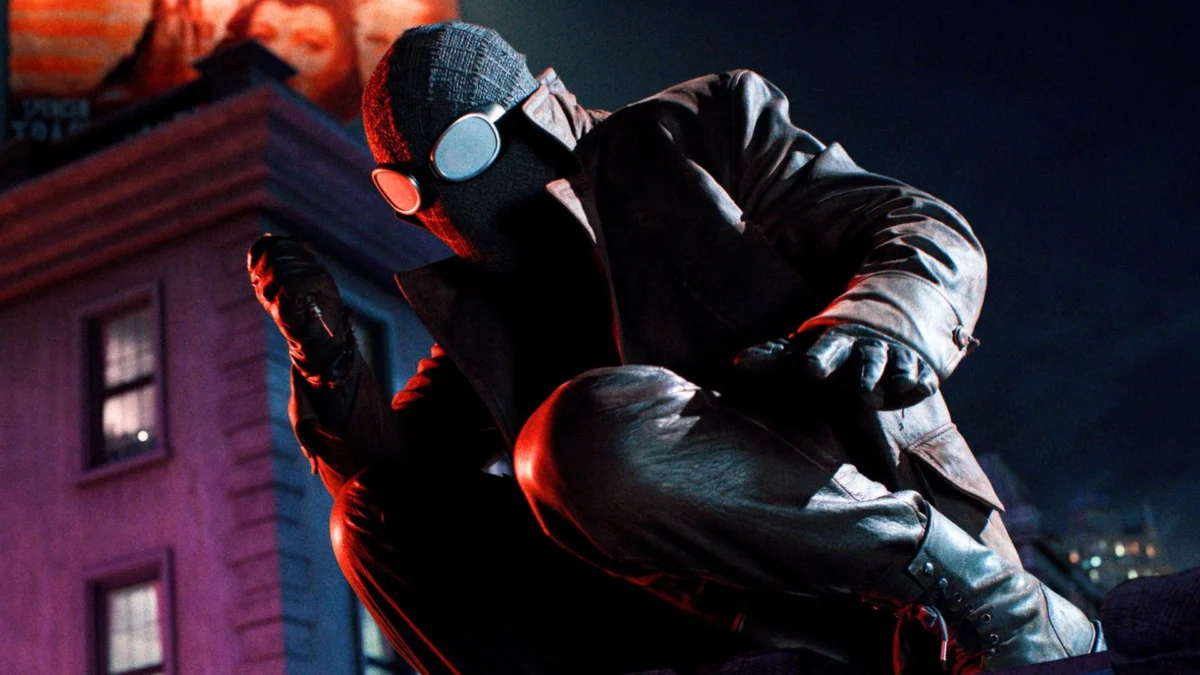
The landscape of superhero television is poised for a seismic shift as Prime Video and MGM+ prepare to launch Spider-Noir, a live-action series that reimagines one of Marvel’s most stylistic iterations of the wall-crawler. While the character of Spider-Man Noir first captured mainstream attention through the voice of Nicolas Cage in the 2018 animated masterpiece Spider-Man: Into the Spider-Verse, the upcoming series represents a radical departure from established lore. In a move that has sparked intense discussion among the comic book faithful, the series will eschew the traditional Peter Parker identity in favor of Ben Reilly, a name steeped in complex comic history.
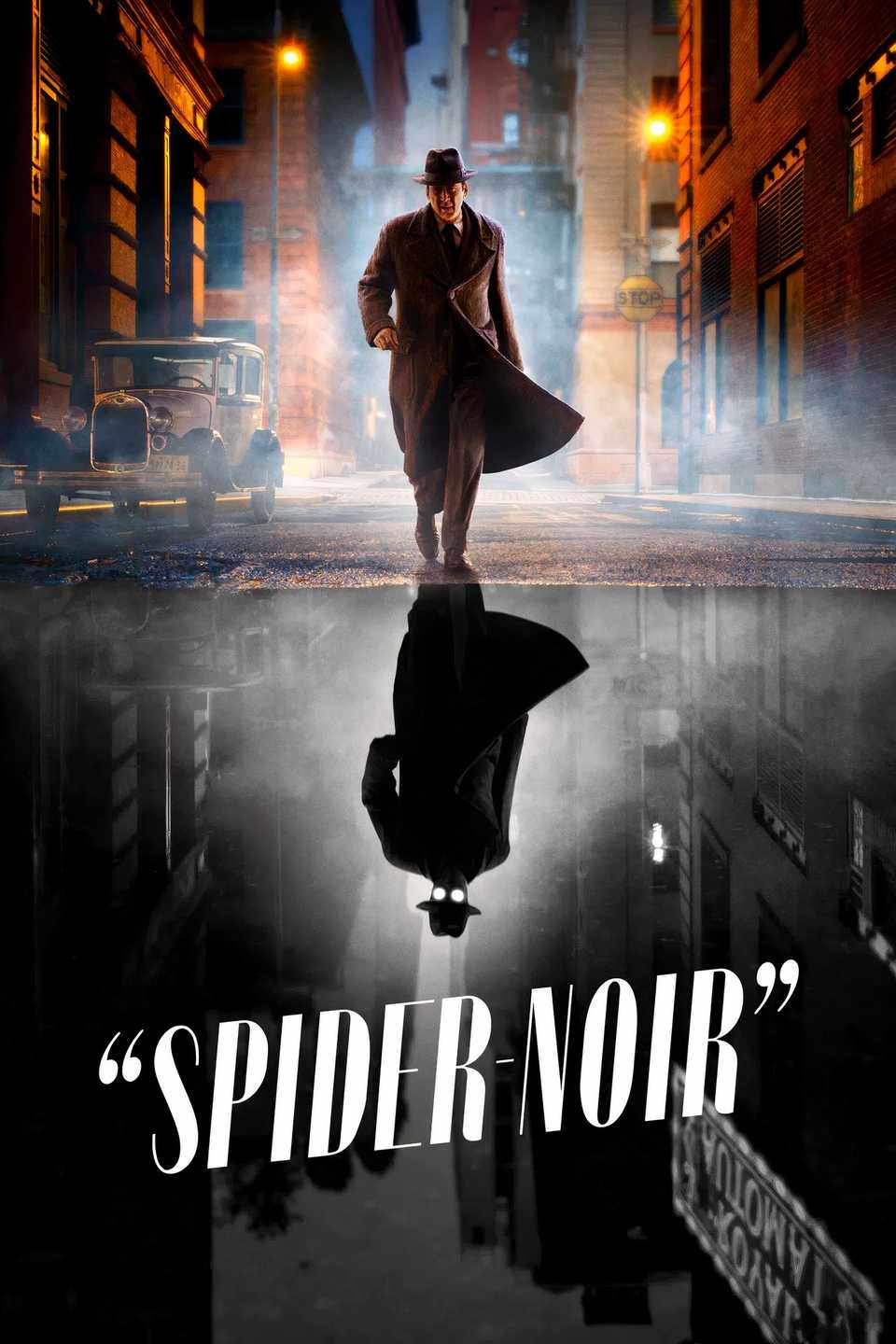
Set against the gritty, monochrome backdrop of 1930s New York City, Spider-Noir aims to blend the tropes of hardboiled detective fiction with the heightened stakes of the superhero genre. With an eight-episode order and a release date set for May 27, 2026, the project signifies a major investment by Amazon and Sony into the "Sony’s Spider-Man Universe" (SSU) on the small screen.
Main Facts: A Bold Reinterpretation of a Fan Favorite
The most significant revelation regarding the series is the decision to center the narrative on Ben Reilly rather than Peter Parker. In the original Marvel Noir comics (launched in 2009 by David Hine and Fabrice Sapolsky), the protagonist was a Great Depression-era version of Peter Parker who gained his powers from a spider-god idol while investigating a smuggling ring. However, showrunners Oren Uziel and Steve Lightfoot have opted for a different path to grant the series a distinct identity.
The series is not a direct spin-off of the animated Spider-Verse films, despite the return of Nicolas Cage. Instead, it is a standalone iteration. By utilizing the name Ben Reilly—traditionally known in the comics as a clone of Peter Parker—the writers are intentionally distancing this version from the "coming-of-age" tropes usually associated with Spider-Man. This version of the hero is older, more cynical, and deeply entrenched in the moral ambiguities of the noir genre.
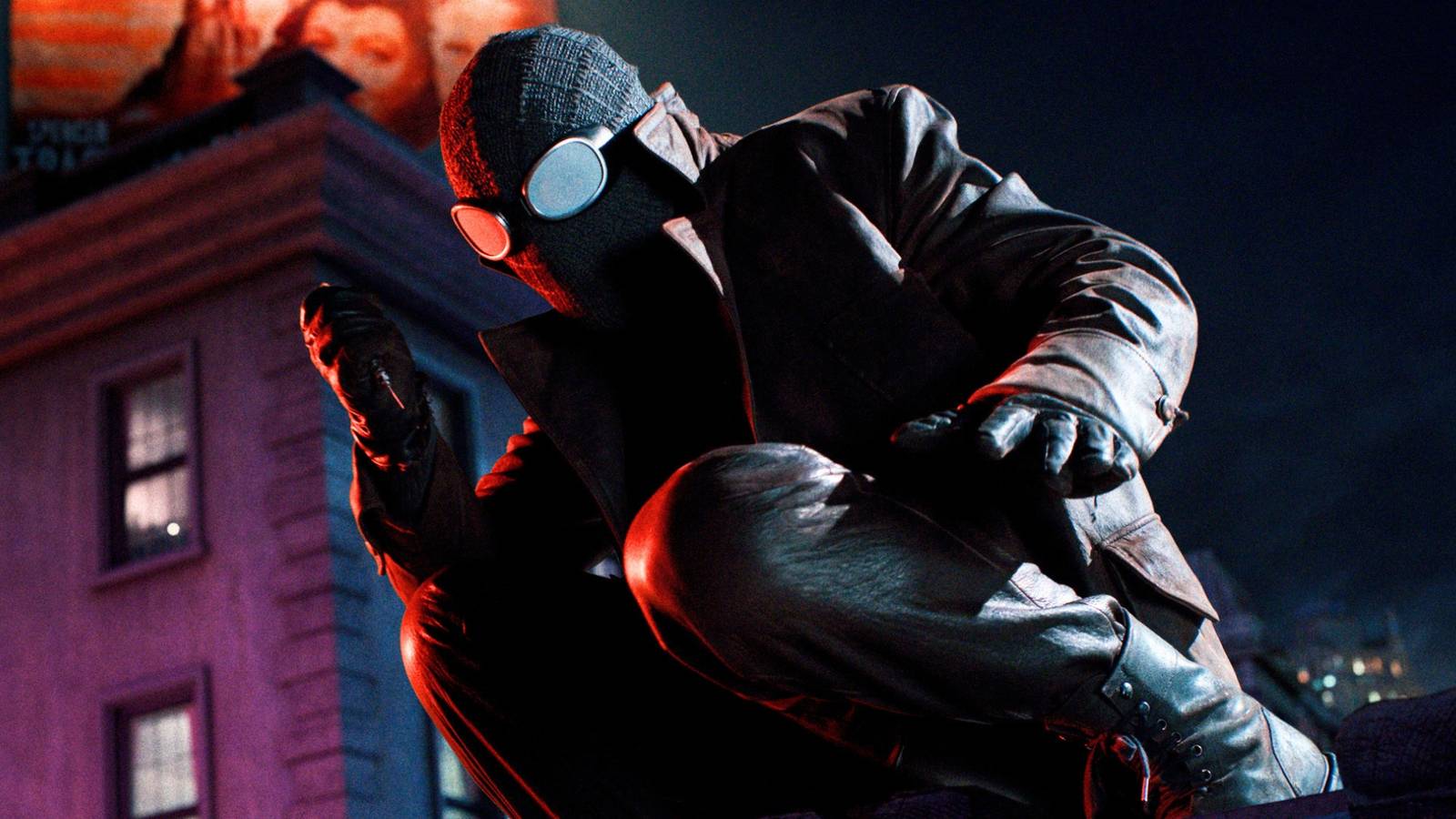
Key Production Details:
- Lead Actor: Nicolas Cage as Ben Reilly / Spider-Noir.
- Showrunners: Oren Uziel (The Lost City, 22 Jump Street) and Steve Lightfoot (Marvel’s The Punisher, Shantaram).
- Executive Producers: Phil Lord, Christopher Miller, and Amy Pascal.
- Director: Harry Bradbeer (Fleabag, Enola Holmes) is set to direct the first two episodes.
- Platform: Prime Video and MGM+.
- Episode Count: 8 episodes.
- Release Date: May 27, 2026.
Chronology: From Page to Screen
The journey of Spider-Man Noir has been one of steady ascension within the Marvel mythos. Understanding the timeline of this project requires looking back at the character’s origins and his recent resurgence in popular culture.
2009–2010: The Comic Roots
The Marvel Noir line was an experimental imprint that reimagined classic heroes in a 1930s setting. Spider-Man Noir stood out for its stark black-and-white aesthetic (interrupted only by the red of blood or fire) and its more violent, grounded approach to crimefighting.
2018: The Cage Revolution
Nicolas Cage provided the voice for the character in Spider-Man: Into the Spider-Verse. His performance—a loving parody of 1940s tough-guy actors like Humphrey Bogart and James Cagney—became an instant fan favorite. This success planted the seeds for a live-action adaptation.
2022–2023: The Amazon Deal
Sony Pictures Television entered a massive deal with Amazon to develop a suite of live-action series based on the 900+ Marvel characters Sony controls. While some projects, like Silk: Spider-Society, faced development hurdles and eventual cancellation, Spider-Noir moved forward with high priority.

2024–2025: Casting and Development
The confirmation of Nicolas Cage’s involvement in a live-action capacity was a major milestone. Unlike many "multiverse" crossovers, it was clarified early on that this would be a fresh start. Filming and pre-production focused on capturing a "Bogart-esque" atmosphere, utilizing period-accurate set designs and a specific cinematic language.
Supporting Data: Why Ben Reilly?
The choice of Ben Reilly is a tactical one, designed to navigate the "Spider-Man fatigue" that can arise from repeated retellings of the Peter Parker origin story. In Marvel Comics history, Ben Reilly was introduced during the "Clone Saga" of the 1970s and 1990s. He was a perfect genetic duplicate of Peter Parker who eventually took on the mantle of the Scarlet Spider.
In the context of Spider-Noir, the use of the name serves two primary functions:
- Creative Freedom: By not using Peter Parker, the writers are not beholden to Aunt May, Mary Jane Watson, or the "With Great Power" mantra in its traditional form. It allows for a protagonist who can be "jaded" and "drunkenly punch a guy in the face," as producer Phil Lord suggested.
- The Mystery Factor: In the comics, Ben Reilly’s existence is tied to the concept of identity crises and the question of "who is the real man?" This thematic weight fits perfectly within a noir narrative, where the protagonist is often searching for a truth that remains elusive.
Furthermore, the involvement of Steve Lightfoot is a significant data point. As the showrunner of Netflix’s The Punisher, Lightfoot has a proven track record of handling "street-level" Marvel heroes with a darker, more mature tone. His participation suggests that Spider-Noir will lean into the violence and psychological complexity that the Noir setting demands.
Official Responses: Homage and Creative Vision
The creative team has been vocal about their inspirations, citing the golden age of Hollywood as much as the golden age of comic books.
Showrunner Oren Uziel told Entertainment Weekly that the goal was to "smash together" the superhero and noir genres. "Peter Parker is so synonymous to me with a young character and a coming-of-age story," Uziel explained. "The Ben Reilly character allows it to immediately distinguish itself from a Peter Parker story."
Uziel further elaborated on the collaboration with Nicolas Cage, noting the actor’s deep knowledge of film history. "The thing that I said a lot from start to finish was, ‘We’re really trying to make an old Bogart movie; It’s just that Bogart happens to be Spider-Man.’ Nic Cage would discuss specific films they were paying homage to… that’s why he’s Nic Cage."
Producer Phil Lord has also teased that the name change is not merely aesthetic but a central plot point. "I have to be coy about the reasons, because you’ll find out," Lord said. "The reason he’s named Ben Reilly is explained." This suggests a potential twist—perhaps this Ben Reilly is a man who has stolen an identity, or perhaps he is a veteran hero who has abandoned his former life.
Implications: A New Direction for Marvel Television
The premiere of Spider-Noir in 2026 will have several long-term implications for the industry and the Marvel brand.
1. The Expansion of the "Sony-Verse"
While Sony’s live-action films like Venom and Morbius have met with mixed critical reception, the television arm appears to be taking a more "prestige" approach. By hiring directors like Harry Bradbeer and actors like Nicolas Cage, Sony is positioning Spider-Noir as a high-end drama rather than a standard procedural.
2. The Return of the "Mature" Superhero
Following the success of The Boys and Invincible on Prime Video, Spider-Noir represents a move toward more mature, auteur-driven superhero content. The "jaded and drunken" hero described by Phil Lord is a far cry from the polished, family-friendly heroes of the Marvel Cinematic Universe (MCU). This allows Prime Video to maintain its reputation as the home for "subversive" superhero stories.
3. Nicolas Cage’s Career Renaissance
For Nicolas Cage, this series marks a rare foray into episodic television. It allows him to synthesize his love for German Expressionism, noir cinema, and comic books into a single role. If successful, Spider-Noir could become a definitive late-career performance for the Oscar winner, proving that he can carry a major franchise outside of the traditional Hollywood blockbuster model.

4. Genre Fluidity
The success of Spider-Noir could encourage other studios to experiment with "genre-mashing." If a "Superhero-Noir" works, it opens the door for "Superhero-Westerns," "Superhero-Horror," or "Superhero-Political Thrillers" that are not merely subplots within a larger movie, but fully realized stylistic exercises.
Conclusion
As May 2026 approaches, the anticipation for Spider-Noir continues to build. By pivoting away from the well-trodden path of Peter Parker and embracing the grit of the 1930s, Oren Uziel, Steve Lightfoot, and Nicolas Cage are attempting something rarely seen in the genre: a truly atmospheric, character-driven detective story that just happens to feature a man with the powers of a spider. In the shadows of the Great Depression, this Ben Reilly may find that his greatest enemy isn’t a supervillain, but the darkness of the city itself.



Leave a Comment