
The Ordinary’s "Markup March": A Provocative Critique of Luxury Branding’s Inflated Promises
Skincare disruptor The Ordinary has launched a satirical pop-up supermarket, "Markup March," exposing the often-exaggerated language and inflated prices prevalent in the premium beauty and lifestyle industries. By rebranding everyday items with luxurious jargon, the campaign aims to highlight how branding, packaging, and aspirational marketing can significantly influence consumer perception and willingness to pay.
The Ordinary, a brand known for its no-nonsense approach to skincare, offering effective formulations at accessible prices, has taken a bold and provocative stance against the perceived excesses of the luxury market. Their latest initiative, "Markup March," transforms a typical supermarket into a commentary on how everyday products can be repackaged and relabeled to command exorbitant prices. This innovative campaign, developed in collaboration with Uncommon Creative Studio, serves as a stark, and at times humorous, illustration of the psychological drivers behind luxury consumption.
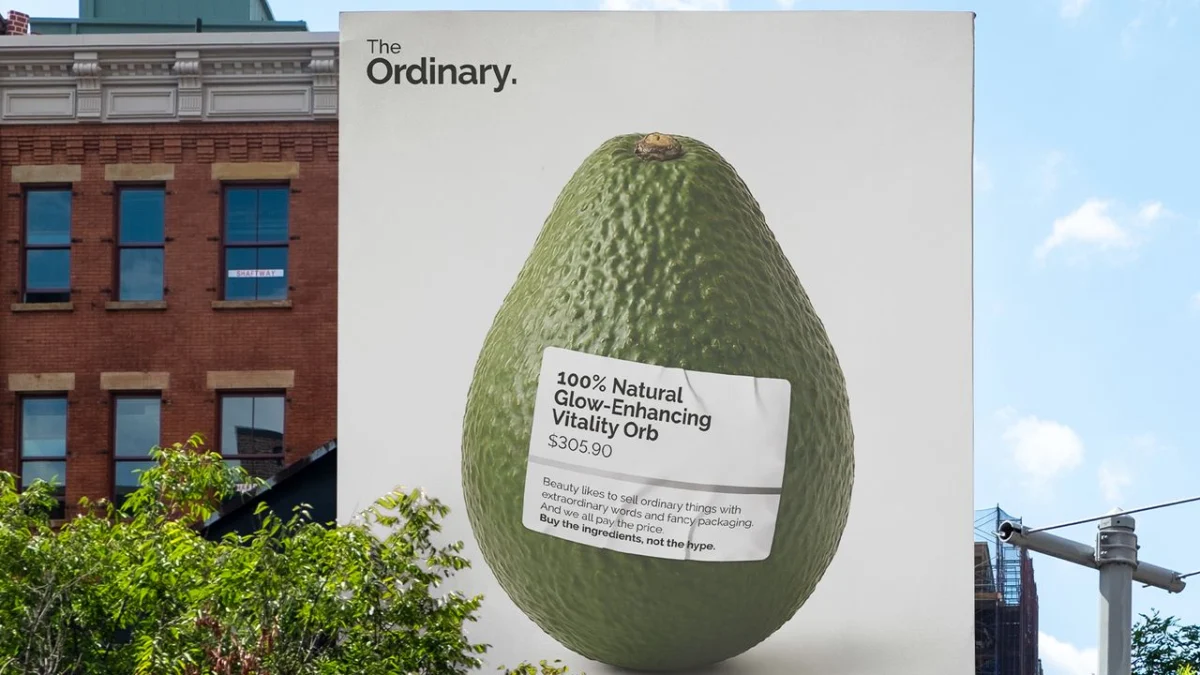
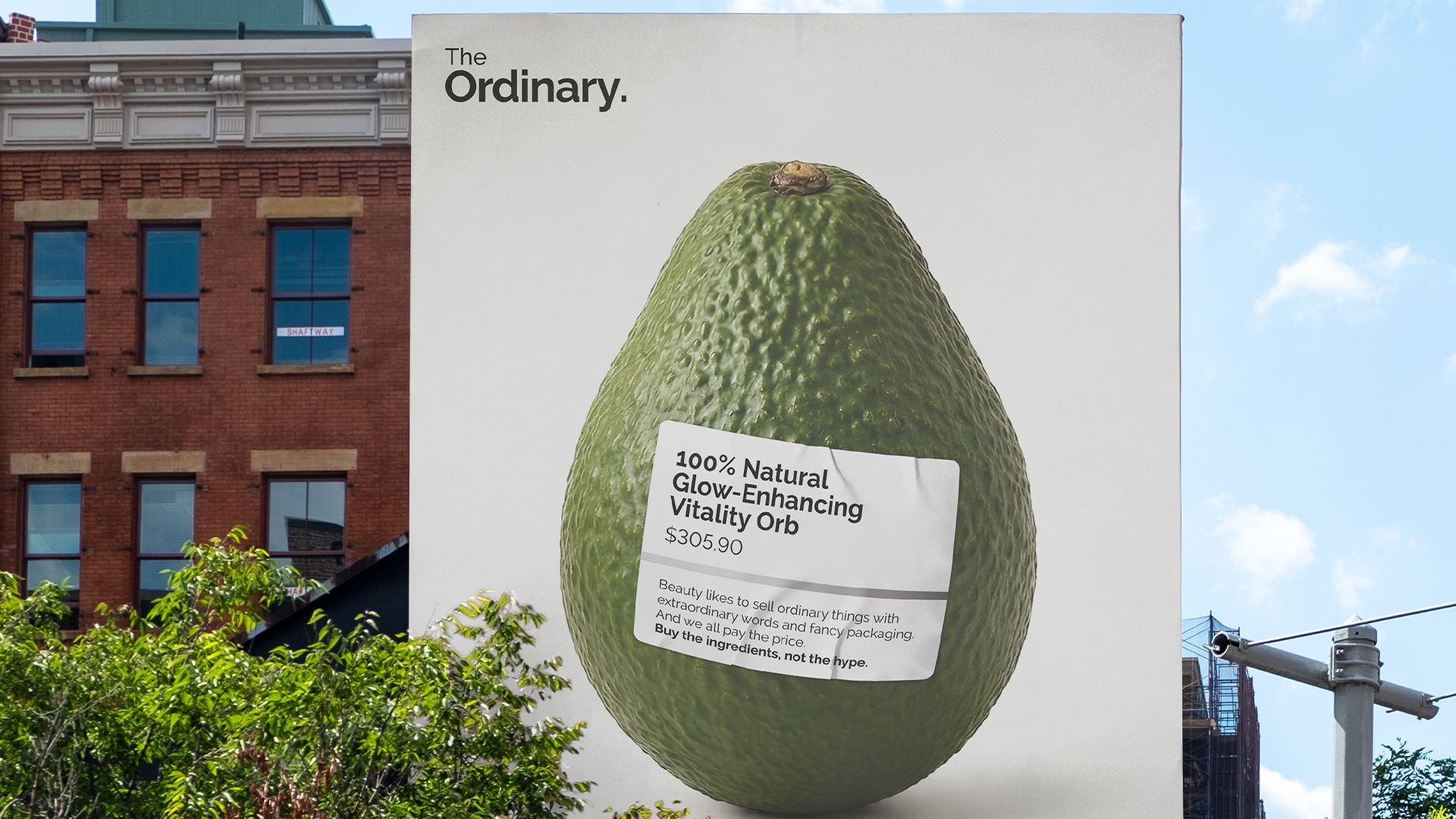
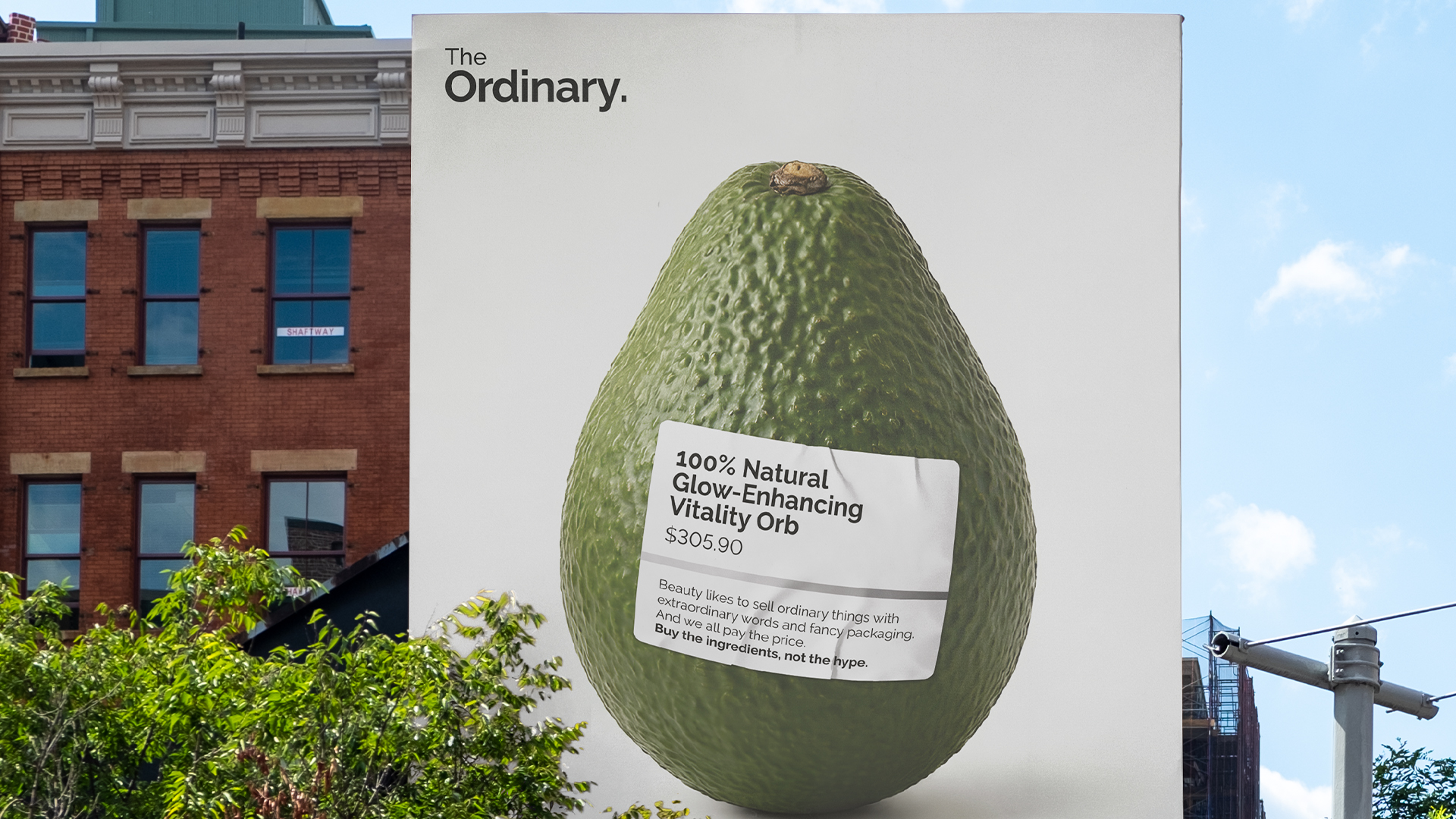

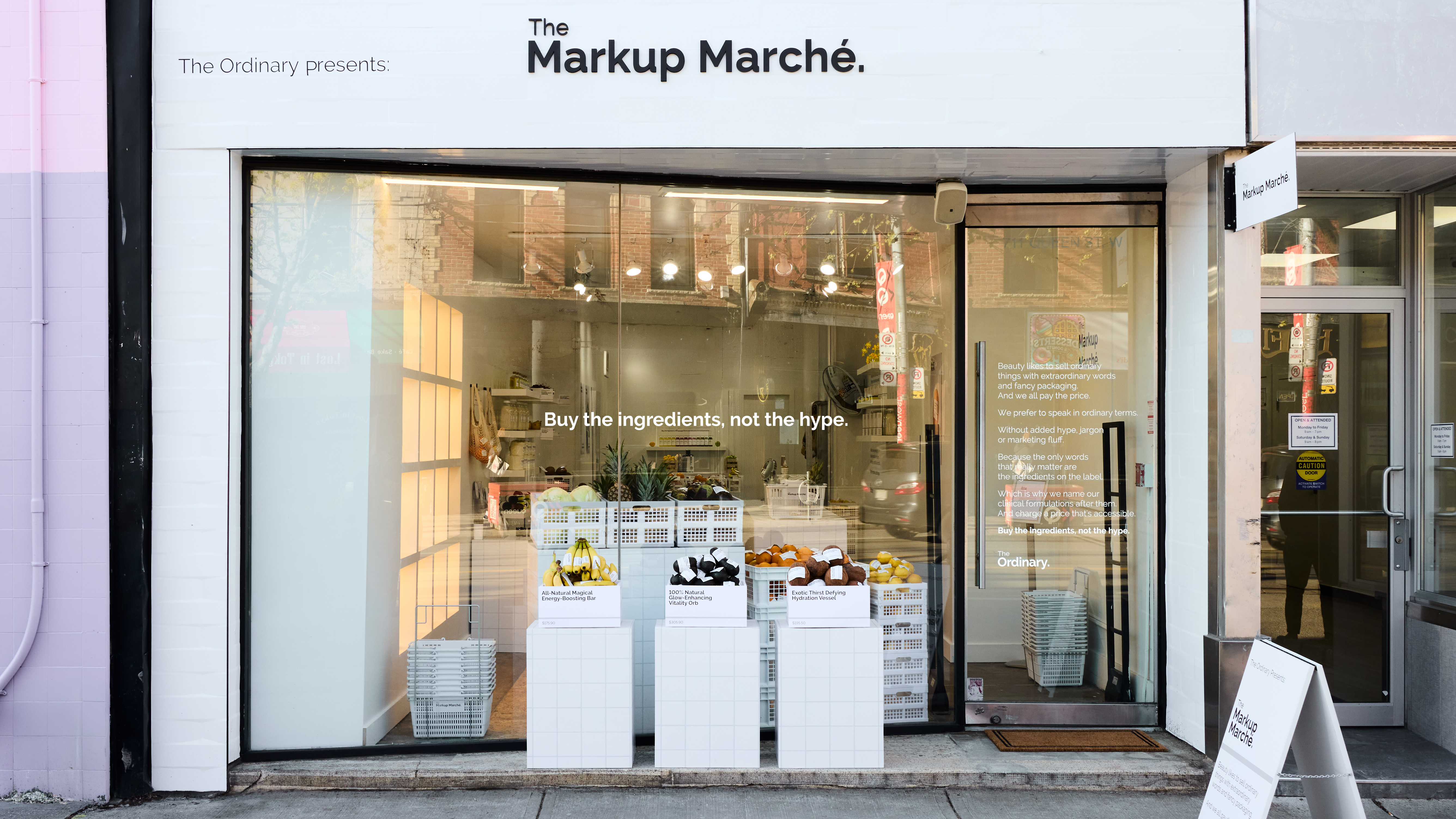
At the heart of "Markup March" lies a fundamental question: how much of the price we pay for premium products is for the actual item, and how much is for the promise, the prestige, and the carefully crafted narrative? The Ordinary’s pop-up doesn’t sell actual skincare; instead, it sells ordinary grocery items re-imagined with the linguistic flair and exorbitant pricing typically associated with high-end brands. A bunch of bananas, a staple of any household, is presented as an "All-Natural Magical Energy-Boosting Bar" with a staggering price tag of $175.90. Similarly, avocados, a symbol of modern culinary trends, are rebranded as "100% Natural Glow-Enhancing Vitality Orbs," retailing for a princely $305.90. These inflated figures are not arbitrary; they are calculated to mirror the markups seen in sectors where branding and perceived value often outweigh the intrinsic cost of the product.
The campaign meticulously dissects the tactics employed by luxury brands to create an aura of exclusivity and desirability. This includes the use of sophisticated, often jargon-laden language that elevates simple ingredients or products into something extraordinary. The Ordinary’s "Markup March" directly mirrors this by replacing straightforward product names with evocative, benefit-driven descriptions that promise enhanced well-being, beauty, or status. This tactic, when applied to familiar and relatively inexpensive items, serves to highlight the artificiality of such marketing strategies and underscores how easily consumers can be influenced by persuasive language and attractive packaging.
The Genesis of "Markup March": Exposing the Illusion of Luxury
The initiative stems from a broader observation about consumer behavior and the power of branding. The Ordinary’s core philosophy has always been to demystify skincare, focusing on efficacy and transparency over elaborate marketing. "Markup March" extends this ethos to a wider commentary on consumerism. The brand argues that many premium products, particularly in the beauty and lifestyle sectors, rely heavily on the psychological impact of branding, packaging design, and aspirational storytelling to justify their high price points.
Nils Leonard, Co-Founder of Uncommon Creative Studio, articulated the campaign’s intent: "We wanted to take the codes the beauty industry relies on – language, packaging, presentation – and apply them to the most familiar products possible. When you see those same tactics used on everyday items, it exposes just how powerful and sometimes absurd – those signals of value can be." This approach directly challenges consumers to question their own purchasing decisions and to critically assess the value proposition of the brands they patronize.
The pop-up supermarket is not just a display of absurdly priced goods; it’s an immersive experience designed to educate and engage. Visitors are invited to interact with the concept through various installations. "The Jargon Bar" is a reimagined juice bar, serving up familiar beverages but presented with the same buzzwords and marketing embellishments found in the skincare industry. This playful take on a common retail experience further amplifies the message, inviting consumers to recognize the patterns of exaggerated marketing in everyday scenarios. Additionally, the pop-up offers a "Create Your Own Label" station, empowering visitors to playfully craft their own ridiculously priced, jargon-filled product descriptions, thereby fostering a deeper understanding of the branding process and its potential for manipulation.
The Psychology of Price: Data-Driven Insights
The Ordinary’s "Markup March" is underpinned by compelling data that illustrates the significant impact of branding and perceived value on consumer willingness to pay. Research has consistently shown that consumers are not always driven by the intrinsic value or cost of a product, but rather by the emotional and social benefits they associate with it.
Studies cited by The Ordinary reveal that a considerable portion of consumers are susceptible to the allure of premium branding and evocative language. For instance, findings indicated that approximately 20% of UK consumers would be willing to pay up to £20 more for a product if it was described using terms like "magic." This suggests a powerful psychological phenomenon where language can directly influence perceived value, even for ordinary items.
Further research highlights the impact of packaging. In the United States, consumers have been found to be willing to pay as much as 45% more for the exact same product if it features more premium packaging. This statistic is particularly relevant to "Markup March," as it underscores how the visual and tactile elements of a product’s presentation can significantly inflate its perceived worth in the eyes of the consumer. By taking everyday items and applying the visual cues and linguistic flourishes of luxury brands, The Ordinary effectively demonstrates how these elements can create a disconnect between the actual cost of production and the price consumers are willing to pay.
The campaign also implicitly references the concept of the "halo effect," where positive associations with a brand or its marketing can influence perceptions of the product itself. Luxury brands often cultivate an image of sophistication, exclusivity, and high quality, which then "spills over" to imbue their products with these desirable attributes, regardless of their functional differences from less expensive alternatives.
The Ordinary’s Stand: A Challenge to Industry Norms
The Ordinary’s intervention is not merely a marketing stunt; it represents a deliberate challenge to the prevailing norms within the beauty and lifestyle industries. The brand has built its reputation on providing effective, science-backed skincare at affordable prices, a stark contrast to the often opaque pricing structures and elaborate marketing campaigns of many competitors. "Markup March" is a logical extension of this philosophy, using satire to expose what The Ordinary perceives as the industry’s reliance on superficiality and inflated promises.
The partnership with Uncommon Creative Studio, a firm known for its innovative and impactful branding campaigns, further amplifies the message. Their collaborative approach has ensured that "Markup March" is not just a critique but also a masterclass in how branding can be used to shape perception – in this case, to highlight the absurdity of such practices.
The campaign’s success lies in its ability to resonate with a consumer base that is increasingly savvy and skeptical of overt marketing ploys. In an era where transparency and authenticity are highly valued, The Ordinary’s direct and playful critique of manipulative branding tactics is likely to be well-received. It empowers consumers by providing them with a new lens through which to view their purchasing decisions, encouraging them to look beyond the glossy exterior and question the true value of what they are buying.
Implications and Broader Consumer Impact
The implications of "Markup March" extend beyond the immediate novelty of an overpriced supermarket. The campaign serves as a crucial educational tool, prompting consumers to become more critical of marketing messages across various industries. It encourages a deeper understanding of how perceived value is constructed and how psychological factors, such as brand prestige, packaging aesthetics, and aspirational language, can influence our buying habits.
By highlighting the disconnect between the cost of production and the retail price, The Ordinary is encouraging a more informed and discerning consumer. This can lead to a shift in consumer demand, potentially favoring brands that prioritize transparency, efficacy, and fair pricing. As consumers become more aware of the artificial inflation of prices through branding, they may begin to seek out products that offer genuine value rather than simply the promise of it.
Furthermore, the campaign prompts a broader discussion about the ethics of marketing. While aspirational branding has always been a part of the commercial landscape, "Markup March" questions the extent to which such tactics can become misleading or exploitative. It suggests that there is a fine line between effective brand building and outright manipulation, and that brands have a responsibility to be truthful and transparent in their communications.
In conclusion, The Ordinary’s "Markup March" is a bold and insightful campaign that uses satire to illuminate the often-unseen forces that drive consumer behavior in the luxury market. By recontextualizing everyday items with the language and pricing of high-end brands, The Ordinary not only critiques the industry but also empowers consumers to question, to scrutinize, and ultimately, to make more informed purchasing decisions in a world saturated with aspirational promises. The campaign serves as a powerful reminder that sometimes, the most valuable lesson comes not from what is sold, but from how and why it is presented.



Leave a Comment