
Revolutionizing Raw Card Trading: Ungraded Unveils Groundbreaking 3D Imaging Marketplace
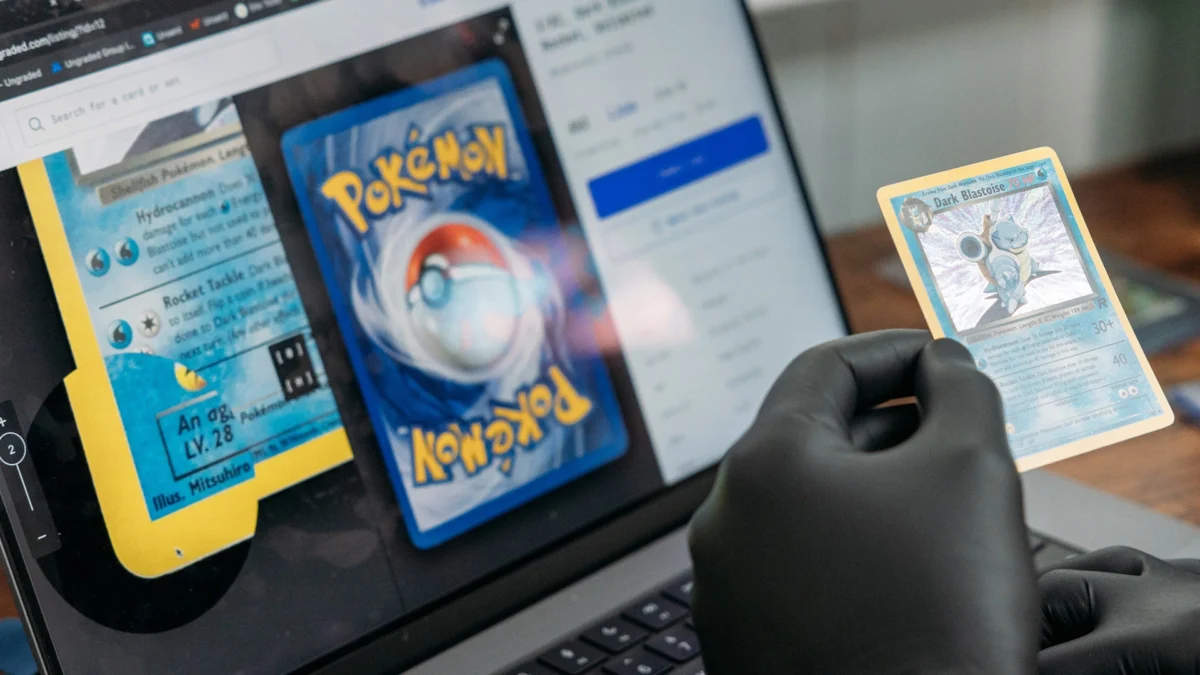
London, UK – The often-treacherous waters of online trading card sales, particularly for "raw" or ungraded specimens, may soon see a revolutionary change with the impending launch of Ungraded. This ambitious new marketplace, spearheaded by a duo of passionate Cornish Pokémon card collectors, promises to alleviate the persistent anxieties of buyers and sellers by introducing a pioneering 3D imaging technology designed to bring unprecedented transparency and trust to the digital exchange of collectible cards.
For years, collectors navigating platforms like eBay for non-graded trading cards – ranging from beloved Pokémon and Magic: The Gathering to highly sought-after sports cards – have faced a litany of frustrations. From misrepresentations of card condition and the scourge of counterfeit products to outright non-delivery scams, the risk associated with investing in mid-tier collectibles has often deterred potential enthusiasts and devalued legitimate transactions. Ungraded aims to dismantle these barriers, offering a sophisticated, secure, and visually immersive alternative that could redefine industry standards.
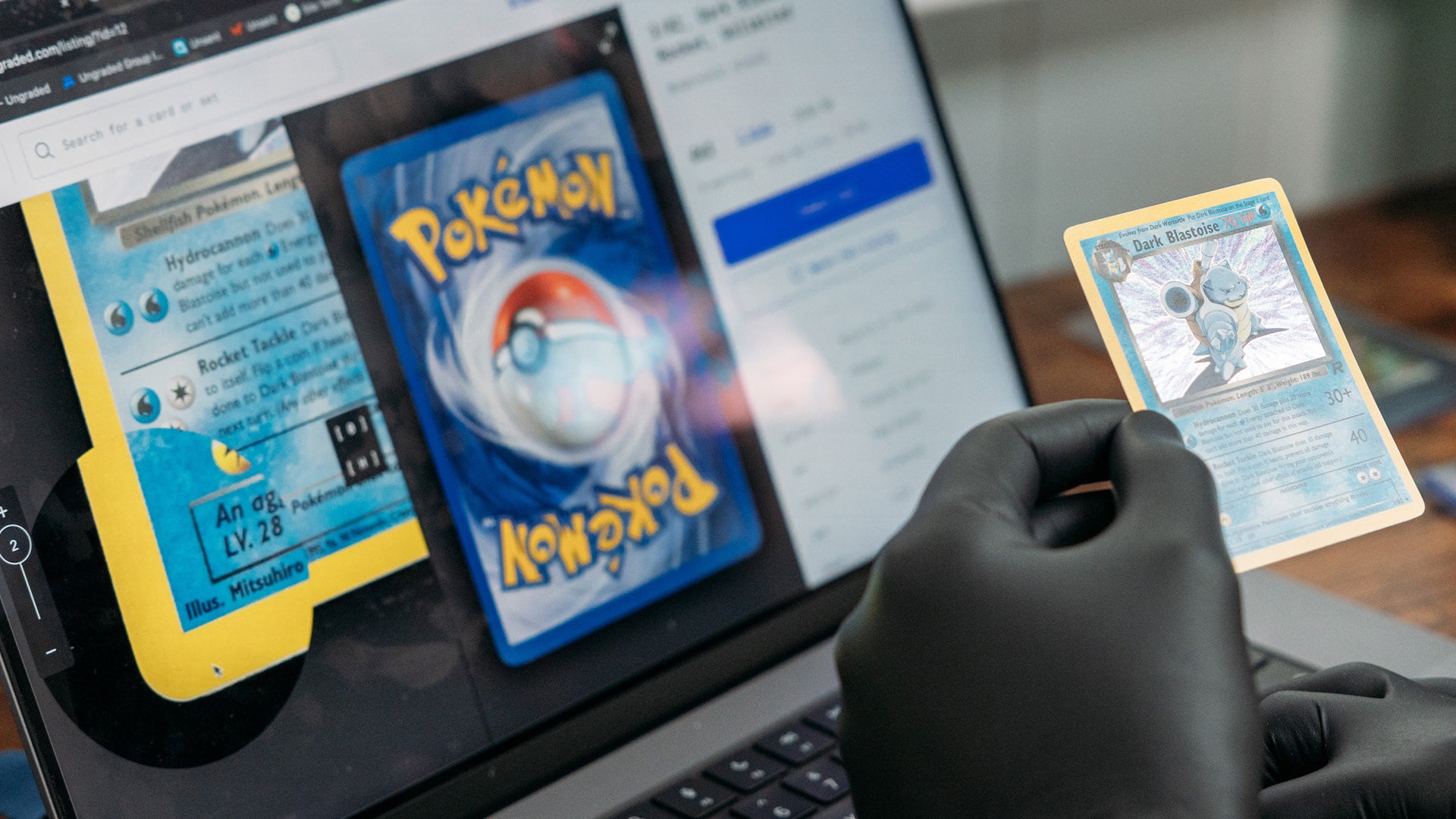
At the core of Ungraded’s proposition is its seemingly unique imaging technology. Sellers will submit their raw cards directly to Ungraded, where a meticulous process involving hundreds of ultra high-definition photographs will generate a fully rotatable and zoomable 3D digital replica. This virtual twin of the physical card allows prospective buyers to scrutinize every minute detail – from subtle surface scuffs and edge wear to precise centering and even microscopic CMYK print patterns – replicating an in-person inspection with remarkable fidelity. This level of granular detail is poised to instill a new era of confidence, enabling collectors to make informed purchasing decisions without the customary leap of faith.
The platform is slated for a full marketplace launch in July, preceded by a series of exclusive auction drops commencing at the end of May. These initial auctions will feature a curated selection of cards from flagship franchises such as Pokémon, Yu-Gi-Oh!, and Magic: The Gathering, offering a tantalizing preview of the user experience and the calibre of collectibles Ungraded intends to host. With its bold promises and innovative approach, Ungraded is positioning itself not just as another marketplace, but as a potential paradigm shift in the multi-billion-dollar world of trading card collectibles.
The Genesis of a Solution: A Chronology of Ungraded’s Vision
The narrative of Ungraded begins, much like many entrepreneurial ventures, with personal frustration and a desire to solve a pervasive problem within a beloved community. The founders, described as a "couple of Cornish Pokémon card collectors," experienced firsthand the inherent risks and disappointments associated with buying and selling ungraded trading cards online. Their personal anecdotes likely mirror those of countless collectors: the excitement of a new acquisition turning to dismay upon discovering undisclosed damage, the anxiety of questioning a card’s authenticity, or the sheer exasperation of a transaction gone awry.
Inception from Experience:
It is understood that the genesis of Ungraded stems directly from these shared experiences. Rather than simply lamenting the state of affairs, the founders embarked on a mission to engineer a trustworthy environment for raw card transactions. Their deep immersion in the collecting hobby provided them with invaluable insights into the specific pain points – the subjectivity of condition descriptions, the difficulty of verifying authenticity remotely, and the prohibitive costs and timeframes associated with professional grading for cards not quite in the "grail" tier. This intimate understanding of the market’s shortcomings fueled their commitment to creating a solution that genuinely addresses collector needs.
Development Phase and Technological Breakthroughs:
The journey from concept to a tangible platform involved significant technological development. While the precise details of their imaging technology remain proprietary, it is widely speculated that Ungraded leverages advanced photogrammetry techniques combined with high-resolution digital capture. This likely involved designing bespoke imaging rigs, developing sophisticated software algorithms to stitch hundreds of individual photographs into a seamless 3D model, and potentially integrating machine learning for automated defect detection or condition assessment. Overcoming the challenges of accurately rendering a small, reflective, and often intricate object like a trading card in full 3D, capable of revealing microscopic details like CMYK print patterns, would have required considerable innovation and investment. The founders’ ambition was not merely to provide better pictures, but to create a verifiable digital twin that could withstand the most rigorous scrutiny.
Pre-Launch Momentum: Auction Drops and Community Engagement:
Ahead of its full marketplace launch, Ungraded has strategically planned a series of "auction drops" starting in late May. This phased rollout serves multiple purposes: it allows the platform to stress-test its systems, gather early user feedback, and build anticipation within the collecting community. By showcasing high-value, desirable cards from popular TCGs like Pokémon, Yu-Gi-Oh!, and Magic: The Gathering, these auctions will offer collectors a tangible demonstration of Ungraded’s 3D imaging capabilities and the overall user experience. This pre-launch activity is crucial for establishing credibility and generating buzz before the marketplace opens its doors to a broader audience in July.
The Full Marketplace Unveiling:
The culmination of these efforts will be the official launch of the Ungraded marketplace in July. At this point, the platform will be open for a wider range of sellers to submit their cards for imaging and listing, and for buyers to engage in secure transactions across a diverse inventory. The long-term vision for Ungraded likely extends beyond its initial offerings, potentially encompassing a wider array of collectible categories, international expansion, and continuous technological enhancements to further refine the user experience and maintain its competitive edge.
Supporting Data: Unpacking the Market and Ungraded’s Distinctive Edge
The emergence of Ungraded is not happening in a vacuum but against the backdrop of a booming and increasingly sophisticated trading card market. This growth underscores the critical need for improved trust and transparency, especially for cards that fall outside the ultra-high-value, professionally graded segment.
The Thriving TCG Market and Its Pain Points:
The global trading card game market has witnessed explosive growth in recent years, propelled by nostalgia, investment interest, and the enduring popularity of franchises like Pokémon, Magic: The Gathering, and Yu-Gi-Oh!. Reports estimate the market to be worth billions of dollars annually, with rare cards fetching astronomical sums, as famously demonstrated by musician Post Malone’s acquisition of the "One Ring" Magic card. However, beneath the headlines of multi-million-dollar sales lies a vast ecosystem of mid-tier and lower-value cards, often traded "raw" between collectors. This is where the vulnerabilities of existing online marketplaces become glaringly apparent:
- Condition Discrepancies: A seller’s "near mint" can be a buyer’s "lightly played." Subjectivity in grading, poor lighting in photos, and deliberate obscuring of flaws are rampant issues, leading to buyer disappointment and disputes.
- Authenticity Concerns: The rise in popularity has unfortunately been paralleled by an increase in sophisticated counterfeit cards, making it incredibly difficult for buyers to distinguish fakes from genuine articles based solely on traditional photographs.
- Fraud and Non-Delivery: While less frequent for established platforms, the risk of non-delivery or outright scams remains a concern, eroding buyer confidence.
- Cost and Time of Professional Grading: For cards below a certain monetary threshold, the expense and waiting times associated with professional grading services (like PSA, BGS, or CGC) often outweigh the potential return. This leaves a significant portion of the market underserved by robust authentication and condition verification.
Ungraded directly addresses these critical pain points by bridging the gap between unreliable self-assessment and prohibitively expensive professional grading.
The Technological Underpinnings: A Glimpse into the 3D Imaging:
The "groundbreaking" nature of Ungraded’s 3D technology is its ability to transcend static, two-dimensional images. By capturing hundreds of ultra high-definition photos from various angles and stitching them together, the platform creates a truly immersive digital experience. This process, likely employing advanced photogrammetry techniques, allows buyers to:
- Rotate and Zoom: Manipulate the card’s virtual model to view all edges, corners, and surfaces from any angle, identifying minute wear that would be invisible in flat images.
- Examine Surface Imperfections: Clearly discern scratches, scuffs, print lines, and indentations that would typically be obscured by glare or low-resolution photography.
- Assess Centering and Cut: Get a precise understanding of how well the card is centered, a crucial factor in raw card valuation.
- Verify Print Details: The ability to view CMYK print patterns suggests an incredibly high level of magnification, allowing for the examination of printing anomalies or subtle differences that can help verify authenticity, a feature rarely accessible to the average online buyer.
This detailed visual fidelity aims to empower buyers with an unprecedented level of information, moving beyond subjective descriptions to objective, verifiable visual evidence.
Distinguishing from Existing Platforms:
Compared to existing behemoths like eBay, which operates on a peer-to-peer model with minimal oversight of item description accuracy, or specialized TCG marketplaces like TCGPlayer, which rely heavily on seller reputation and standardized condition guidelines that can still be subjective, Ungraded offers a unique value proposition. By centralizing the imaging and verification process, Ungraded removes the variability of individual sellers’ photographic skills and ethical standards. It essentially introduces a standardized, high-tech intermediary that guarantees a consistent and reliable visual representation of every card listed on its platform, a feature largely absent in the raw card market until now. This systematic approach to condition verification is Ungraded’s strongest differentiator and a significant leap forward for the industry.
Official Responses and Community Reception
While direct official quotes from Ungraded’s founders are limited in the initial announcement, the implied messaging and the platform’s design speak volumes about their vision and anticipated impact.
The Founders’ Vision: Restoring Trust and Empowering Collectors:
The founders, described as passionate collectors themselves, are likely driven by a desire to "democratize" access to secure raw card trading. Their core message would undoubtedly emphasize restoring trust and transparency to a market segment plagued by skepticism. One can imagine them articulating a vision where:
- "Every collector, regardless of their budget, deserves the confidence that what they see online is exactly what they’ll receive."
- "We are building Ungraded to eliminate the guesswork, the fear of fakes, and the frustration of condition discrepancies, empowering both buyers and sellers to trade with absolute peace of mind."
- "Our technology is not just about pretty pictures; it’s about providing an objective, verifiable digital twin that sets a new standard for condition assessment in the raw card market."
- "By handling the logistics of imaging, postage, and insurance, we aim to make selling cards as effortless as possible, allowing collectors to focus on their passion."
This ethos suggests a deep understanding of the collector’s mindset and a genuine commitment to improving the overall trading experience.
Anticipated Industry and Community Reception:
The announcement of Ungraded is likely to evoke a mixed but predominantly positive reaction within the trading card community.
- Enthusiasm from Buyers: Many buyers, particularly those who have been burned by online transactions, will likely welcome Ungraded with open arms. The promise of seeing a card in 3D, scrutinizing its flaws, and being assured of authenticity is a significant draw. It could open up the market to a segment of collectors who previously shied away from raw card purchases due to the inherent risks.
- Skepticism from Some: As with any ambitious new venture, there will naturally be a degree of skepticism. Questions might arise regarding the true accuracy of the 3D models – can they genuinely replicate every nuance of a physical card? What happens if a card is damaged after Ungraded’s imaging but before shipping to the buyer? Ungraded will need robust guarantees and transparent policies to address these concerns.
- Challenges for Sellers: While free selling for cards over £25 is attractive, the fee structure (especially the unsold card fee) might be a point of contention for some sellers, particularly those with less valuable or slower-moving inventory. Ungraded will need to articulate clearly how its premium service and increased buyer confidence justify these costs.
- Potential for Collaboration or Competition: Established grading companies might view Ungraded as a complementary service, potentially feeding them higher-value cards that buyers confidently purchase through Ungraded before sending them for official grading. Conversely, for mid-tier cards, Ungraded could be seen as a direct competitor, offering a "good enough" level of verification without the grading fees and delays.
Addressing Potential Concerns:
Ungraded’s success will hinge on its ability to build and maintain trust. They will need clear communication regarding:

- Accuracy Guarantees: What happens if a buyer disputes the condition based on the 3D model vs. the received card?
- Security and Authenticity: How do they ensure the authenticity of submitted cards before imaging? What protocols are in place to prevent fakes from entering the system?
- Fee Transparency: A detailed breakdown of how fees cover their comprehensive service, including imaging, insurance, and secure logistics, will be crucial.
- Scalability: How will they manage the volume of cards for imaging and shipping as the platform grows?
The "ambitious" nature of the project noted in the original article highlights that Ungraded is embarking on a significant undertaking, and its initial reception will be a critical indicator of its long-term viability.
Implications: Shaping the Future of Collectible Trading
The launch of Ungraded carries significant implications that could reshape various facets of the trading card market, impacting buyers, sellers, existing services, and the broader industry.
Impact on Buyers:
For buyers, Ungraded promises a transformative experience centered on unprecedented confidence. The ability to visually inspect a card in 3D detail – rotating, zooming, and examining surface imperfections and print patterns – virtually eliminates the "blind buy" aspect of online raw card purchases. This enhanced transparency will likely lead to:
- Reduced Buyer’s Remorse: Fewer instances of receiving a card in a condition worse than expected.
- Informed Decisions: Buyers can make more precise value judgments based on verifiable visual evidence, potentially leading to more accurate market pricing for raw cards.
- Expanded Market Access: Collectors who were previously hesitant to purchase raw cards online due to fear of fraud or misrepresentation may now feel more comfortable engaging in the market, increasing liquidity and demand.
Impact on Sellers:
Sellers stand to benefit from a streamlined, secure, and potentially more profitable selling experience:
- Higher Sale Prices: Increased buyer confidence, driven by the transparent 3D imaging, could translate into higher average selling prices for raw cards, as buyers are willing to pay a premium for certainty.
- Reduced Disputes and Returns: Accurate representation of condition minimizes post-sale disputes and returns, saving sellers time and hassle.
- Simplified Logistics: Ungraded’s commitment to covering postage and insurance (once sold) and managing the imaging process significantly reduces the burden on sellers, making it easier to list and sell cards.
- Market Efficiency: The platform could help establish more standardized raw card pricing, as condition discrepancies become less subjective.
Implications for Professional Grading Services:
Ungraded’s role in relation to established grading companies like PSA or BGS is complex and could evolve in several ways:
- Complementary Service: Ungraded might act as a crucial "pre-grading" platform. Buyers could use Ungraded to confidently acquire a raw card they believe to be a high-grade candidate, and then send it off to a professional grader. This would streamline the acquisition process for submission-grade cards.
- Competition for Mid-Tier Cards: For cards that don’t warrant the expense of full professional grading, Ungraded could become the de facto standard for condition verification, potentially siphoning off a segment of the market that might otherwise consider grading.
- Industry Collaboration: It’s conceivable that Ungraded could eventually partner with grading companies, perhaps offering expedited submission services for cards sold through their platform.
Broader Market and Technological Implications:
Beyond the immediate TCG community, Ungraded’s success could have wider ramifications:
- Standard for Online Collectibles: If proven effective, Ungraded’s 3D imaging model could become a benchmark for other online marketplaces dealing with tangible collectibles such as coins, stamps, art, or antiques, where condition and authenticity are paramount.
- Innovation in E-commerce: The technology could inspire further innovation in how physical goods are presented and sold online, particularly for items where tactile inspection is currently irreplaceable.
- Increased Market Liquidity and Trust: By fostering a more secure and transparent environment, Ungraded has the potential to grow the overall trading card market, attracting new collectors and investors who were previously deterred by the risks.
Challenges and Future Opportunities:
Despite its ambitious promise, Ungraded faces several critical challenges:
- Scalability: Managing the volume of incoming cards for imaging, maintaining turnaround times, and ensuring consistent quality as the platform grows will be a significant operational hurdle.
- User Adoption: Convincing a broad base of both buyers and sellers to transition from established platforms will require sustained marketing, excellent user experience, and a strong track record.
- Maintaining Trust: Any breach of security, misrepresentation of condition, or failure in their authenticity checks could severely damage the platform’s reputation and undermine its core value proposition.
- Technological Evolution: Continuous investment in and refinement of their imaging technology will be necessary to stay ahead of potential competitors and meet evolving user expectations.
- Global Expansion: While starting in the UK, the global nature of TCG collecting presents a vast opportunity for international growth, but also complex logistical and regulatory challenges.
Ultimately, Ungraded represents a significant leap forward in the quest for transparency and trust in online collectible trading. By leveraging cutting-edge technology to solve long-standing problems, it is poised to not only revolutionize how raw trading cards are bought and sold but potentially set a new standard for the entire e-commerce collectibles industry. Its success will be closely watched as the trading card community eagerly anticipates its summer launch.




Leave a Comment