
Framing the Revolution: Mississippi Museum of Art Unveils Landmark "Photography and the Black Arts Movement" Exhibition
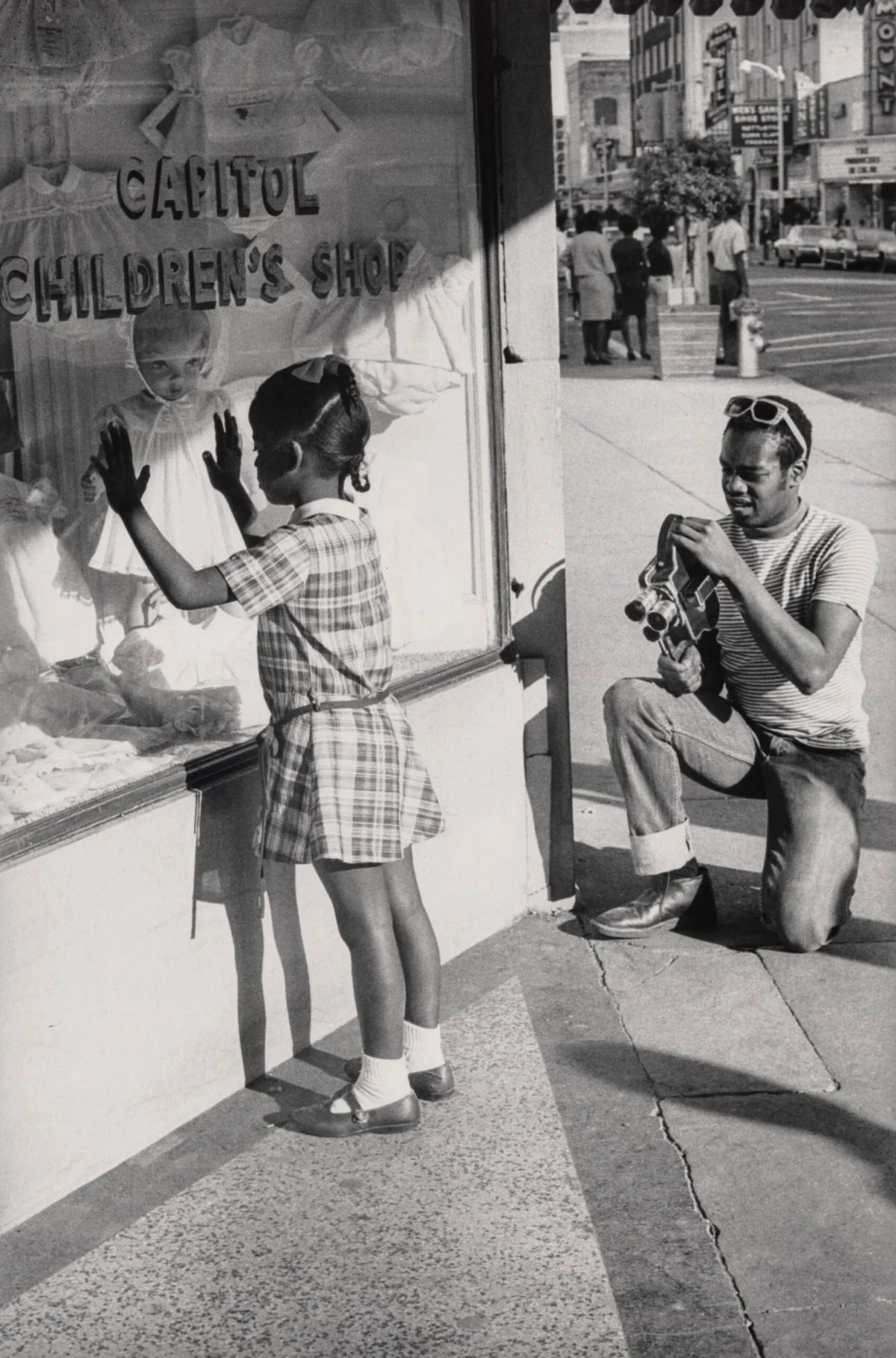
The camera has long been heralded as the most democratic instrument in the history of the visual arts. In the modern era, the ubiquity of smartphone technology has turned nearly every citizen into a documentarian, a witness to the unfolding of history in real-time. Yet, long before the digital age, the lens served as a critical, often dangerous, tool for social transformation. This summer, the Mississippi Museum of Art (MMA) in Jackson, Mississippi, will host a definitive exploration of this legacy.
The exhibition, titled Photography and the Black Arts Movement, 1955-1985, is set to open on July 25 and run through November 8. Spanning three pivotal decades, the show features the work of more than 100 photographers whose images captured the pulse of a nation in flux. From the visceral front lines of the Civil Rights Movement to the experimental aesthetics of Afrofuturism, the exhibition offers an expansive look at how Black photographers used the medium to reclaim their narratives, push back against state-sanctioned racism, and redefine the American identity.
Main Facts: A Comprehensive Survey of Visual Resistance
The exhibition at the Mississippi Museum of Art is one of the most ambitious of its kind, bringing together a vast array of photographic styles and intentions. The collection includes editorial assignments, commercial commissions, intimate self-portraits, and complex mixed-media social critiques. By focusing on the years 1955 to 1985, the MMA highlights the era of the Black Arts Movement (BAM)—often described as the "aesthetic and spiritual sister of the Black Power concept."

The Scope of the Collection
With works from over 100 photographers, the exhibition is not merely a gallery of historical snapshots but a curated dialogue between art and activism. The featured artists range from household names in photojournalism to avant-garde creators who blurred the lines between photography and painting. Key themes explored in the exhibition include:
- The Confrontation of Jim Crow: Images that document the harsh realities of segregation and the systemic violence of the era.
- The Power of Protest: Visual records of strikes, marches, and the everyday acts of defiance that fueled the fight for equality.
- Cultural Iconography: Portraits of figures who shaped Black intellectual and artistic life, such as the musician Sun Ra.
- Self-Representation: A focus on how Black artists chose to see themselves, countering the stereotypical and dehumanizing depictions often found in mainstream white media.
Chronology: Thirty Years of Change (1955–1985)
The timeframe selected for this exhibition—1955 to 1985—is significant as it encompasses the rise, peak, and institutionalization of the Black Arts Movement.
1955–1964: The Seeds of Resistance
The exhibition begins in 1955, a watershed year that saw the brutal murder of Emmett Till and the start of the Montgomery Bus Boycott. During this decade, photography served primarily as a tool for documentation. Photographers like Ernest Withers began capturing the quiet dignity of Black communities in the South, providing the visual evidence necessary to spark a national conscience.

1965–1975: The Radical Shift
By the mid-1960s, the focus shifted from seeking integration to asserting self-determination. This period saw the formal birth of the Black Arts Movement. Art was no longer just about reflecting reality; it was about creating a new one. Photographers became more experimental, using the camera to celebrate "Black is Beautiful" aesthetics and to criticize the Vietnam War’s disproportionate impact on Black soldiers.
1976–1985: Legacy and Expansion
In the final decade covered by the exhibition, the movement’s influence expanded into the mainstream and the global stage. Photographers like Ming Smith and Barkley L. Hendricks began to gain recognition in elite art circles, bringing the sensibilities of the Black Arts Movement into galleries and museums while continuing to push the boundaries of the medium through innovative techniques like gelatin silver printing and chromogenic processing.
Supporting Data: Key Works and Artistic Profiles
To understand the weight of the exhibition, one must look at the specific works that define it. The curators have selected pieces that are both historically significant and artistically revolutionary.

Ernest Withers and the Memphis Strike
One of the most arresting images in the exhibition is Ernest Withers’ 1968 photograph of the Memphis Sanitation Workers Strike. Taken just days before the assassination of Dr. Martin Luther King Jr., the photo depicts a sea of men wearing suits and hats, holding identical signs that read, "I Am A Man." This simple, declarative statement captured by Withers remains one of the most powerful visual indictments of the dehumanization inherent in Jim Crow-era labor practices. Withers’ work underscores the exhibition’s theme of "dignity and respect" as a central tenet of the movement.
Ralph Arnold’s Political Collage
Moving beyond traditional photography, Ralph Arnold’s Above This Earth, Games, Games (1968) utilizes collage and acrylic on canvas to create a biting social critique. By splicing images of American football with scenes of war and destruction, Arnold forces the viewer to confront the juxtaposition of domestic leisure and international violence, suggesting that the "games" played by the state often come at the cost of Black lives.
Ming Smith and the Ethereal Icon
The exhibition also highlights the cultural icons of the era. A dynamic black-and-white photograph by Ming Smith captures the enigmatic jazz leader Sun Ra in New York City in 1978. Smith’s use of light makes Sun Ra’s glittering costume appear like a "halo of brilliant sparks," capturing the musician’s philosophical connection to Afrofuturism and the "space-age" aspirations of the Black Arts Movement.

The Evolution of the Self-Portrait
Barkley L. Hendricks’ Self-Portrait with Red Sweater (1980) represents a shift toward internal exploration. Hendricks, known primarily for his life-sized oil portraits, used photography to study the nuances of his own image. His work in the exhibition highlights the movement’s focus on individual agency and the right of the Black artist to be the subject of their own gaze.
Official Responses and Curatorial Context
The Mississippi Museum of Art has emphasized that this exhibition is as much about the present as it is about the past. By hosting the show in Jackson—a city with a profound and often painful Civil Rights history—the museum acknowledges its role in the ongoing dialogue regarding race and representation in the American South.
The Bond Connection
The curators have framed the exhibition around a poignant quote from Julian Bond, a titan of the Civil Rights Movement and a co-founder of the Student Nonviolent Coordinating Committee (SNCC). Bond once remarked:

"Pictures told, for those who could not see themselves, of the strength and beauty of the people, of the hostility and anger of the opposition, and of the promise of a world free of racism."
This quote serves as the exhibition’s mission statement. It suggests that the photographers featured were not merely taking pictures; they were building a visual vocabulary for a people who had been systematically erased from the American story.
Institutional Significance
The Mississippi Museum of Art’s decision to feature more than 100 photographers indicates a commitment to diversity within the Black experience. By including figures like Doris Derby, who documented the Southern Media movement in Jackson, and Sir Horace Ové, who captured the Notting Hill Carnival in London, the MMA demonstrates that the Black Arts Movement was a global phenomenon with deep local roots.

Implications: The Long Tail of the Black Arts Movement
The significance of Photography and the Black Arts Movement, 1955-1985 extends far beyond the gallery walls. It invites a reconsideration of how we view the history of American art and the role of the artist in society.
From 1985 to the Present
The exhibition concludes in 1985, but its implications are felt in the modern era of Black Lives Matter and digital activism. The strategies used by the photographers of the BAM—the use of the image to document state violence, the celebration of Black joy as a form of resistance, and the insistence on self-representation—are the direct precursors to today’s visual culture.
Educational and Social Impact
For the city of Jackson and the state of Mississippi, the exhibition provides a space for reflection and education. It challenges the "official" histories of the mid-20th century, offering instead a grassroots perspective seen through the eyes of those who lived it. By showcasing the "hostility and anger of the opposition" alongside the "strength and beauty of the people," the MMA fosters a more nuanced understanding of the struggle for civil rights.

The Democratization of Art
Finally, the exhibition reinforces the idea that photography is the ultimate democratic medium. By highlighting works that range from high-fashion editorial (such as Kwame Brathwaite’s portraits) to gritty street photography, the show proves that art does not have to be inaccessible to be profound. In the hands of the Black Arts Movement, the camera was a mirror, a shield, and a megaphone.
As Photography and the Black Arts Movement, 1955-1985 opens its doors this July, it stands as a testament to the enduring power of the image. It reminds us that while a photograph may capture a single moment in time, its ability to inspire change can last for generations. For the viewers in Jackson and beyond, these images are not just historical artifacts; they are the visual blueprint of a revolution that is still very much in progress.

Leave a Comment