
Rolling Out the Dough: An In-Depth Look at ‘Pawsta’ and the Evolution of the Cozy Cooking Genre
The indie gaming landscape has undergone a seismic shift over the last decade, moving from high-octane, adrenaline-fueled experiences toward what is now affectionately termed "cozy gaming." Within this burgeoning sub-genre, a new title has begun to capture the hearts of aesthetic enthusiasts and casual gamers alike. Pawsta, a visually striking claymation cooking simulator, represents the latest evolution of the "wholesome" movement. Featuring a protagonist named Rigatoni—a small mouse with big culinary ambitions—the game offers more than just a digital kitchen; it offers a tactile, meditative experience that stands in stark contrast to the high-pressure environments typical of the cooking-sim genre.
Main Facts: A Tactile Culinary Adventure
At its core, Pawsta is a narrative-driven cooking game where players assume the role of Rigatoni, a mouse dedicated to assisting their grandmother in the family restaurant. While the premise of a rodent chef may draw superficial comparisons to Pixar’s Ratatouille, Pawsta carves out its own identity through its unique art style and mechanical philosophy.
The Claymation Aesthetic
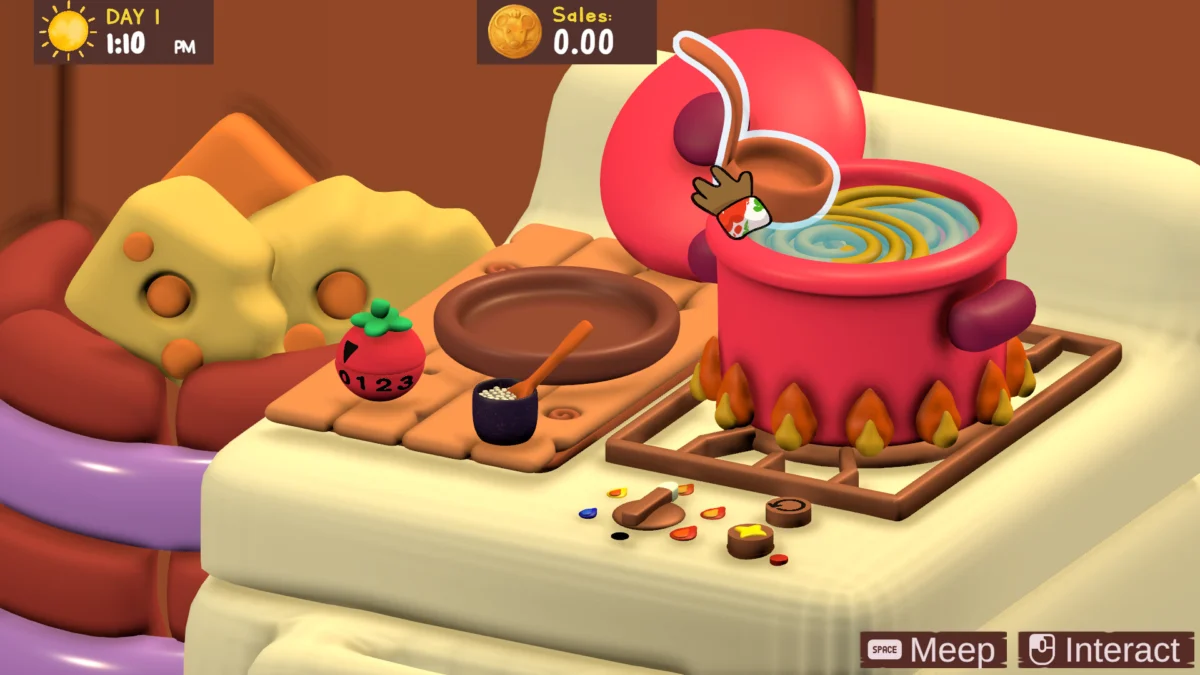
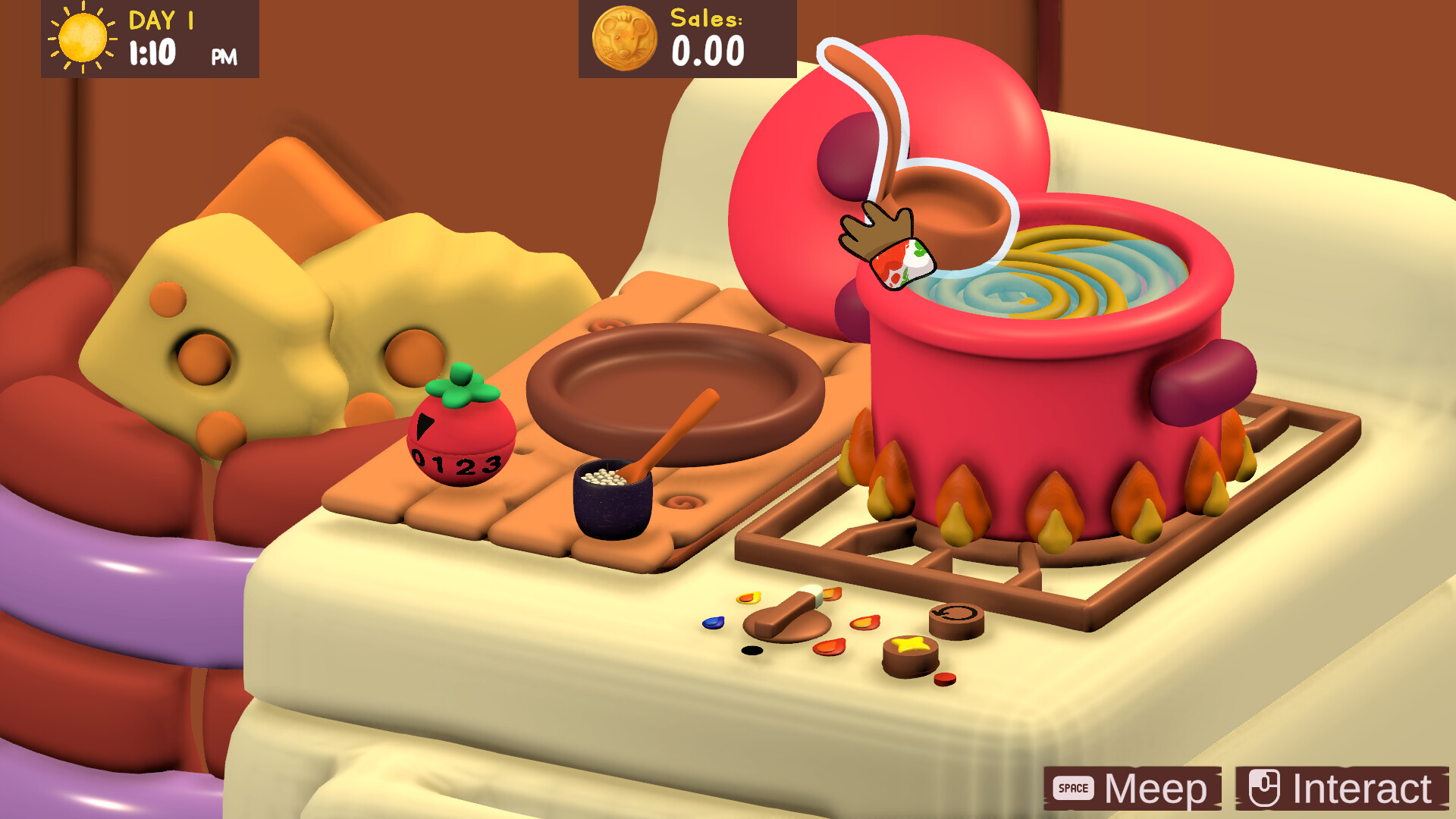
The most immediately striking feature of Pawsta is its commitment to a claymation aesthetic. Unlike the clean, vector-based graphics of many indie titles or the high-fidelity realism of AAA games, Pawsta utilizes a visual language that feels handcrafted. Every character, piece of furniture, and strand of pasta appears as though it were painstakingly molded by hand. This "stop-motion" feel provides a sense of weight and texture that is rare in digital media, evoking a nostalgia for classic children’s programming while maintaining a modern, polished gameplay loop.
Gameplay Mechanics and Loop
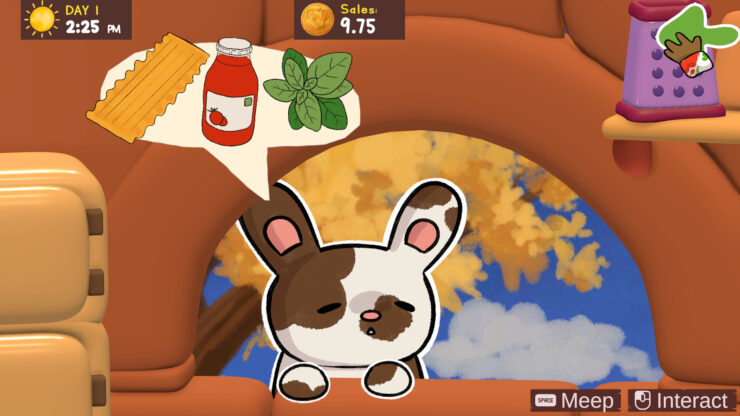
The gameplay loop is intentionally designed to be intuitive and rewarding. Customers enter the restaurant, and their desires are communicated through clear, stylized icons hovering above their heads. The process of fulfilling an order is broken down into several tactile stages:
- Preparation: Retrieving pasta dough from the refrigerator.
- Processing: Rolling out the dough and cutting it into the desired shape.
- Cooking: Boiling the pasta to perfection.
- Assembly: Moving the dish through the sauce station and the topping station.
- Service: Delivering the final product to the customer.
A key differentiator in Pawsta is the degree of player agency in the final presentation. Players can choose the volume of sauce and the distribution of toppings, allowing for a level of creative expression that many "fixed-recipe" cooking games lack.
Chronology: From Concept to the Wholesome Direct
The journey of Pawsta from a nascent concept to a highly anticipated indie title follows the typical trajectory of modern "Wholesome Games" successes. While the developer has kept much of the early production history under wraps, the game’s public timeline reached a significant milestone during the Wholesome Direct 2025.
The Wholesome Direct Reveal
The Wholesome Direct has become the premiere showcase for games that prioritize comfort, kindness, and low-stress mechanics. The debut of the Pawsta "Sneak Peek" trailer served as a catalyst for the game’s popularity. It introduced the gaming public to Rigatoni’s world and established the game’s "no-fail" philosophy.
Current Development Status
As of the latest updates, Pawsta remains in active development. The developers have focused on refining the core "home kitchen" mechanics before expanding the scope of the game. Early playtests and previews have highlighted the game’s charm, though they have also identified areas for improvement, such as the clarity of UI highlights—a common hurdle in games where the environment is as detailed as the interactable objects.
The Roadmap Ahead
Looking forward, the scope of Pawsta is set to expand significantly. The narrative will eventually take Rigatoni beyond the confines of their grandmother’s kitchen. The developers have promised a "world tour" element, where Rigatoni travels to various global locations to learn diverse culinary styles. This suggests a progression system that introduces new ingredients, tools, and cultural traditions, keeping the gameplay fresh as the player advances.
Supporting Data: The Rise of "Low-Stress" Simulators
To understand why Pawsta is generating significant buzz, one must look at the data surrounding the "cozy" genre. Since 2020, Steam has seen a massive uptick in tags such as "Wholesome," "Relaxing," and "Cozy."
Market Trends
Research into player demographics shows a growing segment of "comfort gamers"—individuals who use gaming as a tool for stress regulation. Unlike Overcooked!, which utilizes "enforced chaos" and strict timers to create a party-game atmosphere, Pawsta aligns with titles like Unpacking or A Short Hike. In these games, the lack of a "Game Over" screen is not a lack of challenge, but rather a deliberate design choice to foster a "flow state."
The Power of the Wishlist
The developers have encouraged fans to add Pawsta to their Steam Wishlists, a critical metric for indie success. High wishlist numbers are often the deciding factor in whether a game receives front-page featuring on digital storefronts or attracts the attention of publishers. The engagement following the Wholesome Direct suggests that Pawsta is on track to be one of the breakout indie hits of its release year.
Technical Hurdles of Claymation
While the art style is a selling point, it also presents unique technical challenges. Animating clay-like textures requires specialized shaders and lighting to ensure the "tactile" feel translates to a 3D environment. The development team has invested significant resources into ensuring that the interactions—such as the way sauce coats the pasta—feel physically grounded, contributing to the "ASMR" (Autonomous Sensory Meridian Response) quality of the gameplay.
Official Responses: Design Philosophy and Developer Vision
While official press releases have been concise, the design philosophy behind Pawsta can be inferred from the developer’s public interactions and the game’s core mechanics.
A Rejection of the "Angry Customer" Trope
In most restaurant simulators, a slow player is punished with angry NPCs, lost points, or a failing grade. The team behind Pawsta has explicitly rejected this. As noted in early impressions, if a dish isn’t perfect or takes a long time, the customers—a variety of charming animals—simply take the food and eat it anyway.
The developers have stated that the goal was to create a space where players can "spend as much time as they want washing dishes or perfecting a garnish." This response to the "hustle culture" of gaming is a cornerstone of their brand.
Addressing Feedback
In response to early feedback regarding the clarity of objective highlights, the development team has signaled an openness to UI/UX iterations. "Making a world that looks like real clay is one thing; making sure the player knows what they can touch in that world is another," a spokesperson for the project noted during a community Q&A. This commitment to accessibility ensures that the game remains "cozy" rather than frustrating.
Implications: The Future of Culinary Gaming
The impending release of Pawsta carries several implications for the indie industry and the broader gaming culture.
1. The "Handcrafted" Renaissance
Pawsta joins a small but prestigious group of games (such as Harold Halibut) that use non-traditional art styles to stand out in a crowded market. If Pawsta succeeds, it may encourage more developers to experiment with stop-motion, claymation, and other "physical" art forms, moving away from the standard pixel art or low-poly 3D models that dominate the indie scene.
2. Cultural Education Through Play
By expanding Rigatoni’s journey to include global culinary styles, Pawsta has the potential to serve as a gentle educational tool. Cooking games often focus on Western or Japanese cuisine; by taking the player "all over the world," Pawsta can introduce global audiences to a wider variety of food traditions in a respectful and engaging format.
3. The Normalization of "Slow Gaming"
Pawsta reinforces the idea that games do not need high stakes to be "fun." In an era of live-service games designed to monopolize a player’s time through daily tasks and "Fear Of Missing Out" (FOMO), Pawsta offers a self-contained, pace-your-own-experience model. This could influence how other developers approach difficulty and player retention, focusing on the quality of the atmosphere rather than the intensity of the challenge.
Conclusion
Pawsta is more than just a game about a mouse making macaroni; it is a testament to the power of aesthetic and the growing demand for digital spaces that offer peace rather than pressure. With its unique claymation visuals, its "no-fail" gameplay philosophy, and its upcoming global narrative, Pawsta is poised to become a staple of the cozy gaming community. As Rigatoni prepares to take their grandmother’s recipes to the world stage, players are eagerly waiting to roll up their sleeves and join the kitchen—at their own pace.
Pawsta is currently in development and is available for wishlisting on Steam.



Leave a Comment