
The Terror: Devil in Silver – Episode 4: Halfway to Hell, A Soul’s Descent
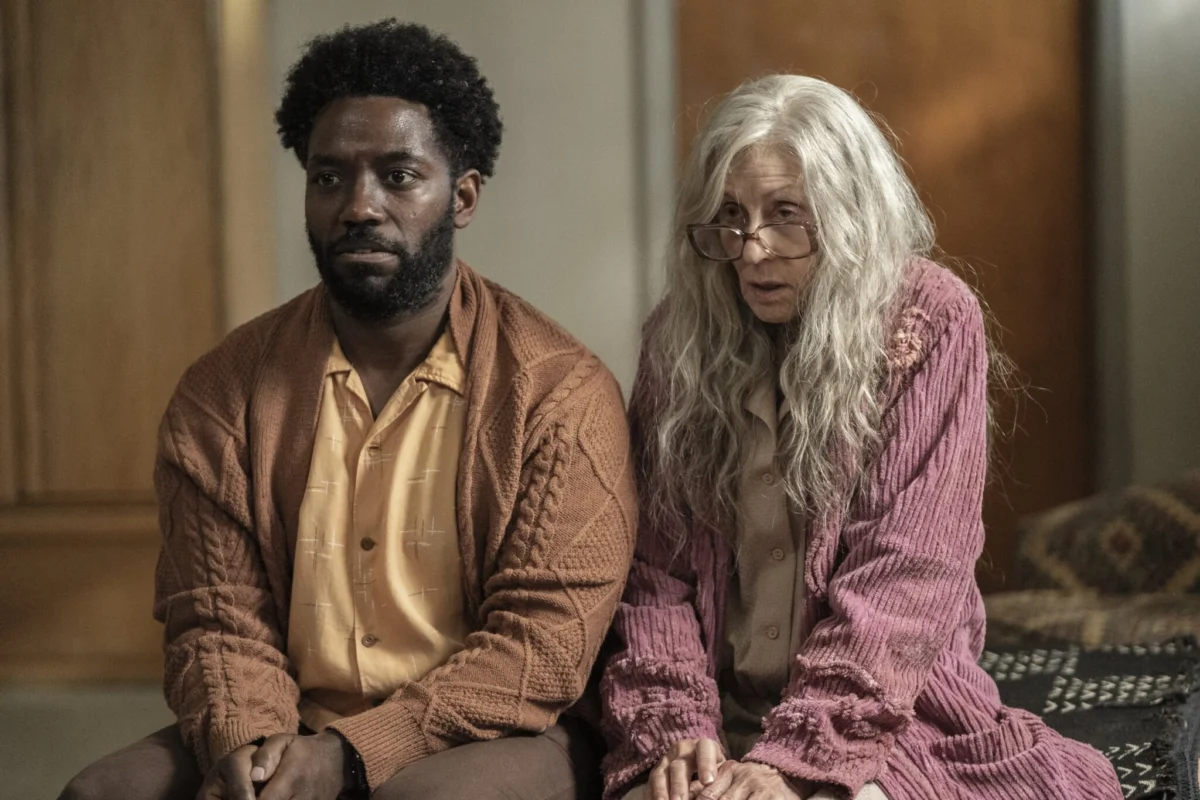
New Hyde State Hospital, New York – As The Terror: Devil in Silver crosses its halfway point, the psychological and supernatural horrors intensify, solidifying New Hyde as a chilling crucible for its residents. The fourth episode, titled "The Pizza Party," serves up a disquieting blend of mundane institutional life, profound personal tragedy, and escalating existential dread. Audiences witnessed a seemingly innocent pizza party morph into a catalyst for chaos, a heart-wrenching confrontation between a father and his lost son, and the deepening shadow of an "all-consuming void" that threatens to swallow every soul within the asylum’s walls. This installment not only ratchets up the tension but also profoundly explores the show’s central themes: the fragility of sanity, the insidious nature of systemic abuse, and the stories we construct to survive—or succumb to—our own personal devils.
Main Facts: A Descent into Deeper Terrors
Episode four plunges deeper into the murky reality of New Hyde, revealing the institution as less a place of healing and more a predatory ecosystem. Following Pepper’s brutal attack, the narrative deftly exposes the staff’s cynical cover-up, painting a stark picture of an environment where truth is malleable and patient well-being is secondary to administrative control. The episode’s core events include:
- The Cover-Up and Conflicting Realities: The staff officially dismiss Pepper’s attack as self-harm, while patients offer diverse, terrifying theories about the "silver door" entity—ranging from a buffalo monster to the devil itself.
- Badger’s Demise: The ostensibly protective, albeit self-serving, patient advocate Badger meets a grisly end, mirroring Officer Louie’s fate, after attempting to challenge the system.
- Louie’s Spectral Return and a Faustian Bargain: Officer Louie, believed to be deceased, reappears to a clear-headed Pepper, tempting him with a deal involving ancient evil, Zoroastrianism’s Ahriman, and the promise of escape at a steep price.
- Anthony’s Visit and Pepper’s Moral Bankruptcy: Pepper’s estranged son, Anthony, visits, hoping for reconciliation, only to be crushed by his father’s continued selfishness and manipulative pursuit of freedom.
- The Sal’s Brawl: A pizza party outing culminates in a violent outburst from the patients, triggered by external prejudice and exacerbated by their withdrawal from medication, leading to further punitive measures.
- Coffee’s Tragic Revelation: Patient Coffee shares a heartbreaking glimpse into his past, revealing the profound emotional cost of his medication regimen.
These plot points converge to illustrate a relentless system that not only fails its patients but actively preys upon them, using their vulnerabilities as leverage. The episode starkly contrasts the perceived "madness" of the patients with the calculated cruelty and willful ignorance of the institutional staff, blurring the lines between who the real monsters are.
Chronology: The Unraveling of New Hyde
The fourth episode picks up immediately after the harrowing events of Pepper’s attack, setting a tone of escalating dread and systemic corruption.
The Aftermath and the Web of Deceit:
The episode opens with the unsettling aftermath of Pepper’s violent encounter, leaving him bruised and disoriented. Rather than acknowledging the possibility of an external threat, the New Hyde staff, led by the pragmatic Josephine, concocts a convenient narrative: Pepper was caught self-harming after attempting to steal Josephine’s keys, necessitating restraint. This official story, a thinly veiled lie, immediately establishes the institution’s modus operandi: control through narrative, denial of inconvenient truths, and the systemic gaslighting of its most vulnerable residents.
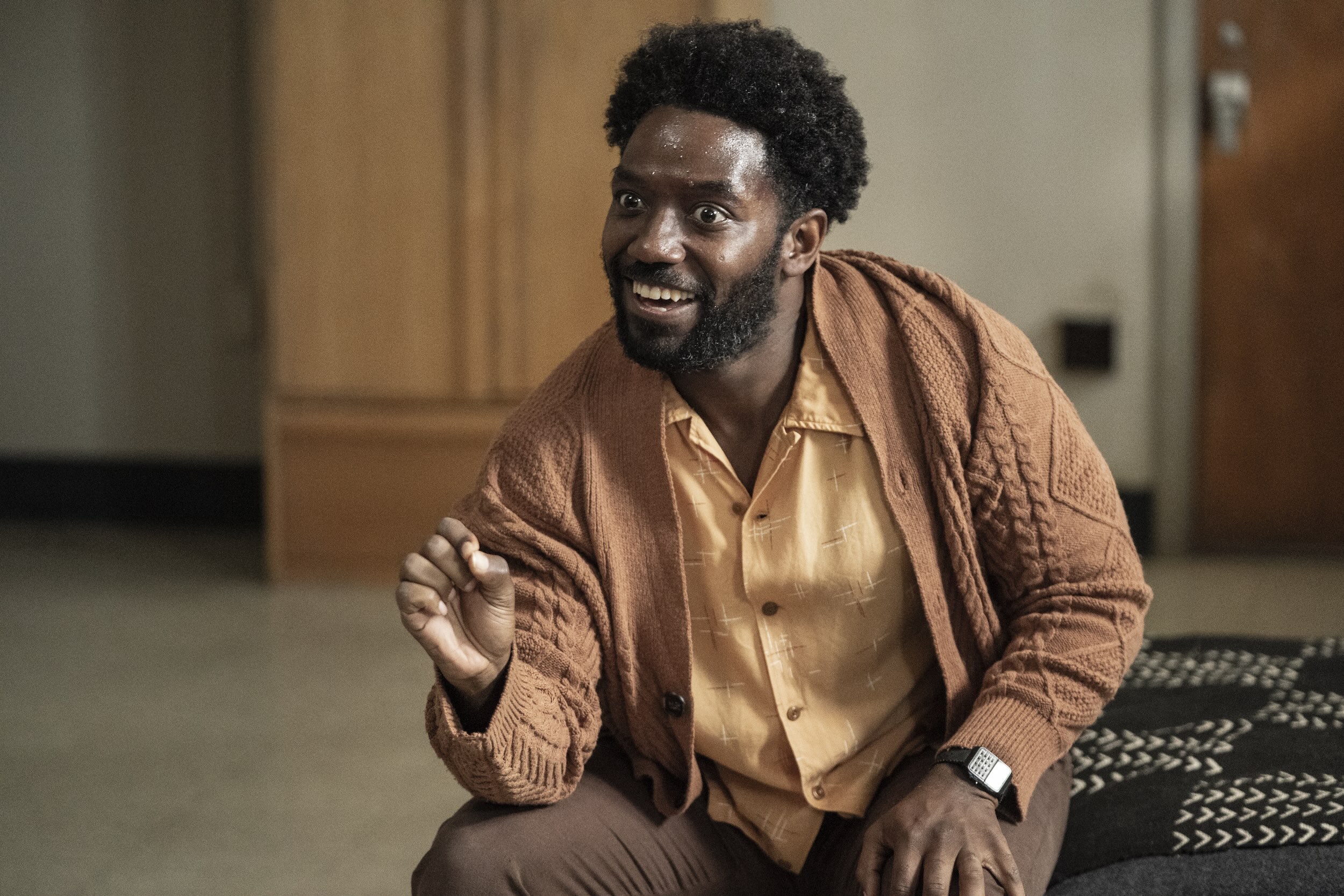
Among the patients, however, the truth, or at least a terrifying approximation of it, remains stubbornly present. The entity behind the infamous silver door becomes a canvas for their deepest fears and fragmented understandings. Loochie, a self-proclaimed "lifer," posits it as a manifestation of her darkest nightmares, suggesting an internal, psychological terror made manifest. Coffee, ever the devout, attributes it to the devil, a malevolent supernatural force. Dorry, perhaps clinging to a more tangible fear, believes it’s a man, a human perpetrator of cruelty. Pepper, haunted by his own traumatic experience, insists on a "buffalo monster." These varied interpretations underscore the profound isolation of each patient, yet collectively they paint a picture of a shared, undeniable evil within New Hyde. The chilling implication is clear: survival within these walls demands resignation. Loochie, by embracing her status as a "lifer," becomes "interesting enough to haunt but not tempting enough to hurt," suggesting the entity preys on those who dare to hope for escape or possess the influence to expose the truth. This explains the fates of individuals like Badger and Officer Louie, whose attempts to bring attention to Northwest (or New Hyde, as the context implies) were met with fatal consequences. The mysterious Dr. Walter, a seemingly ancient figure whose involvement remains opaque, further deepens the enigma of the institution’s origins and enduring malevolence.
Badger’s Futile Resistance:
Badger, initially positioned as a de facto patient leader, reveals his true colors as a man more concerned with performative posturing than genuine advocacy. His interaction with Pepper after the attack is a stark example: instead of offering solace or seeking understanding, he issues threats of "non-compliance." His callous disregard extends to physically manipulating Pepper’s wheelchair without permission, a deeply disrespectful act towards someone already vulnerable. When confronted by Anand, the oppressive authority figure, Badger meekly gestures an apology and retreats to the comforting distraction of Jaws. His ultimate act of defiance—composing a "strongly worded email"—is tragically futile, sealing his fate. Like Officer Louie before him, Badger’s attempt to challenge the system, however weak, marks him for destruction, highlighting the brutal consequences of even the slightest resistance within New Hyde.
The Devil’s Advocate and a Desperate Pact:
The first truly shocking arrival comes in the form of Officer Louie, the cop who seemingly died by suicide in the series premiere. His reappearance, now engaging Pepper in a clear-headed conversation about "devils and deals," shatters the fragile boundary between reality and hallucination. Pepper is lucid; this isn’t a drug-induced vision or a "rat in the ceiling tiles." The conversation delves into the obscure, referencing Ahriman, an evil spirit from Zoroastrianism. The implication that Pepper, if this is truly all in his head, possesses such esoteric knowledge is unsettling. Desperate to escape, Pepper makes a perilous decision: a "deal with the devil." His desperate plea to "do anything to get out" is a chilling foreshadowing, as Louie’s menacing presence assures the audience that this pact will indeed come with a heavy, perhaps soul-shattering, price.
A Son’s Heartbreak and a Father’s Selfishness:
Pepper’s second visitor, his son Anthony (Hayward Leach), brings a raw, emotional core to the episode. The initial phone call, followed by the in-person meeting, is a masterclass in conflicting human motivations. For Pepper, these moments are genuine in his yearning for connection, yet simultaneously tainted by self-interest. He attempts to leverage Anthony for his own escape, even playing the "family card," knowingly breaking his son’s heart in the process. This scene powerfully reinforces Pepper’s character flaw: his consistent choice of instant, selfish relief over long-term, painful but ultimately beneficial actions. The reviewer’s personal connection to Anthony’s plight resonates deeply, illustrating the universal pain of confronting a disappointing parent. Anthony, hoping for the best but braced for the worst, receives exactly what he expected, yet the blow is no less devastating. This meeting, the reviewer suggests, might be the catalyst for Anthony to finally move on from his father, a poignant narrative arc for a character absent from the source material.
The Sal’s Brawl and the System’s Blinders:
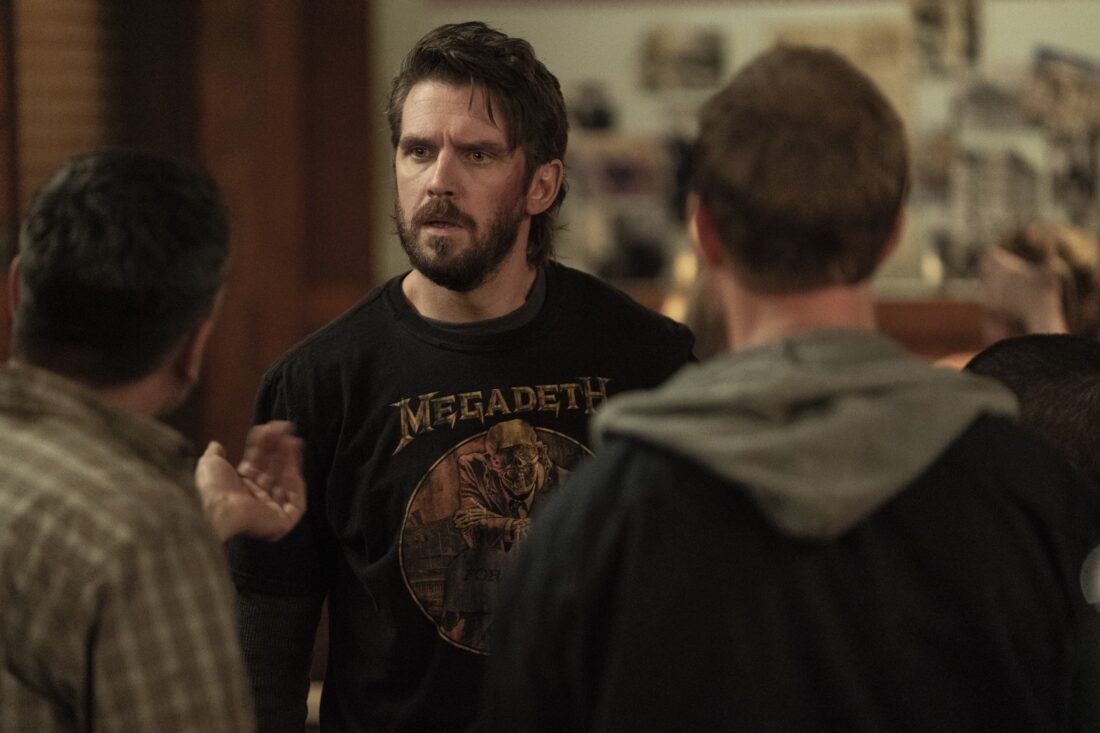
Pepper’s destructive patterns extend beyond his family to his interactions with the New Hyde patients, mirroring his "doomed romance" with Antoinette. His negligence and self-interest, though not directly causing their mental health struggles, consistently exacerbate them. The outing to Sal’s for a pizza party, meant as a "treat," quickly devolves into chaos. The patients, off their prescribed medications, are vulnerable, and when subjected to the dehumanizing slurs and physical attacks of the outside world, they lash out. Scotch Tape’s fierce defense of Loochie is a moment of visceral, protective anger, yet it also highlights Pepper’s own "twisted sense of masculinity and chivalry"—he often defends others, but it often serves his own warped sense of self. Anand, the institution’s director, views the brawl solely as "inexplicable noncompliance," utterly failing to grasp the root causes—the patients’ unmedicated state, the external prejudice, and the system’s inherent failures. His fifteen years running New Hyde have clearly instilled a profound disinterest in anything beyond absolute compliance, cementing the facility’s role as a place of control, not care.
Supporting Data: The System’s Failures and Societal Neglect
Beyond the immediate narrative, Episode 4 of The Terror: Devil in Silver provides fertile ground for a broader critique of mental health treatment and societal attitudes towards the vulnerable.
Coffee’s "Blue Skies" and the Emotional Void:
One of the most devastating insights comes from Coffee, who recalls feeling "blue skies" when he was off his medication in 2009, only to now experience a profound emotional numbness. This brief, poignant revelation is a crucial moment, hinting at the complex and often brutal trade-offs inherent in psychiatric treatment. The reviewer rightly laments the show’s decision to cut away from this conversation, as Coffee’s backstory—the life he led before, the young woman in the photograph—could provide invaluable context. Deeper exploration here would not only enrich Coffee’s character but also offer a more nuanced perspective on the impact of medication and the individual’s struggle to reclaim their emotional landscape. The show, in its focus on the horror, occasionally misses opportunities to delve into the human stories that make the horror so impactful.
The False Binary of Mental Health Treatment:
A significant critique emerges regarding the show’s portrayal of mental health treatment. The article argues that The Terror: Devil in Silver inadvertently establishes a "false binary" between being "crazy" and being "drugged up." This oversimplification is problematic because it overlooks the possibility of properly administered medications that genuinely aid patients in managing their conditions and improving their quality of life. While the show’s core premise is a horror story about a system crushing individuals, presenting only two extreme options risks playing into harmful "MAHA (Mental Health Anti-medication) disinformation." Such narratives can perpetuate stereotypes about the mentally ill and discourage individuals from seeking legitimate, beneficial psychiatric help. Anand’s cynical pronouncement—"You people, you need your meds. This is why we prescribe them"—is, in a twisted way, partly true. However, the crucial distinction, as the article highlights, is that Anand’s motivations are not solely therapeutic. He overmedicates patients primarily for "compliance," to make them "docile," thereby serving the institution’s control mechanisms rather than the patients’ genuine recovery. The show could have enriched its social commentary by introducing a third option, even hypothetically: a vision of what New Hyde could be if it genuinely prioritized patient well-being, contrasting it with the dystopian reality presented.
Societal Disregard for the Disabled and Mentally Ill:
The episode, particularly through the Sal’s brawl, also functions as a powerful indictment of Western society’s historical and ongoing insistence on hiding away disabled and mentally ill individuals. The article draws a compelling lineage from "ugly laws" (historical statutes that forbade individuals with disfigurements from appearing in public), to the warehousing of people in insane asylums, to the modern-day realities of homelessness and incarceration for those with mental illnesses. The mention of RFK’s "wellness farms" serves as a contemporary example of how society continues to seek "solutions" that often prioritize removal and control over genuine integration and support.
The aftermath of Reagan’s deinstitutionalization policy, which closed many large psychiatric hospitals, is crucial context. Instead of adequately funding community-based care and support systems, society largely abandoned these individuals, pushing them onto the streets or into prisons. The behavior of the customers at Sal’s—spewing slurs and physically attacking the vulnerable patients—is not an isolated incident but a microcosm of this broader societal prejudice. It underscores the chilling truth that it’s not just that New Hyde is the "last place left to help" the mentally ill, but that the outside world, through its prejudice and neglect, actively doesn’t want to help them. This broader societal context elevates the horrors of New Hyde from a singular evil institution to a symptom of a much larger, deeply entrenched societal pathology.
Official Responses: The Fabricated Realities of New Hyde
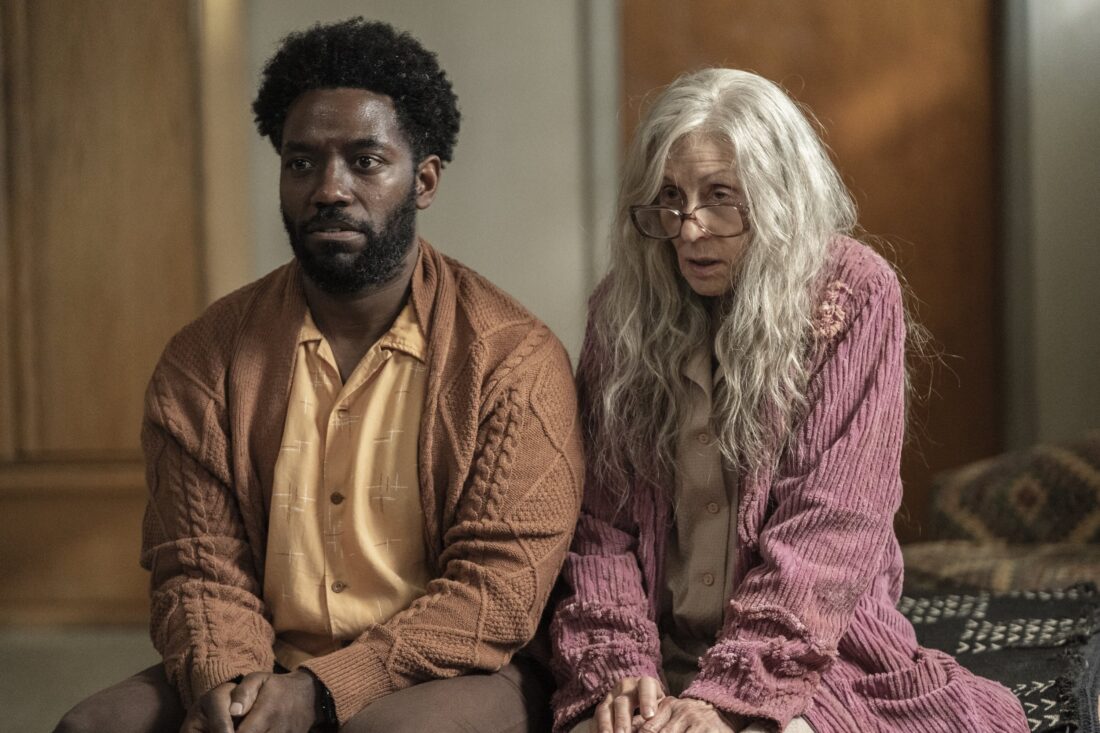
One of the most profound and recurring themes in Episode 4 is the idea of "the stories we tell ourselves." In New Hyde, reality is a fractured and subjective construct, shaped by fear, self-preservation, and institutional narratives.
The Power of Personal Narratives:
- The Patients’ Entity: The conflicting theories among the patients about the "silver door" entity—monster, man, devil, nightmare—are not just wild guesses. They are coping mechanisms, attempts to impose order on an incomprehensible terror. For some, a monster is a more palatable evil than a human tormentor, while for others, the reverse is true. Each narrative reflects their individual psychological landscapes and fears.
- Josephine’s Denial: Josephine’s unwavering repetition of the official cover-up for Pepper’s attack, despite her own likely doubts, is a crucial "official response." It highlights how staff, too, must adhere to a fabricated reality to maintain their roles and the institution’s facade.
- The Public’s Dehumanization: The customers at Sal’s, by spewing slurs and attacking the patients, are telling themselves a story: that these individuals are "worthless" and "barely human." This narrative allows them to avoid confronting the uncomfortable truth of a broken system and their own complicity in society’s neglect.
- Dorry’s Comfort in Control: Dorry’s perception of lorazepam and pizza as "treats," rather than instruments of control, illustrates the insidious nature of institutional power. She has internalized the narrative offered to her, finding comfort in the small mercies, however manipulative they may be.
- Coffee’s Selective Memory: Coffee’s recollection of only the "blue skies" from being off his meds, omitting the manic-depressive episodes, is a poignant example of selective memory—a story we tell ourselves to romanticize the past and avoid the full, painful truth.
- Loochie’s Bravado: Loochie’s puffed-up recounting of her encounters with the devil, contrasted with her shivering terror, reveals a desperate attempt to assert control and agency through a fabricated persona. She tells herself a story of strength, even as her body betrays her fear.
- Badger’s Self-Delusion: Badger’s persistent posturing as the "guy in charge" is his own self-serving narrative. He dies without ever truly seeing the patients as people, his actions driven by ego rather than empathy.
- Anand’s Systemic Blindness: Anand’s steadfast belief that "everything is fine" is a necessary delusion for him to maintain his position. To acknowledge the horrors would be to risk his job, illustrating how self-preservation fuels institutional denial.
- Anthony’s Euphemism: Anthony’s heartbreaking description of his mother’s death—"She fell. A long way down"—is a protective euphemism, a story he tells himself to cope with an unbearable truth.
- Pepper’s Self-Deception: At the heart of the episode is Pepper’s profound self-deception. He tells himself he is a "good person being victimized by outside forces," yet he consistently hurts others for selfish reasons. His attempts to play the "cool dad" with Marisol’s daughter ring hollow when contrasted with his cruel dismissal of Anthony’s genuine plea.
The Jaws Metaphor:
The constant background presence of the film Jaws is a brilliant and unsubtle metaphor for this theme of myth-making. From the exaggerated war stories the men tell each other to the transformation of a predatory animal into a "great and terrible monster," Jaws is inherently about how humans construct narratives around fear. In New Hyde, the "shark in the water" is both literal and metaphorical—the entity, the system, and the internal demons. The repeated dialogue about the shark, the blood, and the need to kill it, hammers home the point: they are all grappling with an unseen, powerful threat, and their survival depends on how they interpret and respond to the stories they tell themselves about it. The show deliberately blurs the lines, leaving both characters and audience uncertain of what is objectively "real" and what is a terrifying fiction.
Implications: The Inevitable Reckoning
The fourth episode leaves viewers on a knife-edge, with profound implications for the characters and the overarching narrative. The deaths of Badger and Louie, coupled with Pepper’s Faustian bargain, signal an escalating body count and a tightening noose around the remaining patients.
Pepper’s Doomed Path: Pepper’s deal with Louie, likely a manifestation of Ahriman, marks a critical turning point. He has traded his soul for the promise of escape, a decision that will undoubtedly lead to further moral compromises and deeper entanglement with the malevolent forces at play. His consistent selfishness, highlighted by his cruel interaction with Anthony, suggests he is not a hero destined for redemption but a flawed individual on a trajectory of self-destruction, potentially becoming another tool of the entity he seeks to escape.

The Unescapable System: The relentless nature of New Hyde, which systematically eliminates anyone who tries to leave or expose its abuses, implies that escape might be an illusion. The institution itself, with Dr. Walter as its ancient, enigmatic puppet master, seems to be a self-sustaining horror. The "all-consuming void" isn’t just a metaphor for mental illness; it represents the systemic failure that swallows individuals whole, leaving no trace. The question shifts from if Pepper can escape to what price he will pay, and whether that escape will be truly meaningful or merely a transition to another form of captivity.
The Broader Social Commentary: The show’s sharp critique of the mental health system and societal indifference resonates deeply. By showcasing the patients’ vulnerability, the staff’s cruelty, and the outside world’s prejudice, The Terror: Devil in Silver forces viewers to confront uncomfortable truths about how society treats its most marginalized. The implications are that these horrors are not confined to a fictional asylum but are reflections of real-world issues, demanding introspection and systemic change.
Escalating Horror and the Unknown: The episode concludes with a palpable sense of impending doom. The "worst is yet to come," a chilling promise that the remaining episodes will push the boundaries of psychological and supernatural horror even further. The ambiguity surrounding the entity’s true nature—is it supernatural, a product of collective delusion, or a deeply human evil?—will continue to drive the narrative, keeping both characters and audience in a constant state of unease. As the "shark" continues to feed, the question remains: who will be next, and can anyone truly survive the depths of New Hyde?



Leave a Comment