
Global Creative Excellence: D&AD 2026 Celebrates Record-Breaking International Participation and Yellow Pencil Winners
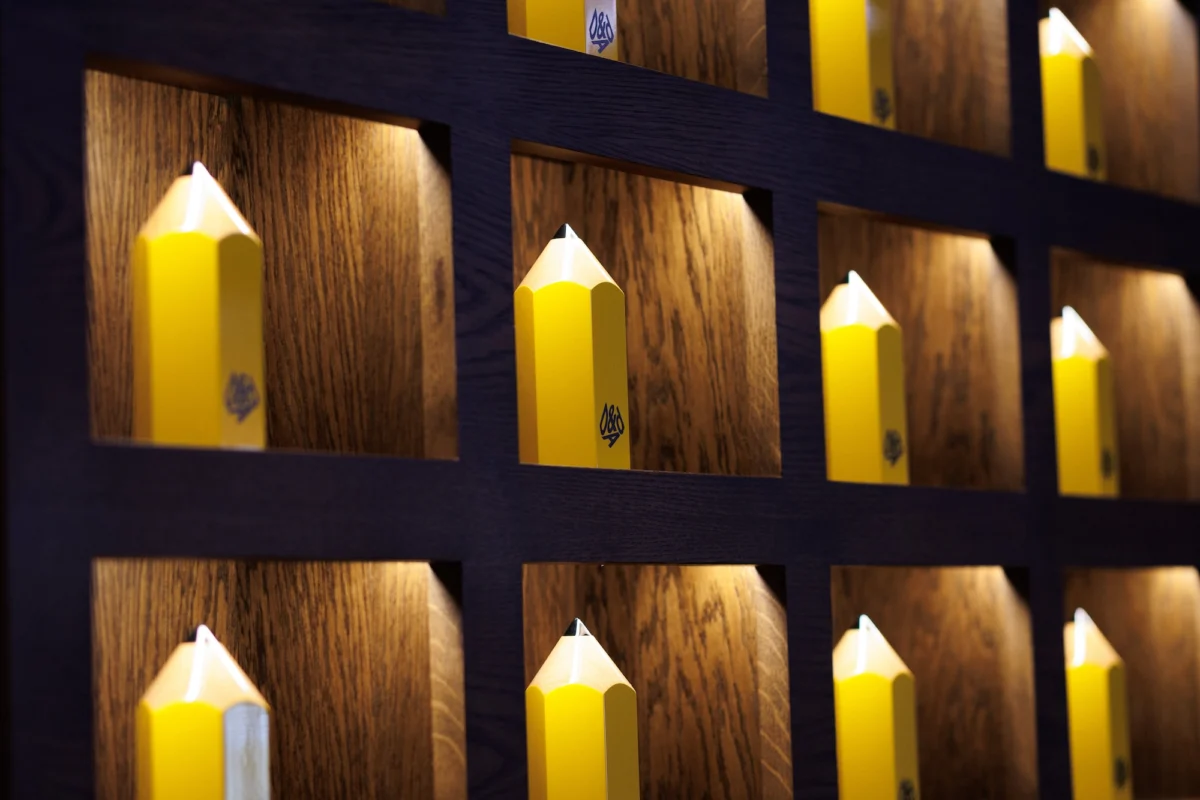
The commercial creative industry’s most prestigious benchmark, the D&AD Awards, has once again set a new standard for global excellence. As the 2026 awards cycle concludes its primary judging phase, the organization has revealed a record-breaking year of participation, reflecting a landscape where creativity knows no borders. With entries spanning 89 countries—the highest in the organization’s storied history—the D&AD Pencil remains the ultimate symbol of craft, innovation, and impact in design and advertising.
Main Facts: A Landmark Year for Global Creativity
The D&AD (Design and Art Direction) Awards have long been regarded as the "Oscars" of the creative world. Founded in 1962, the UK-based non-profit has spent over six decades championing the best in commercial creativity. This year’s iteration, however, represents a significant shift toward a truly decentralized creative economy. The record-breaking 89 participating nations underscore a movement where agencies from emerging markets are competing—and winning—alongside traditional powerhouses like London, New York, and Tokyo.
A strategic change in the awards’ timeline has also been implemented this year. While the majority of the winners, including the Wood, Graphite, and Yellow Pencils, have been announced, the ultimate honors—the Black Pencils and the D&AD Rankings—will be withheld until a dedicated gala ceremony in September. This "breathing room" is designed to allow the industry to digest the breadth of work awarded the Yellow Pencil, which signifies "creative excellence" and is often the precursor to the industry-defining Black Pencil.
Under the presidency of Lisa Smith, Executive Creative Director at Uncommon Creative Studio, the 2026 awards have focused heavily on work that bridges the gap between high-level craft and social utility. From radical accessibility in typography to geopolitical brand activism, the Yellow Pencil winners of 2026 represent a diverse cross-section of how brands are navigating an increasingly complex global landscape.
Chronology: From Deliberation to the President’s Lectures
The 2026 D&AD festival week in London was a multi-stage event that combined rigorous judging with intellectual discourse.
The Judging Phase
Earlier this week, over 300 of the world’s leading creatives gathered in venues across London to deliberate on thousands of entries. Unlike many other awards, D&AD judging is conducted in person, allowing for intense debate. Jury members shared insights through public panels, noting that this year’s entries showed a marked shift away from "AI for AI’s sake" toward more integrated, human-centric applications of technology.
The President’s Lectures
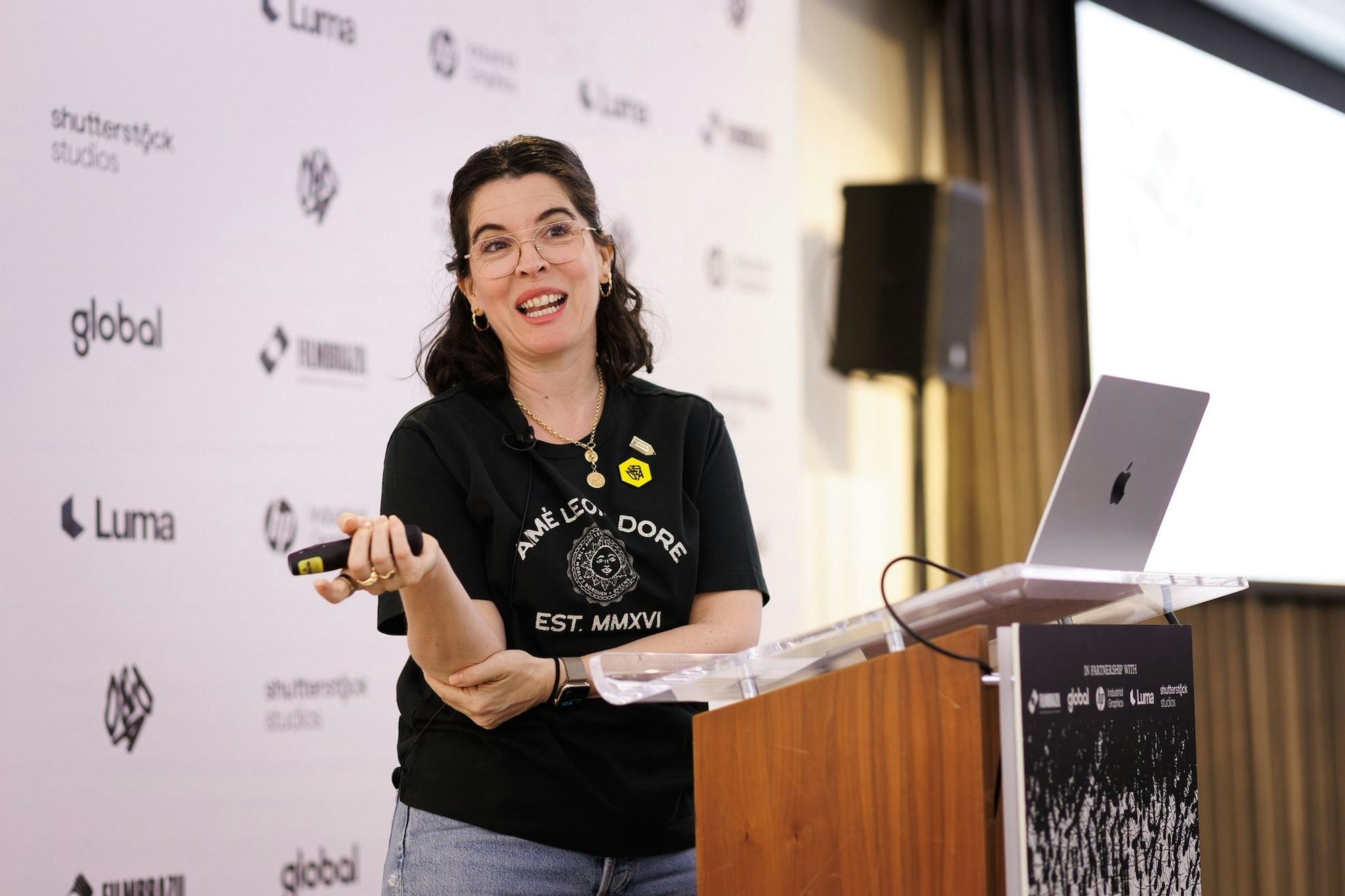
Following the judging, the focus shifted to the "President’s Lectures," a series of talks curated by D&AD President Lisa Smith. The lineup featured a "who’s who" of the design world:
- Stefan Sagmeister: Explored the intersection of beauty and functionality.
- Mary Lewis: Discussed the enduring power of iconic branding.
- Talia Cotton: Provided insights into the future of data-driven design.
- Alex Center: Focused on the "branding of culture" and the role of design in the startup ecosystem.
The Announcement
The week culminated in the digital unveiling of the Yellow, Graphite, Wood, and Future Impact Pencil winners. By delaying the Black Pencil announcement, D&AD has ensured that the "best in show" work is not overshadowed by the singular pursuit of the top prize, giving the industry time to analyze the technical craft behind the Yellow Pencil winners.
Supporting Data: Analysis of 10 Definitive Yellow Pencil Winners
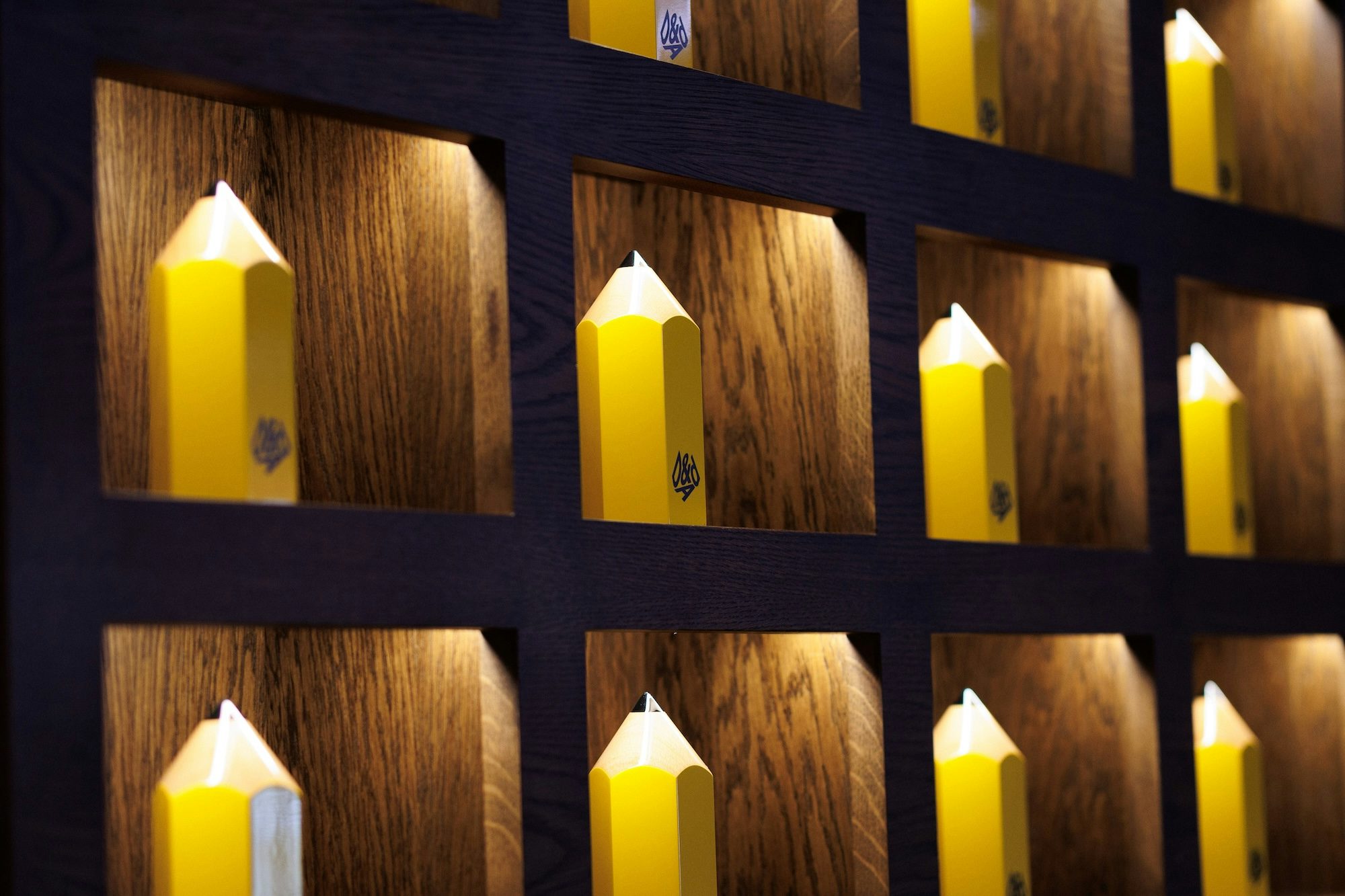
The Yellow Pencil is awarded to work that is "truly exceptional." The 2026 winners demonstrate a fascination with accessibility, digital-physical integration, and the subversion of traditional media.
1. Accessibility as Aesthetic: "Caption with Intention"
Co-created with the Chicago Hearing Society, this project moves closed captioning from a functional afterthought to a narrative tool. By using variable typefaces that shift in weight and height to represent volume and pitch, the system allows the deaf and hard-of-hearing community to "feel" the dialogue. The Academy of Motion Picture Arts and Sciences has already recognized its potential to revolutionize cinema.
2. Geopolitical Activism: Tecate’s "Gulf of Mexico Bar"
In a bold move of brand activism, Tecate beer and LePub Mexico responded to political rhetoric regarding the renaming of the Gulf of Mexico. By establishing a physical, floating bar at the exact coordinates of the Gulf’s center, they ensured the "Gulf of Mexico" name remained anchored in digital map algorithms, effectively using SEO and physical presence to combat political erasure.
3. The Power of Humor: Hornbach’s "No Project Without Drama"
HeimatTBWABerlin continued its streak of excellence for the DIY retailer Hornbach. The "No Project Without Drama" campaign leans into the visceral pain and absurdity of home improvement. In an era of polished, aspirational lifestyle ads, this spot stood out for its relatability and high-production-value slapstick.
4. Inclusive Branding: Penguin Inclusive Sans
Penguin Random House, one of the world’s largest publishers, commissioned a custom version of "Inclusive Sans." This move signals a shift in corporate identity where accessibility is baked into the brand’s DNA rather than treated as a separate initiative. The font is designed to be legible for readers with visual impairments and dyslexia across all global platforms.
5. Cultural Immersion: "Tracking Bad Bunny"
In a collaboration between Spotify, Google Maps, and DDB Latina Puerto Rico, the release of Bad Bunny’s latest album became a physical treasure hunt. By replacing song titles with coordinates, the campaign forced fans to explore the geography and culture of Puerto Rico via Google Maps to unlock the music, turning a digital release into a national tourism event.
6. Design for Humanity: Caritas’ "Vehicle of Hope"
Working with the agency Differ, the NGO Caritas repurposed Pope Francis’ former popemobile into a mobile medical clinic for the Gaza humanitarian blockade. This project represents the pinnacle of "Impact" design, leveraging the symbolic power of the Catholic Church to provide tangible medical aid in one of the world’s most volatile regions.
7. Technical Mastery: Coinbase’s "Your Way Out"
Produced by Isle of Any, this advertisement for the cryptocurrency platform was shot entirely in-camera. In an industry increasingly reliant on CGI, the "Your Way Out" spot used practical effects and complex set design to show a video game character breaking free from a digital world, emphasizing the brand’s message of financial liberation through tangible craft.
8. The New Verification: "Vaseline Verified"
Vaseline took a proactive stance against social media "hacks." By fact-checking viral skincare trends and offering an official "Verified" seal to creators who used the product safely, the brand successfully reclaimed its authority in the digital space, turning potentially harmful misinformation into a brand-safe educational campaign.
9. Scientific Integrity: The Ordinary’s "The Periodic Fable"
Uncommon Creative Studio’s work for The Ordinary continued the brand’s "no-nonsense" approach to beauty. By debunking the pseudo-scientific claims common in the skincare industry, the campaign reinforced the brand’s commitment to transparency and chemical literacy.
10. The Art of the Music Video: Rosalía’s "Berghain"
The music video for Rosalía’s "Berghain" (featuring Björk and Yves Tumor) was hailed for its visual direction. Directed by Canada, the piece was cited by judges as a masterclass in cinematography and art direction, blending avant-garde fashion with a haunting, industrial aesthetic.
Official Responses: Insights from the Leadership
D&AD President Lisa Smith emphasized that the 2026 winners reflect a "maturation of purpose." In her address, Smith noted:
"We are seeing a move away from brands just ‘saying’ things to brands ‘doing’ things. Whether it is Penguin creating a font for everyone or Caritas turning a symbol of the papacy into a clinic, the work this year proves that design is a tool for systemic change, not just decoration."
Jury members also commented on the unprecedented international reach. "To see 89 countries represented means the ‘D&AD standard’ is now a global language," said one juror from the Digital Design category. "The barriers to entry have been lowered by technology, but the bar for quality has never been higher."
Implications: What the 2026 Winners Mean for the Future
The 2026 D&AD Awards highlight several key trends that will likely define the next decade of the creative industry:
- Radical Accessibility: No longer a niche requirement, accessibility (as seen with Penguin and the Chicago Hearing Society) is becoming a core design principle. Brands that ignore inclusivity in their typography and UX are being left behind.
- Algorithm Activism: As seen with Tecate, brands are finding ways to "hack" digital infrastructure (Google Maps, SEO) to make political or social statements. This suggests a future where digital strategy and brand activism are inseparable.
- Return to Practical Craft: The success of Coinbase’s in-camera ad suggests a growing "digital fatigue." There is a renewed premium on work that feels physical, tactile, and "real" in an increasingly AI-generated landscape.
- The Decentralization of "Good": With entries from 89 countries, the "center" of the creative world is shifting. The dominance of Western agencies is being challenged by high-concept, high-impact work from Latin America, Southeast Asia, and Africa.
As the industry looks toward the Black Pencil ceremony in September, the 2026 Yellow Pencil winners serve as a reminder that the most successful creative work is that which solves problems—whether those problems are as small as a font’s legibility or as large as a humanitarian crisis.


Leave a Comment