
Rediscovered Masterpiece: Robert Johnson’s "Come On in My Kitchen" Emerges in Unprecedented Audio Clarity
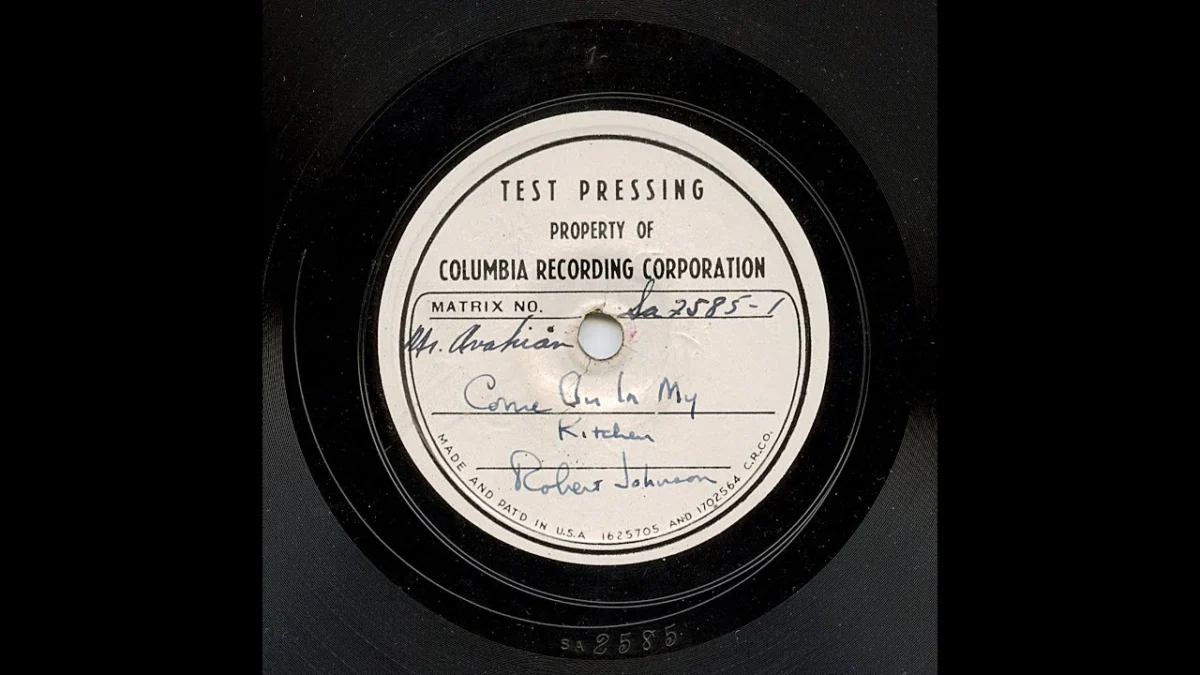
A lost "take one" of the Delta blues legend’s seminal track offers a profound glimpse into his raw genius, meticulously restored for a new generation.
May 26th, 2026 – The hallowed halls of music history are abuzz with the revelation of a remarkably restored audio recording of Robert Johnson’s iconic "Come On in My Kitchen." This unearthed gem, a "take one" of the legendary bluesman’s chilling 1936 session, has been meticulously salvaged and digitized by sound restoration expert Nick Delow. The clarity of this rediscovered recording offers listeners an unprecedented and deeply resonant connection to Johnson’s otherworldly talent, a talent that continues to cast a long shadow over the landscape of modern music, nearly a century after his untimely death.
Johnson, a figure shrouded in myth and legend, is often remembered through the somber tale of a pact with the devil at a crossroads, a narrative that has fueled his enduring mystique. Yet, before his life was tragically cut short at the age of 27, he managed to etch 29 songs into the annals of music history. This comparatively small discography, however, has cemented his status as one of the most influential blues musicians of all time. The original recordings, made under less-than-ideal studio conditions of the 1930s, have long presented a sonic challenge, their raw power often muted by the limitations of early recording technology. Now, thanks to the dedication of audio archaeologists like Delow, these sonic artifacts are being brought back to vivid life, allowing a new generation to experience Johnson’s genius with astonishing fidelity.
This latest revelation follows the recent unveiling of a similarly enhanced version of "Cross Road Blues," further solidifying Delow’s reputation as a guardian of musical heritage. The availability of these pristine recordings is not merely a technical feat; it is an invitation to revisit and re-evaluate the profound impact of a musician whose artistry transcended his era and continues to inspire countless musicians across genres.
The Genesis of a Blues Masterpiece: Unpacking "Come On in My Kitchen"
Robert Johnson’s "Come On in My Kitchen" is more than just a song; it’s a potent distillation of the Delta blues ethos, a testament to Johnson’s unique ability to weave tales of desire, hardship, and raw emotion into sonic tapestries that continue to captivate. The newly restored "take one" of this seminal track provides an unparalleled opportunity to dissect the nuances of Johnson’s performance, unhindered by the sonic haze that has historically veiled his recordings.
The song itself, with its suggestive lyrics and haunting melody, has long been recognized as an early demonstration of Johnson’s otherworldly musical power. The vocal delivery is imbued with a raw, almost primal urgency, while his guitar work, though seemingly understated, possesses a deceptive complexity and rhythmic drive that forms the bedrock of the blues. This restored recording allows for a deeper appreciation of the subtle inflections in his voice, the intricate fingerpicking patterns, and the overall emotional landscape he so masterfully navigated.
It is important to note that "Come On in My Kitchen" exists in two primary iterations from Johnson’s recording sessions. The version that was released by Vocalion Records in 1937 was "take two," a rendition that may have been selected for its perceived broader appeal, perhaps sounding less mournful and therefore more commercially viable according to the prevailing industry logic of the time. This newly surfaced "take one," however, is now being regarded by serious enthusiasts as the more definitive and unadulterated expression of the song. While the public did not have access to this first take until 1961, its inclusion on the compilation album King of the Delta Blues Singers was instrumental in forging Johnson’s posthumous fan base and cementing his legendary status.
A Chronological Journey Through Sound Restoration
The journey of Robert Johnson’s recordings from scratchy acetates to pristine digital audio is a testament to technological advancement and the persistent efforts of music preservationists.
- 1936-1937: The Original Sessions: Robert Johnson recorded his entire known output of 29 songs across two sessions in San Antonio and Dallas, Texas. These sessions, though historically significant, were conducted in basic studios with rudimentary equipment, resulting in recordings that were prone to surface noise, distortion, and a limited dynamic range. The focus was on capturing the performance, with little emphasis on sophisticated audio enhancement.
- 1937: The First Commercial Release: Vocalion Records released several of Johnson’s songs, including "Come On in My Kitchen" (take two), as 78 rpm singles. These releases, while making Johnson’s music available to a wider audience, were still subject to the inherent limitations of the recording technology and the playback medium.
- 1961: The Catalyst for Legacy: The release of the King of the Delta Blues Singers compilation album on Columbia Records proved to be a pivotal moment in Robert Johnson’s career. This album, which included the previously unreleased "take one" of "Come On in My Kitchen," introduced his music to a new generation of listeners and critics, igniting widespread interest and appreciation for his profound artistry. However, the audio quality, while improved from the original singles, still reflected the constraints of the era’s remastering techniques.
- Late 20th and Early 21st Century: Digital Restoration Efforts: As digital audio technology advanced, various attempts were made to clean up and enhance Johnson’s recordings. These efforts aimed to reduce surface noise and improve clarity, but often struggled to strike a balance between preservation and artificial alteration.
- Present Day (2026): Nick Delow’s Breakthrough: Sound restorer Nick Delow, employing cutting-edge digital audio processing techniques, has embarked on a mission to present Johnson’s recordings in their most authentic and sonically superior forms. By working with what are believed to be "test pressings" – early, often cleaner versions of the original masters – Delow has achieved a remarkable level of clarity and fidelity. His recent uploads of "Cross Road Blues" and now "Come On in My Kitchen" represent a significant leap forward in the sonic preservation of these vital musical documents.
Supporting Data: The Enduring Power of Robert Johnson’s Artistry
The impact of Robert Johnson’s music is not solely measured by the number of recordings he left behind, but by the profound and lasting influence they have wielded over generations of musicians. His work has been cited as a primary inspiration for pivotal figures in rock and roll, blues, and folk music.
- Influence on Rock and Roll Pioneers: Eric Clapton, Keith Richards, Jimmy Page, and numerous other rock guitarists have openly acknowledged Johnson’s foundational role in their musical development. His innovative guitar techniques, including his ability to play lead and rhythm simultaneously and his use of slide guitar, laid the groundwork for much of what would become the electric blues and rock guitar sound.
- The "27 Club": Johnson’s tragic early death at the age of 27 has placed him in the infamous "27 Club," a group of influential musicians who died at the same young age. This association, while morbid, has undoubtedly contributed to his enduring mystique and the romanticization of his legend.
- Lyrical Depth and Emotional Resonance: Beyond his technical prowess, Johnson’s songwriting demonstrated a remarkable ability to tap into universal human emotions. His lyrics explored themes of love, loss, betrayal, and the struggles of everyday life with a raw honesty that resonated deeply with his audiences and continues to do so today. The restored "Come On in My Kitchen" offers a particularly potent example of this emotional depth.
- The Mystique of the Crossroads Legend: While the story of selling his soul to the devil at the crossroads is widely considered apocryphal, it has become an integral part of Johnson’s mythology. This narrative, amplified by his prodigious talent and early death, has cemented his status as a figure of almost supernatural artistic power.
Official Responses and Recognition
While there are no direct "official responses" from institutions regarding Nick Delow’s restoration work, the music community and historical preservationists have largely lauded such efforts.
- Music Historians and Critics: The enhanced clarity provided by Delow’s restorations is invaluable to music historians and critics seeking to analyze Johnson’s performance techniques, lyrical nuances, and recording context. The ability to hear the music with greater fidelity allows for more accurate and insightful interpretations of his work.
- Record Labels and Archives: Major record labels and music archives are increasingly investing in digital restoration projects to preserve their catalogs and make historical recordings more accessible to the public. Delow’s work serves as a model for the kind of meticulous restoration that can breathe new life into vintage recordings.
- Online Music Communities: Platforms like YouTube, where Delow primarily shares his restorations, have become vital hubs for music enthusiasts and scholars alike. The accessibility of these restored tracks fosters discussion, appreciation, and further research into the artists and their music. The positive reception of his previous uploads, including "Cross Road Blues," indicates a strong demand for high-quality access to foundational musical works.
Implications for Music History and Appreciation
The rediscovery and restoration of "Come On in My Kitchen" hold significant implications for how we understand and appreciate Robert Johnson’s legacy and the broader history of American music.
- Revisiting the "True" Artistry: The availability of "take one" in such pristine condition allows listeners to engage with a potentially more raw and unvarnished rendition of the song. This offers a chance to reconsider the artist’s intent and the subtle differences between takes that might have been overlooked in earlier, less clear versions. It provides a more intimate and direct connection to Johnson’s creative process.
- Deepening the Understanding of the Blues: Johnson’s music is foundational to the blues, a genre that has profoundly shaped popular music worldwide. By making his work more accessible and sonically richer, these restorations contribute to a deeper understanding and appreciation of the blues’ historical roots and its enduring artistic power. It allows modern audiences to connect with the emotional core of the blues in a way that was previously challenging.
- The Role of Technology in Preservation: Nick Delow’s work highlights the transformative role of modern audio restoration technology in preserving cultural heritage. It demonstrates that even the most degraded historical recordings can be revived, offering new insights and experiences to audiences. This sets a precedent for future preservation efforts across various artistic disciplines.
- The Enduring Relevance of Legacy Artists: The continued fascination with artists like Robert Johnson, even decades after their passing, underscores their timeless appeal. The meticulous restoration of their work ensures that their contributions remain vibrant and accessible, continuing to inspire and influence new generations of artists and music lovers. Johnson’s ability to "reach into genuinely haunting emotional realms," as noted by the original article, is amplified by these sonic improvements, ensuring his legend continues to deepen rather than fade.
In conclusion, the restoration of Robert Johnson’s "Come On in My Kitchen" is more than just an auditory enhancement; it is a significant cultural event. It offers a profound and immersive journey into the heart of the Delta blues, allowing us to hear the echoes of a legend with unprecedented clarity and to reaffirm his indelible mark on the landscape of music.




Leave a Comment