
The Multifaceted Queen of Heaven: Unveiling Inanna’s Enduring Legacy
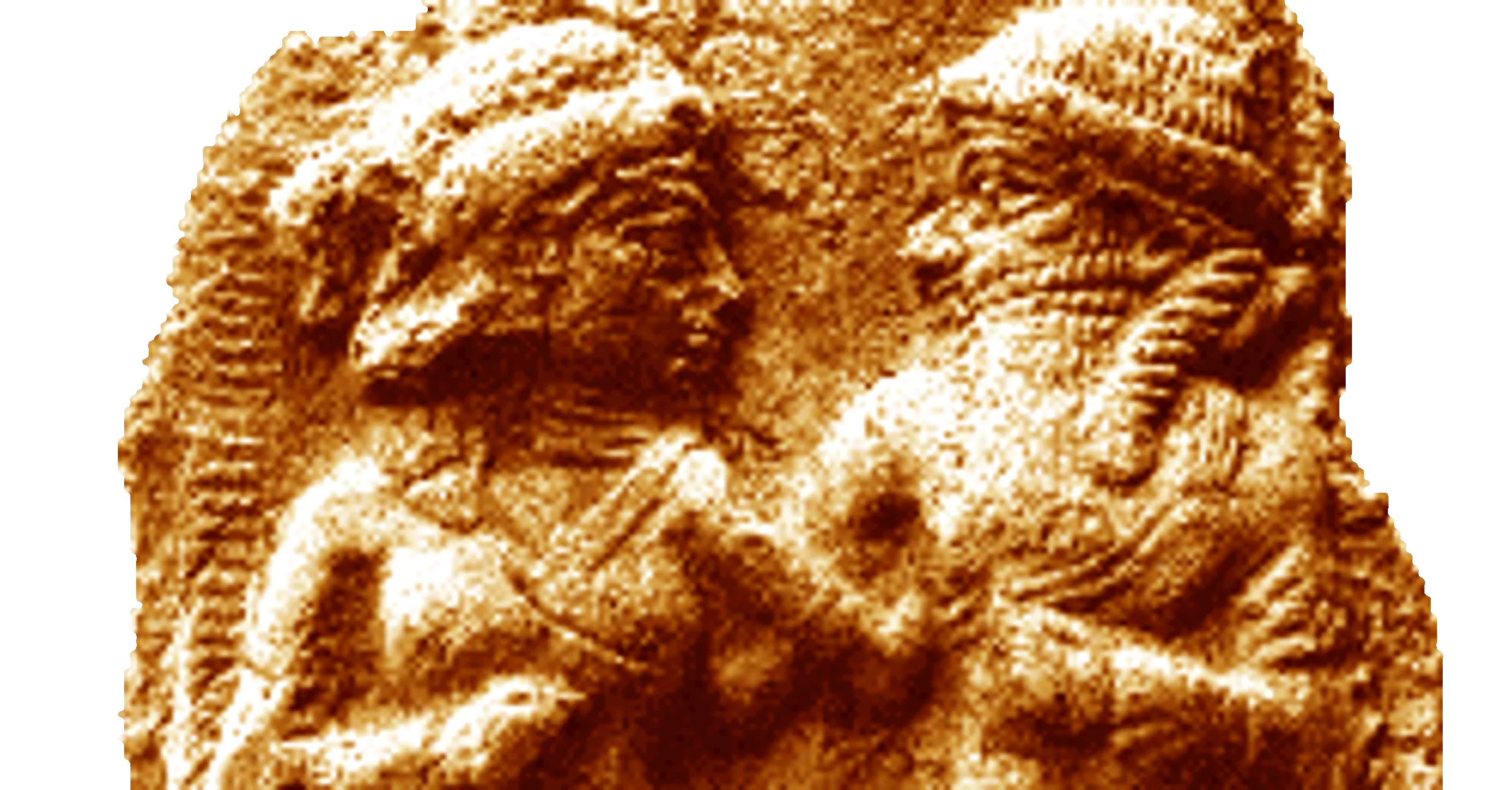
In the annals of ancient Mesopotamia, few deities command as much fascination and complexity as Inanna, the Sumerian goddess whose influence permeated every facet of life, from the tender embrace of love to the brutal realities of war. Revered as the "Queen of Heaven," Inanna’s story is a dynamic tapestry woven with ambition, sensuality, fertility, and fierce independence, reflecting the vibrant and often paradoxical nature of the civilizations that worshipped her. Her enduring legacy, evolving through countless cultures and millennia, casts a long shadow over the history of divine figures, making her a pivotal subject in understanding ancient religious thought and societal values.
Main Facts: A Deity of Contradictions and Power
Inanna emerged from the fertile crescent as the principal Sumerian goddess, a potent symbol embodying a spectrum of human experience that often defied simple categorization. She was simultaneously the divine patroness of love, sensuality, and fertility, celebrating the life-giving forces of procreation, while also presiding over the destructive might of war. This duality—creator and destroyer, lover and warrior—is a defining characteristic that set her apart in the ancient pantheon.
The Sumerian Pantheon’s Dynamic Star
Originally a local vegetative deity in Sumer, Inanna’s prominence grew exponentially, especially through the dedicated efforts of the Akkadian high priestess Enheduanna. Her name, inscribed with a sign representing a looped reed stalk, appears in the earliest written texts from the mid-fourth millennium BCE, placing her among the four main deities alongside Anu, Enki, and Enlil. She was the patron deity of Uruk, one of Sumer’s most significant cities, where her main sanctuary, the Eanna ("House of Heaven"), served as a vital spiritual and administrative hub. Royal inscriptions from the Early Dynastic Period frequently invoked Inanna as a special protectress of kings, demonstrating her perceived power and influence over mortal rulers. Sargon of Akkad, a formidable conqueror, notably claimed her support in both military campaigns and political endeavors, underscoring her martial aspects that likely developed through syncretism with the Semitic deity Ishtar.
A Legacy of Syncretism Across Civilizations
Inanna’s influence extended far beyond Sumerian borders, as her attributes and cult were absorbed and transformed by successive civilizations. She became unequivocally identified with the Akkadian and Assyrian goddess Ishtar, who inherited her blend of sensuality and martial prowess. Further afield, she found echoes in the Hittite Sauska, the Phoenician Astarte, and the Greek Aphrodite, each culture adapting her core characteristics to fit their own theological frameworks. This widespread adoption attests to the universality of the human experiences she represented and the compelling nature of her divine persona. She was also recognized as the bright celestial body of Venus, appearing as both the morning and evening star, forging a cosmic connection that reinforced her powerful and luminous presence.
Iconography and Enduring Mysteries
Visually, Inanna is frequently depicted alongside a lion, a powerful symbol denoting courage, ferocity, and her ultimate supremacy over the animal kingdom. In her warrior aspect, she is often shown in male armor, complete with a quiver and bow, aligning her with figures like the Greek goddess Athena Nike. Her association with fertility deities like Demeter and her "dying and reviving god" narrative with Persephone highlight her ancient roots as an agricultural goddess, symbolizing the cyclical nature of life, death, and rebirth in the natural world.
One of the most intriguing aspects of Inanna’s iconography revolves around the Burney Relief, also known as "The Queen of the Night," a striking terracotta relief from the reign of Hammurabi of Babylon (1792-1750 BCE). While Inanna is a strong candidate for the relief’s subject, scholarly debate often leans towards her sister, Ereshkigal, the goddess of the underworld, due to certain chthonic elements in the imagery. Regardless of the definitive identification, the relief powerfully captures the mystique and formidable presence characteristic of Mesopotamian goddesses, embodying the complex blend of divine authority and terrifying power.

Chronology: From Local Deity to Mesopotamian Queen
The journey of Inanna from a regional fertility spirit to a supreme goddess of immense power and reach is a testament to the dynamic evolution of ancient religious belief and the interplay between culture, politics, and spiritual devotion.
The Dawn of Worship in Ancient Sumer
Inanna’s origins trace back to the earliest periods of Sumerian civilization, appearing in texts from the mid-fourth millennium BCE. Initially, her worship may have centered on agricultural fertility, reflecting the vital importance of bountiful harvests in early agrarian societies. Her association with Uruk, one of the world’s first true cities, was pivotal. As Uruk grew in prominence, so too did its patron deity. This early period saw the establishment of her main sanctuary, the Eanna, which would become a central cultic site for millennia, embodying her growing significance within the Sumerian religious landscape.
Enheduanna’s Influence and Sargon’s Era
A monumental shift in Inanna’s status occurred during the Akkadian Empire, largely driven by the work of Enheduanna, daughter of Sargon of Akkad (reigned 2334-2279 BCE). As the high priestess of Nanna (the moon god) in Ur and a revered poet, Enheduanna composed intricate hymns that profoundly elevated Inanna’s image. Through her literary genius, Inanna transitioned from a powerful local deity to the revered "Queen of Heaven" and the most popular goddess throughout Mesopotamia. Enheduanna’s hymns, such as Inninsagurra ("The Great-Hearted Mistress"), Ninmesarra ("The Exaltation of Inanna"), and Inninmehusa ("Goddess of the Fearsome Powers"), were not merely devotional but also powerful theological statements that shaped generations of Mesopotamians’ understanding of the goddess, cementing her status as a supreme, awe-inspiring figure. Sargon himself, understanding the political utility of religious unification, actively promoted Inanna, associating her with the Semitic Ishtar, thereby integrating her into the broader Akkadian pantheon and extending her reach.
The Evolution of Myth and Cultic Practices
Over centuries, Inanna’s mythological narratives expanded and deepened, reflecting the evolving cultural and philosophical concerns of Mesopotamian societies. Her parentage, for instance, varied across different myths and eras, depicting her variously as the daughter of Enki (god of wisdom), Nanna (moon god), or even the supreme god Anu, and sometimes as the granddaughter of Enlil. This fluidity in genealogy highlights the adaptable nature of ancient myths, often tailored to specific regional traditions or theological perspectives. Her core myths, such as The Descent of Inanna, Inanna and the God of Wisdom, and The Courtship of Inanna and Dumuzi, became foundational texts, illustrating her character, ambitions, and interactions with other deities. These narratives, passed down through oral tradition and later inscribed on clay tablets, provided a framework for understanding divine power, human morality, and the natural world.
Supporting Data: Myths, Cults, and Cultural Impact
Inanna’s narrative threads weave through some of the most enduring stories of ancient Mesopotamia, revealing not just her divine character but also the values and anxieties of the people who worshipped her. Her cult, moreover, represented a remarkably progressive approach to gender and sexuality for its time.
Epic Narratives of Ambition and Love
Inanna’s tales consistently portray her as a figure driven by ambition and an unyielding will. In Inanna and the God of Wisdom, she famously journeys to Eridu to trick Enki, the god of wisdom, into giving her the meh – divine decrees that represent the fundamental elements of civilization. By bringing these meh to Uruk, she elevates her city to unprecedented cultural prominence, demonstrating her strategic acumen and determination to expand her power and influence. Jeremy Black notes, "Violent and lusting after power, she stands beside her favourite kings as they fight… Her journey to Eridu to obtain the meh and her descent to the underworld are both described as intended to extend her power."
Perhaps her most renowned myth, The Descent of Inanna, recounts her perilous journey to the underworld, the domain of her sister Ereshkigal. This epic narrative explores themes of death, rebirth, sacrifice, and divine authority. Her ambition to extend her dominion even into the realm of the dead leads to her temporary demise and eventual resurrection, albeit at a great cost: her beloved husband Dumuzi must take her place in the underworld. This myth not only highlights her tenacity but also forms the basis for the annual sacred marriage rites, symbolizing the cyclical nature of fertility and the changing seasons.
In the celebrated Epic of Gilgamesh, Inanna appears as Ishtar, showcasing her more volatile and vengeful aspects. When she attempts to seduce Gilgamesh, he famously rebuffs her, recounting the tragic fates of her many previous lovers. Enraged by his rejection, Ishtar unleashes the Bull of Heaven, Gugulana, upon Uruk, leading to a catastrophic confrontation and ultimately, the death of Gilgamesh’s beloved friend, Enkidu. This pivotal event propels Gilgamesh on his quest for immortality, making Inanna/Ishtar a central catalyst in one of humanity’s earliest and most profound epics. These stories paint a consistent picture of a goddess who is powerful, provocative, and often heedless of the consequences of her actions, embodying a raw, untamed feminine energy.
The Unique Nature of Inanna’s Cult
The worship of Inanna was distinctive, particularly in its embrace of diverse gender identities within its clergy. Her temples, most notably the Eanna in Uruk, were vibrant centers of religious activity, housing priestesses and priests who performed rituals to ensure the fertility of the land and the prosperity of the community. Among her clergy were individuals who, in modern terms, would be identified as transgender. Male transgenders, known as kurgarra, castrated themselves as a devotion to the goddess, while females identifying as males were called galatur. These individuals were believed to have been transformed by Inanna/Ishtar herself or created by Enki to rescue Inanna from the underworld, as detailed in The Descent of Inanna, which describes them as "neither male nor female." This tradition was honored within Inanna’s temple, reflecting a fluidity in gender roles that stands in stark contrast to later patriarchal religious structures.
The practice of sacred prostitution was also a central element of Inanna’s cult. As scholar Colin Spencer notes, "Sacred prostitution was the central part of the ritual in the Temple. The priestess performed a sacred marriage to ensure the fertility of the country and the great fortune of the new king, for the king copulated with the holy priestess at the beginning of his reign." These rituals, sometimes involving literal or symbolic sexual intercourse between the king and a priestess, were believed to guarantee agricultural abundance and royal legitimacy. This aspect of her worship underscores Inanna’s deep connection to sexual behavior, fertility, and the well-being of the community, distinguishing her from goddesses of conventional marriage or motherhood.
A Reflection of Mesopotamian Society
Inanna’s portrayal as an independent, assertive, and often unconstrained figure speaks volumes about Sumerian cultural values. Unlike many later patriarchal societies, Sumerian culture afforded women a relatively high degree of respect and agency, which is reflected in their pantheon. The presence of numerous significant female deities like Ninhursag, Gula, Nisaba, Nanshe, and Ninkasi, alongside Inanna, suggests a more balanced divine representation than that found in subsequent civilizations. Inanna, in particular, embodied a powerful, unapologetically feminine force that was admired rather than suppressed, celebrating qualities of ambition, sensuality, and self-determination. She was a goddess who did as she pleased, often manipulating or threatening others to achieve her desires, a characteristic that resonated with a society that valued strength and strategic thinking.
Official Responses: Shifting Paradigms and Enduring Reverence
The "official response" to Inanna, understood as her status within state-sanctioned religion and broader cultural perception, evolved significantly over time, particularly influenced by political shifts and the rise of new empires.
The Decline of Female Deities Under Hammurabi
During the reign of the Amorite king Hammurabi of Babylon (c. 1792–1750 BCE), a notable shift occurred in the Mesopotamian pantheon. There was a general decline in the prestige of female deities, coinciding with a perceived loss of status and rights for women in society, as argued by scholar Samuel Noah Kramer. As male deities, particularly Marduk (the patron god of Babylon), gained supremacy, many goddesses saw their roles diminished or assimilated into male counterparts. For example, Nisaba, formerly the scribe of the gods and patroness of the written word, was absorbed by the god Nabu. This period marked a move towards a more patriarchal religious structure, reflecting broader societal changes.
Adapting to New Eras: Ishtar’s Resilience
Despite this general trend, Inanna demonstrated remarkable resilience. Her core attributes were so compelling and deeply entrenched that she endured, primarily through her adoption by the Akkadian, Assyrian, and Neo-Assyrian empires as Ishtar. As Ishtar, she continued to be widely venerated as the goddess of war and sex, maintaining her powerful and independent persona. The Assyrians, known for their formidable military might, found in Ishtar a perfect embodiment of martial prowess, integrating her deeply into their imperial ideology. Her temples and cults continued to thrive across the Near East, ensuring her survival even as other ancient goddesses faded into obscurity. This adaptability and the enduring appeal of her dual nature allowed Inanna/Ishtar to transcend cultural and political boundaries, inspiring similar deities in subsequent cultures and cementing her place as a fundamental archetype of divine femininity.
Implications: Inanna’s Timeless Resonance
Inanna’s story offers profound insights into ancient Mesopotamian civilization, gender roles, and the enduring human search for meaning and power. Her legacy continues to resonate, challenging conventional notions of divinity and femininity.
A Proto-Feminist Icon?
Inanna’s character as a fiercely independent, ambitious, and sexually liberated goddess, unconstrained by conventional roles of wife or mother, positions her as a proto-feminist icon from antiquity. She "confronts life boldly without fear of how she will be perceived by others, especially by men," embodying a self-assured femininity that predates modern feminist discourse by millennia. The fact that Sumerian society could conceive of and venerate such a figure speaks to a cultural understanding of women that was, in many ways, more egalitarian than later patriarchal societies. Her agency, her pursuit of power, and her disregard for societal expectations make her a compelling figure for contemporary discussions on gender, power, and autonomy. She represents a powerful counter-narrative to the often-passive or domesticated female deities found in many other mythologies.
The Enduring Star of Venus
Inanna is among the oldest deities whose names are recorded, listed among the earliest seven divine powers that would form the basis for many characteristics of subsequent gods. Her enduring association with the planet Venus, the morning and evening star, is a testament to her pervasive and lasting presence. Even today, though few may remember her by her Sumerian name, the celestial body continues to be linked with the qualities of love, beauty, and passionate intensity that Inanna personified.
Her story is a reminder of the dynamic nature of religious belief, the power of myth to shape culture, and the enduring human fascination with divine figures who embody the full spectrum of human experience. Inanna, the Queen of Heaven, goddess of love and war, continues to captivate, offering a window into the rich complexity of ancient Mesopotamia and the timeless archetype of a powerful, independent female deity who dared to defy conventions. Her devotees remained faithful long after formal worship ceased, drawn to her compelling persona and the profound truths she represented, ensuring that the light of this ancient star continues to shine brightly through history.



Leave a Comment