John Blanche, Visionary Artist Who Defined "Grimdark" for Warhammer and Fantasy Gaming, Dies at 77
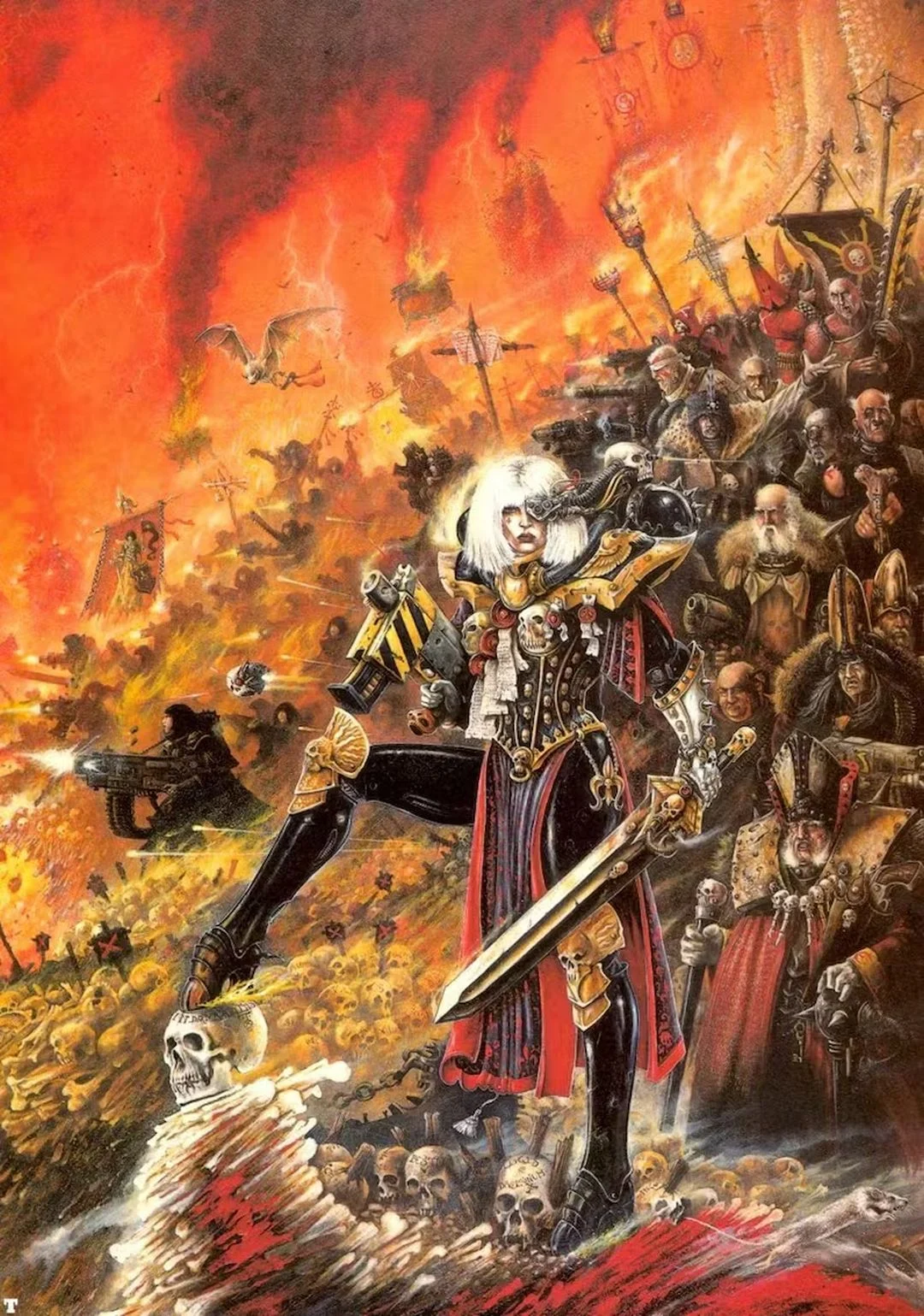
The worlds of tabletop gaming, miniature wargaming, and fantasy art are profoundly changed by the passing of John Blanche, a legendary illustrator and art director whose distinctive vision shaped the grim, gothic aesthetic of Warhammer, Dungeons & Dragons, and Fighting Fantasy. Blanche, widely credited with pioneering the "grimdark" style that has permeated popular culture, died on June 1, 2026, at the age of 77.
News of his death was shared by longtime friend and collaborator Trish Carden on behalf of his wife, Lin, prompting an immediate and widespread outpouring of grief and tribute from across the global tabletop industry and the broader fantasy art community. His artistic legacy is not merely one of contribution but of fundamental definition, having forged a visual language that became inseparable from the universes he helped create.
Main Facts: The Architect of Grimdark’s Demise
John Blanche, the iconic illustrator and art director whose unique artistic style became the bedrock of the "grimdark" aesthetic, passed away on June 1, 2026, at the age of 77. His death marks the end of an era for the tabletop gaming world, where his artwork for Warhammer Fantasy Battle, Warhammer 40,000, and numerous other fantasy properties did not just accompany the settings, but intrinsically were the settings themselves.
Blanche’s passing was announced by his wife, Lin, through his friend and collaborator Trish Carden, leading to an immediate deluge of tributes from industry titans, fellow artists, and millions of fans worldwide. His influence extended far beyond mere illustration; he was a foundational pillar for Games Workshop, serving as an art director and shaping the visual identity of Citadel Miniatures, inspiring generations of miniature painters, hobbyists, and fantasy artists. The enduring popularity of the grimdark genre, characterized by its bleak outlook, pervasive decay, and often brutal realism, owes its very existence and widespread recognition largely to Blanche’s singular vision. His work established a universe that was simultaneously ancient, oppressive, and steeped in a unique blend of historical, gothic, and science-fiction iconography, setting a benchmark for dark fantasy that remains hugely influential four decades later.
Chronology: A Legacy Forged in Ink and Imagination
John Blanche’s journey to becoming one of the most influential fantasy artists of his generation spanned decades, beginning in a vibrant yet nascent period for speculative fiction and tabletop gaming.
Early Life and Artistic Beginnings (1948-1970s)
Born in 1948, John Blanche came of age in an era where fantasy and science fiction were beginning to emerge from niche literary genres into broader cultural consciousness. By the 1970s, he had embarked on a career as a freelance fantasy illustrator, a path less trodden at the time but ripe with opportunity as interest in role-playing games and epic fantasy narratives began to grow. His early work, even before his celebrated tenure at Games Workshop, displayed a nascent inclination towards the unusual, the grotesque, and the deeply atmospheric, hinting at the distinctive style that would later become his hallmark. This period saw him honing his craft, developing a visual vocabulary that eschewed conventional heroic fantasy for something grittier and more unsettling.
Joining Games Workshop: The Dawn of an Era (1977)
A pivotal moment in Blanche’s career, and indeed in the history of tabletop gaming, arrived in 1977 when he began his association with Games Workshop. At this point, Games Workshop was still a relatively young company, primarily known for importing American role-playing games and publishing its own magazine, White Dwarf. Blanche’s early contributions were instrumental in giving the fledgling company a distinct visual identity. He provided artwork for White Dwarf and was crucial in illustrating some of Games Workshop’s foundational publications, including the first British edition of Dungeons & Dragons. His art for these early works immediately stood out, infusing the nascent world of tabletop RPGs with a darker, more visceral edge than was commonly seen. He quickly became one of the company’s most important creative voices, his output aligning perfectly with Games Workshop’s developing ethos of gritty, punk-rock fantasy.
Defining Warhammer Fantasy Battle (1983)
Blanche’s influence expanded dramatically with the launch of Warhammer Fantasy Battle in 1983. This game marked Games Workshop’s significant foray into creating its own fantasy universe and miniature wargame. Blanche provided the iconic cover artwork for the game’s first edition, an image that immediately set the tone for a world far removed from traditional high fantasy. His art depicted a world besieged by grim conflict, populated by grotesque creatures and grim-faced warriors, establishing the game’s distinctive blend of dark fantasy, medieval warfare, and cosmic horror. This initial vision was foundational, guiding the aesthetic development of Games Workshop’s burgeoning catalogue of worlds and miniatures for decades to come.
The Birth of Grimdark: Warhammer 40,000 (1987)
Following Games Workshop’s strategic move to Nottingham during the 1980s, Blanche’s role within the company grew even more significant as he ascended to the position of art director. In this capacity, he was not merely an illustrator but a visionary leader, overseeing internal artists, commissioning freelance talent, and meticulously shaping the appearance of Citadel Miniatures.
It was with the launch of Warhammer 40,000: Rogue Trader in 1987 that Blanche’s influence would truly cement his legacy and give birth to the "grimdark" aesthetic. The original edition of Warhammer 40,000 introduced players to a bleak, gothic far-future unlike any other science-fiction universe. Blanche’s artwork defined the Imperium’s decaying cathedrals, skull-strewn battlefields, and pervasive religious iconography. His vision was a startling departure from the sleek, optimistic sci-fi prevalent at the time. Instead, he presented a future burdened by millennia of war, superstition, and technological stagnation, creating the visual foundations of the grimdark aesthetic that continues to define the game today. His illustrations of towering cathedrals, impossible machinery, and the relentless presence of skulls and relics forged an undeniable atmosphere of oppressive grandeur and existential dread.
Beyond Warhammer: Fighting Fantasy and Wider Influence
While his name became most closely associated with the Warhammer universes, Blanche’s influence stretched far beyond a single game. His evocative artwork graced the pages of numerous Fighting Fantasy gamebooks, including Steve Jackson’s acclaimed Sorcery! series (1983), where his bizarre creatures, strange landscapes, and evocative black-and-white artwork brought the adventure books to vivid life and inspired countless readers. His illustrations were also a constant presence in White Dwarf magazine, other roleplaying games, and a multitude of miniature wargames throughout his career. Across all these projects, his unique hand was unmistakable, injecting a dose of grim reality and gothic fantasy into every piece.

Later Career and Retirement (Games Workshop Tenure, 2023 Retirement, Continued Activity)
John Blanche dedicated more than four decades of his life to Games Workshop, serving as a primary artistic force and guiding light. He retired from the company in 2023, leaving behind an unparalleled body of work that had profoundly shaped the company’s identity. However, retirement did not signal an end to his creative output. He remained actively engaged in the tabletop gaming community, collaborating on various miniature projects, inspiring licensed hobby paint ranges reflective of his unique artistic style, and continuing to be a revered figure for fans and fellow artists alike. His continued presence, even after formal retirement, underscored his deep passion for the hobby he helped define.
Supporting Data: The Enduring Aesthetic of John Blanche
John Blanche’s art transcended mere illustration; it became a defining characteristic, a visual philosophy that shaped entire fictional universes and influenced a global hobby culture.
The "Grimdark" Imperative: A Universe Forged in Decay
The aesthetic often described today as "grimdark" owes its very popularization and most vivid manifestations to Blanche’s work. His illustrations presented a universe that felt ancient, oppressive, and steeped in superstition, a stark contrast to the often idealized or technologically utopian visions of science fiction and fantasy. Rather than depicting sleek, flawless heroes or pristine starships, Blanche imagined worlds burdened by history, conflict, and decay. His art invoked a sense of vast, insurmountable odds and a pervasive sense of tragedy.
His visual language drew heavily from diverse historical and artistic influences, from the intricate, often macabre details of medieval illuminated manuscripts and religious iconography to the visceral realism of artists like Hieronymus Bosch and Pieter Bruegel the Elder. The result was a visual style that distinguished Warhammer 40,000 from every other science-fiction setting, painting a universe where faith and fear were as potent as any weapon, and where humanity’s struggle was a desperate, unending saga amidst a sea of cosmic horrors. This blend of gothic architecture, baroque embellishments, and stark, brutalist elements created an unparalleled sense of functional decay and desperate grandeur, making the Imperium a truly unique and terrifying vision of humanity’s future.
"Blanchitsu": A Style and a Movement
Blanche’s impact was not limited to printed artwork; his ideas permeated miniature design, world-building, and the very culture of the hobby. So profound was his influence on the aesthetic of Warhammer miniatures that painters and hobbyists coined the term "Blanchitsu." This term describes a specific approach to miniature painting and conversion inspired directly by his artistic style.
"Blanchitsu" miniatures are characterized by muted, desaturated colours, heavily weathered finishes, and a strong emphasis on storytelling through subtle details and atmospheric effects rather than bright, clean lines. It celebrates imperfection, grime, and the weight of history on every model. Painters adopting this style often seek to replicate the dark, textural quality of Blanche’s illustrations, using techniques like heavy washes, drybrushing, and careful placement of rust, grime, and battle damage to evoke a sense of ancientness and decay. It transforms miniatures from simple game pieces into miniature works of art, each telling its own grim story, much like Blanche’s original illustrations. It’s a testament to his vision that a painting style was named in his honour, signifying how deeply his aesthetic resonated and inspired creative expression within the community.
The Visual Language of a Universe
For Warhammer fans, Blanche’s illustrations were not merely artwork accompanying the setting—they were the setting. His grim, gothic, and often unsettling imagery established the visual language that would become synonymous with Warhammer Fantasy Battle and Warhammer 40,000 for decades. His recurring motifs—skulls adorning every surface, the intricate yet oppressive gothic architecture, the religious iconography of a dying empire, and the impossible, often terrifying machinery of war—created a consistent and immediately recognizable universe.
He didn’t just draw characters; he designed entire environments and atmospheres. His compositions often felt like fragments of a much larger, decaying tapestry, inviting viewers to imagine the untold horrors and grandeur beyond the frame. This immersive visual storytelling ensured that his art didn’t just depict the lore; it actively expanded it, providing a profound sense of place and history that transcended the written word.
Official Responses and Industry Tributes
The announcement of John Blanche’s passing sent ripples of sorrow and profound respect throughout the global tabletop gaming and fantasy art communities. Tributes poured in from all corners, highlighting not only his unparalleled artistic achievements but also his character as a generous mentor and cherished friend.
Games Workshop, the company where Blanche spent over four decades shaping its most iconic universes, released a statement acknowledging his immense contribution. "John Blanche’s artistic vision was the very bedrock upon which the worlds of Warhammer were built," the statement read. "His grim, gothic, and utterly unique style didn’t just define our settings; it gave them soul, character, and an enduring legacy. He was more than an artist; he was a foundational pillar of our creative output, and his influence will be felt for generations to come. We extend our deepest condolences to his family and friends."
Industry veterans, many of whom had the privilege of working alongside Blanche, shared heartfelt anecdotes and reflections. Trish Carden, his long-time friend and collaborator, spoke of his boundless imagination and his willingness to share his knowledge. "John was an absolute titan, but also the kindest soul," Carden remarked. "He inspired me and so many others not just through his incredible art, but through his quiet encouragement and his genuine love for the craft. His mind was a labyrinth of wonders, and he invited us all in."
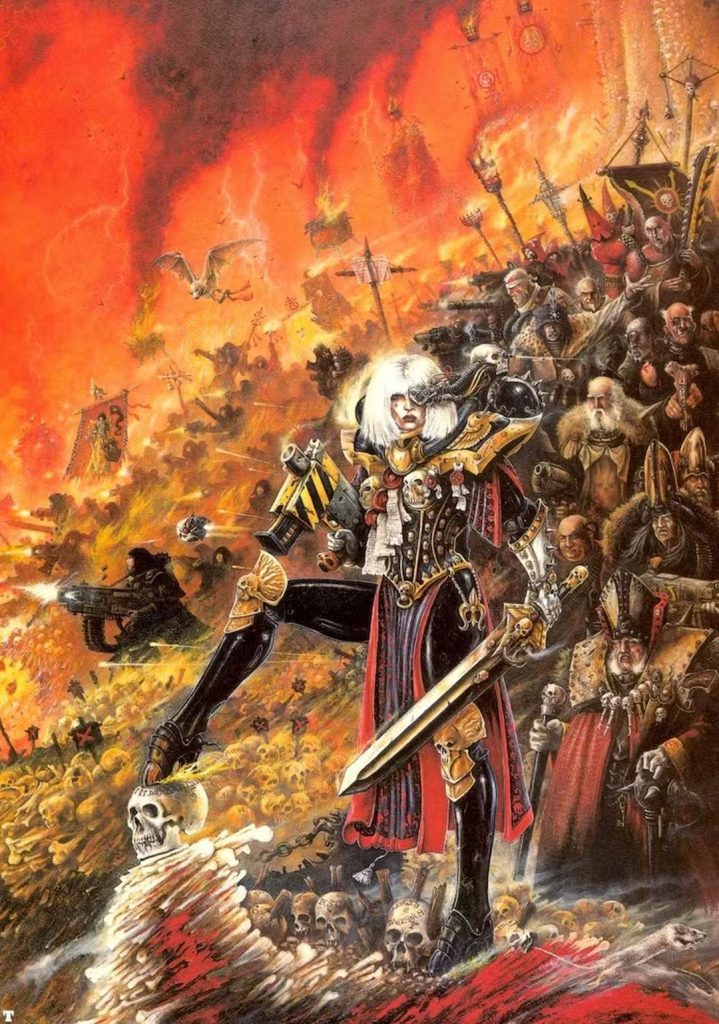
Artists across various mediums, from miniature sculptors to digital illustrators, cited Blanche as a primary influence. Adrian Smith, a renowned fantasy artist, posted, "Every line, every brushstroke by John Blanche was a lesson in atmosphere and storytelling. He showed us that fantasy didn’t have to be pretty; it could be brutal, beautiful, and utterly unforgettable. A true master." Miniature painters shared images of their "Blanchitsu" inspired works, accompanied by messages of gratitude for the style he birthed.
Fans, meanwhile, flooded social media platforms, forums, and community pages with personal reflections on how Blanche’s art had impacted their lives. They spoke of the countless rulebooks, codices, and White Dwarf magazines where his illustrations had ignited their imaginations, inspiring them to pick up a paintbrush, delve deeper into the lore, or simply marvel at the sheer inventiveness of his creations. Many remembered the sense of awe and sometimes trepidation they felt upon first encountering his dark, intricate pieces, a feeling that had hooked them into the Warhammer universe for life. The tributes collectively painted a picture of an inspirational figure whose imagination helped define an entire era of gaming and whose artistic spirit will continue to resonate.
Implications: The Unfading Shadow of a Visionary
Few creators leave such an indelible and lasting imprint on an entire hobby, let alone establish an aesthetic that permeates broader popular culture. John Blanche’s passing underscores the monumental impact he had, and the implications of his legacy will continue to unfold for generations to come.
His influence on the tabletop gaming landscape is permanent. For millions of players and hobbyists worldwide, the worlds of Warhammer look the way they do because John Blanche imagined them first. He didn’t just create images; he created archetypes, moods, and an entire visual philosophy that became synonymous with grimdark fantasy and science fiction. His artistic choices — the deliberate decay, the baroque embellishments, the pervasive religious iconography, and the sheer sense of scale and dread — provided a blueprint that many other games and media have since emulated, consciously or unconsciously.
The "grimdark" aesthetic he pioneered has transcended its origins, finding its way into video games, films, and literature, proving its enduring resonance. Blanche’s work fundamentally challenged the prevalent notions of fantasy and sci-fi art, proving that audiences craved stories and visuals that explored the darker, more complex, and often more tragic aspects of existence. His legacy ensures that future artists and world-builders will continue to grapple with and draw inspiration from the depths of his imagination, even as new iterations of Warhammer and other franchises evolve.
Furthermore, the "Blanchitsu" movement within miniature painting is a testament to the direct, hands-on impact of his vision. It signifies a profound shift in how hobbyists approach their craft, moving beyond simply replicating box art to embracing a more interpretive, atmospheric, and narrative-driven style. This artistic freedom, rooted in Blanche’s original work, will continue to foster creativity and push the boundaries of miniature art.
Ultimately, John Blanche’s artwork transformed tabletop gaming’s visual landscape and established a legacy that will continue to inspire artists, gamers, and hobbyists for generations to come. He was a singular talent whose unique perspective forever altered how we perceive and interact with imagined worlds. While he may have passed, the bleak, beautiful, and endlessly imaginative universes he helped create will remain, a perpetual monument to his genius.
Be Sure to Try… Iconic Works Shaped by John Blanche
To truly appreciate the breadth and depth of John Blanche’s influence, one need only look at these seminal works where his artistic touch was paramount:
Warhammer Fantasy Battle (1983)
The first edition of Warhammer Fantasy Battle featured Blanche’s iconic cover artwork and marked the beginning of his decades-long association with Games Workshop. His illustrations for this foundational game were crucial in establishing its distinctive blend of dark fantasy, medieval warfare, and grotesque horror. Long before miniatures brought the setting to life on the tabletop, Blanche’s art defined its mood, its creatures, and its overall sense of grim, epic conflict. It introduced a world of desperate heroism and overwhelming evil, setting the stage for one of gaming’s most enduring fantasy universes.
Warhammer 40,000: Rogue Trader (1987)
The original edition of Warhammer 40,000 introduced players to a bleak, gothic future unlike any other science-fiction universe. Blanche’s artwork for Rogue Trader was nothing short of revolutionary. It defined the Imperium’s sprawling, decaying cathedrals, its skull-strewn battlefields, and its pervasive religious iconography. His vision created the visual foundations of the "grimdark" aesthetic—a future of endless war, technological stagnation, and oppressive dogma—that still defines the game today and has influenced countless other sci-fi properties. This book is a masterclass in atmospheric world-building through art.
Fighting Fantasy: Sorcery! (1983)
Although most famously associated with Warhammer, Blanche’s illustrations throughout Steve Jackson’s Sorcery! gamebook series left an equally profound and lasting impression on fantasy gaming fans. His evocative black-and-white artwork brought these interactive adventures to life, populating them with bizarre creatures, strange landscapes, and a palpable sense of danger and wonder. His unique style injected a distinct personality into the gamebooks, inspiring countless readers and cementing his reputation as a versatile and visionary artist across different fantasy genres.