
One Month In: How "Tomodachi Life: Living the Dream" Became an Unlikely Social Hub
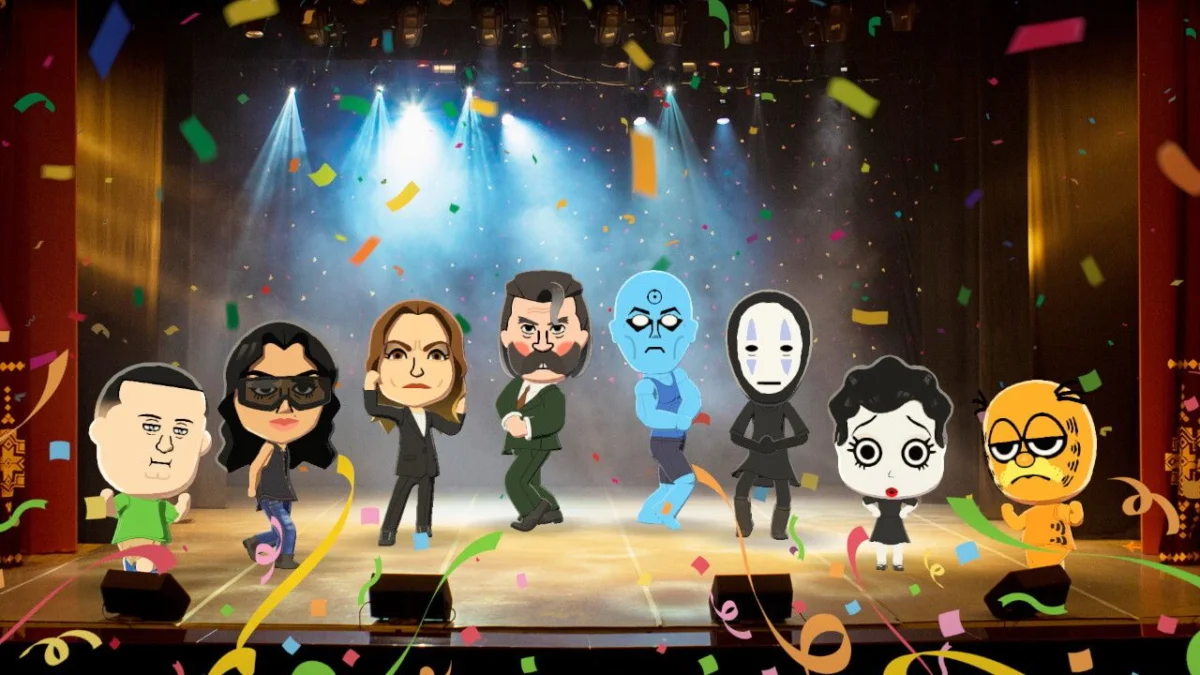
The fervent community of Nintendo’s life simulator has transformed a game lacking online features into a digital canvas for shared creativity, humor, and unexpected connections.
By Giovanni Colantonio
Published May 17, 2026, 8:30 AM EDT
The anticipation for a sequel to Nintendo’s quirky life simulation, Tomodachi Life, was palpable, bordering on legendary. For thirteen long years, fans of the original cult hit, which sold over 6.7 million copies on the Nintendo 3DS, clung to the hope of a successor. That wait, often joked about in the same breath as perpetually delayed projects like Star Fox 2, finally ended with the release of Tomodachi Life: Living the Dream on April 16th. The game’s immediate success, with a staggering 3.8 million copies sold in its first two weeks, underscored the pent-up demand. Yet, a month later, the true story of Living the Dream is not just its commercial triumph, but the vibrant, unexpected community it has fostered.
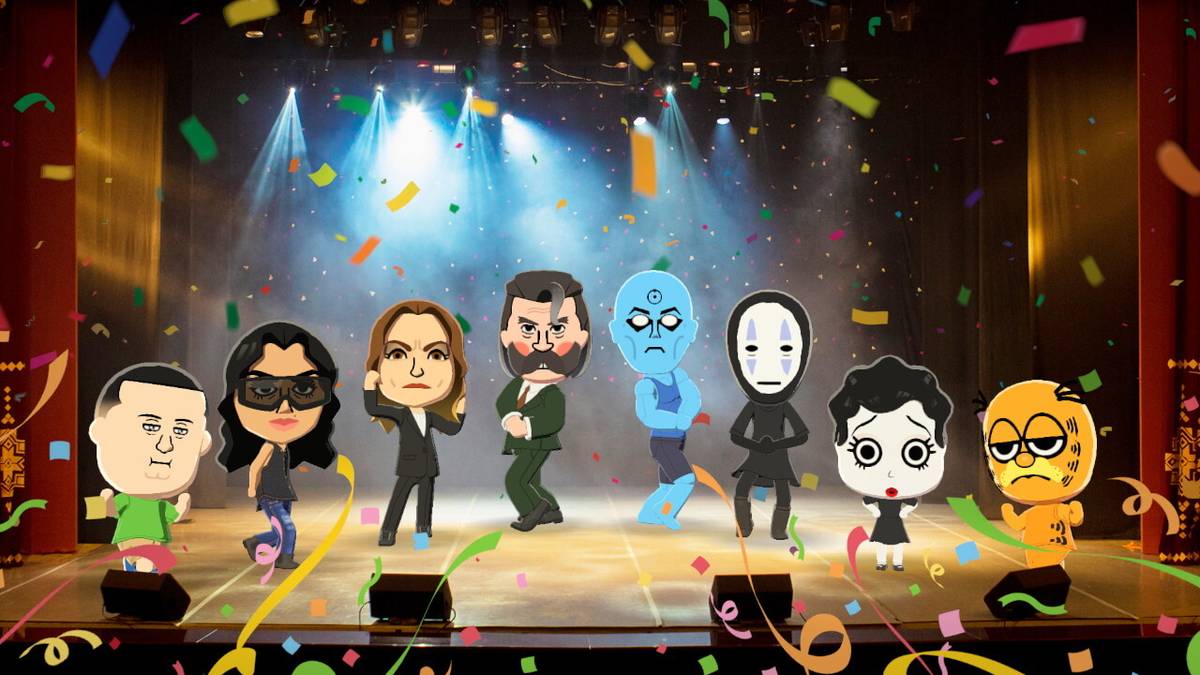
In an era where online connectivity is often a prerequisite for enduring game success, Living the Dream stands as a fascinating anomaly. Lacking traditional multiplayer or robust sharing features, it has, against all odds, evolved into a de facto social media platform. Through the collective efforts of its players, the game has become a testament to how a shared digital space, even one with its quirks and limitations, can spark creativity, generate inside jokes, and forge genuine connections. This article delves into the first month of Living the Dream, exploring how its community has embraced its imperfections and transformed them into a unique shared experience.
The Genesis of a Digital Playground
At its core, Tomodachi Life: Living the Dream offers players the role of an omnipotent curator of a virtual island populated by Miis. The freedom to create any Mii imaginable, imbue them with unique personalities, and dictate their every utterance forms the bedrock of the gameplay. The game’s appeal hinges significantly on the player’s own creative prowess, with a robust customization suite allowing for the pixel-by-pixel design of everything from gifts to entire home interiors. This emphasis on user-generated content is the engine that drives Living the Dream‘s emergent social phenomena.
However, this focus on creation has also proven to be a point of contention for some long-time fans. The sequel deliberately omits several beloved features from the original Tomodachi Life, such as the Concert Hall and minigames like Judgment Hall. Furthermore, the nuances in Mii relationships seem to have been streamlined in favor of a more scripted, Mad Libs-style simulation. Coupled with the absence of integrated online sharing, these changes have left a segment of the fanbase yearning for downloadable content and future updates, fueling a palpable anxiety that Living the Dream might prove to be a fleeting phenomenon.

Early Impressions and the Rise of External Tools
Having spent considerable time with Living the Dream since its launch, the concerns regarding its mechanical nature are not unfounded. After the initial weeks of enamored exploration, the predictable patterns of Mii dialogues, recurring dream sequences, and rigid relationship dynamics began to surface. This led to a period of questioning: was the game genuinely captivating, or merely a highly effective user-generated content engine?
The answer, it turned out, was waiting to be discovered in the wider digital landscape. Within days of the game’s release, players began to rally, developing external tools to enhance the shared experience. Websites like TomodachiShare emerged as digital bazaars for Mii sharing, while Tomo Board offered a centralized platform for tracking in-game relationships. Perhaps most impactful was Living the Grid, a fan-made tool that transformed any image into pixel art, perfectly tailored for recreation within Living the Dream‘s creation suite. Much like the stock market trackers that became indispensable for Animal Crossing: New Horizons players, these early fan-made resources signaled a clear and active desire within the community to enrich the game for one another.
The Unfolding of a Meme Economy
The burgeoning ecosystem of fan-made tools quickly catalyzed an explosion of creativity across social media platforms. Subreddits dedicated to Tomodachi Life became vibrant hubs where players eagerly showcased their most imaginative creations. The sheer diversity of these endeavors was remarkable: meticulously crafted Miis of the entire cast of Avatar: The Last Airbender, in-game recreations of Nintendo Switch consoles via intricate cross-stitch patterns, and even entire virtual Costcos. Each new, often absurd, creation seemed to be an unspoken challenge, a digital gauntlet thrown down by one player to another. The trend became a continuous cycle of "I see your [X] and raise you [Y]," fostering a spirit of one-upmanship that was both competitive and collaborative.
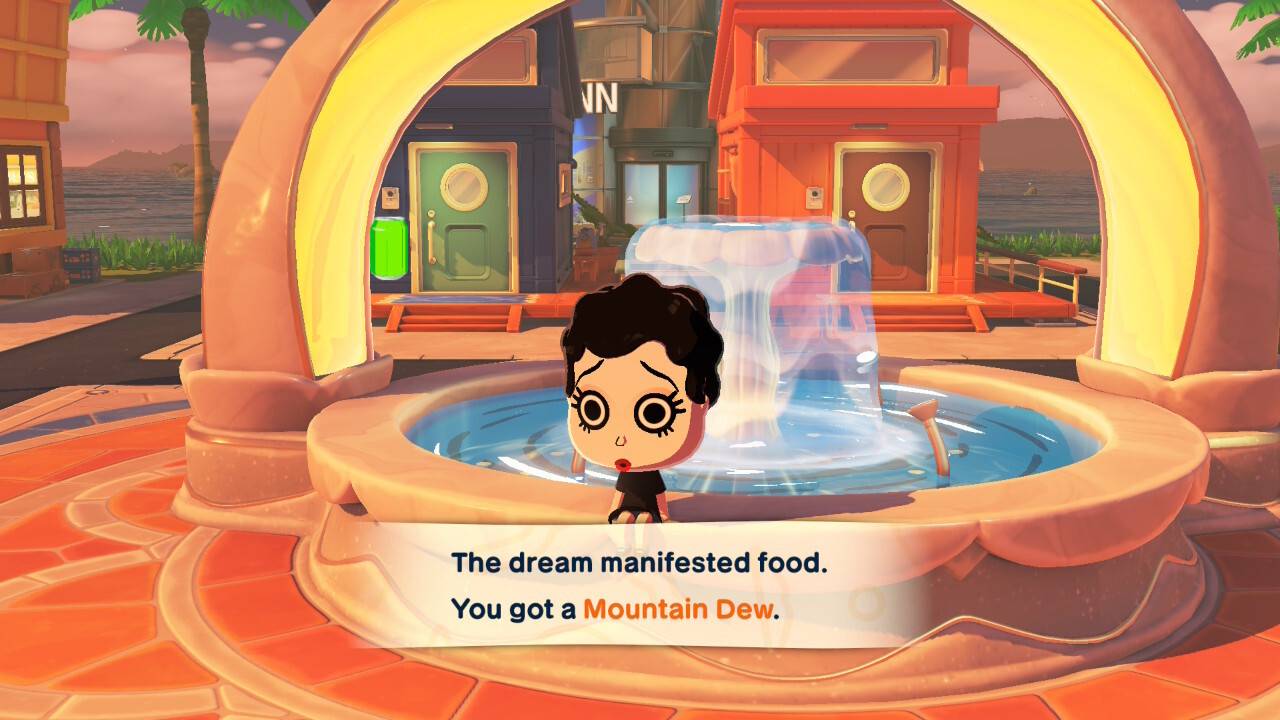
This dynamic has undeniably transformed Living the Dream into a potent meme generator, for better or worse. Alongside genuinely clever creations, a deluge of ironic memes, particularly early in the game’s lifecycle, flooded online spaces. The absence of any content filters in Living the Dream allowed players to craft dialogues and scenarios that pushed the boundaries of comedic decency, often resulting in crude and juvenile humor. This early focus on low-hanging fruit and shock value did not resonate with everyone.
A notable critique from writer Abram Buehner, published on Medium, argued that a significant portion of the player base was engaging with Living the Dream merely as a platform for generating viral content and accumulating social media engagement. Buehner’s question, "Is it meaningful to put Charlie Kirk on your island, or is it just intoxicating to watch the likes roll in on your post about it?" captured a sentiment felt by many who found the game’s potential being reduced to cheap laughs and fleeting attention.
Nuance in Nonsense: The Evolution of Online Comedy
While Buehner’s critique is valid and highlights a prevalent trend in online culture, it’s crucial to acknowledge the inherent nuance within seemingly nonsensical online interactions. The communities that embrace such "shitposting" often evolve. What begins as a collection of random, disconnected memes can gradually transform into a genuine community. Players start to riff off each other’s gags, developing a shared lexicon of absurd jokes that binds strangers together. This process transcends mere communication; it becomes an act of collective world-building, however bizarre.

Furthermore, these online spaces can function as informal workshops for creative endeavors. A particularly well-executed joke or a clever Mii creation can inspire others to hone their own skills, to "yes, and" the ongoing comedic narrative. The pursuit of likes and engagement, while a factor, often recedes in importance as the primary motivation shifts to the joy of making friends laugh in novel and unexpected ways. This demonstrates that even within the realm of the absurd, sincerity and genuine connection can blossom.
The Cigarette Meme and Beyond: A Shared Language
This evolution is vividly reflected in the Tomodachi Life community over the past month. One of the most memorable emergent memes has revolved around, of all things, cigarettes. It began when a player shared an in-game Mii holding a custom-designed cigarette. This simple act sparked a wave of creative responses. The game’s subreddit soon became populated with images of newborn Miis brandishing packs of Marlboro Reds, while TikTok videos showcased players transforming their virtual homes into elaborate cigarette pack designs.
The crescendo of this particular inside joke arrived when one user painstakingly recreated a scene from the science fiction comedy The Orville, meticulously placing 500 cigarettes onto a single in-game plate. This monumental, utterly absurd undertaking was a testament to the community’s ability to take a simple gag and escalate it to ludicrous proportions, eliciting genuine amusement and recognition from fellow fans who were privy to the shared cultural reference. It’s a perfect example of how a completely nonsensical escalation can forge a shared experience and a moment of collective joy.
Building Worlds, One Island at a Time
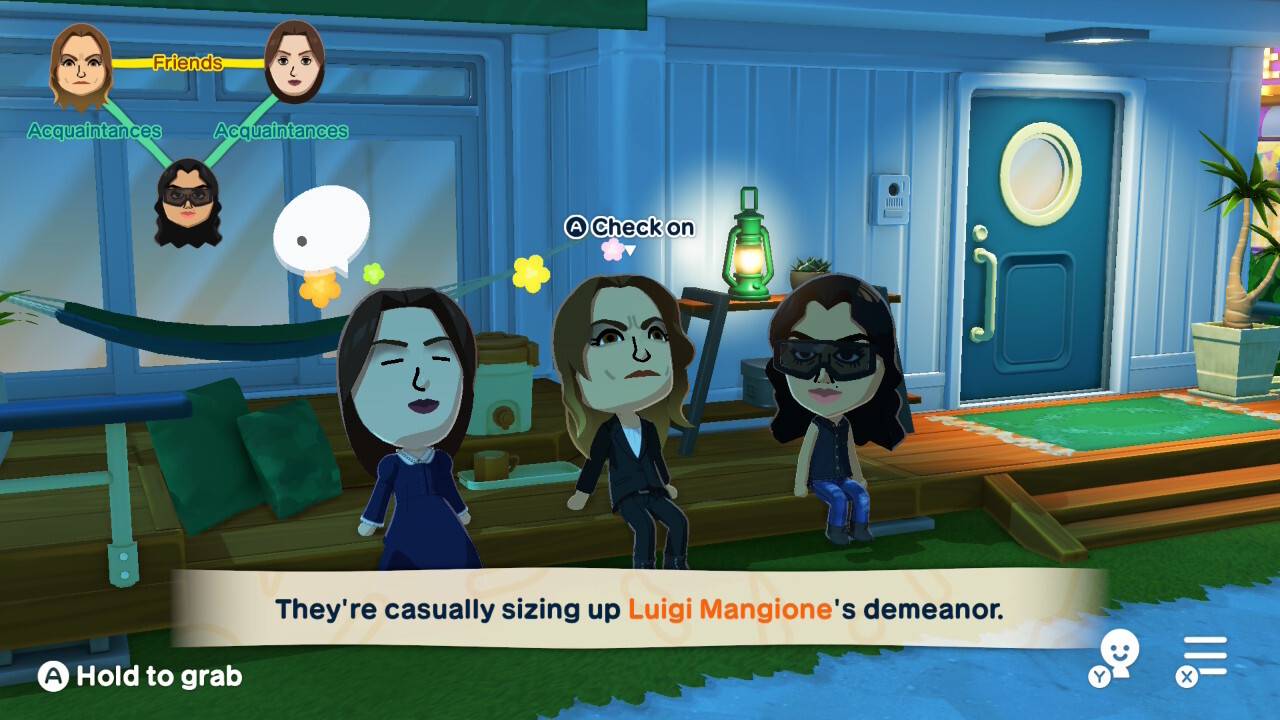
This style of collective riffing extends beyond mere humorous content. It has also led to genuine revelations about the game’s potential and has broadened the scope of what Tomodachi Life can be as a digital toy. Early on, players began transforming their island exteriors into recognizable landmarks. One Reddit user meticulously recreated the iconic houses of SpongeBob, Squidward, and Patrick in Bikini Bottom. Witnessing this, other players were inspired to undertake similar ambitious projects on a grander scale. One player embarked on building a virtual Mushroom Kingdom, complete with Princess Peach’s castle and rolling hills.
More recently, a Reddit user pushed the boundaries further by employing the exterior design tools to replicate the distinctive blocky art style of Minecraft on their island. Observing this progression—the creative baton being passed from one player to another, each building upon the ideas of those who came before—evokes a sense of eager anticipation. It fuels a desire to return to Living the Dream and explore the myriad ways one’s own island can be completely reimagined.
The Future of "Living the Dream"
One month into its release, it’s arguable that Tomodachi Life: Living the Dream players are simultaneously reaching the limits of its initial novelty and just beginning to scratch the surface of its true potential. The immediate thrill of witnessing the simulation unfold for the first time has naturally waned as the underlying mechanics have become more apparent. Fewer groundbreaking discoveries are being made, and more of what is being shared are remixes of previously seen content, albeit with new Miis and phrases.

However, from another perspective, the game’s potential feels largely untapped. The creation tools offer a vast canvas, ripe for continuous artistic expression and reinvention. Whether this artistic endeavor manifests as astonishingly detailed pixel art or as hilariously dumb memes is ultimately secondary. The true value lies in the act of creation and sharing. Players are exhibiting their digital works in their "online galleries," inspiring others with brilliant ideas or, at the very least, eliciting a good laugh. This ongoing cycle of creation, sharing, and inspiration is what ensures that Tomodachi Life: Living the Dream, despite its initial limitations, has the potential to remain a dynamic and engaging digital space for its dedicated community.


Leave a Comment