Ungraded Set to Revolutionize Trading Card Market with Groundbreaking 3D Imaging Technology
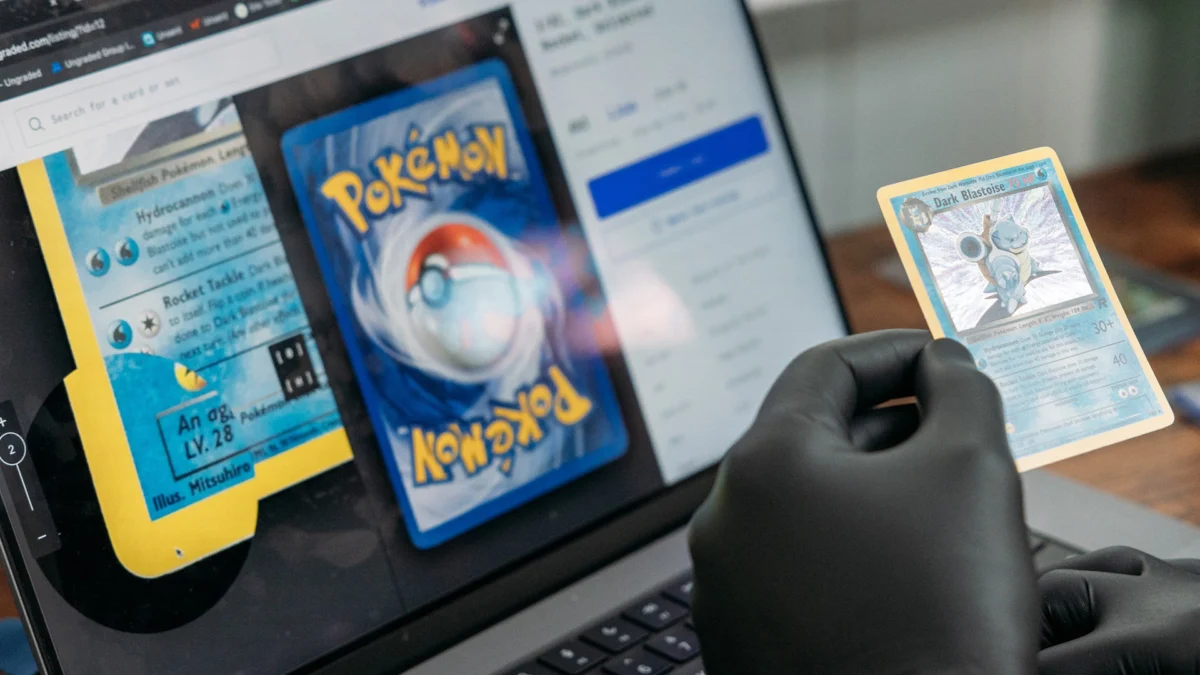
London, UK – [Insert Current Date] – The burgeoning market for collectible trading cards, encompassing powerhouses like Pokémon, Magic: The Gathering, and Yu-Gi-Oh!, is on the cusp of a significant transformation with the imminent launch of Ungraded. This innovative new marketplace, founded by a pair of astute Cornish Pokémon card collectors, promises to tackle the pervasive issues of trust, authenticity, and condition discrepancies that have long plagued online transactions for "raw" or ungraded cards. By deploying what it describes as "groundbreaking" 3D imaging technology, Ungraded aims to provide an unprecedented level of transparency and confidence for buyers and sellers alike.
The initiative comes as a welcome development for enthusiasts and investors navigating the often-treacherous waters of online trading. Unlike high-value cards typically sent off for professional grading and encapsulation by established services such as PSA or Beckett, the vast majority of cards traded online remain ungraded. This segment of the market, while less ostentatious than the six-figure sales of ultra-rare items, represents a significant volume of transactions, often fraught with risks ranging from misrepresentation of condition to outright counterfeiting and non-delivery. Ungraded’s proposition seeks to bridge this gap, offering a robust, transparent, and secure platform for the everyday collector.
Main Facts: A New Era of Transparency for Trading Cards
The core innovation driving Ungraded is its proprietary imaging technology, designed to capture hundreds of ultra high-definition photographs of each submitted card. These images are then meticulously stitched together to create an interactive 3D digital replica, offering potential buyers an unparalleled opportunity to scrutinize a card’s condition from every conceivable angle. This digital twin allows for dynamic rotation and extreme zoom capabilities, revealing intricate details that are often impossible to ascertain from standard two-dimensional photographs, however high-resolution they may be. Buyers will reportedly be able to examine elements as granular as CMYK print patterns, minor surface abrasions, subtle corner wear, and precise centering – all critical factors in determining a card’s true market value and appeal.
Ungraded’s mission is to eliminate the guesswork and anxiety inherent in purchasing raw cards online. For sellers, the platform streamlines the listing process, removing the burden of capturing adequate imagery and responding to endless condition-related queries. Instead of relying on blurry, low-quality photos often found on generalist marketplaces like eBay, sellers simply send their cards to Ungraded, which then handles the comprehensive imaging process. This centralized approach not only enhances buyer confidence but also standardizes the presentation of cards, creating a more equitable and efficient marketplace.
The platform is explicitly targeting a wide array of trading card games and collectibles. While its founders’ background is rooted in Pokémon, Ungraded will extend its services to other major TCGs such as Magic: The Gathering and Yu-Gi-Oh!, alongside various sports cards, including football and American sports memorabilia. This broad scope positions Ungraded as a potential one-stop solution for a diverse collector base.
Financial transparency is also a key component of Ungraded’s model. The platform has outlined a tiered fee structure designed to be competitive while covering the significant costs associated with its advanced imaging and logistical services. Sellers benefit from free listings for cards valued over £25. Buyers, on the other hand, will incur a fee based on the card’s sold value: 20% for cards up to £250, reducing to 17.5% for cards up to £1,000, and a further reduction to 15% for cards exceeding £1,000. For fixed-price listings, the seller will bear a 15% fee, with no additional charge to the buyer. Cards under £25 have a minimum fee of £5, where the seller covers the difference if the 20% buyer fee doesn’t meet this threshold. To encourage timely sales, an unsold fee of 1% of the card’s average price will be charged every 30 days after an initial 30-day listing period. Critically, Ungraded commits to covering all postage and insurance costs once a card is sold, significantly de-risking the shipping process for both parties. This comprehensive approach aims to foster a secure, efficient, and user-friendly environment for the trading card community.
Chronology: From Concept to Launch
The genesis of Ungraded can be traced back to the personal frustrations experienced by its Cornish founders, avid Pokémon card collectors themselves. Like many in the community, they frequently encountered the challenges of online trading: the agonizing wait for a card that might never arrive, the disappointment of receiving an item in a condition far worse than advertised, or the crushing realization of having purchased a counterfeit. These recurrent issues highlighted a glaring void in the market – a trusted intermediary for "raw" cards that didn’t necessitate the significant expense and time commitment of traditional professional grading.
Motivated by these firsthand experiences, the founders embarked on a mission to build a solution. The initial concept likely centered around enhancing visual fidelity, moving beyond static images to something more immersive and definitive. This led to the ambitious undertaking of developing or sourcing the advanced imaging technology that forms the backbone of Ungraded. The research and development phase would have involved significant investment in specialized photography equipment, software for image stitching and 3D model generation, and the creation of a robust digital infrastructure to host and serve these interactive previews. The challenge was not merely to take high-resolution photos, but to create a seamless, rotatable 3D representation that could withstand microscopic scrutiny – a far cry from a simple photo upload.
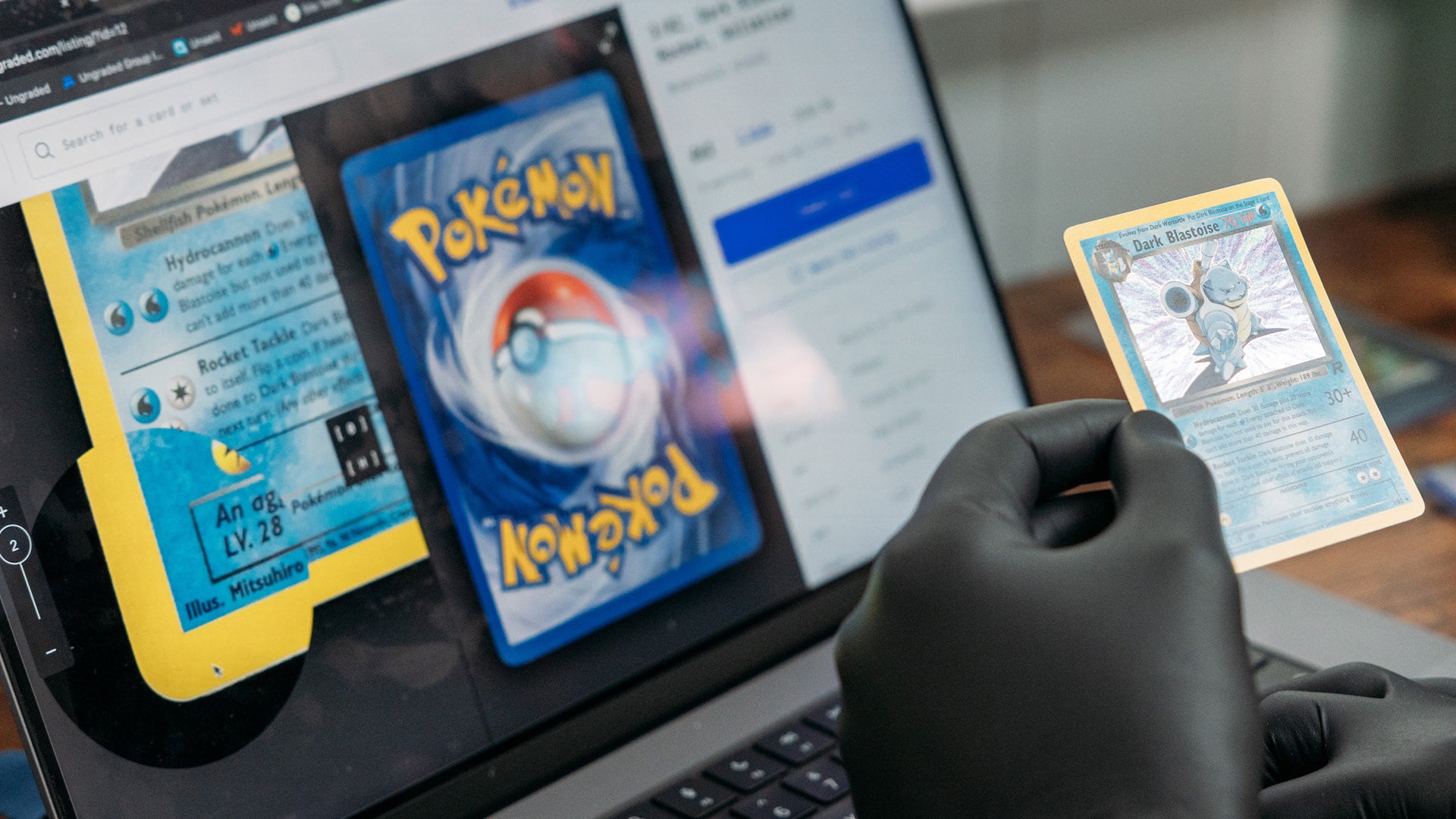
Following the successful development and refinement of their technological core, Ungraded began preparing for its public debut. The company announced its plans for a marketplace launch in July, signaling the culmination of their development efforts. Prior to the full marketplace rollout, Ungraded intends to build anticipation and test its systems through a series of "auction drops" commencing at the end of May. These initial auctions will feature a curated selection of popular trading cards from Pokémon, Yu-Gi-Oh!, and Magic: The Gathering, offering early adopters a first look at the platform’s capabilities and an opportunity to participate in its inaugural sales. This phased launch strategy allows Ungraded to fine-tune its operations, gather user feedback, and demonstrate the efficacy of its 3D imaging technology before opening its doors to the broader collecting community. The journey from identifying a market pain point to developing a complex technological solution and preparing for a structured launch underscores the dedication and strategic planning behind Ungraded’s ambitious vision.
Supporting Data: The Expanding Trading Card Universe and Its Challenges
The trading card market is a colossal and rapidly expanding ecosystem, underscoring the pressing need for solutions like Ungraded. According to various market analyses, the global trading card game market was valued at several billion dollars in recent years and is projected to continue its robust growth trajectory, driven by nostalgic adults, new generations of collectors, and the increasing mainstream appeal of franchises like Pokémon and Magic: The Gathering. For instance, reports indicate the market could reach over $30 billion by the end of the decade, with significant contributions from both primary sales of new products and a vibrant secondary market for singles and vintage cards.
Within this booming market, the secondary market for individual cards, particularly rare and sought-after singles, forms a substantial segment. However, it is precisely this segment that is most vulnerable to issues of authenticity and condition misrepresentation. Collectors often share anecdotes of receiving cards with undisclosed damage, creases, or alterations that were not visible in seller-provided photos. The inherent difficulty in accurately assessing a card’s condition remotely, coupled with the subjective nature of "near mint" or "excellent" descriptions, creates a ripe environment for disputes.
Traditional grading services, while offering certified authentication and condition ratings, come with their own set of limitations. The cost of grading can range from $20 to hundreds of dollars per card, depending on its value and desired turnaround time. This expense often makes grading impractical for cards valued below a certain threshold, leaving a vast majority of collectible cards in the "raw" category. Furthermore, the submission process can be lengthy, with wait times extending from weeks to several months, effectively locking up capital and cards for prolonged periods. This bottleneck has created a significant barrier for many collectors looking to buy or sell cards safely and efficiently without committing to professional grading.
Existing online marketplaces, from general auction sites to specialized TCG forums, typically rely on sellers to provide their own photographs. The quality and honesty of these images vary wildly, contributing directly to buyer apprehension. Even with diligent sellers, capturing every minute detail – such as a subtle surface scratch or a slight print imperfection – with standard camera equipment can be challenging. This is where Ungraded’s "groundbreaking" 3D technology aims to disrupt the status quo. By centralizing the imaging process and utilizing advanced photogrammetry techniques, Ungraded is positioning itself to establish a new benchmark for online card representation, offering a level of detail and transparency previously unattainable outside of in-person inspection. This technological leap addresses a fundamental pain point that has long hindered the seamless and trustworthy exchange of raw trading cards across the globe.
Official Responses: Ungraded’s Vision for a Trusted Marketplace
While direct quotes from Ungraded’s founders are not extensively provided, the company’s ambitious vision and strategic approach can be inferred from its proposed features and market positioning. Ungraded aims to be more than just another marketplace; it aspires to be a beacon of trust and transparency in an industry often clouded by uncertainty. The founders’ firsthand experiences with fraudulent listings and misrepresented conditions clearly inform their commitment to solving these systemic problems.
The core message from Ungraded is one of empowerment through transparency. By providing buyers with interactive 3D digital replicas, the company is effectively putting the power of detailed inspection back into the hands of the consumer. This isn’t merely about higher resolution; it’s about a fundamental shift in how card condition is perceived and verified remotely. The ability to rotate, zoom, and examine a card’s surface, edges, and corners for microscopic flaws is a direct response to the community’s demand for greater assurance. Ungraded’s technology promises to reveal even the most subtle imperfections, such as CMYK print patterns or faint scuffs, which are crucial for collectors assessing authenticity and condition.
Furthermore, Ungraded’s operational model signals a strong commitment to seller convenience and security. By taking on the responsibility of professional imaging, covering postage, and providing insurance for sold items, the platform significantly reduces the logistical and financial burdens typically associated with selling valuable collectibles online. This comprehensive service allows sellers to focus on what they do best – curating their collections – while Ungraded handles the complexities of showcasing, transacting, and shipping. The tiered fee structure, while present, is positioned as a fair exchange for the value-added services and the enhanced trust environment that the platform provides.
The company’s decision to focus on "raw" cards also reflects a deep understanding of the market’s nuances. While high-value cards benefit from established grading services, the vast, underserved segment of moderately valuable cards often struggles for a reliable trading channel. Ungraded aims to democratize access to secure online trading for this segment, ensuring that collectors of all budgets can participate with confidence. The forthcoming auction drops are not just a pre-launch marketing tactic but an opportunity for Ungraded to demonstrate its capabilities and build initial trust within the community, showcasing their technology’s efficacy and their commitment to a frictionless trading experience. In essence, Ungraded’s official stance, as articulated through its features, is a promise to elevate the standard of online trading card transactions, making them safer, more transparent, and ultimately more enjoyable for everyone involved.

Implications: Reshaping the Trading Card Landscape
The introduction of Ungraded carries significant implications for various stakeholders within the trading card market, potentially reshaping how raw cards are bought and sold globally.
For Collectors (Buyers): The most immediate and profound impact will be a dramatic increase in buyer confidence. The ability to virtually inspect a card in 3D, examining every nuance and flaw, mitigates the primary risks associated with online purchases: condition discrepancies and outright fraud. This enhanced transparency could lead to more informed purchasing decisions, fewer disputes, and ultimately, a more satisfying collecting experience. It also democratizes access to a wider array of cards, as collectors might be more willing to purchase from sellers they don’t personally know, relying on Ungraded’s imaging rather than seller reputation alone. This could foster a more liquid market for raw cards, allowing collectors to acquire desired items with greater ease and peace of mind.
For Sellers: Ungraded offers a streamlined and potentially more profitable avenue for selling raw cards. By eliminating the need for sellers to capture their own high-quality photos and handle complex shipping logistics, the platform significantly reduces the time and effort involved. More importantly, the professional 3D imaging provided by Ungraded lends an unparalleled level of credibility to each listing. This could lead to faster sales cycles and potentially higher realized prices for cards, as buyers are more assured of their condition. The platform’s commitment to covering postage and insurance further de-risks the selling process, making it an attractive option, especially for higher-value raw cards that fall below the threshold for traditional grading.
For the Broader TCG Market: Ungraded could become a disruptive force, particularly for the segment of cards that are valuable but not quite "grade-worthy" in the traditional sense. It might carve out a new niche between the low-transparency general marketplaces and the high-cost, high-assurance grading services. This could stimulate overall market activity by making raw card transactions safer and more efficient. Should Ungraded’s technology prove as robust and accurate as promised, it could set a new industry standard for online card representation, potentially pressuring other marketplaces to enhance their visual verification tools. It might also subtly influence the perception of "ungraded" cards, elevating their status by providing a reliable, third-party verified condition assessment without the encapsulation.
Potential Challenges and Future Growth: While the promises are lofty, Ungraded will undoubtedly face challenges. Scaling its advanced imaging operations to handle a high volume of submissions efficiently will be critical. User adoption is another hurdle; collectors are often creatures of habit, and shifting them to a new platform requires sustained trust and positive experiences. Competition from established players, even if they don’t offer 3D imaging, remains a factor. Furthermore, the effectiveness of the 3D previews in preventing all disputes, especially over highly subjective aspects of condition, will be tested over time.
Looking ahead, Ungraded’s technology could have broader applications. One could envision its imaging data being fed into AI algorithms for automated, objective condition assessment, further enhancing transparency and potentially leading to a new form of "digital grading." The platform could also expand its scope beyond trading cards to other flat collectibles, such as stamps, comics, or even art prints, wherever condition verification is paramount. As Ungraded prepares for its full launch, the collecting world watches with keen interest, anticipating whether this innovative platform can truly deliver on its ambitious promise to bring unprecedented transparency and trust to the vibrant, yet often volatile, market for raw trading cards.