Spooky Season in the Virtual Realm: Ghosts of Tabor and Knights of Fiona Launch Comprehensive Halloween Updates
The virtual reality (VR) gaming landscape is currently undergoing a festive transformation as developers leverage the immersive nature of the medium to celebrate the "spooky season." Two prominent titles, the high-stakes extraction shooter Ghosts of Tabor and the cooperative JRPG Knights of Fiona, have officially launched significant Halloween-themed content updates. These updates are designed not only to provide aesthetic variety but also to drive player engagement through limited-time mechanics, exclusive rewards, and community-driven events.
As the VR industry moves toward a "live-service" model similar to traditional flat-screen gaming, seasonal events have become a cornerstone of player retention. The current updates represent a sophisticated approach to community management, blending in-game environment changes with external platform integrations like Twitch.
Main Facts: A Dual-Front Festive Rollout
The Halloween festivities are split between two vastly different genres, highlighting the versatility of current VR offerings.
Ghosts of Tabor: The Gritty Holiday
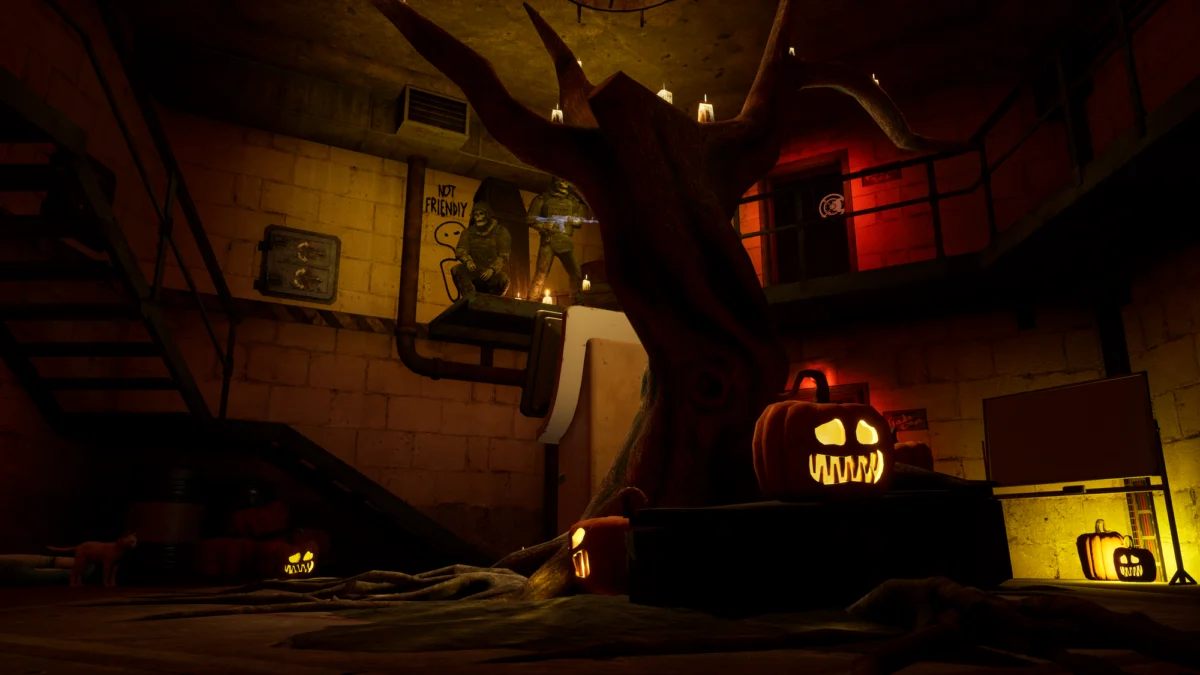
Ghosts of Tabor, developed by Combat Waffle Studios, has introduced a specialized Halloween-themed bunker. This central hub, where players manage their inventory and plan raids, has been overhauled with seasonal decorations to enhance the atmospheric tension of the game.
Beyond the visual changes, the game is hosting an aggressive Twitch Drops campaign. Running until November 2, this initiative allows players to earn exclusive in-game items by watching participating streamers. This is a rare move in the VR space, as Twitch integration remains technically and demographically challenging for many smaller studios. To participate, players must have played at least once during the current "wipe" (the game’s seasonal progression reset) and link their game accounts to their Twitch profiles.
Knights of Fiona: Questing Through the Mist
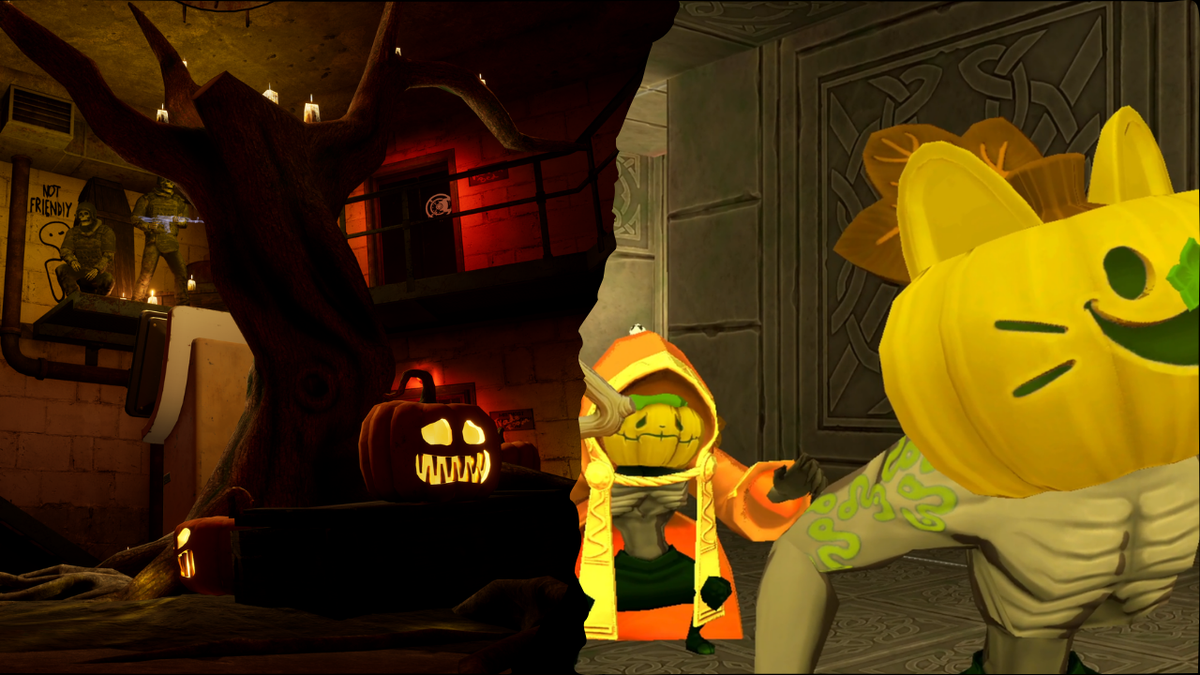
In contrast to the tactical realism of Tabor, Knights of Fiona offers a more whimsical, cooperative JRPG experience. Their Halloween Event Quest, which began on October 20 and runs through November 12, introduces specific narrative content and unique gear.
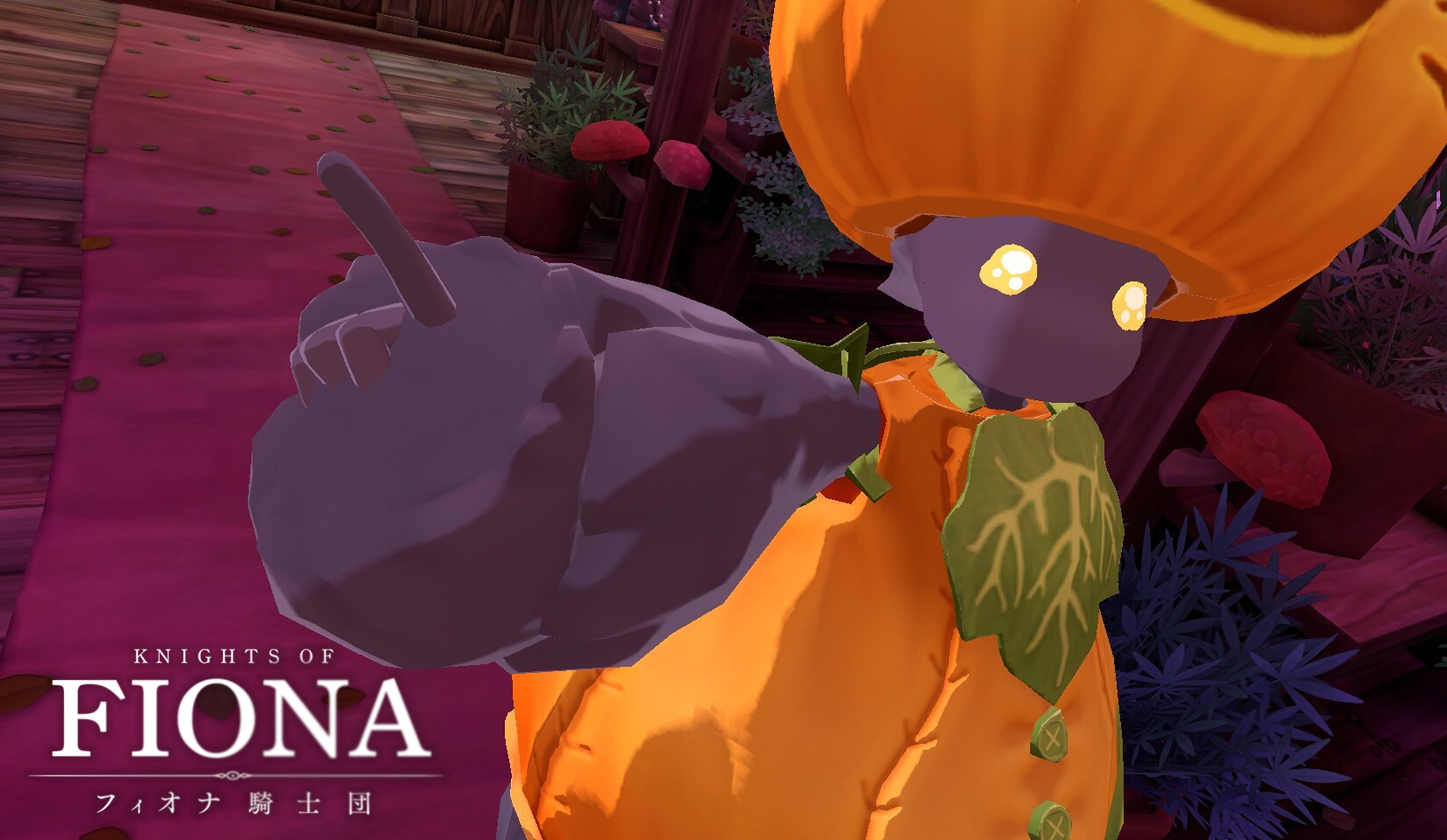
The primary rewards for this event include a "Pumpkin Shield" and a specialized "Halloween Body" cosmetic set. Crucially, the developers have made this content accessible to the entire player base, regardless of whether they have purchased the premium Story Pass. Additionally, the game’s "Got ’Em Mall" has been stocked with limited-time pumpkin hat sets available via in-app purchases, catering to the "fashion-souls" meta-game prevalent in social JRPGs.
Chronology of the Spooky Season Updates
The rollout of these updates followed a strategic timeline designed to capture maximum attention during the lead-up to October 31 and the subsequent week.
- Mid-October 2024: Internal teasers and community Discord announcements began circulating for both titles, following a broader trend of VR developers (such as those behind Walkabout Mini Golf and Arizona Sunshine 2) announcing "Spooky Season" content.
- October 20, 2024: Knights of Fiona officially launched its Halloween Event Quest. This early start was intended to give the JRPG community ample time to grind for the exclusive shield and body cosmetics before the event concludes in mid-November.
- Late October 2024: Ghosts of Tabor pushed its bunker update and simultaneously activated its Twitch Drops campaign. The decision to time this closer to Halloween served to spike viewership on streaming platforms during a period when horror and survival games see a natural uptick in interest.
- November 2, 2024: The scheduled conclusion of the Ghosts of Tabor Twitch Drops campaign. This creates a "fear of missing out" (FOMO) window, encouraging immediate engagement.
- November 12, 2024: The final date for Knights of Fiona players to complete the special battle quests and claim their rewards, marking the end of the seasonal cycle for the JRPG.
Supporting Data: Mechanics, Platforms, and the Twitch Factor
The success of these updates is rooted in the technical and mechanical frameworks of the respective games.
The Extraction Shooter Loop in Ghosts of Tabor
Ghosts of Tabor is often described as the "Escape from Tarkov of VR." Its gameplay loop involves "raiding" maps, scavenging for high-value loot, and reaching an extraction point before being killed by other players or AI "Fenix" soldiers.
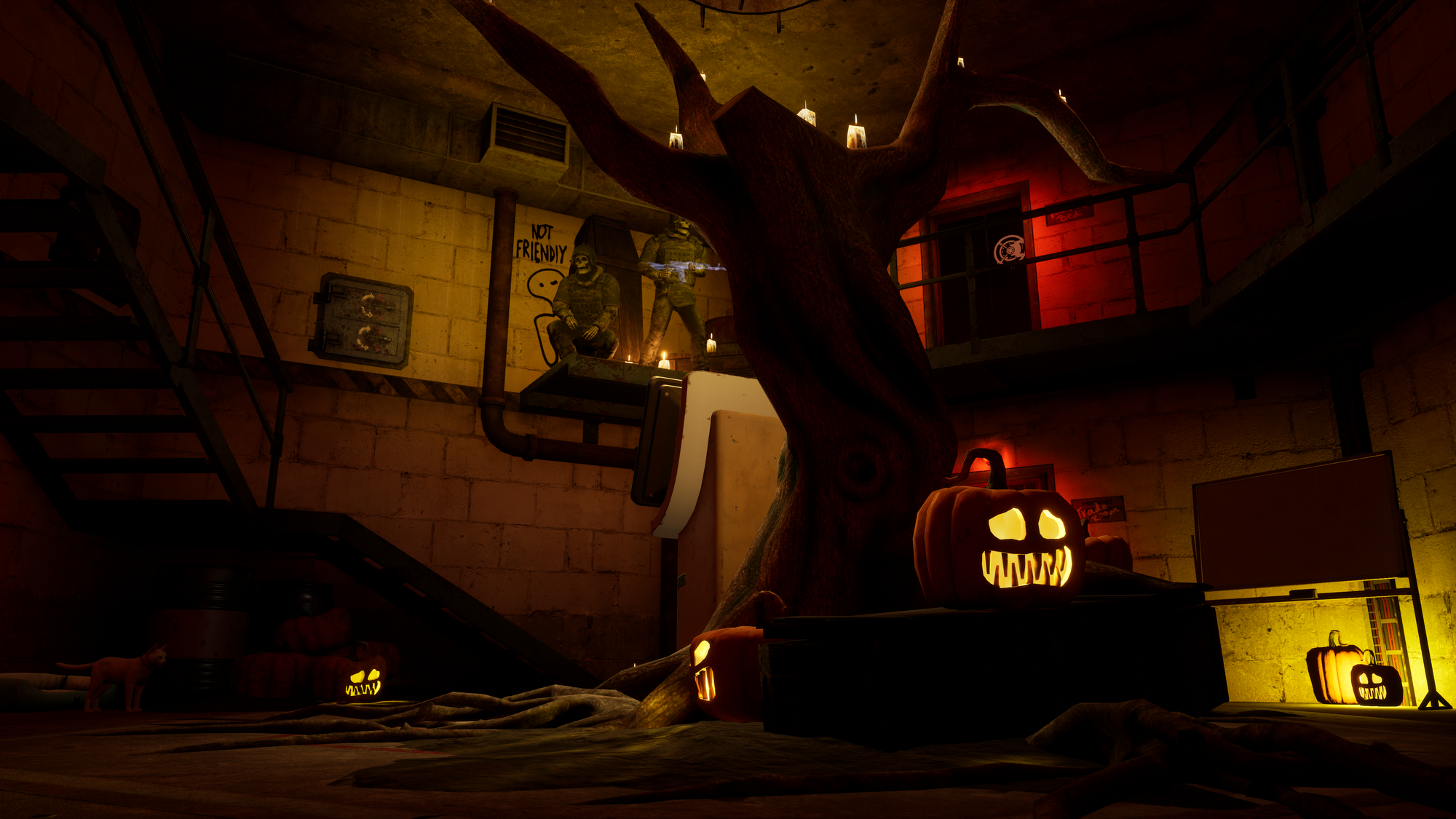
- The Bunker Significance: In Tabor, the bunker is more than a menu; it is a physical space where players manually organize their magazines, clean their weapons, and display their trophies. By "spookifying" this space, the developers change the tone of the player’s most personal area in the game.
- Twitch Drops Data: While specific viewership numbers for this campaign are still being aggregated, historically, Twitch Drops can increase a game’s category viewership by 200% to 500% during the event window. For VR, this is a vital discovery tool, as it puts the game in front of audiences who may not yet own a headset but are interested in the "hardcore" shooter genre.
The Cooperative JRPG Model in Knights of Fiona
Knights of Fiona utilizes a different engagement metric. As a free-to-play title on the Meta Horizon Store and Steam, its health depends on a high volume of active users and microtransactions.
- Accessibility: The decision to make the Halloween quest free for non-Story Pass holders is a calculated move to prevent community fragmentation. By allowing all players to access the Eftora Station quest board and select "Special" battles, the developers ensure that the matchmaking pools remain full.
- Cross-Platform Availability: Both games are available across a wide spectrum of hardware:
- Meta Quest (2, 3, Pro): The primary driver of VR sales.
- SteamVR: Catering to the high-end PCVR enthusiast.
- PlayStation VR2: Providing a high-fidelity console experience for Tabor.
- Pico: Capturing the European and Asian standalone markets.
Official Responses and Developer Strategy
While formal press releases often focus on the "fun" of the holidays, the underlying developer strategy reflects a maturing VR market.
Combat Waffle Studios (Ghosts of Tabor) has consistently messaged that their goal is to create a "living world." Their frequent use of Twitch Drops—a rarity in VR—is a response to the "discovery problem" on the Meta and Steam stores. By incentivizing streamers to play Tabor, they effectively outsource their marketing to the community. Official community managers have emphasized that account linking is a one-time necessity to bridge the gap between the Twitch API and the game’s proprietary backend.
The team behind Knights of Fiona has focused their response on the concept of "seasonal rewards." In JRPGs, limited-time items like the Pumpkin Shield often become "legacy items" that signify a player’s long-term commitment to the game. By offering these through gameplay rather than just a storefront, they reward the "grind," which is central to the JRPG identity.
Implications: The Future of Live-Service VR
The implementation of these Halloween updates carries several long-term implications for the VR industry.
1. The Normalization of Seasonal Content
As VR headsets become more common household items, players expect the same level of support they receive in titles like Fortnite or Destiny 2. These updates signal that VR studios are moving away from "launch and forget" development cycles toward "continuous engagement" cycles. This shift is expensive and requires dedicated art and engineering teams to produce assets that may only be relevant for three weeks a year.
2. Streamer-Centric Marketing
The Ghosts of Tabor Twitch campaign highlights a growing realization: VR is a spectator sport. High-stakes extraction shooters are inherently tense and entertaining to watch. By leveraging Twitch Drops, developers are acknowledging that a game’s success is often tied to its visibility on social media. This may lead to more VR games being designed with "Spectator Modes" or built-in streaming tools in the future.
3. Monetization Balance
Knights of Fiona’s blend of free quest rewards and paid cosmetic hats illustrates the delicate balance developers must strike. In the VR community, which can be sensitive to aggressive monetization, offering "earnable" rewards alongside "purchasable" ones is becoming the standard for maintaining goodwill.
4. Technical Hurdles and Community Onboarding
The requirement for Tabor players to have played during the "current wipe" and link accounts online highlights the friction still present in VR ecosystems. Unlike integrated platforms like Xbox Live or PlayStation Network, VR often requires third-party account linking to facilitate cross-platform rewards. As the industry matures, we can expect more streamlined "Single Sign-On" (SSO) solutions to handle these promotional events.
In conclusion, the Halloween updates for Ghosts of Tabor and Knights of Fiona are more than just seasonal flair. They are a testament to the evolving sophistication of VR game development and community management. Whether through the gritty, high-stakes rewards of a Twitch-integrated shooter or the cooperative, reward-driven quests of a JRPG, these developers are successfully turning the "spooky season" into a powerful tool for platform growth and player loyalty. As November approaches, the success of these events will likely serve as a blueprint for the upcoming winter holiday season across the virtual reality spectrum.