
The Architects of Dread: Analyzing the Most Terrifying Entities in Television History
In the contemporary landscape of prestige television, the "monster" has undergone a profound evolution. While current discourse is frequently dominated by the psychological torment of Vecna in Stranger Things or the trans-dimensional malevolence of Pennywise in the upcoming It: Welcome to Derry, the history of the small screen is populated by a diverse menagerie of nightmares. These entities do not merely rely on jump scares; they infiltrate the domestic space, lingering in the viewer’s subconscious long after the screen goes dark.
To understand the mechanics of televised horror, one must look beyond the current heavyweights and examine the creatures that defined their respective eras. By removing the industry-dominating figures of Vecna and Pennywise from the equation, we can better appreciate the craftsmanship, folklore, and psychological triggers utilized by creators to manifest true terror.
Main Facts: A Taxonomy of Televised Terror
The following seven entities represent the pinnacle of monster design and narrative execution across the last three decades of television.
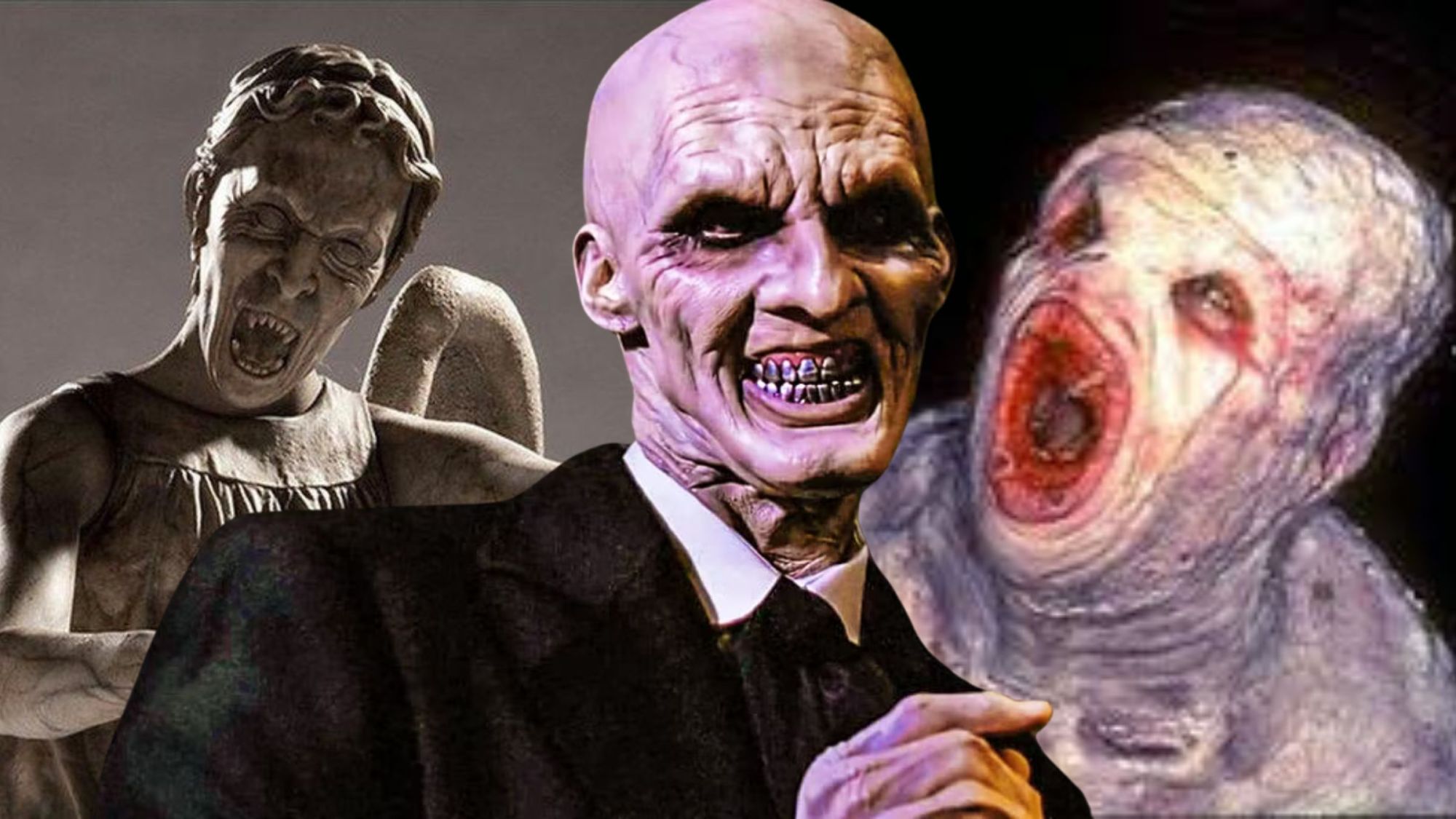
1. The Weeping Angels (Doctor Who)
Debuting in the 2007 episode "Blink," the Weeping Angels are widely considered the most frightening creation in the history of the long-running British sci-fi series. Created by Steven Moffat, these "quantum-locked" predators utilize a unique biological defense: they only exist as stone statues when observed. The moment an observer blinks or turns away, they move with lethal, supernatural speed. Their method of "killing" is equally haunting; they displace their victims in time, feeding off the "potential energy" of the lives those victims would have led in the present.
2. The White Walkers (Game of Thrones)
While Game of Thrones was primarily marketed as a political Machiavellian drama, its foundation was built on the existential horror of the White Walkers. These ancient, ice-fleshed humanoid beings from the Far North represented an extinction-level event. Led by the Night King, they possessed the ability to reanimate the dead into "wights," turning a fallen army against its own survivors. Their silence and glacial persistence reframed the "Game of Thrones" as a petty distraction in the face of inevitable, frozen oblivion.
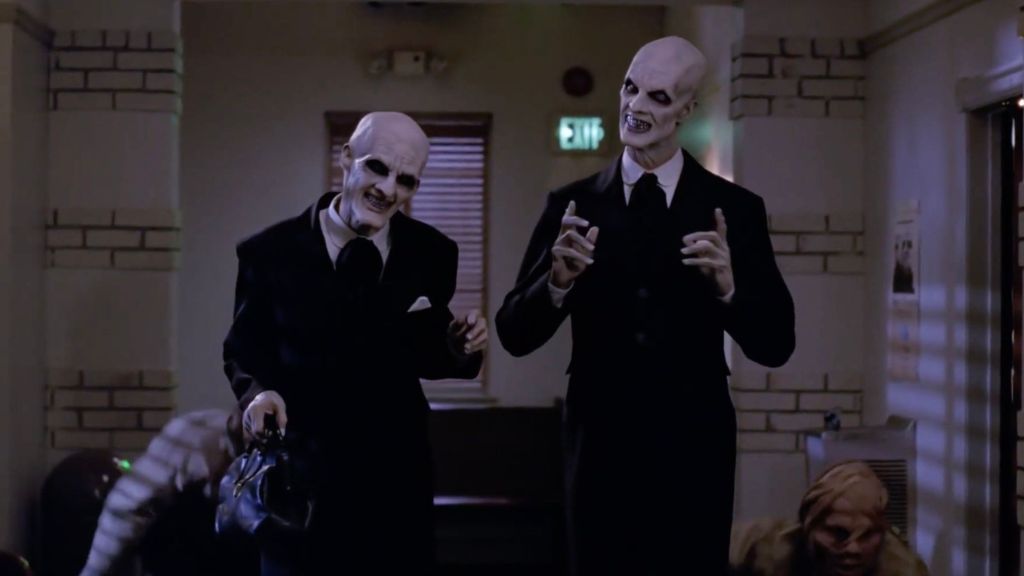
3. The Gentlemen (Buffy the Vampire Slayer)
In the Season 4 episode "Hush," Joss Whedon introduced The Gentlemen—gaunt, bald demons with permanent metallic grins who float inches above the ground. Their horror is derived from a fairy-tale logic: they steal the voices of an entire town so that no one can scream while they surgically remove human hearts. The Gentlemen are accompanied by "Footmen," twitching creatures in straitjackets, creating a visual aesthetic that blends Victorian elegance with asylum-based gore.

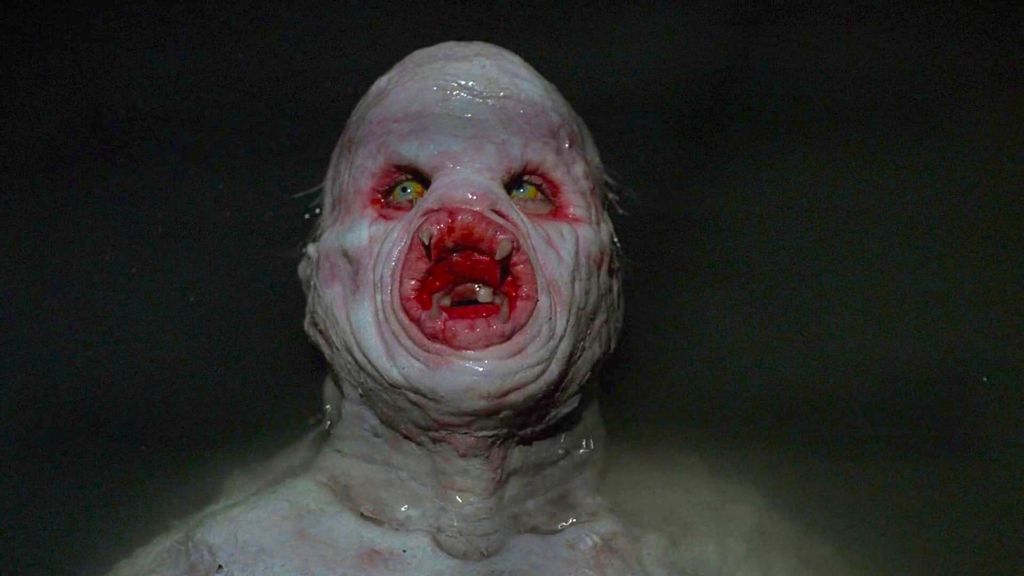
4. The Flukeman (The X-Files)
Appearing in the 1994 episode "The Host," the Flukeman remains the gold standard for "Monster of the Week" procedural horror. A humanoid parasite born from the radioactive runoff of the Chernobyl disaster, the creature inhabits the sewer systems of New Jersey. Its physical design—a pale, bloated mass with a circular, lamprey-like mouth—taps into primal fears regarding sanitation, mutation, and the unseen dangers lurking beneath urban infrastructure.
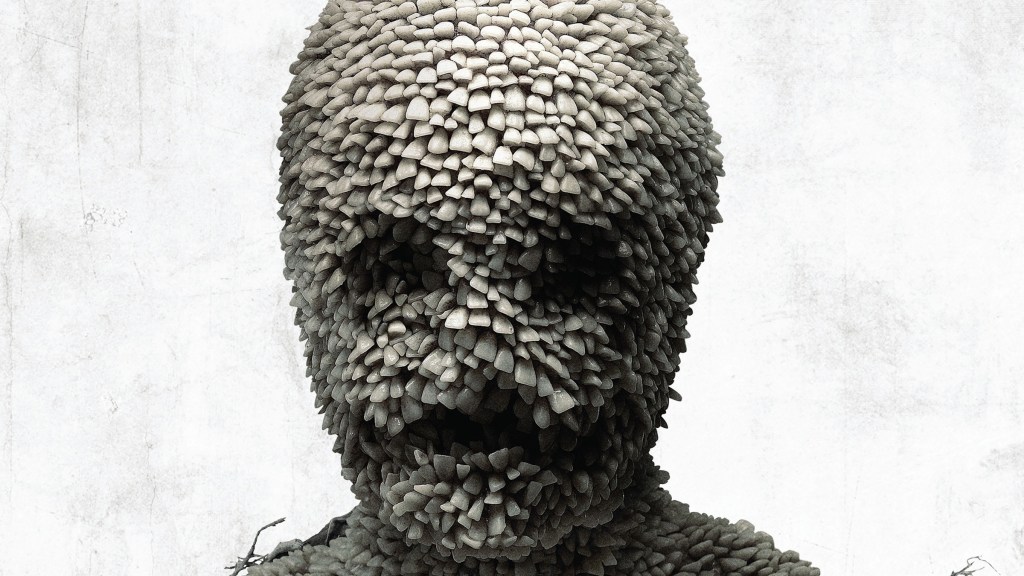
5. The Shtriga (Supernatural)
Supernatural drew heavily from global folklore, but few creatures were as unsettling as the Shtriga. Based on Albanian myth, the Shtriga is a witch-like entity that feeds on spiritus vitae (life force). In the series, the monster targets children, as their life force is more potent and sustainable. The creature’s ability to pass as a normal human during the day, only to transform into a withered hag at night to "feed" via a breath-stealing kiss, made it a particularly intimate and domestic threat.
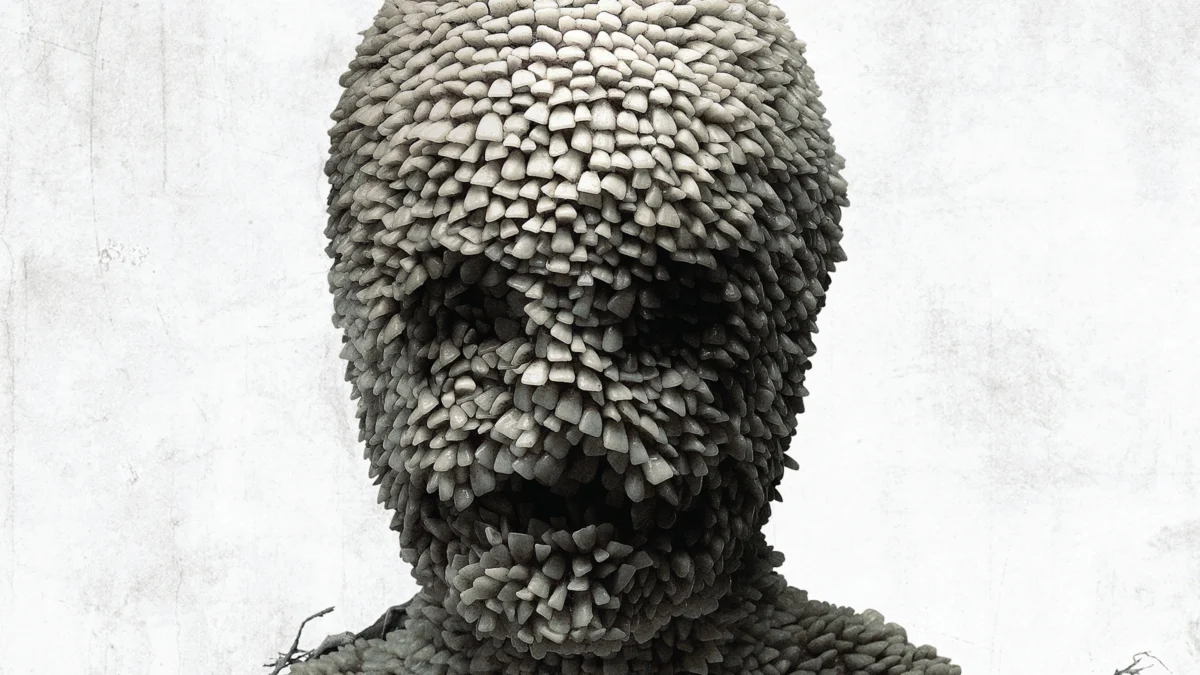
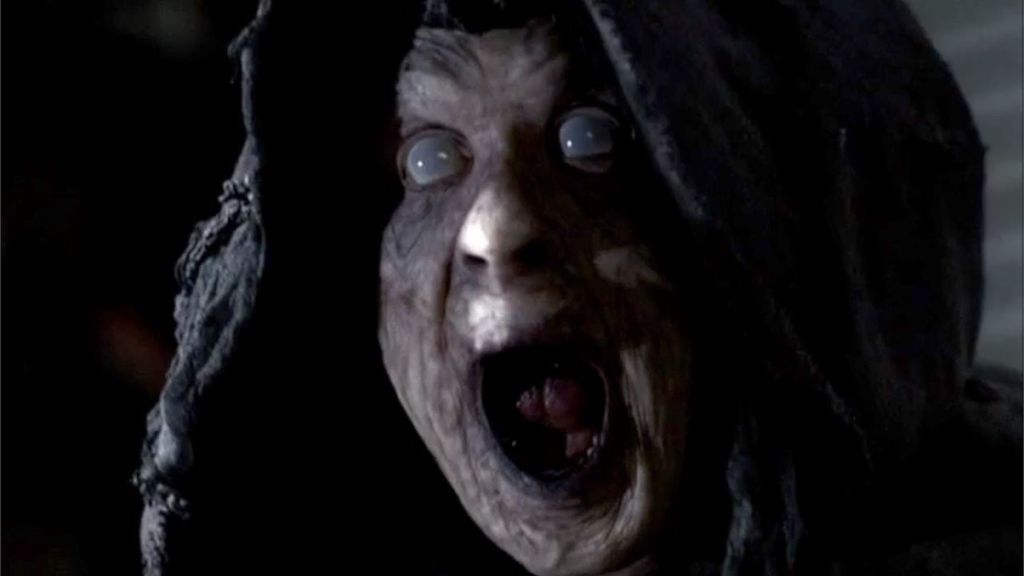
6. The Tooth Child (Channel Zero)
The first season of the anthology series Channel Zero, titled Candle Cove, introduced the Tooth Child. This creature is exactly what its name implies: a humanoid figure entirely covered in human teeth. As a manifestation of childhood trauma and repressed memory, the Tooth Child’s design is a masterclass in the "uncanny valley." The auditory component of the character—the constant, wet clicking of thousands of teeth—added a layer of sensory revulsion that set a new bar for cable horror.
7. Clickers (The Last of Us)
Representing the modern pinnacle of creature effects, the Clickers are humans in the late stages of a Cordyceps fungal infection. Because the fungus has burst through their ocular cavities, the creatures are blind and navigate via echolocation. This creates a high-stakes "stealth horror" environment where the slightest sound results in a frenzied, unstoppable attack. The Clickers represent a terrifying fusion of biological plausibility and grotesque body horror.
Chronology of Innovation: The Evolution of the TV Monster
The development of these monsters mirrors the technological and narrative shifts in the television industry:
- 1994 (The Flukeman): In the mid-90s, The X-Files utilized practical prosthetics and low-key lighting to overcome budget constraints. The Flukeman represented the "gross-out" era of TV horror, focusing on physical revulsion.
- 1999 (The Gentlemen): By the turn of the millennium, shows like Buffy began experimenting with stylistic horror. "Hush" was a response to critics who claimed the show relied too much on dialogue, proving that visual storytelling and creature design could carry an entire narrative.
- 2006-2007 (Shtriga & Weeping Angels): This era saw a return to folklore and psychological concepts. The Weeping Angels, in particular, turned a common childhood game ("Red Light, Green Light") into a source of existential dread, marking a shift toward "concept-driven" monsters.
- 2011-2015 (White Walkers): As television entered the "High Fantasy" era with Game of Thrones, monsters became part of large-scale world-building. The White Walkers moved from mysterious shadows to a CGI-enhanced army, reflecting the massive increase in television production budgets.
- 2016-2023 (Tooth Child & Clickers): The current era is defined by "Auteur Horror." Channel Zero used surrealism and creepypasta lore to create avant-garde monsters, while The Last of Us combined hyper-realistic practical effects with prestige drama sensibilities to create monsters that feel terrifyingly grounded in science.
Supporting Data: The Mechanics of Fear
What makes these seven monsters more effective than the thousands of others that have appeared on screen? Data from critical reviews and fan reception suggests three primary factors:
| Monster | Primary Fear Trigger | Sensory Element |
|---|---|---|
| Weeping Angels | Loss of control/The Unseen | Silence/Sudden Proximity |
| White Walkers | Inevitability/Death | Cold/Visual Scale |
| The Gentlemen | Helplessness (Loss of Voice) | Total Silence |
| Flukeman | Contamination/Bodily Invasion | Squishing/Slime Sounds |
| Shtriga | Predation on Innocence | Night-time Transformation |
| Tooth Child | The Uncanny Valley | Clicking/Grinding Teeth |
| Clickers | Sound-based Vulnerability | Echolocation Clicks |
Critical analysis of "Blink" (Doctor Who) and "Hush" (Buffy) reveals that both episodes are frequently cited as the "entry point" for new fans of their respective series, largely due to the strength of the monster design. Furthermore, The Last of Us earned multiple Creative Arts Emmy Awards for its prosthetic makeup, proving that the physical craftsmanship of a monster is as vital to a show’s success as the acting.
Official Responses and Critical Legacy
The impact of these creatures is often validated by the creators and the industry at large.
Steven Moffat (Creator of the Weeping Angels) noted in interviews that the inspiration came from a cemetery he visited while on holiday, realizing that a statue’s fixed gaze is inherently predatory. The BBC has since integrated the Angels into the permanent "Doctor Who Experience," acknowledging them as a cornerstone of the brand.
Doug Jones, the legendary creature actor who played one of The Gentlemen, has frequently cited the role as one of his most "elegantly terrifying." The episode "Hush" remains the only episode of Buffy the Vampire Slayer to be nominated for an Emmy in the Outstanding Writing for a Drama Series category—a rarity for a script that is almost entirely silent.
Regarding The Flukeman, X-Files star David Duchovny famously quipped about his distaste for the "disgusting" suit, yet the character was so popular it received a "sequel" in the comic book continuations, cementing its status as a cult icon.
Implications: The Future of the Small Screen Monster
The success of these entities suggests that for a TV monster to be truly effective, it must tap into a "universal vulnerability." Whether it is the act of blinking, the inability to scream, or the fear of what lives in the plumbing, these monsters weaponize the mundane.
As we move further into the era of high-budget streaming horror, the implications are clear:
- Practical Effects Matter: Despite the rise of CGI, the most "terrifying" monsters (Clickers, Tooth Child, The Gentlemen) rely heavily on practical prosthetics that actors can interact with.
- Audio is 50% of the Scare: The "clicking" of the Cordyceps infected or the silence of The Gentlemen proves that what we hear (or don’t hear) is as important as what we see.
- Subverting Safety: The most enduring monsters are those that invade the "safe" spaces—the home, the childhood bedroom, or the very act of looking.
While Vecna and Pennywise will continue to dominate the headlines, the legacy of the Weeping Angels, the White Walkers, and their ilk ensures that the history of television horror remains a rich, varied, and deeply unsettling landscape. These creatures have set a standard that all future monsters must strive to meet: they don’t just appear on the screen; they stay in the room.



Leave a Comment