The Architecture of Altruism: How ‘HumanKind’ is Redefining Holiday Philanthropy and Social Connection
Main Facts: A Literary Phenomenon Built on Compassion
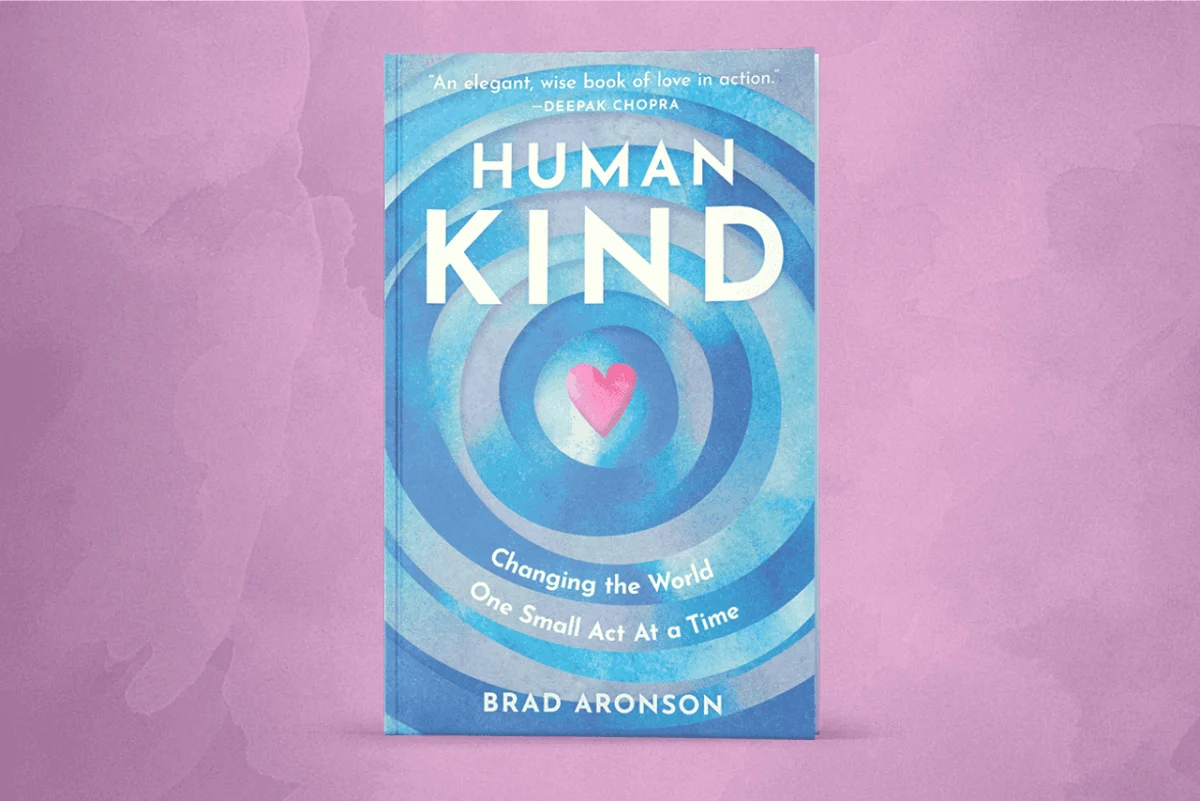
In an era often defined by digital polarization and a relentless 24-hour news cycle of global crises, a quiet revolution in the publishing world is gaining significant momentum. HumanKind: Changing the World One Small Act at a Time, authored by Brad Aronson, has emerged as more than just a national bestseller; it has become a cornerstone of a growing movement focused on "micro-altruism."
The book, which serves as a curated anthology of true stories highlighting the profound impact of individual kindness, has recently announced a significant holiday initiative. In a strategic pivot from traditional commercialism, the author has launched an early Black Friday campaign, offering the work at a 40% discount and providing bulk purchasing options—such as five copies for $11 each—to encourage the dissemination of its message.
Central to the project’s mission is its radical financial model: 100% of the author’s royalties are donated directly to non-profit organizations, primarily those supporting youth mentoring and community development. As the holiday season approaches—a period often marked by a dichotomy of communal joy and personal stress—HumanKind is being positioned by literary critics and social psychologists alike as a vital intervention for mental well-being and social cohesion.
Chronology: From Personal Crisis to National Bestseller
The genesis of HumanKind was not found in a corporate boardroom or a marketing brainstorm, but in the sterile hallways of a hospital. To understand the book’s current impact, one must look back at the personal catalyst that drove Brad Aronson to document the capacity for human goodness.
The Catalyst (2014-2016)
The journey began when Aronson’s wife, Mia, was diagnosed with leukemia. During her intensive treatment, which spanned two and a half years, Aronson witnessed an unexpected outpouring of support from friends, family, and even strangers. While Mia fought for her life, a community formed around them—providing meals, looking after their son, Jack, and offering gestures of support that Aronson later described as life-saving.
The Documentation (2017-2019)
Deeply moved by the "army of kindness" that supported his family, Aronson began researching and collecting stories of other individuals who had changed the world through small, manageable acts. He sought out stories that weren’t about billionaires writing checks, but about ordinary people utilizing their existing skills or a few minutes of their time to alter the trajectory of another person’s life.
The Publication and Rise (2020-Present)
HumanKind was released during the height of the COVID-19 pandemic, a time when the world was starved for connection and positive news. Its arrival coincided with a global realization of human interdependence. The book quickly ascended to national bestseller lists, fueled by grassroots word-of-mouth and its adoption by book clubs and corporate wellness programs. By 2023, the book had solidified its place as a staple in the "inspirational non-fiction" genre, leading to the current large-scale holiday distribution effort.
Supporting Data: The Science and Economics of Kindness
The success of HumanKind is supported by a growing body of empirical evidence suggesting that altruism is not merely a moral imperative but a biological and social necessity.
The "Helper’s High" and Mental Health
Research from the Greater Good Science Center at UC Berkeley indicates that engaging in or even reading about acts of kindness triggers the release of oxytocin, often called the "cuddle hormone," and dopamine. Aronson’s work leverages this "moral elevation"—a state of being moved by another’s virtuous act—which has been shown to reduce stress hormones and increase a sense of social safety.
The Financial Impact of the Royalty Model
While most authors retain 10% to 15% of a book’s retail price as royalty, Aronson’s commitment to donating 100% of these proceeds is an outlier in the industry. Data suggests that this model has contributed tens of thousands of dollars to organizations like Big Brothers Big Sisters. By pricing the book at $11 for bulk orders during the holiday season, the project aims to maximize the volume of donations while lowering the barrier to entry for readers who wish to "gift" hope.
Consumer Trends in Conscious Giving
According to a 2023 retail report, 64% of consumers prefer to purchase gifts that have a charitable component. The "HumanKind" campaign taps into this shift, moving away from "disposable consumerism" toward "impact gifting." The 40% discount serves as a mechanism to scale the book’s reach, effectively turning every reader into a potential node in a larger network of altruistic action.
Official Responses: Perspectives from the Front Lines of Philanthropy
The impact of Aronson’s work has garnered responses from various sectors, highlighting its utility as a tool for social change.
The Author’s Perspective:
Brad Aronson has consistently maintained that the book is a collaborative effort between him and the subjects of his stories. In public statements regarding the holiday sale, Aronson noted: "The goal was never to sell books for the sake of sales; it was to provide a toolkit for kindness. During the holidays, people are looking for ways to give back but often feel overwhelmed by the scale of the world’s problems. This book reminds them that they don’t have to change everything at once—they just have to change one person’s day."
Non-Profit Endorsements:
Leaders in the non-profit sector have lauded the book for its ability to inspire volunteerism. A spokesperson for a national youth mentoring organization stated, "We see a direct correlation between the stories highlighted in HumanKind and a renewed interest in mentorship. The book demystifies what it means to be a ‘hero,’ making it accessible to anyone with an hour a week to spare."
Literary and Educational Reception:
Educators have begun integrating HumanKind into "Social-Emotional Learning" (SEL) curricula. School administrators have noted that the book’s focus on empathy provides a practical framework for students to navigate peer relationships and community involvement, particularly in the post-pandemic landscape where social skills have seen a measurable decline.
Implications: The Long-Term Legacy of the HumanKind Movement
The enduring relevance of HumanKind suggests a broader shift in how society views the "news" and personal responsibility. There are several long-term implications for the success of this literary movement.
1. The Decentralization of Philanthropy
Aronson’s work suggests that the future of social change lies not in massive, centralized institutions, but in decentralized, individual actions. By highlighting the "small act," the book empowers the average citizen to see themselves as an agent of change. This has the potential to create a more resilient social fabric that does not rely solely on government or corporate intervention.
2. A New Standard for "Inspirational" Media
For decades, the "self-help" and "inspirational" genres focused heavily on individual success and personal wealth. HumanKind represents a pivot toward "outward-facing" growth. The implication is that personal happiness is inextricably linked to the well-being of the community. This could lead to a new wave of media that prioritizes collective resilience over individual achievement.
3. Holiday Commercialism vs. Conscious Consumption
The early Black Friday sale of HumanKind challenges the traditional narrative of holiday shopping. By offering a product where the profit is entirely diverted to charity, Aronson is testing a model of "conscious commercialism." If successful, this could encourage other creators and retailers to integrate similar "100% to charity" models during peak shopping seasons, potentially redirecting millions of dollars toward social causes.
4. Combating "Compassion Fatigue"
In a world where many suffer from "compassion fatigue" due to constant exposure to suffering via social media, HumanKind acts as a psychological reset. By focusing on what is working rather than what is broken, it provides the emotional fuel necessary for people to remain engaged with social issues without burning out.
Conclusion: A Call to Action in the Season of Giving
As the holiday season approaches, the narrative surrounding HumanKind serves as a poignant reminder that while the world may often feel fragmented, the impulse toward kindness remains a universal human constant. The book, through its stories, its charitable model, and its current accessibility, offers a roadmap for those looking to navigate the complexities of the modern world with grace and purpose.
The current holiday initiative—marked by significant discounts and bulk shipping options—is more than a promotion; it is an invitation to participate in a larger cultural shift. In the words of the book’s own philosophy, changing the world does not require a grand gesture; it requires a thousand small ones, starting with the simple act of sharing a story of hope.
For those interested in joining the movement or securing copies for the holiday season, further information and the early Black Friday discounts are available through the author’s official portal. As the project reminds us: we are all the architects of the world we choose to build, one small act at a time.