Bentley Torcal: A Masterclass in Evolutionary EV Design Amidst Industry Disruption
The automotive industry is in the throes of a seismic shift towards electrification, a transition that has, in many instances, been met with a surprisingly visceral reaction from design purists and brand loyalists. While the allure of cutting-edge electric vehicles (EVs) is undeniable, the aesthetic and conceptual departures from established marque identities have, at times, sparked significant controversy. From the polarizing redesign of Jaguar’s interior philosophy to Jony Ive’s much-discussed Ferrari Luce concept, the quest for an ultra-luxury EV that seamlessly marries innovation with heritage has proven a formidable challenge.
In this turbulent landscape, the Bentley Torcal emerges as a compelling case study in evolutionary design. This groundbreaking all-electric offering from the esteemed British marque appears to be navigating the choppy waters of public perception with a remarkable degree of grace, largely sidestepping the design storms that have engulfed its contemporaries. The question on many minds is whether Bentley has simply opted for a less ambitious approach, or if it has, in fact, cracked the code for creating an EV that honors its illustrious past while boldly embracing the future.
The Bentley Torcal: A Triumph of Heritage and Innovation
The Bentley Torcal is more than just Bentley’s first fully electric vehicle; it represents a deliberate and masterfully executed strategy to evolve a storied brand into the electric era without alienating its discerning clientele. While its impressive headline figures of 876 horsepower and 996 lb-ft of torque certainly speak to its performance capabilities, the true genius of the Torcal lies in its ability to tap into the emotional core of luxury car ownership. Bentley has, with this model, understood that for its target demographic, the brand’s identity is intrinsically linked to an experience, a feeling, and a legacy – attributes that transcend mere horsepower figures.
A Legacy Reimagined, Not Rebranded
One of the most significant factors contributing to the Torcal’s smoother reception compared to the controversial Jaguar rebrand and the conceptual Ferrari Luce lies in Bentley’s unwavering commitment to its heritage. Unlike Jaguar, which embarked on a radical departure, Bentley has chosen to build upon its existing DNA. There is no wholesale rebranding, no drastic overhaul of its identity. Instead, the Torcal is presented as the natural, progressive evolution of the Bentley we know and admire, simply equipped with a revolutionary electric powertrain. This continuity fosters a sense of familiarity and trust, reassuring customers that the soul of Bentley remains intact.
The design director, Robin Page, articulated this philosophy with clarity, stating that the objective was not to invent an entirely new design language but to create "another great Bentley." His team’s guiding principle was to "embrace our heritage and DNA, but in a modern, progressive way." This strategic foresight is evident throughout the Torcal’s design, from its exterior silhouette to the intricate details of its interior.
Evolutionary Design Cues: The Torcal’s Aesthetic Language
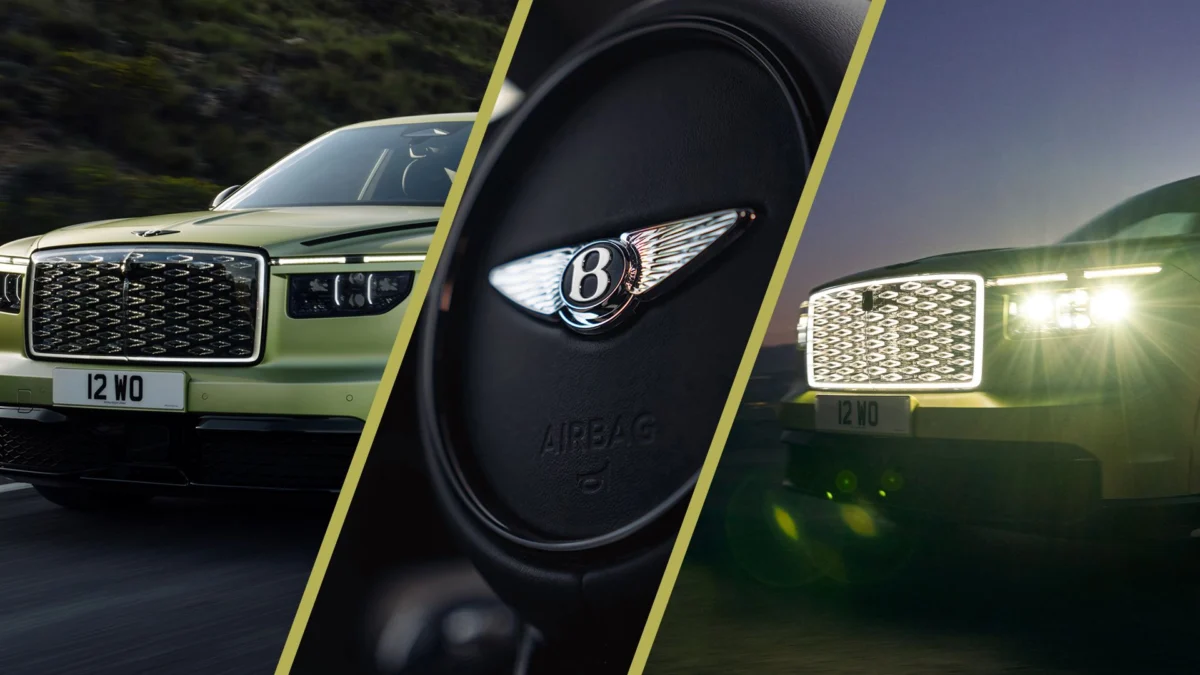
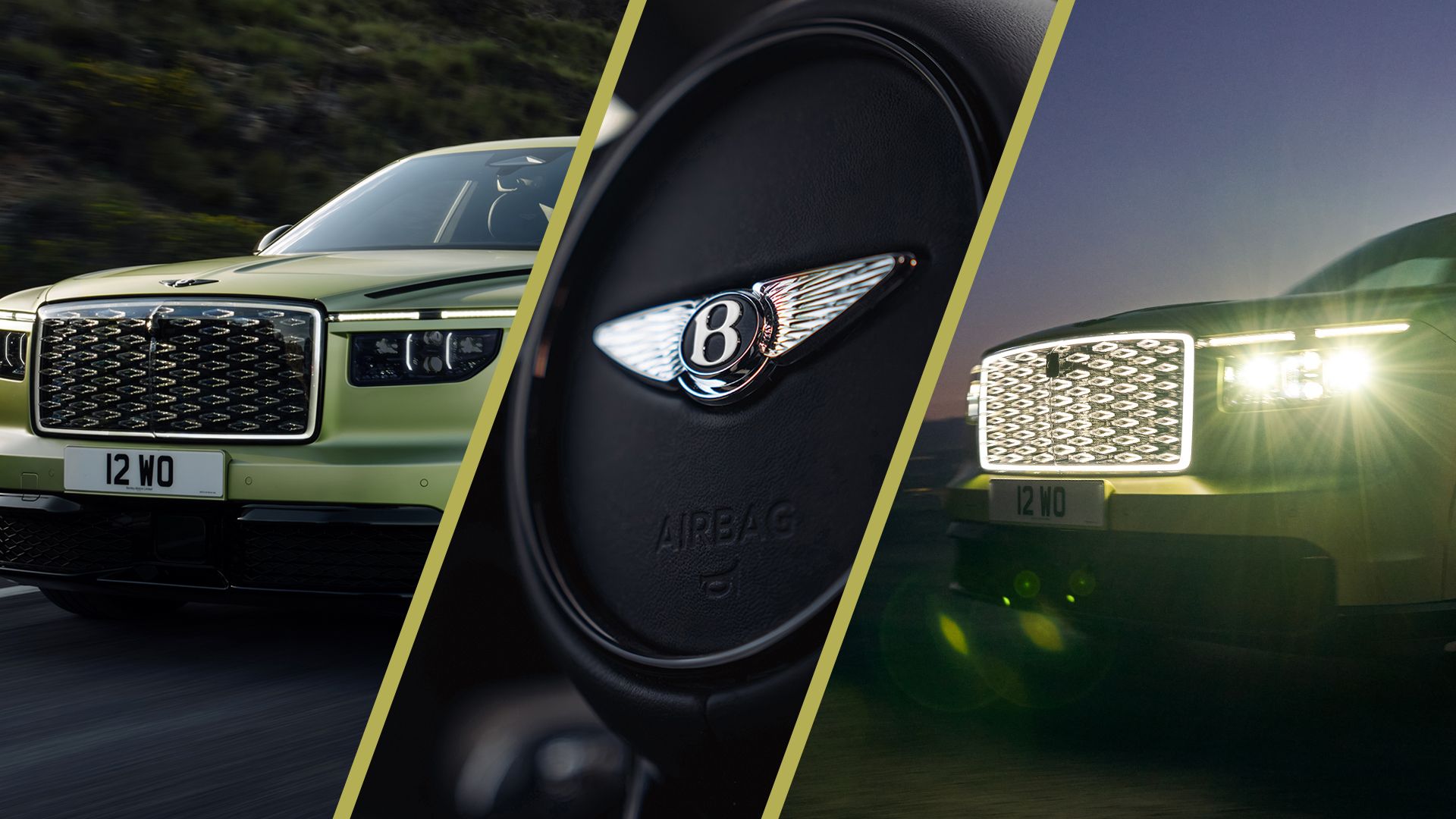
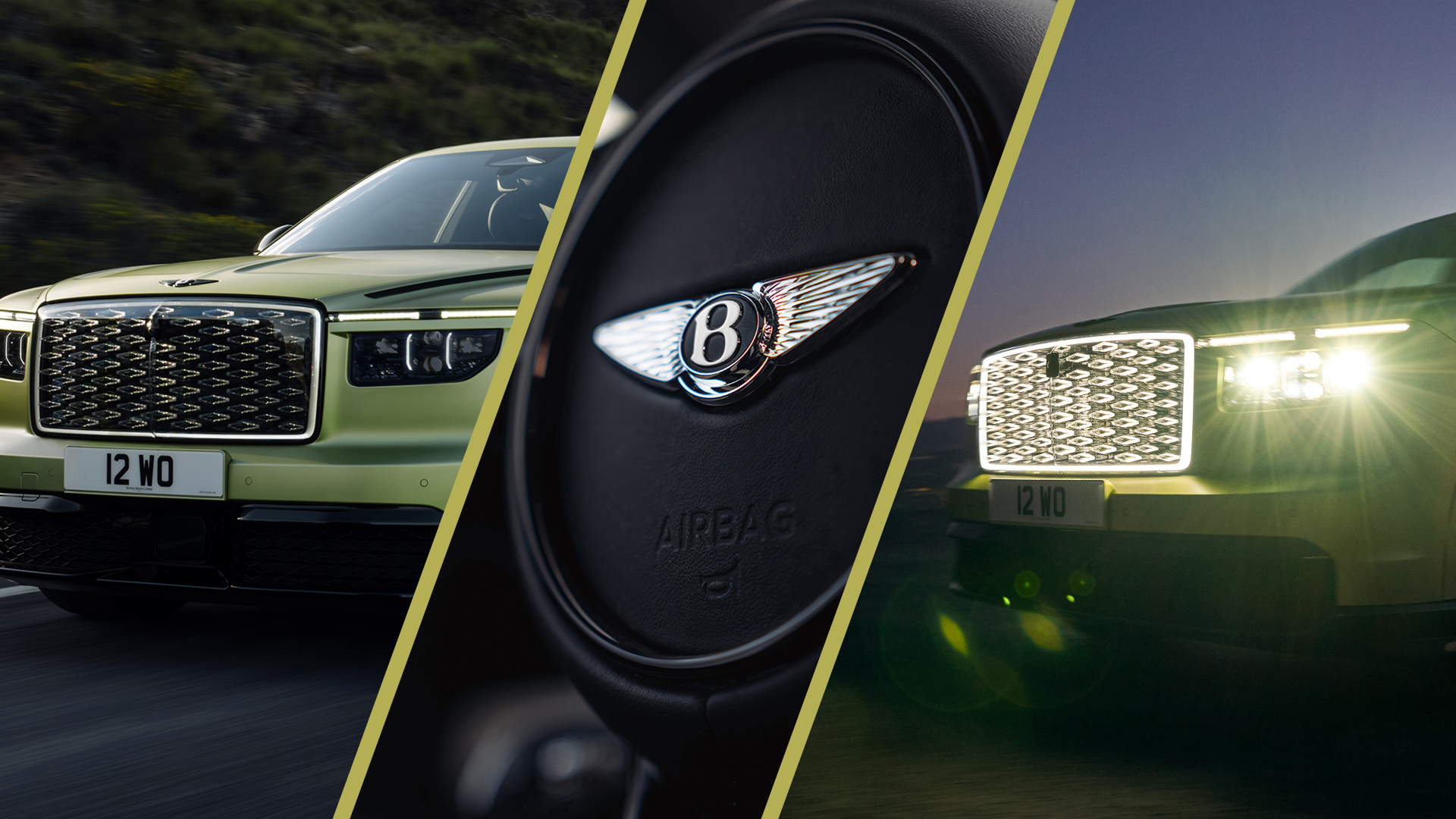
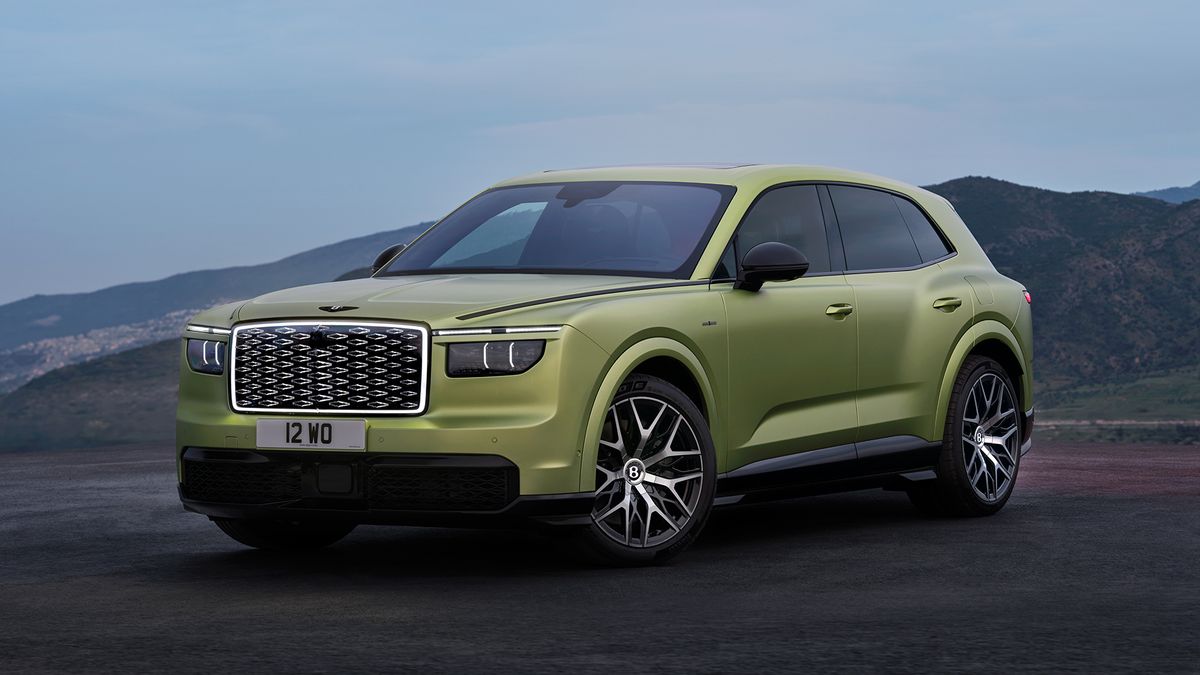
The Bentley Torcal seamlessly integrates familiar Bentley design cues with contemporary electric vehicle sensibilities, creating a harmonious and instantly recognizable aesthetic. The influence of the popular Bentayga SUV is palpable, evident in the long, sculpted bonnet, the commanding presence of the prominent grille, and the muscular rear haunches that exude power and stability. These signature elements, deeply ingrained in Bentley’s visual identity, are reinterpreted for the electric age, ensuring immediate brand recognition without resorting to retrofitting.
The Illuminated Grille: A Controversial Yet Captivating Feature
Perhaps the most debated element of the Torcal’s design is its grille. In a purely electric vehicle, the traditional function of a grille – to facilitate airflow for an internal combustion engine – becomes obsolete. However, Bentley has transformed this perceived design challenge into a distinctive feature. The illuminated diamond pattern of the grille serves a dual purpose: it provides a striking visual identity, particularly at night, and acts as a modern signature for the electric era. This touch of illuminated flair, a subtle nod to contemporary luxury trends, is likely to appeal to a younger, tech-savvy demographic while simultaneously preserving the instant recognizability that Bentley buyers have come to expect. It’s a bold design choice that acknowledges the obsolescence of the traditional grille’s function while embracing its iconic form and reimagining it as a statement piece.
A Sanctuary of Craftsmanship: The Interior Experience
Step inside the Bentley Torcal, and the commitment to a refined, tactile luxury experience becomes immediately apparent. In an automotive landscape increasingly dominated by stark, minimalist cabins dominated by screens, Bentley has opted for a decidedly different approach. The Torcal eschews the coldness of excessive digital interfaces in favor of a carefully curated environment that prioritizes physical metal controls, the warmth of wool upholstery, and the artistry of handcrafted materials. This emphasis on tangible quality and artisanal craftsmanship creates a sense of bespoke luxury that resonates deeply with Bentley’s established clientele.
The approach to sound within the Torcal is equally thoughtful and innovative. While the concept of fake engine noises might seem like a compromise in an EV, Bentley has elevated it to an art form. The "Bentley Dynamic Symphony" is a testament to this. Commissioned from musicians, this unique auditory feature recreates the iconic V8 engine sound not through synthesized tones, but through a meticulously crafted composition using drums, viola, and bass guitar. This approach transforms a potential detraction into an emotional enhancement, offering a familiar sonic signature that evokes the brand’s heritage while embracing the silent nature of electric propulsion.
The Name: A Nod to Precision and Power
The very name of Bentley’s electric offering, "Torcal," is a subtle yet significant nod to the brand’s historical reputation for precision mechanics and engineering prowess. The Torcal mountain range in Andalusia, Spain, lends its name to the vehicle. This region’s name itself is derived from the Latin verb "torquere," the same root word from which "torque" originates. This linguistic connection elegantly reinforces Bentley’s legacy of producing vehicles renowned for their potent power delivery and sophisticated engineering.
Official Statements and Design Philosophy
The design philosophy behind the Bentley Torcal has been clearly articulated by the brand’s leadership. Robin Page, Design Director at Bentley, emphasized the brand’s intention to remain true to its core identity while embracing the future. He stated, "Our goal was not to create a new design language, but to build ‘another great Bentley.’ We decided that our best route would be to embrace our heritage and DNA, but in a modern, progressive way." This quote, highlighted in discussions with design publications like Dezeen, underscores the brand’s strategic approach: evolution, not revolution.
The new Bentley logo, a subtle yet refined update to a classic design, further exemplifies this philosophy. The Torcal’s design language mirrors this subtle evolution, reinforcing the brand’s continuity while signaling its forward momentum.

Supporting Data and Market Context
The success of the Bentley Torcal’s design strategy can be further understood by examining the broader context of the luxury automotive market and the challenges faced by other premium brands transitioning to electric vehicles.
- Jaguar’s Rebrand: Jaguar’s ambitious rebrand, aimed at repositioning the company as a purveyor of ultra-luxury electric vehicles, has been met with mixed reactions. While the brand’s commitment to innovation is commendable, the radical departure from its established design language has alienated some long-time enthusiasts. The focus on a completely new interior aesthetic, with an emphasis on minimalist digital interfaces, has been a particular point of contention.
- Ferrari’s Conceptual Leap: Ferrari’s foray into conceptual electric design, exemplified by the Ferrari Luce, has also sparked debate. Ferrari’s brand equity is inextricably linked to the visceral experience of its naturally aspirated V12 engines and its storied racing heritage. Any attempt to translate this essence into an electric platform necessitates a profound conceptual re-evaluation, which can inevitably lead to designs that challenge traditional perceptions of the brand.
- The Emotional Connection of Luxury: Unlike performance-focused brands where engine sound and mechanical feedback are central to the driving experience, Bentley’s brand equity is built on pillars of luxury, comfort, craftsmanship, and effortless power. These are attributes that translate more seamlessly to an electric powertrain. The quiet refinement of an EV can, in fact, enhance the sense of serene luxury that Bentley is renowned for, rather than detract from it.
Implications for the Future of Luxury EVs
The Bentley Torcal’s success in navigating the complex landscape of electric vehicle design offers valuable insights for the entire automotive industry, particularly within the ultra-luxury segment.
- The Power of Heritage: The Torcal demonstrates that heritage is not an obstacle to electrification but a powerful asset. Brands with a strong and recognizable identity can leverage their history to create EVs that feel authentic and desirable, rather than alienating their existing customer base.
- Evolutionary Design as a Strategy: The success of Bentley’s evolutionary approach suggests that a measured and considered evolution of design language can be more effective than radical reinvention, especially for brands deeply rooted in tradition. This allows for the integration of new technologies without sacrificing brand recognition and emotional connection.
- Focus on Experience: Bentley’s emphasis on the tactile interior experience and the curated sound design highlights that luxury EVs are not just about performance metrics but about the holistic sensory experience. This focus on craftsmanship, material quality, and emotional engagement is crucial for appealing to the discerning luxury consumer.
- Bridging the Gap: The Torcal’s design effectively bridges the gap between the familiar comforts of traditional luxury and the innovative promise of electric mobility. It offers a compelling vision of what an electric future can look like for a brand synonymous with opulence and engineering excellence.
In conclusion, the Bentley Torcal stands as a testament to intelligent and sensitive design. By embracing its heritage, understanding its core brand values, and strategically integrating contemporary electric vehicle technology, Bentley has not only created a visually stunning and technologically advanced automobile but has also achieved a remarkable feat: delivering an ultra-luxury electric vehicle that is poised to win hearts and minds, rather than ignite controversy. It offers a blueprint for how established automotive titans can successfully navigate the electric revolution, proving that innovation and tradition can, indeed, coexist beautifully.