The Architecture of Spectacle: Inside Steven Spielberg’s Practical Magic for ‘Disclosure Day’
Main Facts: A Return to the Blockbuster Roots
Even as he enters his seventh decade in the film industry, Steven Spielberg remains the primary architect of the modern cinematic experience. His name is not merely a credit; it is a brand synonymous with "movie magic"—a specific blend of humanistic storytelling and awe-inspiring spectacle. With his latest venture, the high-concept sci-fi blockbuster Disclosure Day, Spielberg signals a definitive return to the large-scale "popcorn" cinema that he pioneered with Jaws and Jurassic Park.
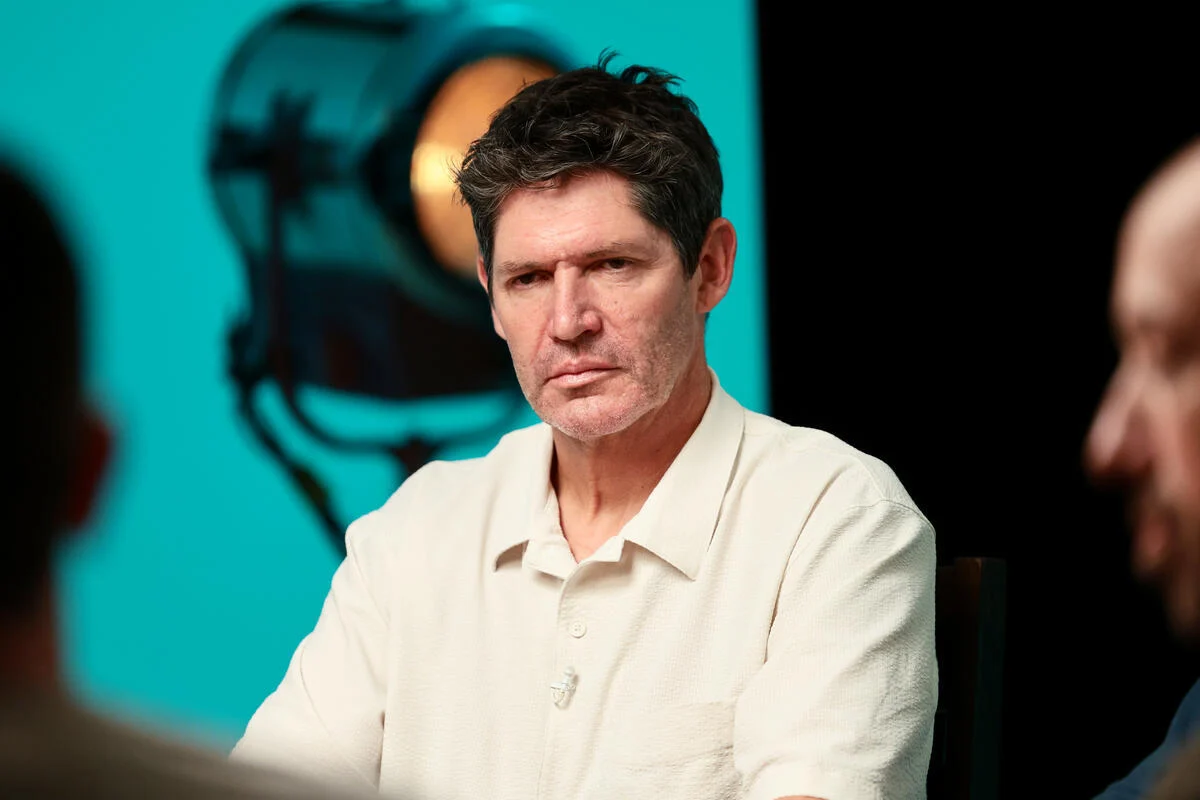
Recent revelations from the production, specifically highlighted during IndieWire’s Craft Roundtables, have shed light on the film’s centerpiece: a harrowing sequence involving a high-speed train collision. Featuring stars Emily Blunt and Josh O’Connor, the scene is being hailed as a masterclass in tension and technical execution. Visual Effects (VFX) Supervisor Matthew Butler, a veteran of the industry, recently detailed the intricate dance between practical stunts and digital enhancement that defines the Spielbergian approach in the 2020s.
The core of the news lies in the philosophy of "practical-first" filmmaking. In an era where digital environments often swallow performances, Spielberg insisted on a tangible, physical foundation for Disclosure Day. The train sequence was not a product of a vacuum-sealed CGI studio but a massive logistical undertaking involving real locomotives, physical car chassis, and miles of actual track. The goal was simple yet profoundly difficult to achieve: to ground the fantastical elements of a "disclosure" event—presumably involving extraterrestrial contact—in a reality that the audience can feel in their bones.
Chronology: The Road to ‘Disclosure Day’
The journey toward Disclosure Day began shortly after the release of Spielberg’s deeply personal semi-autobiographical film, The Fabelmans (2022). While that film explored the origins of his creative spark, industry insiders noted that the director was itching to return to the genre that defined his career: science fiction.
Early 2024: Development and Casting
Rumors began circulating in early 2024 about a "secret UFO project" at Amblin Entertainment. By mid-year, the project was titled Disclosure Day, with a script that reportedly dealt with the immediate aftermath of a global revelation regarding non-human intelligence. The casting of Emily Blunt, coming off her Academy Award-nominated turn in Oppenheimer, and Josh O’Connor, a rising star known for The Crown and Challengers, signaled a focus on high-caliber acting to anchor the high-concept plot.
Late 2024: Principal Photography
Production moved to various locations, emphasizing the use of "on-location" sets over soundstages. The train collision sequence was scheduled for the midpoint of the shoot. Unlike many contemporary directors who might opt for a fully digital train, Spielberg’s production team spent months sourcing a functional locomotive and a stretch of track that could be safely but spectacularly utilized for the crash.
November 2024: The Craft Reveal
In late 2024, as the film entered the final stages of post-production, Matthew Butler joined the IndieWire Craft Roundtables. His testimony provided the first technical deep dive into the film’s construction, revealing that the production had successfully merged the "old school" grit of practical effects with the "new school" precision of modern VFX.
Supporting Data: Deconstructing the Train Sequence
To understand the scale of Disclosure Day, one must look at the technical data behind its most complex moments. The train collision serves as a microcosm for the film’s overall production value. According to Matthew Butler, the sequence was a multi-departmental effort that blurred the lines between production design, stunt coordination, and digital artistry.

The Practical Foundation
The production utilized a real train and a car specifically modified to be "dragged" along the tracks to ensure the physics of the impact were authentic. In traditional CGI-heavy films, the "weight" of objects is often the hardest thing to simulate; by using a real train, Spielberg ensured that the vibrations, the spray of gravel, and the crushing of metal were genuine.
The Hybrid Approach
While the train and the car were real, the safety of the A-list stars remained paramount. This is where the "hybrid" methodology came into play:
- Live-Action Blue Screen: The actors (Blunt and O’Connor) were filmed in a controlled environment that mimicked the interior of the car.
- Physical Displacement: The car rig they sat in was subjected to the same centrifugal forces and impacts as the practical car used in the outdoor shoot.
- Digital Integration: Matthew Butler’s team then "stitched" the high-resolution footage of the real train crash into the windows and surroundings of the actors’ shots.
This method ensures that the actors’ reactions are not based on imagination but on the physical jolts of a moving rig, while the background remains a documented, real-world event rather than a rendered animation.
Official Responses: Insights from the Craft Table
During the IndieWire Craft Roundtables, Matthew Butler offered a rare glimpse into Spielberg’s directorial mindset. His comments serve as the official narrative for how Disclosure Day was conceived and executed.
"With Steven, he wants everything to be as practical as it can be," Butler explained. "We had a real train. A real train, a real car attached to that train, it was being dragged on a real track. That actually did happen."
Butler was quick to dismiss the common industry trope that modern movies are a "binary choice" between practical and digital. He argued that the best visual effects are the ones that the audience never identifies as "effects."
"When you combine some of the live-action blue screen work—clearly that’s your lead actor and actress there—and your stunt work where it’s like, ‘Oh my God, that looks really real’… that’s where visual effects came in," Butler said. He emphasized that he does not view the train crash as a "VFX sequence" but rather as a "cinematic sequence" that utilized every tool in the modern filmmaker’s arsenal. "It was a sequence that contained all of those, and it came together in the right way."
These statements underscore a shift in the industry’s rhetoric. After years of "CGI fatigue" among audiences, top-tier directors like Spielberg, Christopher Nolan, and Tom Cruise are championing a return to tactile filmmaking, using VFX as a supporting pillar rather than the entire foundation.

Implications: The Future of the Spielbergian Blockbuster
The implications of Disclosure Day extend far beyond a single train crash. This film represents a pivotal moment for both Steven Spielberg and the broader theatrical landscape.
A Rejuvenation of Sci-Fi
By returning to the theme of "Disclosure," Spielberg is tapping into a contemporary cultural obsession with UAPs (Unidentified Anomalous Phenomena) and government transparency. If Close Encounters of the Third Kind was about the wonder of discovery, and War of the Worlds was about the terror of invasion, Disclosure Day appears to be about the visceral, chaotic reality of a world whose fundamental truths have been upended.
The "Anti-CGI" Movement
The success of the train sequence’s methodology could further influence how studios greenlight big-budget projects. As audiences become increasingly adept at spotting "uncanny valley" digital effects, the demand for practical stakes has risen. Spielberg’s insistence on using a real train—despite the logistical nightmare and cost—sets a standard for "prestige blockbusters" that prioritize immersion over ease of production.
The Theatrical Experience
In an age of streaming dominance, Disclosure Day is designed to be an argument for the cinema. The sheer scale of a practical train collision is intended to be felt on a large screen with a high-end sound system. Spielberg is betting that the "magic" Butler describes—the seamless blend of human emotion and physical spectacle—is still the most potent draw for global audiences.
Career Legacy
For Spielberg, Disclosure Day is a testament to his adaptability. At an age when many of his contemporaries have retired or scaled back, he is still operating at the cutting edge of technology. By mentoring VFX supervisors like Matthew Butler and pushing them to integrate digital tools into a practical framework, Spielberg ensures that his brand of storytelling remains the gold standard for the next generation of filmmakers.
As IndieWire continues to roll out coverage from its Craft Roundtables, the industry will undoubtedly look to Disclosure Day as a blueprint for the future. It is a film that respects the history of the medium—the clinking of real metal on real tracks—while embracing the limitless possibilities of the digital future. When the film finally hits theaters, the world will see if that "magic" can once again capture the collective imagination of a global audience.