
The Art of Observation: Exploring the Narrative Depth of ‘Nippets: A Hidden Object Game’
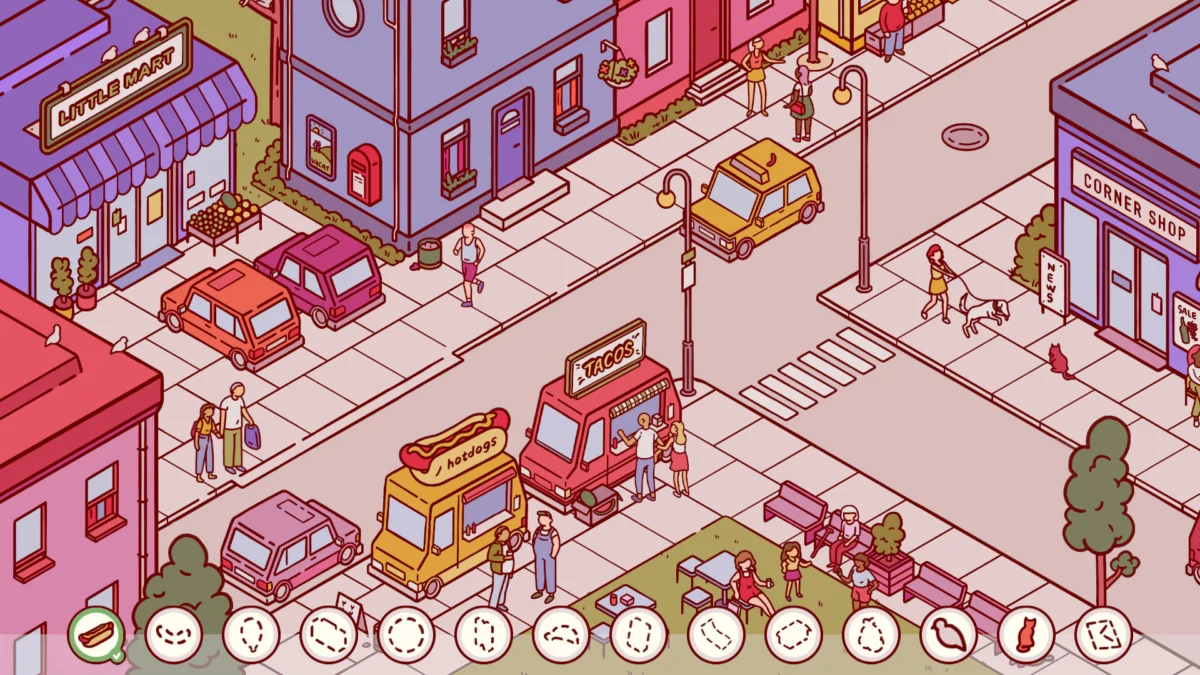
In an era dominated by high-octane battle royales and demanding soulslikes, a quiet revolution is taking place within the indie gaming sector. The "cozy game" movement—characterized by low-stress environments, charming aesthetics, and non-violent progression—has found a new champion in Nippets: A Hidden Object Game. Developed through a collaboration between Blink Industries and Vatnisse Interactive, Nippets redefines the traditional "find the object" loop by infusing it with a poignant, voyeuristic narrative centered on the simple act of people-watching.
Main Facts: A New Perspective on Hidden Objects
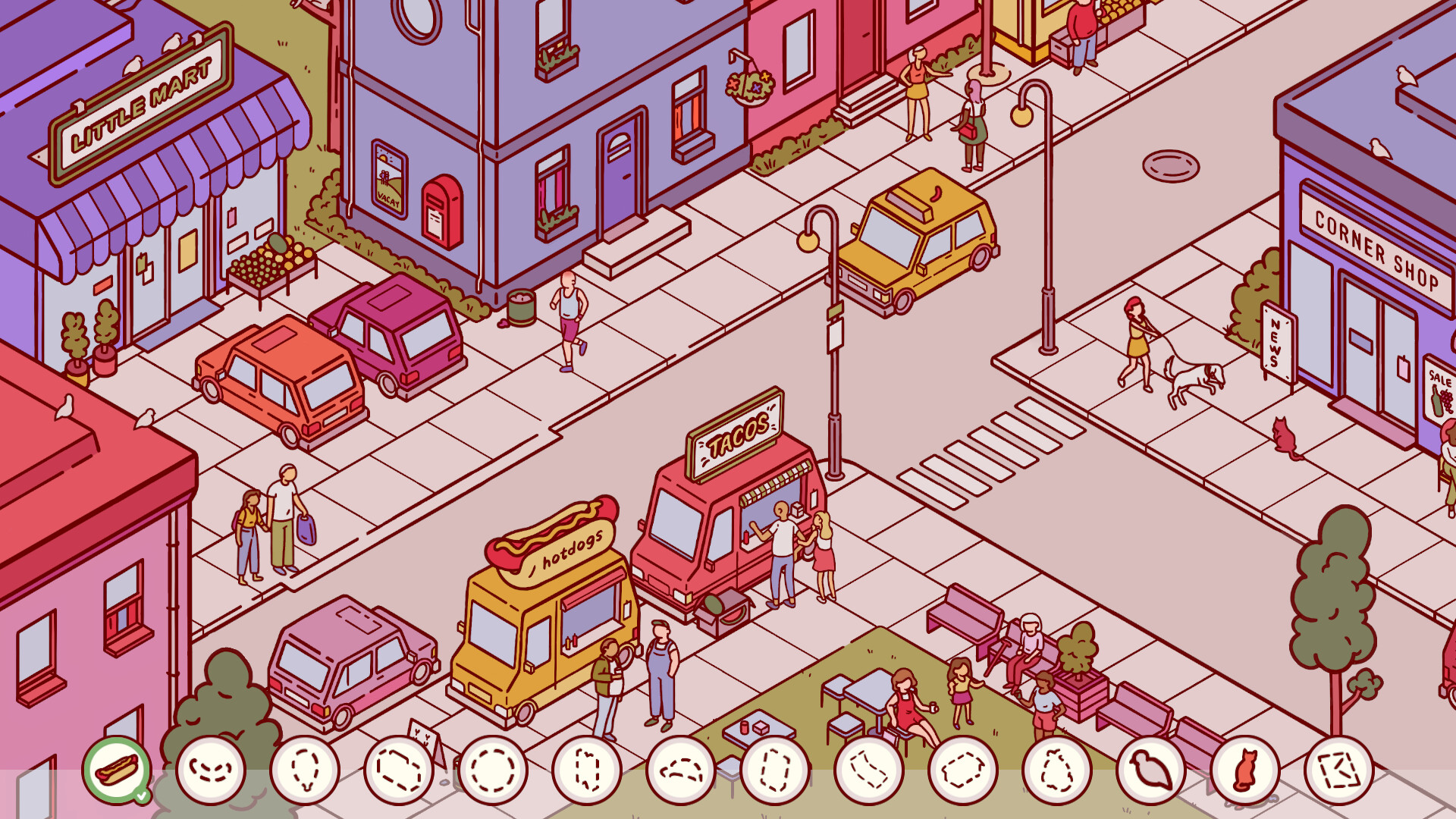
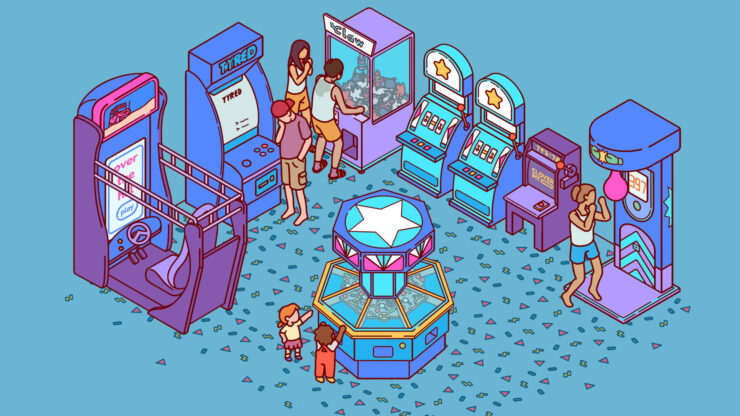
Nippets is not merely a digital version of Where’s Waldo?; it is a curated collection of living dioramas. At its core, the game challenges players to navigate various seasonal landscapes—from the crisp oranges of autumn campsites to the neon-lit interiors of retro arcades—to locate specific items. However, the innovation lies in the "why." Unlike its predecessors, which often task players with finding random junk in a cluttered attic, Nippets ties every object to a "micro-story."
The game is built on a foundation of empathy. Players are encouraged to observe the NPCs (non-player characters) as they go about their daily lives. By finding and returning objects to these characters, the player isn’t just checking off a list; they are solving miniature life crises, facilitating small joys, and witnessing the unfolding of tiny, interconnected human dramas. Available on both Steam and itch.io, the title has quickly garnered attention for its polished execution and its commitment to a timer-free, stress-free user experience.
Chronology: From Static Pages to Interactive Seasons
The evolution of the hidden object genre has been long and varied. Historically, the genre found its footing in print media before transitioning to the "Point-and-Click" adventures of the 1990s. In the early 2000s, the genre became synonymous with "casual gaming" on platforms like Big Fish Games, often leaning heavily into supernatural or mystery tropes.
The development chronology of Nippets follows a more modern trajectory, influenced by the success of titles like Hidden Folks (2017), which introduced interactive, hand-drawn environments.
- Concept Phase: The developers sought to capture the specific feeling of sitting on a park bench and wondering about the lives of strangers.
- Seasonal Iteration: The game was structured around the four seasons, allowing the developers to showcase how environments and human behaviors shift with the weather.
- The Interactive Shift: Moving beyond simple clicking, the team implemented "layered" environments. This meant adding doors that could be opened, locks that required keys, and windows that revealed entirely new rooms.
- April 7th Release: The game saw its official launch on Steam, marking its transition from an indie experiment to a commercial product aimed at the "Wholesome Games" community.
Supporting Data: The Mechanics of Micro-Storytelling
To understand the success of Nippets, one must look at the data of its design. The game employs several mechanical layers that differentiate it from standard entries in the genre:
The Multi-Part Objective System
In many hidden object games, an item is either found or not. In Nippets, the gameplay often requires assembly. For instance, a player might see an outline for a birdhouse. Finding one wooden plank isn’t enough; the player must scour the scene for all the components. This creates a "scavenger hunt" feel that feels more organic to the world.
- Example 1: Building a snowman in the winter scene requires finding the coal for eyes, a carrot for the nose, and the scarf, each accompanied by a snippet of text explaining the child’s excitement.
- Example 2: Constructing a sandcastle in the summer involves finding individual flags and buckets, reinforcing the "seasonal" theme.
Interactive Depth and Hidden Scenes
The game features an impressive density of interactive elements. Data from the game’s level design reveals that the "main" screen is often just the surface.
- Conversation Bubbles: These act as gateways. Tapping on a door with a speech bubble might transport the player from a wide-angle outdoor view of a city street into the cramped, detailed interior of a laundromat or an arcade.
- Environmental Interaction: Beyond the objective list, players can interact with non-essential elements. Adjusting crooked picture frames or tapping on birds contributes to a list of achievements, rewarding players for their curiosity rather than just their speed.
The Achievement "Fridge"
The game’s meta-progression is equally thematic. Completed worlds are transformed into photographs that the player can place on a "giant digital fridge." Achievements are represented as magnets. This design choice transforms the abstract concept of "game completion" into a domestic, nostalgic activity, further grounding the game in its "cozy" identity.
Official Responses: The Philosophy of "Kind Voyeurism"
While the developers at Blink Industries and Vatnisse Interactive have kept a relatively low profile, their design choices speak volumes about their intent. In the "cozy" development space, there is a recurring theme of "low-stakes engagement."
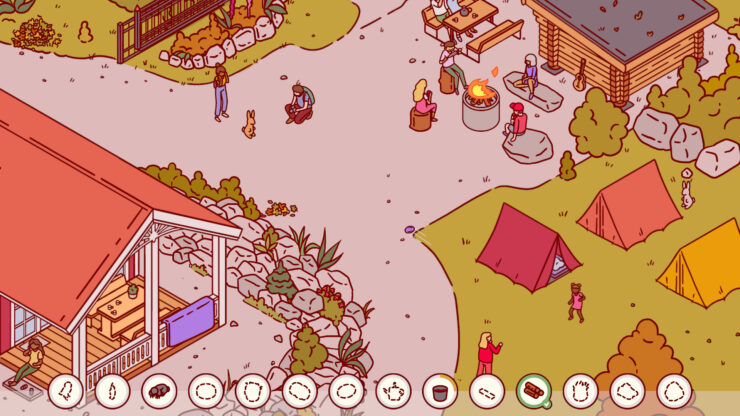
The removal of the timer is a deliberate response to the "gamification of stress" found in mobile-centric hidden object games. By removing the ticking clock, the developers invite the player to linger. The "story clues" provided when tapping an object outline serve as a gentle nudge rather than a rigid instruction.
"I’ve always been a bit of a people watcher," notes indie critic Jupiter Hadley, whose coverage of the game highlights its ability to capture the nuance of human interaction. The developer’s focus on "helping the world" through small actions—like helping an NPC find their lost keys—suggests an official stance that games can be a medium for practicing empathy and observation.
Implications: The Future of the Observation Genre
The release and positive reception of Nippets have several implications for the broader gaming industry:
1. The Rise of "Ambient" Gaming
Nippets suggests a growing market for "ambient" games—titles that can be played while listening to a podcast or as a way to wind down before bed. As the average age of gamers increases, the demand for experiences that do not require "twitch" reflexes or high-stress management is rising.
2. Narrative Through Discovery
The game proves that narrative doesn’t require cutscenes or heavy dialogue. By using "snippets" of text and environmental storytelling, Nippets allows players to piece together the lore of its world at their own pace. This "archaeological" approach to storytelling is becoming a staple of high-quality indie design.
3. The Democratization of Game Art
The polished, illustrative style of Nippets highlights a shift away from 3D realism toward unique, artist-driven aesthetics. In the indie space, the "look" of a game is its primary marketing tool. Nippets uses its art not just for beauty, but as a functional part of the puzzle-solving process, where a change in color palette (from autumn gold to winter white) fundamentally alters the gameplay experience.
4. Digital Wellness
By focusing on "people watching" and "solving problems," Nippets aligns with the "Digital Wellness" movement. It encourages a state of "flow" and mindfulness. Unlike social media, which can make people-watching feel judgmental or comparative, Nippets makes it a benevolent act. You are the invisible helper, the guardian of the small moments.
Conclusion
Nippets: A Hidden Object Game is a testament to the power of simplicity. By taking a decades-old genre and stripping away the stress, while adding layers of narrative and interactive depth, Blink Industries and Vatnisse Interactive have created something that feels both nostalgic and fresh. It is a game that rewards the patient, the curious, and the observant.
As the title is now available on Steam and itch.io, it stands as a perfect entry point for those new to gaming, as well as a refreshing palate cleanser for veteran players. In the world of Nippets, the most important thing isn’t how fast you find the object, but how much you enjoy the story it tells once it’s found. In a world that often moves too fast, Nippets asks us to slow down, take a seat on its digital park bench, and just watch the seasons change.

Leave a Comment