
The Evolution of the Wrist-Bound Coach: How Apple Watch is Redefining the Modern Running Experience
Introduction
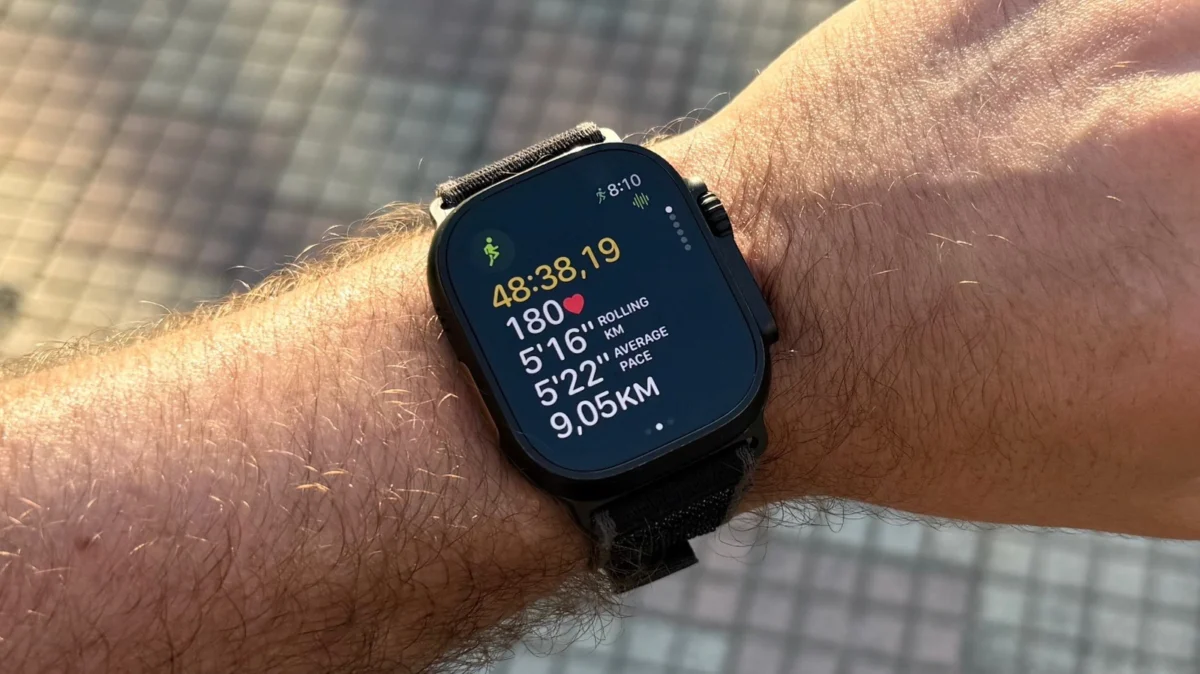
In the decade since its debut, the Apple Watch has undergone a profound transformation. What began as a luxury fashion accessory and a secondary screen for iPhone notifications has evolved into one of the most sophisticated health and fitness tools available to the public. For the global community of runners—ranging from casual weekend joggers to elite marathoners—the device has become more than a piece of technology; it is a digital coach, a physiological laboratory, and a silent pacer.

With the release of the Apple Watch Ultra 2 and the advancements in watchOS, Apple has bridged the gap between consumer wearables and professional-grade sports watches. By integrating high-precision GPS, advanced heart rate analytics, and recovery metrics, the Apple Watch now challenges the long-standing dominance of specialized brands like Garmin and Coros. This article explores the five core features that have become essential daily tools for runners and analyzes the broader implications of these technological advancements on the fitness industry.
1. Main Facts: The Five Pillars of the Apple Watch Running Suite
The modern running experience on Apple Watch is defined by five key functionalities that provide real-time feedback and long-term data analysis.
- The Pacer Workout: This feature allows runners to set a specific distance and time goal. The watch then calculates the required pace and provides a real-time interface showing whether the runner is "ahead" or "behind" their target.
- Race Route: Designed for those who frequent the same paths, this feature gamifies the training experience by allowing runners to compete against their previous personal bests or their most recent efforts on a specific route.
- Track Detection: Utilizing a combination of GPS and Apple’s Maps database, the watch can automatically detect when a runner is on a standard 400-meter track, offering lane-specific accuracy that was previously difficult for GPS devices to maintain.
- Heart Rate Zones: Moving beyond simple pulse tracking, this feature categorizes effort into five distinct zones based on the user’s physiological data, enabling "Zone 2" training—a method favored by professional athletes to build aerobic endurance.
- Vitals and Sleep Metrics: Recognizing that performance is dictated by recovery, the Apple Watch now tracks "Vitals"—including resting heart rate, respiratory rate, and sleep stages—to provide a "Training Load" and readiness assessment.
2. Chronology: From Step Counter to Biometric Powerhouse
The journey to becoming a runner’s essential tool was not instantaneous. It required a decade of iterative hardware and software development.
- 2015–2017: The Formative Years. The original Apple Watch and Series 2 introduced basic GPS and water resistance. At this stage, the device was largely seen as a "lifestyle" tracker, often criticized by serious runners for its lack of physical buttons and relatively short battery life.
- 2018–2021: The Health Pivot. With the Series 4 and subsequent models, Apple introduced the ECG app and improved heart rate sensors. The focus shifted toward cardiovascular health. During this era, third-party apps like Gentler Streak and Strava began to demonstrate the untapped potential of the watch’s sensors.
- 2022: The Ultra Revolution. The launch of the Apple Watch Ultra marked a turning point. With a rugged titanium frame, a dedicated physical "Action Button," and dual-frequency GPS (L1 and L5), Apple finally offered a device that could survive the rigors of trail running and ultra-marathons.
- 2023–2024: The Intelligence Era. The introduction of watchOS 10 and 11 brought sophisticated software updates, including the "Vitals" app and "Training Load" metrics. These updates used historical data and AI models to tell runners not just how they ran, but if they should run at all, based on their body’s recovery state.
3. Supporting Data: The Science of the Run
The efficacy of the Apple Watch as a training tool is supported by the sheer volume and precision of the data it collects.
Precision GPS and Track Running
Traditional GPS watches often struggle with the "drift" caused by running in tight circles on a 400m track. Apple’s Track Detection uses a localized database of global running tracks. Once a runner steps onto a supported track in regions like the U.S., U.K., Canada, or Spain, the watch prompts the user to select a lane. This allows the device to adjust its calculations for the slight distance variations between Lane 1 and Lane 8, providing near-perfect distance metrics.
The Physiological Impact of Zone 2 Training
Data from the Apple Watch’s Heart Rate Zones has popularized "polarized training." By monitoring Zone 2 (60-70% of maximum heart rate), runners can ensure they are staying in the aerobic window. According to sports science data, training in this zone increases mitochondrial density and improves fat oxidation. The Apple Watch’s ability to provide haptic alerts when a runner drifts into Zone 3 prevents the common mistake of "training too hard on easy days," which often leads to burnout.
Recovery Metrics (The Vitals App)
The Apple Watch tracks five key metrics during sleep: Heart Rate, Respiratory Rate, Wrist Temperature, Blood Oxygen, and Sleep Duration. By establishing a 14-day baseline, the "Vitals" app can detect "outliers." For a runner, an elevated resting heart rate or respiratory rate is often a leading indicator of overtraining or impending illness, allowing them to adjust their schedule before an injury occurs.
4. Official Responses and Expert Perspectives
While Apple remains notoriously guarded about its future roadmap, its public presentations at the Worldwide Developers Conference (WWDC) emphasize a philosophy of "proactive health."
In various technical briefs, Apple’s health engineers have noted that the goal of the Workout app is to remove the "cognitive load" of training. By automating track detection and pacer calculations, the technology allows the athlete to focus entirely on their form and breathing.
Fitness experts and developers of third-party apps have also weighed in on the Apple ecosystem’s strength. The developers of Gentler Streak, an award-winning fitness tracker, argue that Apple’s HealthKit API provides a more holistic view of an athlete than any other platform. "The Apple Watch doesn’t just look at your run; it looks at your sleep, your standing hours, and even your environmental noise exposure," says one industry analyst. "This creates a ‘digital twin’ of the athlete that is incredibly accurate."
However, some "purist" coaches still argue that the reliance on a touch-screen interface can be a hindrance in extreme weather conditions (wet or cold), though they admit the Apple Watch Ultra’s physical Action Button has largely mitigated this concern for the "prosumer" market.
5. Implications: The Future of Wearable Coaching
The enrichment of the Apple Watch’s running features has significant implications for the future of sports and personal health.
The Democratization of Elite Coaching
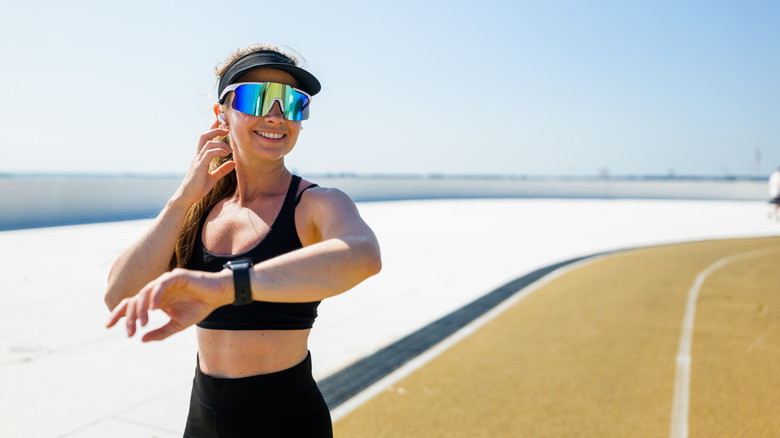
Historically, access to real-time pacing, heart rate zone analysis, and recovery tracking was reserved for professional athletes with access to sports labs. Today, a hobbyist runner can access these same metrics for the cost of a consumer electronic device. This democratization is likely to lead to a more informed and injury-resistant running population.
The Rise of AI-Driven Insights
As mentioned in the original report, runners are increasingly using AI models to analyze their Apple Watch data. By exporting workout logs to Large Language Models (LLMs), runners can receive personalized training plans and deep-dives into their performance trends. We are moving toward an era where the watch doesn’t just record data—it interprets it.
Market Disruption
The continuous improvement of Apple’s native Workout app poses a significant threat to mid-tier fitness wearables. If the Apple Watch can provide professional-grade track detection and recovery scores, the incentive for a casual-to-serious runner to buy a secondary dedicated sports watch diminishes.
Wearable Integration
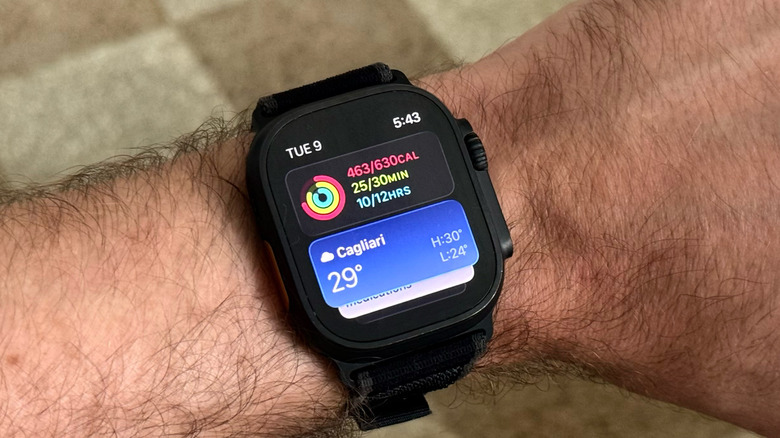
The future of the running ecosystem extends beyond the wrist. With rumors of AirPods Pro 3 integrating heart rate sensors and the potential for "Smart Rings" to augment sleep data, the Apple Watch is becoming the "hub" of a body-wide sensor network. For runners, this means more accurate data with less intrusive hardware.
Conclusion
The Apple Watch has moved past its "gadget" phase to become a legitimate tool for athletic development. Features like the Pacer, Race Route, and Heart Rate Zones are not merely software additions; they are the digital manifestation of decades of sports science. As Apple continues to refine its sensors and leverage AI for recovery insights, the line between a "smartwatch" and a "sports watch" will continue to blur, ultimately benefiting the millions of runners who rely on the "ping" of their wrist to start their day.




Leave a Comment