The Resurrection of ‘The Devils’: Ken Russell’s Unexpurgated Vision Reclaims the Screen
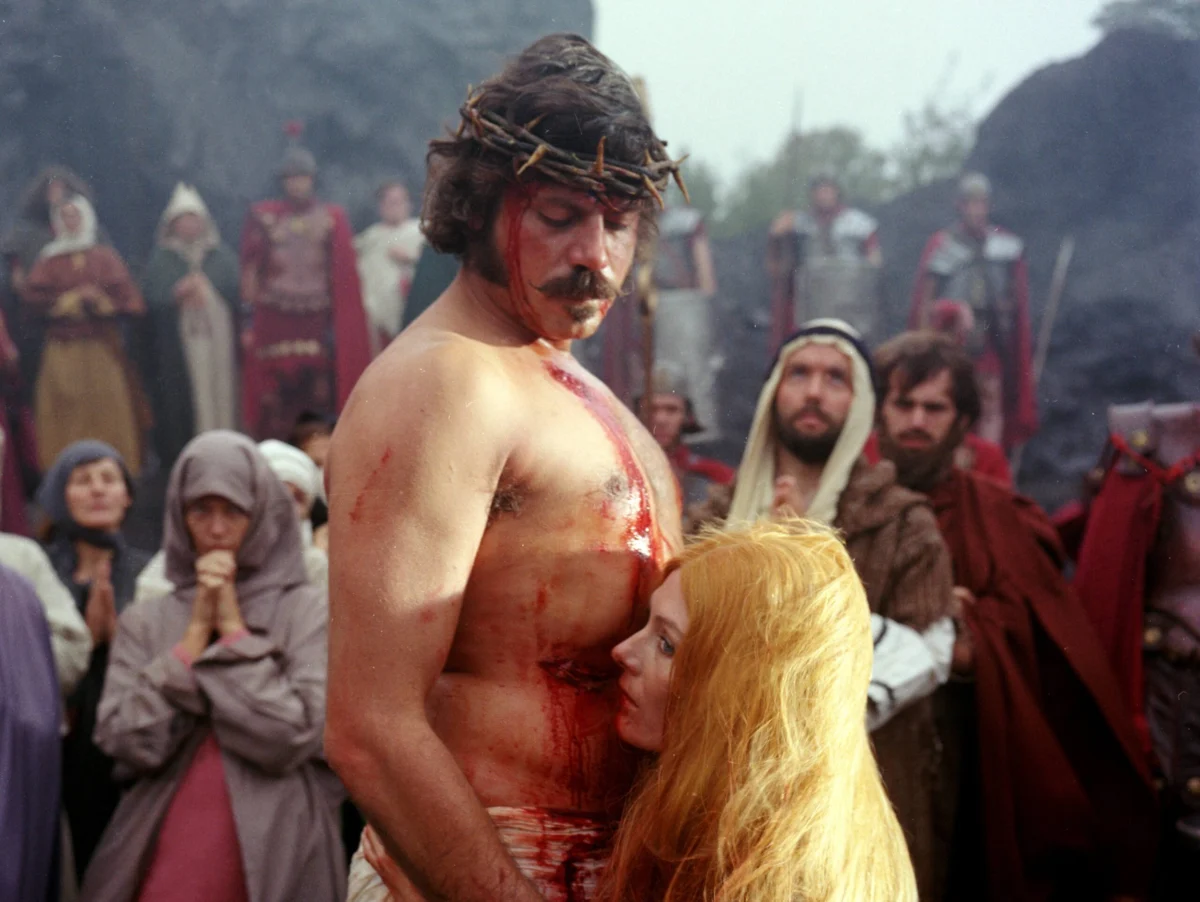
The 2026 Cannes Film Festival bore witness to what many critics and historians are calling the most significant cinematic restoration of the 21st century. Decades after it was butchered by censors and effectively buried by its own studio, Ken Russell’s historical masterpiece, The Devils, returned to the Palais des Festivals in its definitive, unexpurgated form. The premiere of the 4K director’s cut was not merely a screening; it was a high-stakes cultural event that saw film fanatics and industry titans alike jostling for the festival’s most elusive ticket.
For over half a century, The Devils has existed as a phantom of film history—a work of genius whispered about in cinephile circles but rarely seen in its intended state. The historical psychological horror-drama became infamous upon its 1971 release for its unflinching depiction of religious hysteria, sexual repression, and political corruption. Now, thanks to a meticulous restoration effort and a shift in corporate strategy at Warner Bros., Russell’s prophetic vision has been salvaged from the archives, offering a visceral reminder of the power of transgressive art.
The Core Narrative: A Fusion of History, Politics, and Hysteria
At its heart, The Devils is a dramatization of the 1634 Loudun possessions. Based on Aldous Huxley’s 1951 non-fiction book The Devils of Loudun and John Whiting’s 1960 play, the film follows the tragic rise and fall of Urbain Grandier, a charismatic, hedonistic, and defiantly intellectual Roman Catholic priest. Grandier’s refusal to bow to the burgeoning central power of Cardinal Richelieu makes him a political target. When a convent of Ursuline nuns—led by the physically deformed and sexually repressed Sister Jeanne of the Angels—succumbs to a collective hysterical delusion of demonic possession, Grandier’s enemies seize the opportunity to accuse him of sorcery.
While the film’s surface is layered with the fantastical imagery of exorcisms and satanic pacts, Ken Russell, a convert to Catholicism himself, was never interested in the supernatural as a literal force. Instead, he utilized the story as a "fever dream" to examine the weaponization of faith. Russell famously described The Devils as his "most, indeed only, political film." He sought to expose how the state can manipulate religious fervor to crush dissent, a theme that resonates with haunting precision in the modern geopolitical climate.
A Chronology of Censorship and the Long Road to Restoration
The journey from the film’s 1971 inception to its 2026 4K restoration is a saga of artistic defiance against institutional fear.

1971: The Scandal and the Scissors
From the moment the script was finalized, The Devils was a lightning rod for controversy. United Artists famously dropped the project after reviewing the provocative material, leaving Warner Bros. to pick up the mantle. Upon its release, the film was met with immediate outrage from religious groups and censorship boards.
In the United Kingdom, the British Board of Film Censors (now the BBFC) demanded extensive cuts, particularly to the now-legendary "Rape of the Cross" sequence. In the United States, the film was slapped with an X rating, later edited down to an R, which stripped away the rhythmic intensity Russell had meticulously crafted. For decades, the versions available to the public were fragmented shadows of the original work.
2002–2004: The First Breakthrough
The movement to restore the film gained momentum in 2002 during the production of Paul Joyce’s documentary, Hell on Earth: The Desecration and Resurrection of ‘The Devils’. Renowned film critic Mark Kermode, a lifelong champion of the film, joined forces with Russell to track down the "lost" footage.
In a series of fortuitous coincidences, the deleted sequences—including the pivotal nun-led orgy in the cathedral—were discovered in the Warner Bros. vaults. In 2004, Russell and his longtime editor, Michael Bradsell, re-integrated this footage into a new Director’s Cut. However, due to studio resistance, this version was only allowed to exist on a low-quality Digibeta tape and was screened only once at the National Film Theater in London.
2025–2026: The Clockwork Era
The definitive turning point occurred in 2025 with the launch of "Clockwork," a new independent distribution and production arm of Warner Bros. Discovery. Named in honor of Stanley Kubrick’s A Clockwork Orange (another 1971 Warner Bros. film that faced immense censorship), the label was designed to champion "boundary-pushing, bold, director-driven films."

Under the leadership of President Christian Parkes and Marketing Head Spencer Collantes, the 4K restoration of The Devils was made a flagship priority. For the first time in history, the original camera negative was accessed to create a pristine digital master, finally fulfilling Ken Russell’s dying wish.
Supporting Data: The Artistry Behind the Infamy
To understand why the restoration of The Devils is so vital, one must look at the sheer scale of the production’s artistic pedigree.
- Production Design: The film features avant-garde, clinical white sets designed by Derek Jarman (who would later become a legendary director in his own right). Jarman’s sets avoided the "mud and thatch" tropes of historical dramas, instead creating a claustrophobic, tiled environment that felt both ancient and terrifyingly modern.
- The Score: The jarring, modernist score by Sir Peter Maxwell Davies provided a sonic landscape of hysteria, perfectly mirroring the psychological collapse of the nuns.
- The "Rape of the Cross": The restoration’s centerpiece is the re-insertion of the three-minute sequence in which the nuns, driven to a frenzy by the inquisitor’s suggestions, ravage a giant crucifix. This scene was not intended as blasphemy for its own sake, but as a visceral illustration of how repressed sexuality, when manipulated by the state, curdles into destructive madness.
Official Responses and the "Fan Club" of A-List Directors
The premiere at Cannes was introduced by Mark Kermode and Elize Tribble Russell, the director’s widow. Their remarks highlighted the emotional weight of the restoration.
"He thought it was a film about brainwashing," Kermode told the audience. "He saw the unholy marriage of church and state as a subject even more important now than it was in 1971. Ken was prophetic."
Elize Russell reminded the audience of her late husband’s background as a ballet dancer, noting that his primary concern was the "rhythm" of the edit. She recalled that after seeing the 2004 reconstruction, Ken simply said, "Now I have my rhythm back."

The restoration also received overwhelming support from a generation of filmmakers who have long cited Russell as a primary influence. Cannes Director Thierry Frémaux revealed that he had received personal messages from Guillermo del Toro, Alfonso Cuarón, and Park Chan-wook—all of whom expressed that The Devils was a foundational text for their own careers. Peter Jackson, who was present at the premiere, has previously lauded the film for its uncompromising visual language.
Implications: A New Chapter for Film Preservation
The theatrical release of The Devils (scheduled for October 16 in the U.S. and October 30 in the U.K.) marks a significant shift in how legacy studios treat "difficult" or "controversial" catalog titles.
The "Clockwork" Precedent
By using The Devils as a marketing spearhead for its new Clockwork label, Warner Bros. is signaling a departure from the conservative "vaulting" of controversial material. This suggests that other suppressed works of cinema may finally see the light of day in the high-definition era, provided there is a clear editorial and historical context.
Political and Social Relevance
The restoration arrives at a time of global debate regarding the separation of religion and governance. The Devils serves as a stark warning about the dangers of ideological purity tests and the way those in power use moral panics to consolidate control. By restoring the film’s most "offensive" scenes, the restoration team has actually restored its most potent political arguments.
Technical Excellence
The 4K restoration from the original camera negative ensures that Russell’s hallucinatory imagery is preserved for future generations. The sharpness of the image and the clarity of the sound design allow modern audiences to experience the film not as a dated artifact of the 1970s, but as a living, breathing, and deeply unsettling piece of contemporary art.

In the end, the resurrection of The Devils is a victory for artistic integrity over corporate timidity. As the lights dimmed in Cannes and the restored images of Loudun flickered across the screen, it was clear that Ken Russell’s rhythm had indeed returned—louder, clearer, and more dangerous than ever before.