
The Steward of Lusiphur: Robb Horan and the Enduring Legacy of Drew Hayes
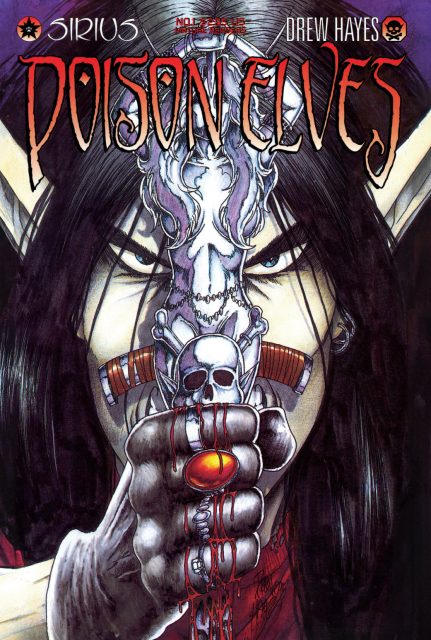
The history of independent comics is littered with "what ifs," but few are as poignant or as enduring as the saga of Drew Hayes and his magnum opus, Poison Elves. When Hayes passed away in 2007 at the age of 37, he had completed just 80 issues of a planned 300-issue epic. He left behind a fractured narrative, a legion of devoted fans, and a complex professional legacy that fell into the hands of Robb Horan, the founder of Sirius Entertainment.
In a comprehensive retrospective of their decades-long relationship, Horan reflects on the "rollercoaster" of working with one of the industry’s most volatile and talented creators. Today, Horan has transitioned from a traditional publisher to a self-described "archivist," using platforms like Kickstarter to preserve Hayes’ work in its purest form.
Main Facts: The Rise of an Outlaw Classic
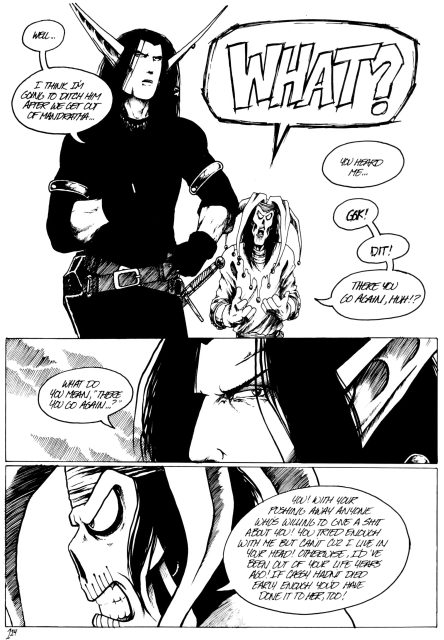
Poison Elves began its life in 1991 under the title I, Lusiphur. Created, written, and illustrated by Drew Hayes, the series followed the misadventures of a cynical, frequently "down-on-his-luck" elf named Lusiphur. The book emerged during the "outlaw comic" boom of the early 1990s—a movement characterized by gritty, black-and-white creator-owned titles that pushed the boundaries of violence, sexuality, and nihilism.
Hayes originally self-published the first 20 issues through his own imprint, Mulehide Graphics, before moving the title to Sirius Entertainment. The series was a cornerstone of the indie market, standing alongside contemporary hits like Faust and Cry for Dawn.
Following Hayes’ death in March 2007, the property entered a period of relative dormancy, punctuated by a brief revival at Ape Entertainment in 2012. However, the last several years have seen a resurgence in interest, driven by Horan’s commitment to producing lavish, oversized hardcover "archival" editions that collect the series in its entirety.
Chronology of a "Comic Book Rock Star"
The timeline of Poison Elves is inextricably linked to the personal triumphs and tragedies of Drew Hayes.
1991–1995: The Mulehide Years
Hayes launched I, Lusiphur in Bellingham, Washington. Frustrated by constantly explaining that the book was not satanic, he renamed the series Poison Elves with issue #8. During this era, Hayes established the "Starting Notes" editorial section, a candid, often debaucherous glimpse into his life that made him a cult celebrity among readers.
1995–1999: The Sirius Transition
Robb Horan, then a retailer and distributor, recognized the potential of Hayes’ work. After a period of coast-to-coast negotiation, Sirius Entertainment became the official publisher. This era saw the height of the book’s popularity and a consistent monthly schedule. In 1999, amidst the WTO "Battle of Seattle" riots, Horan and Hayes signed a deal for Sirius to purchase the rights to the property outright, ensuring Hayes a regular paycheck in exchange for ownership.
2000–2007: The Decline and the Final Issues
As the "indie boom" faded, Hayes’ personal life and health began to interfere with production. Between 2001 and 2007, only nine issues were produced. Hayes struggled with severe sleep apnea, respiratory issues, and the long-term effects of substance abuse. Despite these struggles, he remained a "boisterous personality," as Horan describes him—a man who lived the "rock star" lifestyle to its fullest, for better and worse.

2007–Present: Posthumous Preservation
After Hayes died of a heart attack while hospitalized for pneumonia, Horan worked with Hayes’ mother and daughter to release the final "scrapbook" issue #80. In the years since, Horan has focused on the Poison Elves hardcovers, successfully funding three volumes on Kickstarter with a fourth currently in development.
Supporting Data: The "Warts and All" Philosophy
One of the most striking aspects of the current Poison Elves revival is Horan’s refusal to sanitize the material. Unlike many modern reprints that update lettering or correct old typos, the Sirius hardcovers are strictly archival.
"Pure, unfiltered, unadulterated Drew Hayes," Horan states. "We could have gone in and fixed the text, but that’s not what we did at Sirius, and that’s not what Drew turned in. I published what Drew turned in. That was the deal."
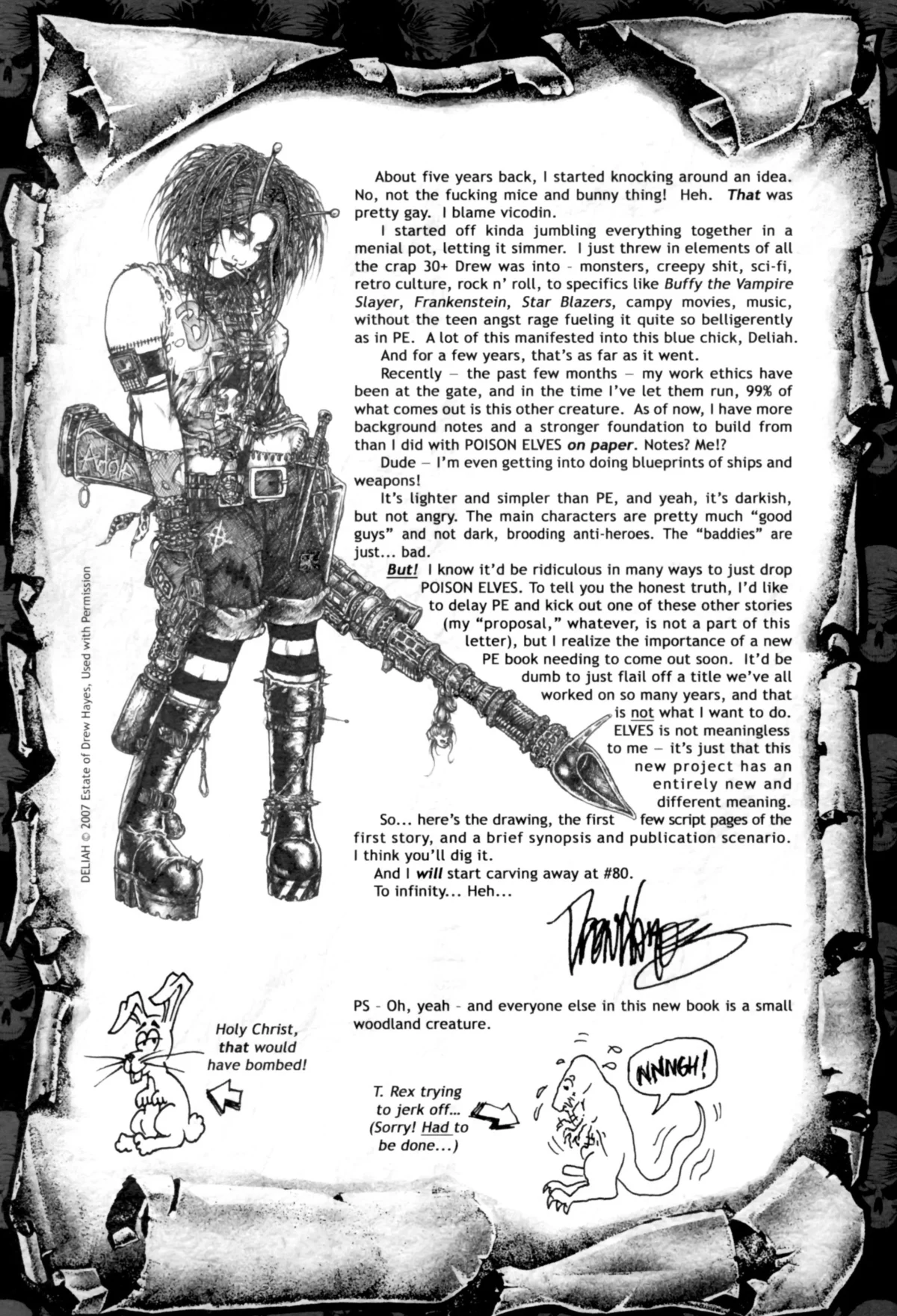
This commitment extends to the layout and the infamous "Starting Notes." Horan views these not just as supplemental material, but as an essential part of the artwork. Because Hayes wrote from experience—incorporating his failed marriages, his time living on the streets, and his unrequited loves—the editorials provide the necessary context for the emotional weight found in the fictional narrative of Lusiphur.
The financial data supports this niche approach. The Kickstarter campaigns have demonstrated a consistent, high-spending "cottage industry" of fans willing to pay premium prices for high-quality, permanent editions of a series that was once sold on cheap newsprint.
Official Perspectives: The Publisher as Custodian
Robb Horan’s perspective on Hayes has evolved significantly over thirty years. Initially, their relationship was a "gentleman’s agreement" between a businessman and a creator. Horan admits that he often used paychecks as a "cudgel" to keep the erratic artist on schedule.
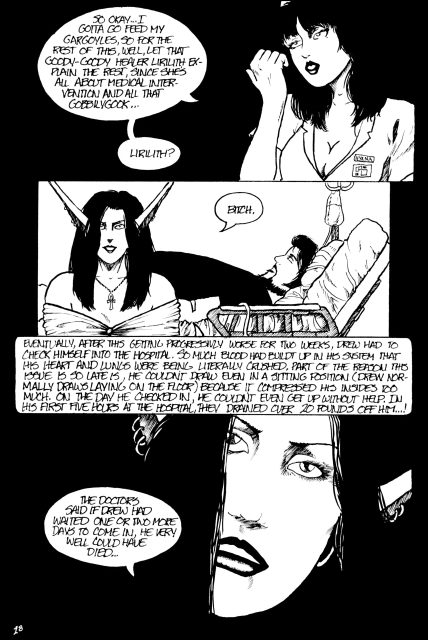
"I was Drew’s biggest critic," Horan recalls. "I didn’t hesitate at times to tell him, ‘Drew, you’re still smoking, you’re still doing all this drinking… isn’t that tantamount to being suicidal?’"
However, following Hayes’ death, Horan’s role shifted. He no longer views the property as something to simply "exploit" for commercial gain, but as a legacy to be protected. This realization came through direct interaction with the fans. "It didn’t really come home to roost until the readers were there to support the first hardcover," Horan says. "Once the readers came to me and said ‘Yes, that’s what we want,’ that’s when I realized that’s my job."
Horan also clarifies the failed 2012 revival at Ape Entertainment. While that era saw the production of new stories not drawn by Hayes, Horan remains hesitant to continue the series without the original creator’s hand. While scripts for issues #4 through #8 of that run exist, Horan is more interested in fulfilling his role as an archivist than in trying to "be" Drew Hayes.
Implications: The Lost Ending and the Future of Lusiphur
Perhaps the most significant revelation from Horan’s recent reflections is the confirmation that a definitive ending for Poison Elves exists. For years, fans speculated whether Hayes had a roadmap for his 300-issue goal. Horan confirms that Hayes shared the conclusion with him early in their partnership.
The "Scoop": How the World Ends
According to Horan, the ending of Poison Elves was intended to be as bleak as the rest of the series. "Lusiphur does die," Horan reveals, "and the entire human race is dead as well. The humans are on their way out. That’s really Mogré-Ur’s solution."
This apocalyptic vision provides a new lens through which to view the existing 80 issues. The "vagabond" nature of Lusiphur’s journey was not merely aimless drifting but a slow march toward the extinction of humanity in a world of dark magic.
The Archival Future
As Sirius Entertainment nears the completion of the five-volume hardcover set, Horan is looking toward collecting side stories like Lusiphur and Lirilith and the Fillbach brothers’ Parintachin. There are also plans for a "tribute art book" featuring color pieces from industry professionals.
The implications for the broader comic industry are clear: there is a sustainable model for preserving "outlaw" and independent works if the steward of the property is willing to prioritize historical accuracy over modern polish. By treating Hayes’ work as "pure self-expression," Horan has ensured that Poison Elves remains a time capsule of 1990s independent spirit.
While Horan notes he is "too old to start doing that shit all over again" regarding launching a new monthly series, he remains open to novels or RPG adaptations that could expand the reach of Hayes’ world. For now, the focus remains on the page—preserving the boisterous, tragic, and brilliant life of Drew Hayes through the elf who refused to die quietly.


Leave a Comment