
Unraveling the Enigma of Soul Connections: A Journey of Resonance and Self-Discovery

"Soul connections are not often found and are worth every bit of fight left in you to keep." — Shannon L. Alder
In a world increasingly characterized by fleeting digital interactions, the human yearning for profound, authentic connection remains an enduring quest. Have you ever experienced a moment where a gaze felt like a deep recognition, a conversation transcended time, or a presence evoked an inexplicable sense of "coming home"? These profound instances often hint at what many describe as a "soul connection"—a bond that resonates beyond the superficial, touching the very core of one’s being.
While popular culture and certain spiritual traditions imbue the concept of soul connections with whimsical, even mystical interpretations—ranging from past-life encounters to membership in "soul groups"—this article seeks a more grounded, yet equally profound, understanding. Eschewing unsubstantiated phenomena, we will explore soul connections through the lens of deep resonance, mutual growth, and the transformative power of self-knowledge, examining their nature, types, and the indispensable role of inner work in fostering such sacred kinships.
Main Facts: Defining the Echo of Resonance
At its heart, a soul connection can be understood as a profound resonance between two individuals, where they operate on a remarkably similar "vibrational wavelength." This concept, while seemingly abstract, has tangible parallels in the physical world. Consider two guitars in a room, both tuned to the same pitch. Pluck a ‘D’ string on one, and the sound waves will travel through the air, causing the corresponding ‘D’ string on the second guitar to mysteriously vibrate and hum in sympathy. This spontaneous, effortless mirroring of energy and frequency illustrates the essence of a soul connection.

Beyond this metaphorical resonance, the defining characteristics of a soul connection often include:
- Deep Recognition: An immediate, inexplicable familiarity, as if you’ve known the person forever.
- Effortless Communication: Conversations flow naturally, often delving into profound topics, with a sense of being truly heard and understood.
- Mutual Growth: The relationship acts as a catalyst for personal development, challenging both individuals to evolve.
- Unconditional Acceptance: A feeling of being seen and loved for who you truly are, flaws and all.
- Shared Values and Purpose: An alignment on fundamental life principles, ethics, and sometimes, a collective mission.
These are not merely fleeting attractions or superficial commonalities; they are deep-seated alignments that foster a sense of belonging and purpose.
Chronology: The Evolution of Profound Bonds
The human fascination with deep, meaningful connections is not new. Throughout history, philosophers, mystics, and poets have grappled with the nature of profound human bonds, reflecting an evolving understanding of what we now term "soul connections."
- Ancient Greece: Plato’s concept of eros (not purely sexual, but a yearning for ideal beauty and truth) and Aristotle’s philia (brotherly love, friendship) laid foundational ideas about profound human attachments. The myth of Aristophanes in Plato’s Symposium, describing humans originally having two faces, four arms, and four legs, split by Zeus and forever seeking their "other half," is perhaps the earliest philosophical precursor to the modern "soulmate" concept.
- Medieval Mysticism: Mystical traditions across various religions, particularly Sufism and Christian mysticism, emphasized the spiritual union between individuals, often seen as a reflection of the divine. Rumi, the 13th-century Persian poet, famously articulated this interconnectedness, stating, "Lovers don’t finally meet somewhere. They’re in each other all along."
- Romantic Era: The 18th and 19th centuries saw the rise of romanticism, elevating passionate love and idealizing the concept of a singular, destined partner. This era solidified many of the archetypes of "true love" and "soulmates" that persist today, though often without the deeper philosophical or spiritual underpinnings.
- 20th Century Psychology: Carl Jung’s concept of the collective unconscious and archetypes, alongside his work on synchronicity, offered a psychological framework for understanding uncanny coincidences and deep, inexplicable connections between individuals. Later, humanistic and transpersonal psychology began to explore the spiritual dimensions of human experience, including profound relationships.
- New Age Movement: In recent decades, the "New Age" movement popularized terms like "soulmate," "twin flame," and "karmic connection," often mixing spiritual concepts with self-help narratives. While these terms resonated with many, they also led to significant misinterpretations, sometimes fostering unhealthy idealization and projection rather than genuine growth, a point the original article’s author critically observes regarding "twin flames."
This historical trajectory reveals a consistent human drive to understand and articulate the experience of deep kinship, adapting to the cultural and intellectual paradigms of each era.
Supporting Data: The Inner Work Foundation for Authentic Connections
For soul connections to be deeply transformative, awakening, and growth-oriented, they necessitate a conscious and intentional approach rooted in inner work. This means viewing these relationships not merely as sources of happiness, but as "living and breathing teachers" designed to illuminate our light and darkness, demanding self-knowledge and a willingness to become profoundly self-aware.
Unlike superficial "ego connections," which thrive on shared likes, dislikes, and external interests, soul connections delve much deeper. They touch upon:
- Buried Wounds: Unresolved traumas and emotional scars from childhood or past experiences.
- Disowned Power: Aspects of ourselves we have suppressed or denied.
- The Deeper Self (or Soul): Our authentic core identity, beyond the ego’s constructs.
This is precisely why active engagement in inner work—practices like self-reflection, mindfulness, therapy, and shadow work—is crucial for relationships, especially those deemed "spiritual," to flourish. Without a commitment to personal growth, identifying our core wounds, and integrating our shadow parts, we risk projecting our unresolved issues onto our partners. As clinical psychologist John Welwood notes in Toward a Psychology of Awakening, intimate relationships become "the new wilderness that brings us face to face with all our gods and demons," demanding we "free ourselves from old habits and blind spots."
Unhealed wounds have a potent way of distorting our perception of intimacy, leading to:

- Codependency: Relying on another person for our sense of self-worth and identity.
- Projection: Attributing our own undesirable traits or unresolved issues to our partner.
- Trauma Bonding: Confusing intense emotional cycles (often involving abuse or neglect) with deep love or destiny.
- Idealization: Placing a partner on a pedestal, ignoring their flaws, and creating an unrealistic fantasy.
A healthy soul connection, conversely, acts as a crucible for self-discovery. It provides a safe space to explore vulnerabilities, challenge limiting beliefs, and integrate fragmented aspects of the self. The "most spiritual thing," as the original article rightly asserts, is ultimately love—a love that is conscious, respectful, and committed to mutual evolution.
Official Responses: Expert Perspectives on Profound Bonds
While "soul connections" are not topics for governmental decrees, insights from psychology, philosophy, and spiritual traditions offer various "expert opinions" on the nature of deep human bonds.
Psychological Perspectives:
Psychologists, particularly those in humanistic, transpersonal, and attachment-focused fields, recognize the profound impact of deep relational bonds.
- Attachment Theory: Developed by John Bowlby, this theory explains how early childhood experiences shape our relational styles. Secure attachment, characterized by trust, comfort with intimacy, and independence, forms the bedrock for healthy, profound connections. Insecure attachments (anxious, avoidant, disorganized) can hinder authentic connection, often leading individuals to seek validation outside themselves or to avoid intimacy altogether. Soul connections, when healthy, can foster secure attachment, even if early experiences were challenging.
- Carl Jung’s Individuation: Jungian psychology posits that the journey of individuation—becoming one’s true self—often involves confronting and integrating the "shadow" (unconscious, repressed aspects of personality). Profound relationships can accelerate this process by mirroring these hidden aspects, both positive and negative, forcing self-reflection and growth.
- Transpersonal Psychology: This field explicitly integrates spiritual and transcendent experiences with psychological understanding. It recognizes that some relationships transcend mere personal interaction, tapping into deeper existential or spiritual dimensions, aligning closely with the "resonance" concept.
Philosophical and Spiritual Perspectives:
Many traditions emphasize the interconnectedness of all beings and the transformative power of love.

- Buddhist Metta (Loving-Kindness): This practice cultivates unconditional goodwill towards all beings, suggesting that the capacity for deep connection is inherent and can be expanded beyond personal preferences.
- Existentialism: While often emphasizing individual responsibility and aloneness, existential thinkers also explore the profound meaning found in authentic human encounters and the shared human condition.
- Integral Theory (Ken Wilber): This framework attempts to integrate various fields of knowledge. In relationships, it would suggest that healthy connections foster growth across all quadrants of human experience: individual interior (consciousness), individual exterior (behavior), collective interior (culture), and collective exterior (systems).
These perspectives, while diverse, converge on the idea that profound relationships are not just about finding "the one," but about finding a mirror for self-discovery and a catalyst for personal and collective evolution.
The Spectrum of Soul Connections: From Fleeting to Forever
Soul connections are not monolithic; they exist along a spectrum, each serving a unique purpose in our journey. Most individuals will experience one or two primary types, but some are fortunate to encounter multiple forms. Here’s a breakdown of common types, from platonic to romantic:
- Catalytic Connections (The Awakener): These are often brief but intensely impactful encounters that serve as powerful catalysts for change. They might spark a new direction, challenge old beliefs, or initiate a spiritual awakening. The connection is potent but often designed for a specific purpose and duration, after which the individuals may move on, forever altered by the encounter. They are like cosmic signposts, guiding us to our next phase.
- Karmic Connections (The Teacher): These relationships are characterized by intense attraction and often tumultuous dynamics. While they may feel like profound love, they often bring unresolved patterns, past traumas, or difficult lessons to the surface, demanding confrontation and healing. They are not necessarily "bad" but are designed to teach us crucial lessons about boundaries, self-worth, and breaking cycles. Such connections require significant inner work to avoid repeating destructive patterns.
- Kindred Spirits (The Ally): These are platonic soul connections, deep friendships based on shared values, intellectual compatibility, and mutual understanding. Kindred spirits offer unwavering support, encouragement, and a sense of belonging. They are companions on life’s journey, understanding your worldview and often sharing similar life paths or missions. These bonds are vital for emotional and psychological well-being.
- Soulmates (The Harmonizer): Often romantic, but can also be deeply platonic, soulmates are partners who bring immense comfort, harmony, and mutual growth. They are typically highly compatible, sharing a deep emotional, intellectual, and often spiritual connection. Soulmate relationships are characterized by profound understanding, effortless communication, and a shared commitment to supporting each other’s personal evolution. They feel like a true partnership in every sense.
- Divine Counterparts (The Unifier – handled with caution): This category encompasses concepts like "Twin Flames," which, as the original article cautions, are often burdened with "false projections, trauma bonding, unhealthy codependency dynamics, and other new age nonsense." When stripped of idealization, a divine counterpart is envisioned as an ultimate mirror, reflecting both light and shadow, compelling radical self-acceptance and spiritual union. However, the intensity can be overwhelming, often leading to separation if both individuals are not highly evolved and committed to rigorous inner work. It’s crucial to distinguish genuine profound connection from obsessive or unhealthy attachment in this context.
7 Types of Love Experienced in Our Soul Connections
One of the most enriching aspects of soul connections is the diverse forms of love they can evoke. Drawing from ancient Greek philosophy, we can define these types of love and how they manifest:
- Eros (Passionate Love): Not purely sexual, Eros encompasses a deep yearning and passionate desire for beauty, truth, and the beloved. In soul connections, it manifests as intense attraction, a longing for complete union, and a profound sense of enchantment with the other’s essence, inspiring creativity and intensity.
- Philia (Affectionate Love/Friendship): This is the love of deep friendship, companionship, and shared goodwill. It’s built on loyalty, trust, and mutual respect. Kindred spirits and soulmates often exhibit strong Philia, enjoying each other’s company, sharing vulnerabilities, and offering unwavering support.
- Storge (Familiar Love): Representing the love between family members, Storge is characterized by natural affection, familiarity, and a deep sense of belonging. In soul connections, it’s the feeling of "coming home" or a familial bond, even with someone you’ve just met, providing comfort, security, and a sense of effortless acceptance.
- Agape (Selfless Love): This is often considered the highest form of love—unconditional, altruistic, and universal. It’s a love that seeks the well-being of the other without expectation of return. While rare for "imperfect and flawed beings" to sustain consistently, moments of Agape can be glimpsed in soul connections, particularly when one transcends personal ego to genuinely wish for the other’s highest good, even if it means personal sacrifice.
- Ludus (Playful Love): Ludus is lighthearted, flirtatious, and fun love, without deep emotional attachment. While soul connections are profound, they can certainly encompass Ludus, bringing joy, laughter, and a sense of childlike wonder to the relationship, especially in the early stages or during moments of relaxation.
- Pragma (Enduring Love): This is a practical, committed love that develops over time, built on mutual understanding, patience, and realistic expectations. It’s the "standing the test of time" love, often found in long-term soulmate partnerships where both individuals consciously work to sustain the relationship through challenges, focusing on shared goals and practical compatibility.
- Philautia (Self-Love): Crucially, Philautia is the love of oneself. A healthy soul connection requires Philautia, as one cannot truly love another or receive love authentically without first loving and respecting oneself. This self-love allows individuals to bring their whole, authentic self to the relationship, avoiding codependency and projection.
Understanding these different expressions helps us appreciate the multifaceted nature of love within soul connections, enriching our relational experiences.

Implications: The Paradox of Solitude and the Path to Self
"Solitude and love go hand-in-hand." Without cultivating comfort and contentment in one’s own company, it becomes challenging to authentically connect with another without it being sourced from a place of neediness or fear of abandonment. This is the profound paradox of connection: true intimacy often blossoms from a foundation of robust self-sufficiency.
Embracing the "lone wolf" within—the wild, soulful essence of freedom and independence—is vital for the health of all types of relationships. As John Welwood eloquently puts it in Journey of the Heart, "No matter how close to another person we may be, part of us is radically and forever alone and, in its own way, wild and free. If we use a relationship to deny this, it can only be superficial or distorted, for it will not be aligned with reality."
Periods of solitude are not merely about being alone; they are opportunities for deep introspection, self-discovery, and cultivating Philautia. Thomas Moore, in Original Self, emphasizes this: "The capacity for solitude is a prerequisite for intimacy with another. Otherwise, it may well be that the desperate search for a partner is merely the expression of personal emptiness, and if that is the case, any relationship will be founded on weak grounds and will not satisfy the yearning for connection." Desperately seeking love often leads to exhaustion and despair; instead, becoming "a person with soul" is the most potent magnet for soulful connections.
How to Recognize a True Soul Connection (vs. Projection or Fantasy)
The intoxicating power of love and idealization can easily lead to delusion, particularly when seeking deep connections. The caution against "twin flame" narratives in the original article underscores the danger of mistaking intense emotional upheaval, codependency, or even trauma bonding for a destined spiritual union.

To discern a genuine soul connection from mere mental fantasy or wishful projection, critical self-reflection is paramount. Ask yourself these probing questions:
- Are you actively working on your own inner wounds and patterns, or are you hoping this person will "fix" you or complete you? True soul connections thrive on individual wholeness, not mutual incompleteness.
- Do you feel intense pressure or an overwhelming sense of "destiny" that overrides rational thought or healthy boundaries? While destiny can feel powerful, it shouldn’t negate personal agency or common sense.
- Is the relationship characterized by consistent mutual respect, support, and healthy communication, or is it a roller coaster of highs and lows, drama, and unresolved conflict? Genuine connections, while challenging, foster stability and growth.
- Do you feel more whole, empowered, and authentic in this relationship, or do you find yourself losing your sense of self, compromising your values, or engaging in unhealthy behaviors to maintain the connection? Healthy connections uplift; unhealthy ones diminish.
- Are you able to maintain your individuality and autonomy within the relationship, or is there a blurred line where identities merge in an unhealthy way? Separate selves, united in purpose, define a healthy bond.
- Does this connection primarily bring you peace, joy, and growth, or is it a source of constant anxiety, pain, and self-doubt, despite moments of intense euphoria?
Answering "yes" to any of the latter questions suggests the need to address personal "baggage" before fully investing in a "one true" narrative. Many myths surrounding soulmate love—such as the idea that a soulmate will solve all your problems, that the relationship will be free of conflict, or that it should be effortless—can lead to profound disappointment and perpetuate unhealthy dynamics. True soul connections are forged through conscious effort, self-awareness, and a commitment to shared growth, not through passive expectation or romanticized fantasy.
Conclusion: Soul Connection as a Path of Return to the Self
Ultimately, all forms of soul connections—whether fleeting or lifelong, platonic or romantic—share one overarching, profound purpose: to awaken our hearts to love and call us back home to ourselves.
As Gary Zukav articulates in The Seat of the Soul, "Spiritual partners recognize the existence of the soul, and consciously seek to further its evolution." Every soul connection acts as a powerful mirror, reflecting not only our strengths and light but also our vulnerabilities, weaknesses, and hidden shadows. They serve as invaluable teachers, prompting us to examine our inner landscapes and foster deeper self-understanding.
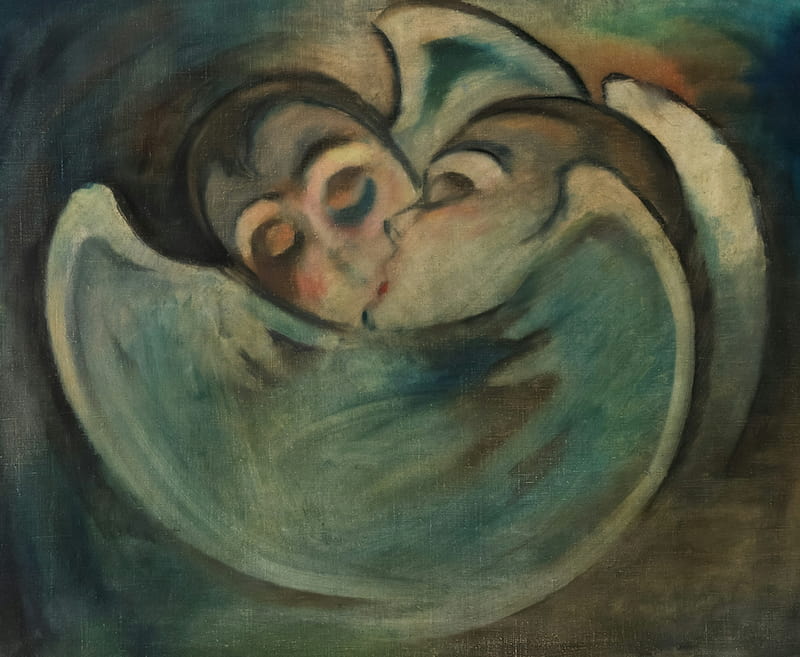
The deepest and most enduring soul connection, the one that remains with us until the very end, is the one we forge with our own soul. This is why soul recovery—the process of reclaiming lost or fragmented aspects of our inner self—is the ultimate goal of all soulful encounters. These external relationships, in their truest form, merely remind us of the home that resides within us. They serve as potent reminders that the Beloved, the source of all connection and love, is perpetually present within our own hearts.
As the timeless wisdom of Sufi mystic Rumi profoundly reminds us, "Lovers don’t finally meet somewhere. They’re in each other all along." The journey of soul connection is not merely about finding another, but about profoundly discovering oneself through the mirror of another’s spirit.




Leave a Comment