
Unveiling the Acropolis: A Journey Through Time with 3D Reconstructions
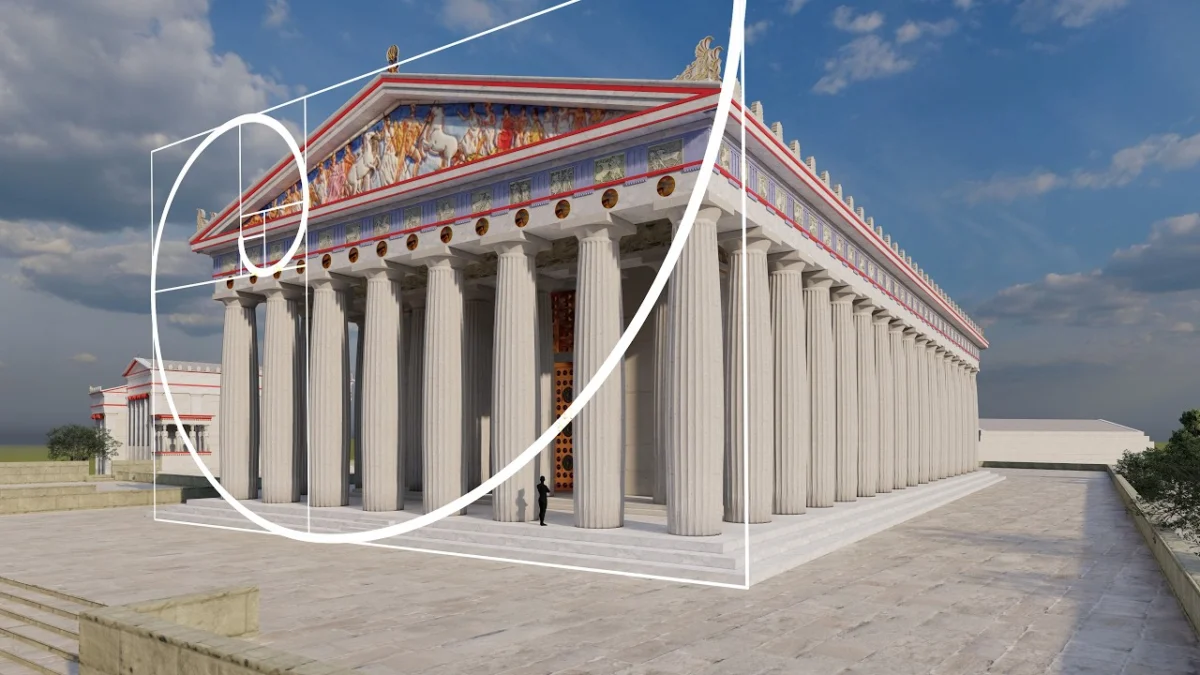
Athens, Greece – May 28, 2026 – For millennia, the Acropolis of Athens has stood as a silent witness to the ebb and flow of human civilization. From its origins as a Mycenaean fortress in the 13th century BC, through its transformation into a hallowed sanctuary for Greek gods, later a site of worship for the Virgin Mary, and even for Allah during periods of Ottoman rule, this iconic citadel has embodied a layered history of faith, power, and cultural evolution. Today, while its days of military and religious functions have long passed, the Acropolis endures as a breathtaking collection of ruins, drawing millions of visitors annually. However, for many, the true magnificence of its past remains elusive, a grand vision obscured by the veil of time.
A groundbreaking video by Manuel Bravo seeks to bridge this temporal chasm, offering an immersive tour of the Acropolis, enhanced by sophisticated 3D reconstructions. This innovative approach allows viewers to not only witness the current state of the Parthenon, the Temple of Athena Nike, and other pivotal structures but also to vividly imagine their former glory during Athens’ Golden Age. Bravo’s work goes beyond mere visual restoration; it delves into the very intentions of ancient Greek architects, revealing how the ascent to the Acropolis was conceived as a spiritual journey, a deliberate transition from the mundane world to the sacred.
The Grand Ascent: A Journey of Sacred Intent
The approach to the Acropolis was meticulously designed to evoke a sense of awe and reverence. Ancient Greek architects understood the power of procession, of guiding the visitor’s experience through a carefully orchestrated sequence of spaces. As one ascended the sacred hill, the surrounding landscape and the unfolding vistas were intended to create a profound psychological and spiritual shift. This was not simply about reaching a destination; it was about the transformative journey itself.
Upon entering the central precinct, visitors were strategically positioned at viewing points that showcased the surrounding architectural ensemble in its most dramatic and impactful configuration. This deliberate staging, akin to a theatrical production, aimed to overwhelm the senses and instill a deep sense of wonder. While we lack the term "cinematic" in ancient Greece, the architects’ intent was undeniably to create an experience that was visually arresting and emotionally resonant, much like a masterfully directed film.
Even in its current state of ruin, the Acropolis retains a palpable aura of its original grandeur. The very layout of the site continues to communicate the intended impact on the visitor – where they were meant to look, what they were meant to feel, and the degree to which they were meant to be filled with awe. In the absence of the colossal bronze statue of Athena Promachos, a thirty-foot masterpiece by Phidias that once dominated the landscape, the Parthenon stands as the undisputed focal point, a testament to the enduring power of its design and significance.
The Parthenon: A Beacon of Athenian Brilliance
The Parthenon, dedicated to the goddess Athena, remains the crown jewel of the Acropolis. Its enduring presence, even in ruin, speaks volumes about the architectural and artistic prowess of its creators. For centuries, it served not only as a temple to Athena but also as the treasury of Athens, housing the city’s wealth and solidifying its status as a dominant power in the ancient world.
As previously reported on Open Culture, recent years have seen significant progress in the preservation and restoration of the Parthenon. For the first time in two centuries, visitors have been able to witness the iconic structure with minimal or no scaffolding, offering an unobstructed view of its majestic form. This renewed clarity allows for a more direct connection to its past, facilitating a more profound appreciation of its architectural innovations and its historical context.
However, for those seeking the most authentic glimpse into the Parthenon as the ancients knew it, marbles and all, a rather unexpected pilgrimage awaits. In Nashville, Tennessee, a full-scale replica of the Parthenon stands as a remarkable testament to Athenian architectural ideals. Erected in 1897 for the city’s Centennial Exposition, this faithful recreation has endured, offering visitors a chance to stand before a structure that remarkably approximates the original in its prime. While it might seem peculiar to seek the architectural and spiritual foundations of Europe in a city renowned for country music and bachelorette parties, this juxtaposition underscores a broader truth: the enduring influence of civilization often transcends predictable boundaries and geographical limitations.
Supporting Data: The Evolution of the Acropolis
The Acropolis’s history is not a static narrative but a dynamic unfolding of human activity and societal change. Understanding its evolution provides crucial context for appreciating its current state and the intentions behind its original design.
- 13th Century BC: The Acropolis is established as a Mycenaean fortress, serving a defensive and administrative purpose. This early period marks its strategic importance as a high ground, a natural stronghold.
- Archaic Period (c. 800-500 BC): The Acropolis begins to develop into a religious center. Early temples and sanctuaries are constructed, reflecting the growing importance of Athenian deities, particularly Athena.
- Classical Period (c. 500-323 BC): This is the zenith of the Acropolis’s development. Following the Persian Wars, a grand rebuilding program is initiated, funded by the Delian League. The Parthenon, the Erechtheion, the Propylaea (monumental gateway), and the Temple of Athena Nike are constructed under the leadership of figures like Pericles and the artistic direction of Phidias. This era represents the pinnacle of Athenian power, wealth, and artistic achievement.
- Hellenistic and Roman Periods (c. 323 BC – 330 AD): While significant new construction ceases, the Acropolis continues to be revered. The Romans add their own structures and influence, but the core of the Classical Athenian architecture remains dominant.
- Byzantine Period (c. 330 AD – 1453 AD): The Parthenon is converted into a Christian church dedicated to the Virgin Mary. This period sees alterations to the structure to accommodate Christian liturgy.
- Ottoman Period (1456-1832): The Acropolis is transformed into a military garrison. The Parthenon is converted into a mosque, and a minaret is added. Other structures are repurposed for military use, leading to damage and alteration. The most catastrophic event during this period was the explosion of the Parthenon in 1687 during the Morean War when Venetian forces bombarded the Acropolis, and a cannonball ignited gunpowder stored within the temple.
- Modern Era (1832-Present): Following Greek independence, a concerted effort begins to restore the Acropolis to its ancient glory. This involves the removal of later additions and ongoing archaeological and conservation work. The 20th and 21st centuries have seen extensive restoration projects, including those focused on the Parthenon.
Supporting Data: Architectural Innovations and Intent
The brilliance of the Acropolis lies not only in its individual structures but in the overarching design principles that guided their creation.
- Optical Refinements: Ancient Greek architects employed subtle, sophisticated techniques to counteract optical illusions and create a sense of perfection. This included entasis (a slight bulging of columns), the curvature of the stylobate (the base of the temple), and slight inclinations of the entablature. These adjustments, barely perceptible to the untrained eye, ensured that the buildings appeared perfectly straight and harmonious from any viewing angle.
- The Golden Ratio: While the precise extent of its conscious application is debated, the principles of proportion and harmony, often associated with the Golden Ratio, are evident in the design of the Acropolis structures, contributing to their aesthetic appeal.
- Integration with the Landscape: The Acropolis is not an imposition upon its natural setting but an organic extension of it. The architects masterfully integrated the buildings with the rocky outcrop, utilizing its natural contours to enhance the dramatic effect and the sense of elevation.
- Symbolic Significance: Each structure on the Acropolis carried profound symbolic meaning, representing Athenian power, religious devotion, and civic pride. The Propylaea symbolized the transition to the sacred, the Parthenon embodied Athenian might and wisdom, and the Temple of Athena Nike celebrated victory.
Official Responses and Ongoing Preservation Efforts
The preservation of the Acropolis is a monumental and ongoing undertaking, managed by the Hellenic Ministry of Culture and Sports. This involves a multidisciplinary approach, combining archaeological research, architectural restoration, and scientific analysis.
"The Acropolis is a universal symbol of democracy, art, and civilization," stated a spokesperson for the Ministry. "Our commitment to its preservation is unwavering. We are continuously investing in state-of-the-art conservation techniques and collaborating with international experts to ensure that this invaluable heritage is protected for future generations."
Recent efforts have focused on mitigating the impact of environmental factors, such as air pollution and extreme weather, which can accelerate the deterioration of the ancient marble. Advanced monitoring systems are in place to track these environmental stressors, informing targeted conservation strategies. The removal of scaffolding from the Parthenon, for instance, was a significant milestone, allowing for a more direct assessment of the structure’s condition and facilitating specialized cleaning and repair work.
Implications for Understanding Ancient Greece and Beyond
Manuel Bravo’s 3D reconstructions and the ability to view the Parthenon with reduced scaffolding have profound implications for our understanding of ancient Greece and its enduring legacy.
- Enhanced Educational Tools: These visual resources provide unparalleled tools for education, allowing students and the general public to engage with ancient history and architecture in a far more tangible and compelling way. The ability to "walk through" a reconstructed Acropolis offers an immersive learning experience that textbooks alone cannot replicate.
- Revisiting Architectural Genius: The reconstructions highlight the sophistication of ancient Greek engineering and architectural design, challenging any notion of them being primitive builders. The subtle optical refinements and the harmonious integration of structures with their environment reveal a profound understanding of aesthetics and human perception.
- Cultural Heritage and Identity: For Greece, the Acropolis is a cornerstone of national identity and a powerful symbol of its rich cultural heritage. The ongoing efforts to preserve and present it to the world reinforce its significance on a global scale.
- Inspiration for Modern Design: The principles of proportion, harmony, and integration with the environment embodied in the Acropolis continue to inspire architects and designers today, demonstrating the timeless relevance of classical ideals.
- The Enduring Power of Place: The Acropolis serves as a potent reminder of the power of place to shape human experience and transmit cultural values across millennia. Its enduring presence continues to evoke wonder and contemplation, inviting us to connect with the achievements of those who came before us.
In conclusion, the Acropolis of Athens is more than just a collection of ancient ruins; it is a living testament to human ingenuity, artistic expression, and spiritual aspiration. Through innovative technologies and dedicated preservation efforts, we are continuously unlocking new layers of understanding, allowing us to connect with this extraordinary monument in ways that were once unimaginable. The journey to fully appreciate its grandeur is ongoing, a continuous exploration of history, art, and the enduring human spirit.




Leave a Comment