
Xbox’s Activision Blizzard Acquisition: A Shrewd Investment or a Costly Gamble in a Rapidly Evolving Tech Landscape?
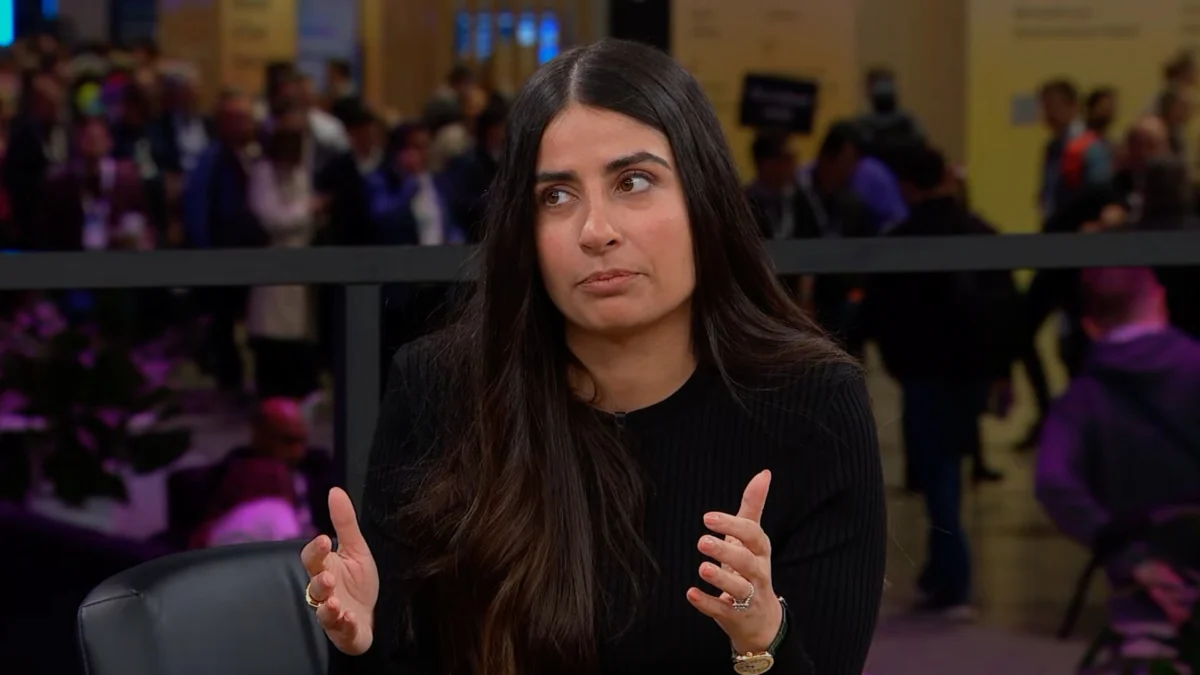
Microsoft’s monumental $68.7 billion acquisition of Activision Blizzard, finalized less than three years ago, has positioned Xbox as a dominant force in the gaming industry. However, amidst a landscape rapidly reshaped by advancements in artificial intelligence and shifting consumer behaviors, the long-term success of this colossal deal is increasingly being called into question. Xbox CEO Asha Sharma’s recent remarks suggest a complex and perhaps even hesitant evaluation of the acquisition’s strategic value.
The Unprecedented Scale of the Activision Blizzard Deal
In January 2022, Microsoft announced its intention to acquire Activision Blizzard King (ABK) in a deal valued at a staggering $68.7 billion. This acquisition, the largest in the history of the video game industry, brought iconic franchises such as Call of Duty, World of Warcraft, and Overwatch under the Xbox umbrella. The move was widely seen as a strategic masterstroke by Microsoft, aiming to bolster its position in the lucrative gaming market, expand its content library, and strengthen its subscription service, Xbox Game Pass.
The regulatory hurdles were significant and prolonged, involving intense scrutiny from competition authorities in the United States, the United Kingdom, and the European Union. Concerns centered on potential monopolistic practices and the impact on game availability and pricing across different platforms. Ultimately, after numerous concessions and assurances, the deal received the necessary approvals, and the acquisition was officially completed in October 2023.
A Shifting Strategic Landscape: The Pre- and Post-ChatGPT Era
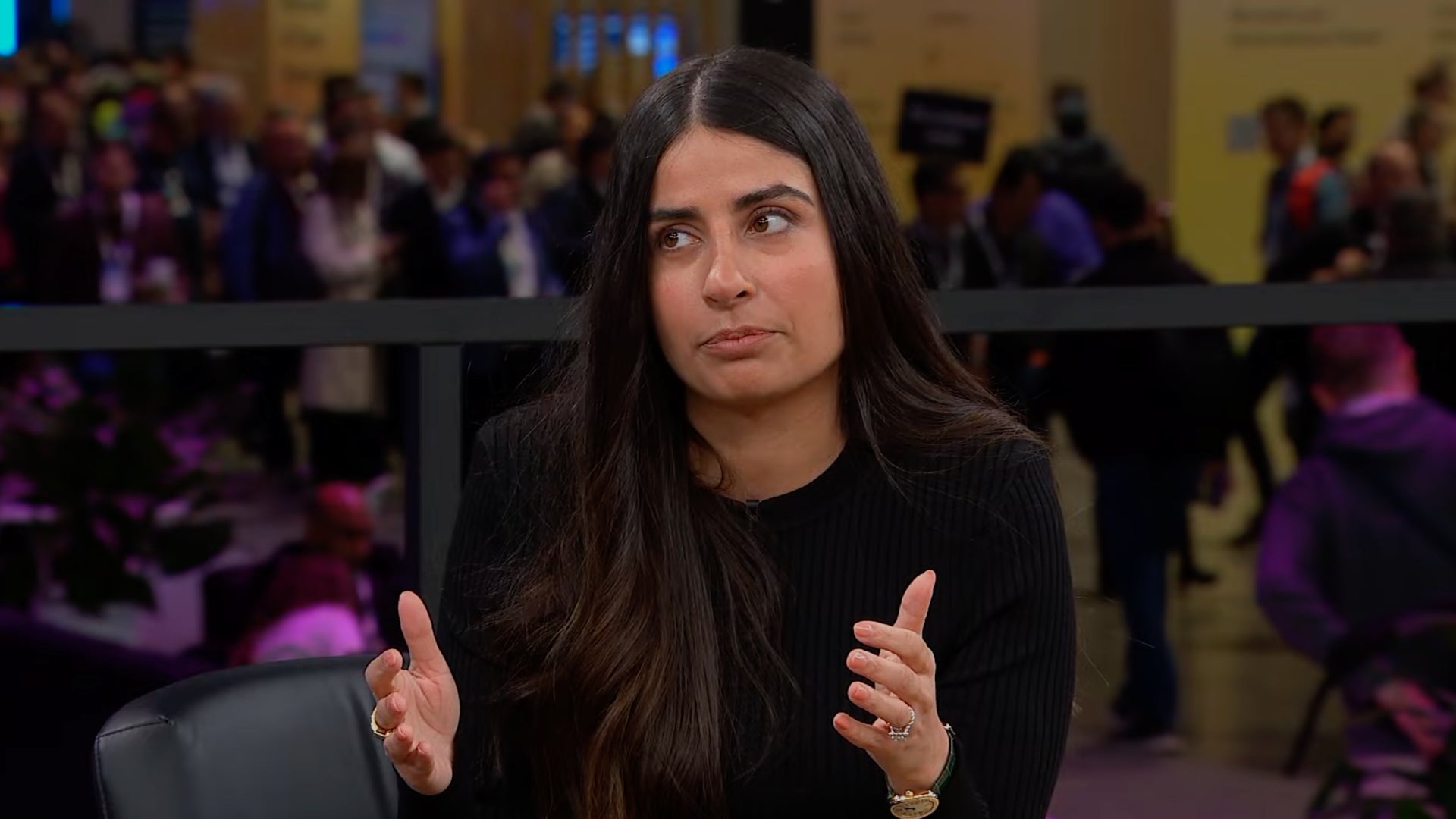
Xbox CEO Asha Sharma, who inherited the responsibility of integrating ABK into Microsoft’s gaming division, recently expressed a nuanced perspective on the acquisition’s success. In an interview with Bloomberg Tech, Sharma acknowledged the immense value of Activision Blizzard’s intellectual property while also highlighting the significant changes in the technological and strategic landscape since the deal was first conceived.
"It was bought at a time before ChatGPT," Sharma stated, a remark that underscores a crucial pivot in the industry’s trajectory. The rapid emergence and widespread adoption of advanced AI technologies, particularly generative AI, have introduced new possibilities and challenges that were not fully anticipated during the initial planning stages of the ABK acquisition. This period, characterized by the burgeoning influence of AI, has fundamentally altered how games are developed, marketed, and consumed.
Furthermore, Sharma pointed to other contextual factors influencing the assessment of the deal. "It was bought at a time when our strategy was predominantly on the core console," she elaborated. This suggests that the initial strategic rationale for the acquisition was heavily weighted towards strengthening Microsoft’s traditional console gaming ecosystem. However, the gaming industry has witnessed a significant expansion into mobile gaming, cloud gaming, and cross-platform experiences, demanding a more diversified approach.
The impact of the COVID-19 pandemic also played a role in shaping the environment in which the acquisition was pursued. While the pandemic initially boosted gaming engagement, it also presented operational challenges and economic uncertainties that may have influenced the long-term strategic considerations.
The Complex Reality: Layoffs, Cancellations, and Price Hikes
Sharma’s candid assessment comes against a backdrop of significant organizational and operational changes within Microsoft’s gaming division since the ABK acquisition. The integration process has not been without its difficulties, marked by substantial layoffs and the cancellation of promising projects.
In January 2024, Microsoft laid off approximately 1,900 employees across its gaming division, including many at Activision Blizzard. This move, which followed the successful closure of the ABK acquisition, was attributed to a restructuring aimed at focusing on profitability and sustainable growth. The layoffs, which impacted studios such as Blizzard Entertainment and Treyarch, sent ripples of concern throughout the industry, raising questions about the long-term stability and vision for the newly acquired entities.
Compounding these concerns, Microsoft also announced the cancellation of the highly anticipated Perfect Dark reboot, a project that had been in development for years. This decision, along with other project adjustments, has fueled speculation about internal strategic realignments and a potential shift in priorities within Xbox.
Moreover, the cost of the Xbox Game Pass subscription service, a cornerstone of Microsoft’s gaming strategy, has seen a notable price increase in recent months. This price hike, while presented as necessary to support the continued delivery of high-quality content and services, has been met with mixed reactions from consumers and raises questions about the long-term economic viability of the platform in the face of substantial content acquisition costs.
Supporting Data: The Undeniable Value of Activision Blizzard’s Portfolio
Despite the challenges and uncertainties, Sharma was quick to emphasize the inherent value of Activision Blizzard’s renowned franchises. "I don’t know anybody in entertainment who wouldn’t want Call of Duty," she asserted, highlighting the franchise’s immense commercial success. Call of Duty has consistently been a top-performing franchise, generating substantial revenue and maintaining a dedicated player base. Its annual releases are eagerly anticipated by millions worldwide.
The CEO also pointed to the phenomenal success of Candy Crush, a mobile game that remains one of the top three apps globally. The acquisition of King, the developer of Candy Crush, brought a massive and highly lucrative mobile gaming presence into Microsoft’s fold. This diversification into the mobile market is a critical component of Microsoft’s broader gaming strategy, aiming to reach a wider audience beyond traditional console players.
Furthermore, Sharma acknowledged the enduring appeal and cultural significance of World of Warcraft, a long-standing titan in the massively multiplayer online role-playing game (MMORPG) genre. The game continues to boast a substantial and loyal player base, demonstrating its remarkable longevity and impact on the gaming landscape.
"And who wouldn’t want a team that for 20 years has been able to create predictable hits every single year? I love Activision Blizzard King," Sharma concluded, expressing admiration for the talent and consistent track record of the acquired studios. This sentiment underscores the recognition of ABK’s deep well of creative talent and its proven ability to deliver commercially successful titles.
Official Responses: A Balancing Act of Acknowledgment and Future Investment
Sharma’s public statements reflect a delicate balancing act. On one hand, she acknowledges the evolving strategic environment and the unforeseen factors that have emerged since the acquisition’s inception. This candidness suggests a departure from the typical corporate narrative of unwavering confidence and an openness to re-evaluating past decisions in light of new realities.
However, she also reaffirms Microsoft’s commitment to the acquired assets. "But I think these are incredible assets and we intend to continue to invest in them," she stated. This assurance aims to quell any doubts about Microsoft’s long-term dedication to nurturing and developing the franchises and studios under the ABK umbrella. The intention is to signal that despite the ongoing recalibrations, the core value proposition of the acquisition remains intact.
The subtle shift in leadership within Xbox, with Asha Sharma succeeding Phil Spencer and Sarah Bond, might also be interpreted as an attempt to create a new strategic direction and distance the current leadership from past decisions that may have faced criticism. Sharma’s approach appears to be one of pragmatic evaluation, acknowledging the complexities rather than resorting to an uncritical defense of the acquisition.
Implications: Navigating the Uncertainties of the Future
The implications of Sharma’s statements are far-reaching. Her acknowledgement of the acquisition occurring "before ChatGPT" and the shift in strategic focus from core console to a broader ecosystem could signal a re-evaluation of how AI will be integrated into the development and delivery of Activision Blizzard’s titles. This could lead to new opportunities for innovation, such as AI-powered game design tools, enhanced player experiences through AI-driven NPCs, or even the creation of entirely new AI-centric gaming genres.
Conversely, the mention of "buyer’s remorse," even if alluded to rather than explicitly stated, raises concerns about the financial return on investment for such a monumental acquisition. If the initial strategic assumptions are no longer fully applicable, Microsoft may need to find new avenues to monetize its investment in Activision Blizzard. This could involve further diversification into mobile gaming, a stronger push into cloud gaming subscriptions, or a more aggressive approach to cross-platform integration.
Sharma’s willingness to express a degree of uncertainty, while potentially risky from a public relations standpoint, could also be seen as a sign of a more transparent and adaptive leadership style. In an era where rapid technological change and evolving consumer expectations are the norm, an executive who can openly acknowledge challenges and signal a willingness to adapt may be better positioned to navigate the complexities of the modern business landscape.
The long-term success of Microsoft’s Activision Blizzard acquisition will ultimately depend on its ability to effectively integrate the acquired assets, leverage new technological advancements like AI, and adapt its strategic priorities to the dynamic gaming market. Sharma’s candid remarks offer a glimpse into the internal deliberations and strategic recalibrations underway, suggesting that the journey to fully realize the value of this historic deal is far from over, and its ultimate outcome remains a subject of intense scrutiny and anticipation. The industry will be watching closely to see how Microsoft navigates these evolving challenges and capitalizes on the immense potential of its expanded gaming empire.

Leave a Comment