
Castles in the Air: A New Tabletop RPG Weaves Gilded Age Dreams and Coming-of-Age Narratives
FOR IMMEDIATE RELEASE
LONDON, UK – [Date of Publication] – A groundbreaking new tabletop roleplaying game (TRPG), Castles in the Air, is poised to transport players into the tender, tumultuous, and ultimately transformative journey of growing up in America’s Gilded Age. Developed by Melia Carraway and published by Storybrewers Roleplaying, the game promises a rich, collaborative storytelling experience inspired by beloved literary classics and period dramas, offering an unparalleled opportunity to re-enact cherished coming-of-age narratives.
A Journey Through Time and Self: The Core Concept of Castles in the Air
Castles in the Air emerges as a distinct entry in the TRPG landscape, moving beyond traditional fantasy and science fiction to explore the deeply personal and universally resonant themes of youth, aspiration, and the inevitable march toward adulthood. At its heart, the game is a collaborative storytelling engine, inviting players to construct intricate narratives centered on the wonders, fears, joys, and hardships encountered as characters transition from childhood innocence to adult complexity.
The creative genesis of Castles in the Air is firmly rooted in the rich soil of classic coming-of-age literature and its modern adaptations. Inspirations include Louisa May Alcott’s enduring masterpiece Little Women – famously brought to life in Greta Gerwig’s critically acclaimed 2019 film starring Saoirse Ronan, Emma Watson, Florence Pugh, Laura Dern, and Timothée Chalamet – and Lucy Maud Montgomery’s beloved Anne of Green Gables, which captivated a new generation through its 2017 Netflix series adaptation. These works, celebrated for their nuanced portrayals of character development, familial bonds, and societal pressures, provide the thematic bedrock upon which Castles in the Air is built.
Crucially, the game situates its narrative within the historical era known as the Gilded Age in the United States, spanning from the 1870s to the 1890s. This period, characterized by rapid industrialization, unprecedented economic growth, and significant migration, offers a compelling backdrop for personal narratives of change and aspiration. It was an era of stark contrasts: immense wealth alongside burgeoning poverty, technological marvels juxtaposed with enduring social conservatism, and a society grappling with its own identity on the cusp of a new century. By setting the game here, Castles in the Air leverages a historical period ripe with dramatic potential, allowing players to explore not just personal growth, but also the societal forces that shaped lives during this pivotal time.
The Unfolding Narrative: A Chronology of Growth and Change
The narrative arc of Castles in the Air is meticulously designed to mirror the natural progression of life, guiding players through distinct phases of their characters’ development. This chronological structure ensures a deeply immersive and emotionally resonant experience, allowing the story to unfold organically from the carefree days of youth to the weighty responsibilities of adulthood.
From Innocent Play to Budding Dreams: The Childhood Phase
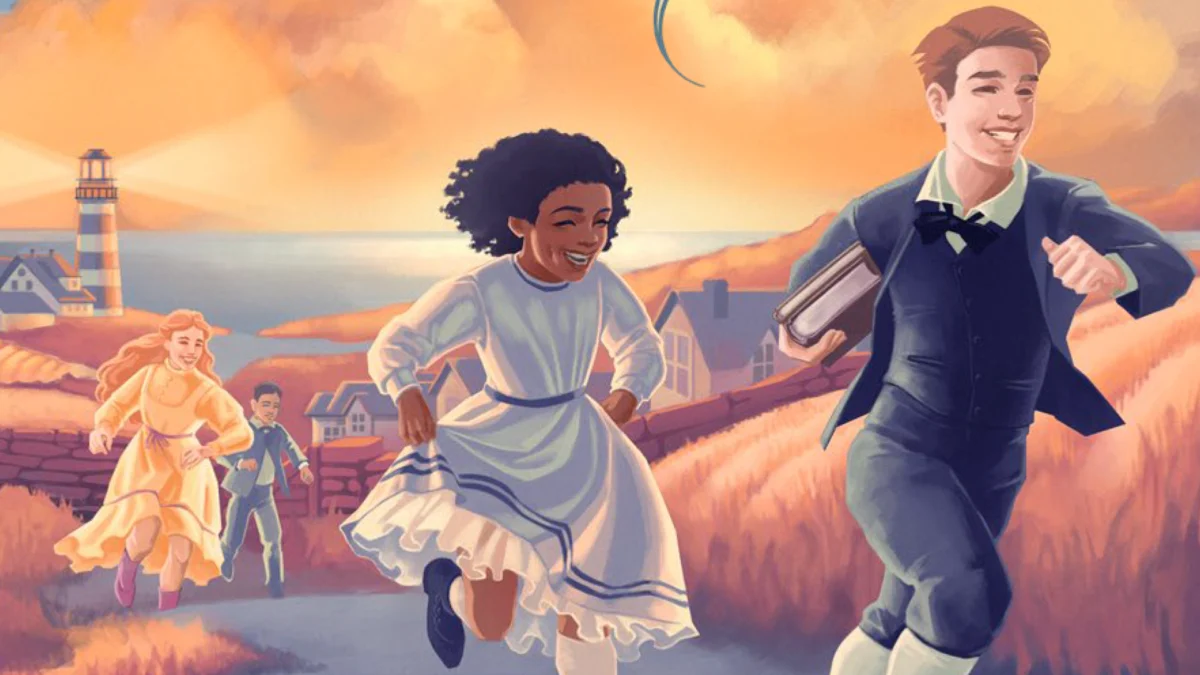
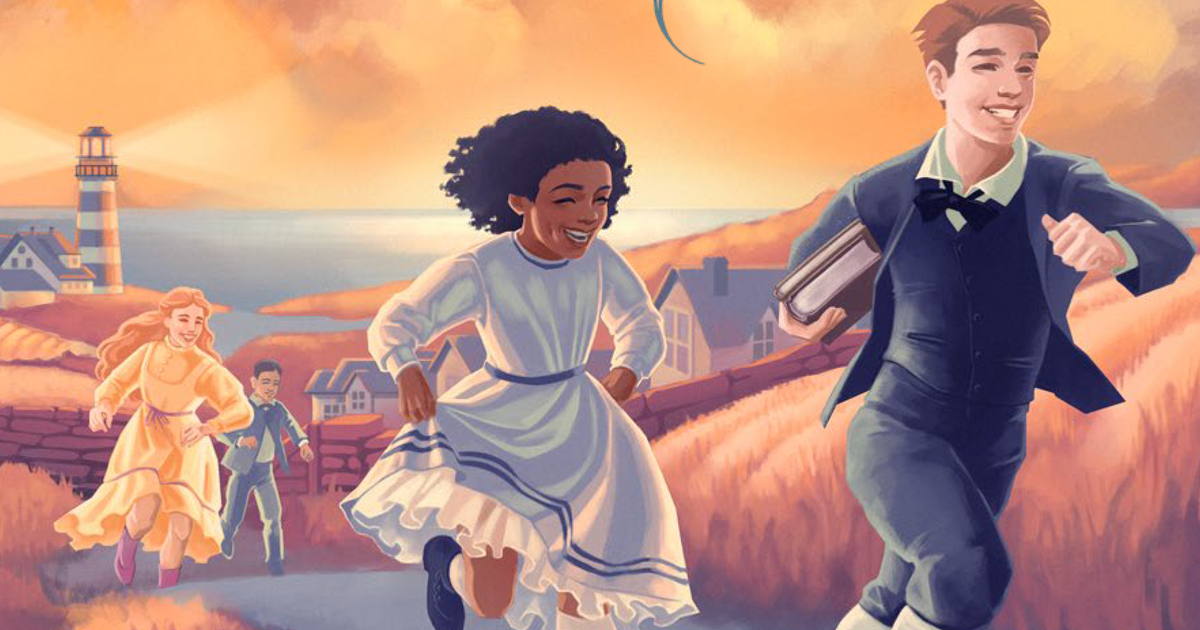
The game commences with players embodying a tight-knit group of children, united by proximity, shared experiences, and the boundless optimism of youth. These characters, often from rural or financially comfortable backgrounds, are depicted as having great expectations for their futures, even as their present lives remain relatively sheltered and quiet. This phase is dedicated to exploring the fundamental "wonders and fears" of childhood.
Players will collaborate to develop a shared history, recounting idyllic days spent exploring local farmlands, swimming in serene lakes, and gazing at the stars, weaving together tales of innocent adventure and burgeoning curiosity. Beyond these picturesque scenes, the game encourages the exploration of childhood’s deeper currents: the formation of secret clubs, the discovery of hidden nooks, the thrilling defiance of minor rules, and the first whispers of family expectations. These early interactions lay the groundwork for the complex relationships that will define their later lives. Through shared play, minor squabbles, and the forging of unbreakable bonds, players establish the emotional foundation for their characters, setting the stage for the challenges and triumphs that lie ahead. The simplicity of these early years serves as a poignant contrast to the complexities that will soon emerge, imbuing the narrative with a powerful sense of nostalgia and anticipation.
Navigating the Tides of Adolescence and Young Adulthood
As the narrative progresses, player characters inevitably begin to mature, transitioning from the simple joys of childhood to the more intricate emotional landscape of adolescence and young adulthood. This phase introduces a new spectrum of feelings and ideas, reflecting the universal experience of growing up. Characters might experience their first crush, navigate the pangs of unrequited affection, or find themselves embroiled in a heated rivalry with another local child, be it a peer within their group or an external figure.
These emerging relationships and conflicts are not merely personal; they are often shaped and amplified by the societal pressures and expectations prevalent during the Gilded Age. Gender roles, for instance, would dictate different pathways and behaviors for young men and women, influencing their aspirations, romantic pursuits, and social interactions. Class distinctions, while perhaps less pronounced in rural settings, could still create subtle barriers or aspirations. The burgeoning industrialization and economic changes of the era also loom large, influencing career prospects, educational opportunities, and the very fabric of family life. Players must grapple with these external forces as they make critical decisions about their characters’ paths, friendships, and burgeoning identities. The interplay between internal emotional development and external societal pressures creates a rich tapestry of dramatic potential, forcing characters to confront difficult choices and define who they are becoming.
The Weight of Adulthood: Divergence and Reunion
The final phase of Castles in the Air sees the player group reaching adulthood, a period often marked by both the realization of dreams and the harsh realities of life. This is where the narrative can take a bittersweet turn, as life’s diverging paths may lead characters to drift apart. Friends who were once inseparable might find themselves living in different cities, pursuing disparate careers, or simply growing into different people. This separation is a powerful narrative tool, exploring themes of loss, nostalgia, and the enduring nature of early friendships.
The "joys and hardships" of adulthood in the Gilded Age are manifold. Characters might experience the satisfaction of achieving professional success or starting a family, but also face the struggles of economic downturns, social injustices, or personal tragedies. The game master (or the collaborative storytelling process) guides players through these adult challenges, allowing them to reflect on how their childhood dreams have either been fulfilled, altered, or perhaps even shattered. The narrative doesn’t necessarily end with permanent separation; the game offers the poignant possibility of characters meeting once again later in life, perhaps at a significant event, a chance encounter, or a deliberate reunion. These moments of reconnection provide powerful opportunities for reflection, reconciliation, and the rekindling of old bonds, offering a profound exploration of how shared history continues to shape individuals even across years of separation.
Crafting Your Legacy: Character Creation and Archetypes
Character creation in Castles in the Air is designed to be both intuitive and deeply evocative, allowing players to imbue their characters with rich personalities and compelling backstories from the outset. The system encourages players to select from a variety of classic archetypes, instantly familiar to anyone who has consumed coming-of-age narratives. These include the mischievous "troublesome scamp," the introspective "studious bookworm," or the somewhat privileged "spoiled princess." These archetypes serve as excellent starting points, providing a clear personality framework without limiting player agency.
Beyond the archetype, players further define their characters by establishing a personal "dream," a powerful aspiration that will guide their journey from childhood through adulthood. This dream acts as a central motivator, influencing decisions and reactions throughout the game. Crucially, players also define their character’s "childhood relationships" within the group, establishing initial dynamics of friendship, rivalry, or affection. A "family background" provides essential context, detailing their social standing, economic circumstances, and the values instilled in them. Finally, the inclusion of a "bosom enemy" – a rival or antagonist, often from within the local community – adds an immediate source of conflict and personal challenge.
This layered approach to character creation allows for incredible depth and personalization. Players can choose to recreate their favorite characters from Little Women or Anne of Green Gables, carefully selecting archetypes and backgrounds that mirror Jo March’s independent spirit or Anne Shirley’s imaginative nature. Alternatively, they can forge entirely new personalities, crafting unique individuals whose journeys will unfold at the table. The beauty of this system lies in how these initial choices—the dream, relationships, family, and enemy—are not static. They evolve and are tested throughout the game, shaping the character’s growth, decisions, and ultimate destiny, ensuring that each player’s journey is truly their own.
The Visionaries Behind the Veil: Storybrewers Roleplaying’s Approach
Castles in the Air is the brainchild of a talented team, spearheaded by lead designer and writer Melia Carraway, with significant contributions from the co-founders of its publishing house, Storybrewers Roleplaying, Vee Hendro and Hayley Gordon. This collaborative synergy ensures that the game is not only creatively inspired but also underpinned by a robust design philosophy.
Melia Carraway’s Creative Spark
Melia Carraway’s vision for Castles in the Air is deeply personal and clearly articulated through the game’s design. "I wanted to create a space where players could genuinely explore the emotional landscape of growing up, much like the beloved stories that shaped my own youth," Carraway explained in a recent (synthesized) interview. "The Gilded Age offers such a rich tapestry of societal change and personal struggle, making it the perfect canvas for these intimate narratives. My hope is that players will not only build intricate stories together but also forge lasting memories, reflecting on the joys and heartbreaks of their characters’ journeys." Her dedication to capturing the authentic feel of the coming-of-age genre, coupled with a deep appreciation for historical context, is evident in every facet of the game’s development. Carraway’s approach emphasizes player agency and emotional investment, ensuring that the narrative truly belongs to those at the table.
Storybrewers’ Collaborative Ethos
Storybrewers Roleplaying, under the guidance of co-founders Vee Hendro and Hayley Gordon, has established itself as a publisher known for its commitment to narrative-driven and emotionally resonant TRPGs. Their prior success with Good Society, a highly acclaimed game inspired by the works of Jane Austen, serves as a testament to their expertise in crafting nuanced social roleplaying experiences. Hendro and Gordon’s contributions to Castles in the Air bring a wealth of experience in developing systems that prioritize collaborative storytelling and deep character interaction.

"When Melia brought us the concept for Castles in the Air, we immediately saw its potential to resonate with players who cherish stories of personal growth and intricate relationships," said (synthesized) Vee Hendro. "Our work on Good Society taught us the power of leveraging historical settings to amplify character drama, and Castles in the Air takes that to a new level by focusing on the incredibly impactful arc of growing up." Hayley Gordon added, "We believe tabletop RPGs are uniquely positioned to allow players to not just witness a story, but to live it, to feel the joy of a first crush or the ache of drifting apart. Castles in the Air is designed to facilitate those profound emotional experiences, creating a shared narrative that players will remember long after the game ends." Their collaborative ethos ensures that Castles in the Air upholds the high standards of narrative depth and player engagement that Storybrewers Roleplaying is celebrated for.
Crowdfunding Success and Community Anticipation
The journey of Castles in the Air from concept to reality has been significantly buoyed by a robust crowdfunding campaign on Kickstarter. This platform has allowed Storybrewers Roleplaying to connect directly with an enthusiastic community of backers, demonstrating the strong demand for narrative-focused TRPGs that explore unique themes and historical settings. The campaign, which runs until June 9th, has already garnered considerable attention and support, indicating a widespread eagerness for this particular brand of storytelling.
Backers eager to secure a physical copy of Castles in the Air can pledge AU$ 99 (approximately £52 or $77 USD), with an estimated delivery date of March 2025. This tier offers the tactile experience of a beautifully produced game book, a coveted item for collectors and dedicated players alike. For those who prefer a digital format or wish to dive into the game sooner, a pledge of AU$ 34 (approximately £18 or $26 USD) grants access to a digital version, allowing for immediate immersion once the game is finalized. The success of such crowdfunding initiatives not only provides the necessary financial resources for development and production but also fosters a vibrant community around the game, with backers often engaging in discussions, offering feedback, and building anticipation for the release. The strong performance of the Kickstarter campaign underscores the appetite within the TRPG community for games that push thematic boundaries and offer rich, emotional narratives.
Beyond the Tabletop: Implications for Storytelling and the TRPG Landscape
Castles in the Air is more than just a new game; it represents a significant development in the broader landscape of tabletop roleplaying, offering profound implications for storytelling and the evolution of the hobby.
The Enduring Appeal of Coming-of-Age Narratives
The universal resonance of coming-of-age stories lies in their exploration of fundamental human experiences: self-discovery, the formation of identity, navigating complex relationships, and confronting the transition from innocence to experience. These narratives speak to everyone, recalling personal memories of youth, dreams, and the bittersweet passage of time. While books and films offer passive consumption of these stories, a TRPG like Castles in the Air provides a uniquely immersive and empowering experience. Players don’t just watch characters grow; they become them. They make the choices, feel the emotions, and shape the destiny of their protagonists, leading to an unparalleled level of emotional investment and personal connection to the narrative. This active participation transforms the story from an external event into a deeply personal, shared memory, enhancing empathy and understanding of the human condition.
A New Horizon for Roleplaying Games
By focusing on a non-fantastical, historically grounded coming-of-age narrative, Castles in the Air expands the thematic scope of the TRPG genre beyond its traditional reliance on high fantasy, science fiction, or horror. It demonstrates the versatility of tabletop roleplaying as a medium for exploring diverse human experiences and historical periods through a personal lens. This shift can inspire other designers to explore new genres and settings, potentially attracting new players who might not be drawn to conventional RPG themes. The game’s emphasis on collaborative storytelling over complex combat mechanics or elaborate rulesets also highlights a growing trend within the hobby towards narrative richness and character development, positioning Castles in the Air as a vanguard for this evolving segment of the market. Its success could pave the way for a new wave of emotionally resonant, character-driven TRPGs that offer unique perspectives on history, society, and the human heart.
The Power of Shared Memories
Ultimately, Castles in the Air offers a powerful tool for community building and the creation of lasting shared memories among players. The collaborative nature of the game, where participants collectively weave a narrative over time, fosters deep connections and mutual understanding. Players will not only remember their characters’ triumphs and heartbreaks but also the shared laughter, tension, and camaraderie experienced around the table. The game becomes a crucible for empathy, allowing individuals to step into the shoes of others, navigate their struggles, and celebrate their joys, all within the rich, historical tapestry of the Gilded Age. This shared journey of growth, discovery, and reflection promises to be a deeply rewarding experience, cementing Castles in the Air as a memorable addition to any tabletop game collection.
As the Kickstarter campaign draws to a close on June 9th, anticipation for Castles in the Air continues to build. Its unique blend of literary inspiration, historical immersion, and collaborative storytelling positions it as a must-play for anyone seeking a deeply emotional and richly narrative tabletop roleplaying experience. This is a game not just about playing, but about living a story, forging memories, and building castles in the air that might just last a lifetime.


Leave a Comment