
Freak War: A Quirky Card Game Mutating the Party Genre with Pokémon-Inspired Chaos
Main Facts
In a landscape often dominated by complex rulebooks and intricate deck-building, a new challenger emerges from the vibrant world of independent game design: Freak War. This innovative party-game Trading Card Game (TCG) promises to fuse the beloved monster-evolving mechanics of Pokémon with the unpredictable, fast-paced chaos of Exploding Kittens, all while retaining the fundamental accessibility of a classic card game like War. Conceived by cartoonist Nate Galbraith, known online as "sketchnate," Freak War aims to democratize the TCG experience, offering engaging battles without the usual steep learning curve or the often-daunting commitment to custom deck construction.
The game has swiftly captured the imagination of the tabletop community, evidenced by its resounding success on Kickstarter. Launched with a modest crowdfunding goal of $10,000, the campaign quickly surpassed its target, demonstrating a significant appetite for fresh, approachable card game experiences. This early validation underscores the appeal of its unique blend of familiar mechanics and quirky, original content. Backers eagerly anticipate receiving their copies, with an estimated delivery slated for June of next year, perfectly timed for summer gatherings and holiday fun. Freak War is poised to become a staple for friends and families seeking lighthearted competition and memorable moments.
Chronology
Conception & Inspiration
The genesis of Freak War is a tale rooted in the simple observation of play. Nate Galbraith, a cartoonist with a keen eye for engaging visuals and narrative, witnessed a familiar scene unfold: children attempting to engage in Pokémon battles using a standard deck of Uno cards. This impromptu, yet earnest, attempt at monster combat sparked an idea. Recognizing the desire for creature-based duels but also the limitations of their chosen tools, Galbraith suggested they instead try the traditional playing card game War, a game renowned for its straightforward mechanics. The ensuing hybrid experience, combining the direct comparison of War with the thematic appeal of fantastical creatures, became the foundational blueprint for Freak War. Galbraith’s artistic touch then transformed this concept into a tangible reality, populating the cards with his distinctive collection of strange and humorous monsters. This pivotal moment laid the groundwork for a game that would blend simplicity with imaginative depth.
Development Process
Following its initial spark, Freak War entered a rigorous development phase, meticulously crafted to ensure both its core accessibility and its capacity for surprising strategic depth. Galbraith, leveraging his background as "sketchnate," embarked on designing the game’s distinctive creatures, each imbued with a unique personality and backstory. The process involved a delicate balance: integrating the immediate gratification of a simple "higher card wins" mechanic with the strategic layers inspired by Pokémon‘s evolution system and Exploding Kittens‘ disruptive event cards. Early prototypes likely focused on refining the combat system, ensuring that the simultaneous play felt intuitive and exciting. The introduction of different game modes—the chaotic "War" and the more strategic "Battle"—suggests an iterative design process aimed at catering to various player preferences. Furthermore, the inclusion of optional custom deck-building speaks to a designer who understands the desires of more dedicated TCG enthusiasts, even while prioritizing ease of entry for newcomers. The integration of a compelling, albeit whimsical, lore around the creatures (mutated by a second sun) added another layer of immersion and charm, elevating the game beyond a mere collection of mechanics.
Crowdfunding Launch
The journey from concept to consumer officially began with the launch of Freak War‘s Kickstarter campaign. While the precise launch date isn’t explicitly stated, the campaign’s end date of June 13th indicates a carefully planned window for public engagement and funding. The decision to pursue crowdfunding was strategic, allowing Galbraith and his team (presumably Sheltonshire Games) to gauge public interest directly and secure the necessary capital for production without relying on traditional publishing routes. Setting a "modest crowdfunding goal of $10,000" was a pragmatic move, designed to be achievable while still validating the market’s demand. The swift and decisive success of the campaign, quickly surpassing this initial target, served as a powerful testament to the game’s appeal and the effectiveness of its marketing. This early triumph not only secured funding but also generated significant buzz within the tabletop gaming community, solidifying Freak War‘s position as an eagerly anticipated title.
Future Milestones
With the Kickstarter campaign successfully funded, Freak War transitioned from development to production. The next critical milestone is the manufacturing and distribution phase, leading up to the eagerly awaited delivery to backers. The estimated arrival date of "next June" suggests a carefully planned production schedule, allowing ample time for printing, assembly, and logistics. This timeline is crucial for managing expectations and ensuring a high-quality final product. For Sheltonshire Games, this period will involve close coordination with manufacturers and fulfillment partners to ensure that thousands of decks reach their respective owners across the globe. Beyond the initial backer fulfillment, the success of the campaign also opens doors for broader retail distribution, potentially bringing Freak War to a wider audience through game stores and online retailers. Each of these milestones represents a step forward in establishing Freak War as a recognized and beloved entry in the party game and TCG genres.
Supporting Data
Gameplay Mechanics in Detail
Freak War differentiates itself by streamlining the often-intimidating mechanics of traditional TCGs into an accessible party game format, while still offering layers for those seeking more depth.
- Player Count and Setup: Designed for immediate fun, Freak War accommodates up to four players, with the potential for even larger groups. The setup couldn’t be simpler: the entire deck is shuffled, then evenly split among all participants. This eliminates the need for complex pre-game rituals or specific card knowledge, allowing players to jump straight into the action.
- Core Loop of Battle: The heart of Freak War lies in its simultaneous card play. In each round, every player chooses and plays a creature card face down (or flips one from their deck, depending on the mode). Once all cards are revealed, the creature with the highest attack level wins the round. This direct comparison system is instantly understandable, echoing the simplicity of the classic War card game.
- Dynamic Effects and Modifiers: Where Freak War truly shines is in its integration of dynamic effects, reminiscent of Exploding Kittens. Beyond raw attack power, many cards introduce unique abilities that can drastically alter the flow of a round. These can range from evolving creatures into more powerful forms—a clear nod to Pokémon‘s iconic mechanic—to equipping modifiers that either boost the player’s own creature’s strength or strategically reduce an opponent’s. This layer of interaction ensures that no two rounds feel identical, fostering unpredictable and often hilarious outcomes.
- Evolution and Strategic Depth: The evolution mechanic is a central pillar, allowing weaker creatures to transform into stronger variants under specific conditions, adding a strategic element to card play. Players must decide when to hold onto a creature for a potential evolution or play it immediately for its current strength. Modifier cards, such as a "Super Sword" or "Super Duper Sword," provide temporary or permanent stat boosts, while others allow for disruptive actions like swapping cards with rivals, cancelling an opponent’s modifier, or even flipping coins for a chance at a power surge. These tactical choices, while simple to execute, offer surprising depth for a party game.
- Game Modes: War vs. Battle: To cater to different playstyles, Freak War offers distinct modes. The "War" mode embraces pure chaos, with players simply flipping the top card of their personal deck, removing any element of choice and relying purely on luck and the game’s inherent card effects. In contrast, the "Battle" mode introduces strategic decision-making, allowing players to choose specific cards from their hand. This flexibility ensures that the game can be tailored to the group’s preference, from casual, laugh-out-loud randomness to more thoughtful, competitive play.
- Advanced Rules and Customization: For groups seeking even more variety, Freak War includes optional rules such as "King of the Hill" and team-based play, further expanding its replayability. Crucially, while not required, the option to build custom decks is available for players who wish to dive deeper into TCG-style personalization, offering a bridge for those familiar with more traditional collectible card games.
- Resolving Draws and Winning Condition: In the event of a tie in attack level, players engage in a classic "War" showdown: they each discard a card face down before playing another creature to determine the winner of that specific battle. The ultimate goal is to accumulate all the cards from every opponent into one’s "win pile." These collected cards are then reshuffled back into the winner’s deck, ensuring a dynamic ebb and flow of resources. The player who successfully claims every card from their opponents is declared the champion of Freak War.
Card Types & Lore
The visual and thematic core of Freak War lies in its utterly unique and delightfully bizarre creature designs, all brought to life by Nate Galbraith’s distinctive artistic style.
- The World of Mutated Creatures: The game’s lore posits a fantastical event: the emergence of a second sun. This celestial anomaly has triggered widespread mutations among Earth’s fauna, transforming familiar animals into the "freaks" that populate the cards. This narrative device provides a whimsical explanation for the game’s eccentric cast. Players will encounter creatures that are both recognizable and utterly alien, fostering a sense of playful discovery with each new card.
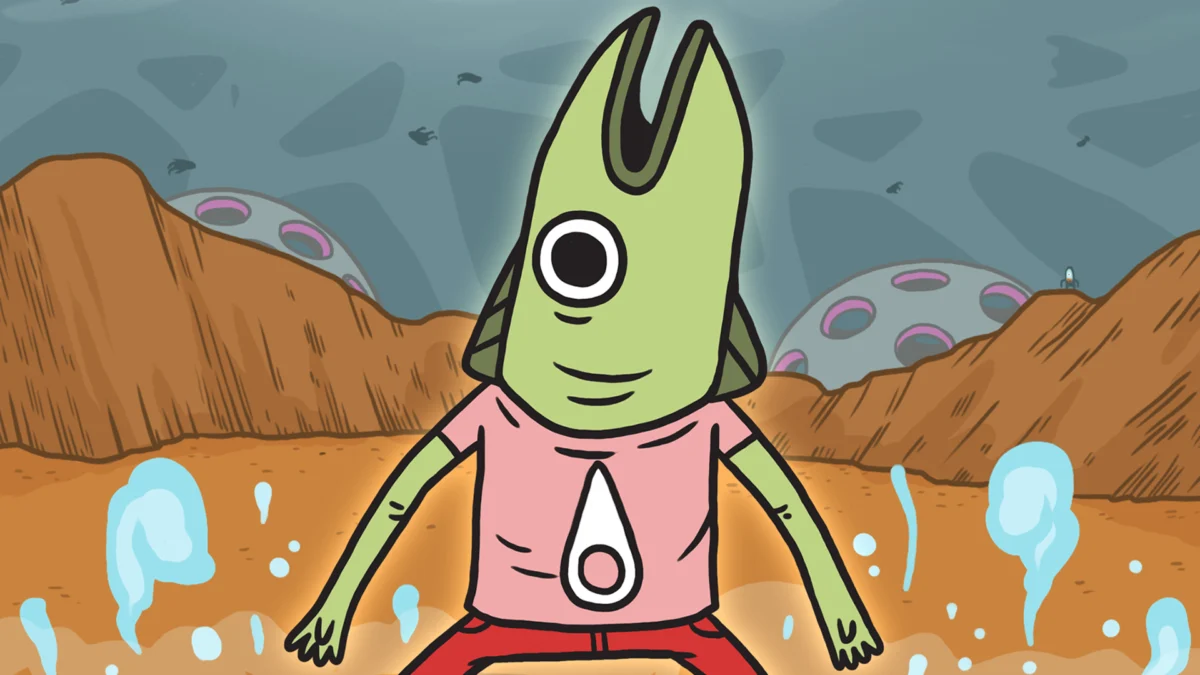
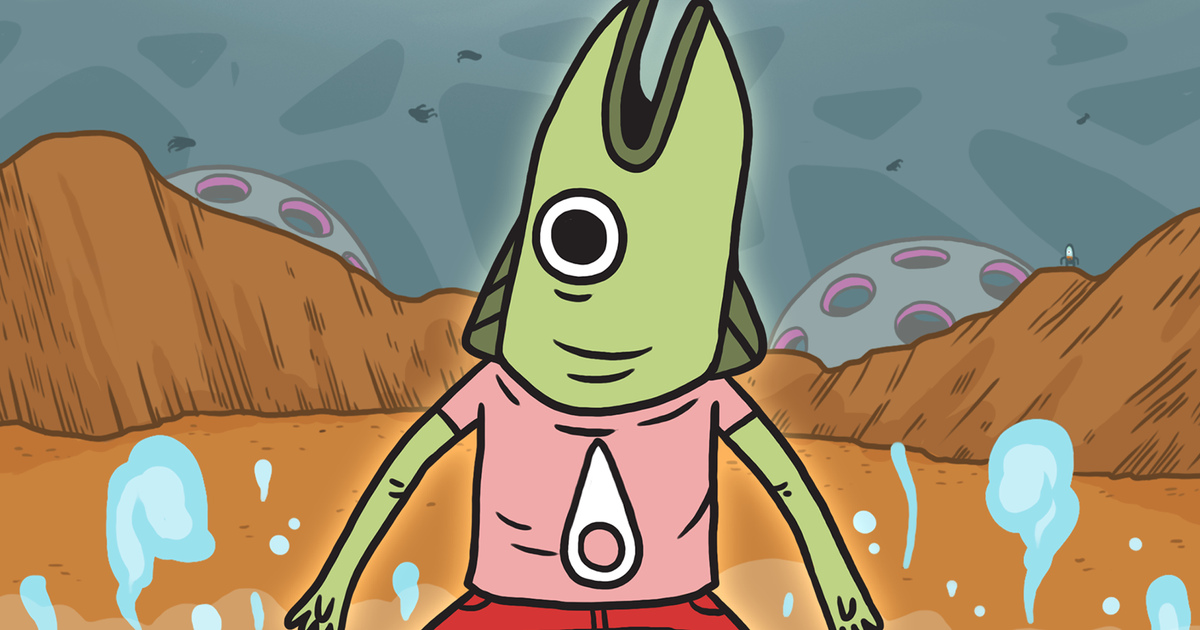
- A Gallery of Goofiness: The creature roster is a testament to Galbraith’s imaginative prowess. Examples include "muscly fishpeople" – a surprising evolution of aquatic life, a "time-travelling tiger" hinting at temporal shenanigans, and a "partying platypus" that embodies pure, unadulterated fun. Other notable mentions include a "dog with a goldfish bowl for a head," a "sad bee" that evokes unexpected pathos, and the enigmatic "Man Cat," which appears to be exactly what it sounds like: a human dressed in a cat costume, blurring the lines between creature and cosplay. This rich tapestry of characters, each with its own quirky visual and implied personality, is a significant draw for players.
- Nods to Pokémon Evolutions: The creator playfully acknowledges the "nonsense of modern Pokémon evolutions," embracing a similar spirit of unexpected and often humorous transformations within Freak War. This connection resonates with players familiar with the ever-expanding and sometimes outlandish creature designs in the Pokémon universe, creating a shared sense of appreciation for creative freedom.
- Impactful Modifier Cards: Beyond the creatures, modifier cards introduce crucial strategic and chaotic elements. These range from straightforward power-ups like the "Super Sword" and its more potent counterpart, the "Super Duper Sword," to more disruptive actions. Players can utilize modifiers to swap cards with rivals, cancel an opponent’s active modifier, or even engage in coin flips for a chance at a temporary power boost. These cards ensure that gameplay remains dynamic and unpredictable, often leading to dramatic swings of fortune.
- Playfully Meta Gameplay: Freak War isn’t afraid to break the fourth wall with its humor. Some creature effects are delightfully meta, engaging directly with the game’s setting and even the players’ environment. A prime example is the "scrap-loving Fly Guy," which gains additional power if there’s "uneaten food near the players." This self-aware humor is a hallmark of successful party games, creating shared laughter and memorable anecdotes that extend beyond the card table.
Market Context & Appeal
Freak War enters a crowded, yet opportunity-rich, market for tabletop games, particularly within the party game and TCG segments. Its unique selling proposition is its ability to bridge these two often disparate genres.
- Addressing Party Game Saturation: The party game genre, while popular, often suffers from saturation, with many titles falling into repetitive tropes or relying on shock value (e.g., numerous Cards Against Humanity clones). Freak War offers a refreshing alternative, prioritizing imaginative content, accessible mechanics, and genuine humor over controversy. Its "goofy creations" and "playfully meta" elements provide a much-needed breath of fresh air.
- Demystifying TCGs: Traditional TCGs like Magic: The Gathering or Pokémon TCG are celebrated for their strategic depth but are also notorious for their high barrier to entry—complex rules, extensive card pools, and the necessity of building optimized decks. Freak War directly addresses this by offering the "fun battles of trading card games without the effort of learning lots of rules or building a deck." This low barrier to entry makes it an ideal gateway TCG for newcomers or those intimidated by the genre’s complexity.
- Broad Target Audience: The game’s design caters to a wide demographic. Its simple core rules make it perfect for "younger players" and families, while the strategic nuances and chaotic elements appeal to "friends and family" seeking lighthearted fun. Experienced gamers will appreciate its clever blend of mechanics and its potential for varied gameplay through different modes and optional rules.
- Art Style and Tone as a Key Feature: Galbraith’s distinctive cartoonist style is not just an aesthetic choice; it’s integral to the game’s identity. The "goofy creations" and "knowingly silly" tone are central to its appeal, fostering an environment of lighthearted fun rather than intense competition. The explicit inspiration from Pokémon card layouts further solidifies its connection to beloved pop culture, making it instantly recognizable and appealing to fans of monster-collecting games.
- Value Proposition and Expandability: Priced at an accessible "$20 a deck," Freak War offers excellent value for a self-contained game. The mention of "a bunch of different packs filled with dozens more creatures" hints at future expandability, promising continued engagement and new content. This model allows players to incrementally grow their collection and explore new creatures without the overwhelming initial investment often associated with traditional TCGs.
Official Responses
Creator’s Vision
Nate Galbraith, the creative force behind Freak War and known in the online art community as "sketchnate," has articulated a clear vision for his game. His inspiration, stemming from the observation of children improvising Pokémon battles, highlights a desire to tap into the fundamental joy of creature combat without the inherent complexities of established TCGs. Galbraith’s background as a cartoonist is undeniably central to Freak War‘s identity. He explicitly aims to combine familiar, accessible mechanics—like the simple comparison of War—with fresh, original, and above all, humorous content.
The game’s distinctive art style, characterized by its "weird and wonderful creatures," is a direct manifestation of his artistic sensibility. Galbraith’s philosophy seems to revolve around creating an experience that is both genuinely fun and slightly absurd, a "knowingly silly" game that doesn’t take itself too seriously. This commitment to lightheartedness and approachability is paramount, ensuring that Freak War is a game for everyone, from seasoned card game veterans to casual players and young children. His desire to provide "the fun battles of trading card games without the effort of learning lots of rules or building a deck" speaks volumes about his intent to lower the barrier to entry for a genre often perceived as exclusive.
Sheltonshire Games
While Nate Galbraith is the creative visionary, "Sheltonshire Games" appears as the credited publisher for Freak War, particularly in the image credits, suggesting their role in bringing Galbraith’s artistic and mechanical concepts to market. Their involvement indicates a strategic partnership aimed at transforming a passionate individual’s project into a professionally produced and distributed game. Sheltonshire Games’ role would encompass crucial aspects such as manufacturing, logistics, marketing, and managing the Kickstarter campaign.
Their decision to back Freak War suggests an understanding of the current tabletop market and a belief in the game’s unique appeal. By supporting a game that prioritizes accessibility and humor, Sheltonshire Games aligns itself with a growing segment of players looking for refreshing, less intimidating experiences. The successful execution of the Kickstarter campaign under their apparent guidance further validates their strategic approach and operational capabilities. While specific official statements from Sheltonshire Games are not provided in the original text, their actions in facilitating the game’s journey from concept to crowdfunding success speak to their commitment to Galbraith’s vision and their ability to navigate the complexities of game publishing.
Crowdfunding Campaign Update
The Kickstarter campaign for Freak War serves as a resounding "official response" from the gaming community itself, unequivocally validating the game’s concept and execution. The campaign’s rapid and significant overfunding, quickly surpassing its "fairly modest crowdfunding goal of $10,000," is a powerful indicator of market demand. This success is not merely a financial achievement; it is a profound vote of confidence from hundreds, if not thousands, of backers who believe in Freak War‘s promise.

The continued momentum of the campaign, which will run until June 13th, suggests that the final funding total will be substantially higher than the initial goal. This additional capital provides Sheltonshire Games and Nate Galbraith with greater resources, potentially allowing for enhanced production quality, stretch goals that add more content to the game, or even smoother distribution processes. The overwhelming support demonstrates that the game’s blend of Pokémon-inspired evolution, Exploding Kittens-like chaos, and the simplicity of War has struck a chord with a wide audience eager for innovative, accessible card games. The crowdfunding success acts as a powerful seal of approval, transforming Freak War from an intriguing concept into a highly anticipated reality.
Implications
Impact on Party Game Genre
Freak War‘s unique blend of TCG mechanics within a party game framework could have a significant impact on the party game genre. Historically, party games have often prioritized simplicity and social interaction, sometimes at the expense of strategic depth or thematic richness. Freak War, with its evolving creatures, modifier cards, and distinct play modes, demonstrates that a party game can offer both immediate accessibility and surprising strategic layers. This approach challenges the notion that party games must be overly simplistic or reliant on crude humor. By delivering a "goofy" yet mechanically engaging experience, Freak War could inspire other designers to explore more sophisticated, yet still approachable, hybrids, pushing the boundaries of what a party game can be. It carves out a niche for games that are easy to learn but offer enough variability to remain fresh over many play sessions.
Accessibility in TCGs
One of Freak War‘s most profound implications lies in its potential to redefine accessibility within the TCG landscape. For years, the TCG genre has been characterized by its steep learning curves, vast card pools, and the significant time and financial investment required for competitive play and deck construction. Freak War directly confronts this barrier by explicitly stating, "You don’t even need to build a deck." This "no deck-building required" philosophy, coupled with its straightforward "highest attack wins" mechanic, offers a welcoming entry point for individuals who have always been curious about TCGs but intimidated by their complexity. It proves that the core enjoyment of creature battles, strategic card play, and evolving monsters can be delivered in a format that is instantly playable. This could introduce a new generation of players to the joys of TCGs, potentially leading them to explore more complex titles down the line, or simply establishing a new category of "casual TCGs" that prioritize fun over competitive rigor.
Future Potential
The successful Kickstarter campaign and the game’s inherent design suggest considerable future potential for Freak War. The mention of "a bunch of different packs filled with dozens more creatures" hints at a clear path for expansions. This modular approach allows the game to grow and evolve, much like its in-game creatures, without requiring players to buy an entirely new base set. New packs could introduce not only additional creatures with unique abilities but also new modifier cards, game modes, or even lore elements that further enrich the Freak War universe. The game’s flexible rules, allowing for King of the Hill and team play, also provide a strong foundation for community-driven content or official variants. The longevity of Freak War will largely depend on the continued creativity of Nate Galbraith and the strategic support of Sheltonshire Games in delivering fresh, engaging content that maintains the game’s core appeal.
Wider Appeal and Cultural Significance
Freak War‘s design, with its explicit nods to Pokémon and Exploding Kittens, positions it for broad appeal. It taps into the nostalgia of Pokémon fans who grew up with creature-collecting and battling, while simultaneously attracting players drawn to the quick, chaotic fun of modern party games. Its "goofy creations" and "knowingly silly" tone align with a contemporary cultural trend towards lighthearted, self-aware entertainment. In a world often seeking escapism and easy-to-digest content, Freak War offers a perfect blend of engaging gameplay and whimsical charm. Its success could also signify a broader shift in board game design, moving towards greater inclusivity and a focus on social, memorable experiences rather than strictly competitive ones.
Economic Impact
The overwhelming success on Kickstarter for Freak War has significant economic implications for both Nate Galbraith and Sheltonshire Games. Surpassing the initial funding goal provides not just the capital for production but also a robust marketing platform and a loyal customer base even before launch. This financial injection can fund higher quality components, wider distribution channels, and potentially even allow for further product development beyond the initial release. For Sheltonshire Games, a successful launch of Freak War could elevate its standing within the tabletop industry, establishing it as a publisher capable of identifying and nurturing innovative projects. For Galbraith, it solidifies his position as a game designer and artist, potentially opening doors for future creative endeavors and collaborations. This crowdfunding triumph demonstrates the power of direct-to-consumer models in bringing unique visions to life within the independent gaming sector.


Leave a Comment