
Tiny Hero, Titanic Foes: A Deep Dive into the Pinball-RPG Hybrid ‘Beast Breaker’
The landscape of independent gaming has long been a crucible for genre-bending experimentation. From deck-building roguelikes to rhythmic dungeon crawlers, indie developers have a penchant for taking disparate mechanics and weaving them into a cohesive, often addictive, whole. One of the most recent and striking examples of this creative alchemy is Beast Breaker, a turn-based RPG that eschews traditional menu-driven combat in favor of a physics-based, pinball-inspired tactical system.
Developed by Vodeo Games, Beast Breaker presents a world where the scale of conflict is as literal as it is metaphorical. It is a title that challenges the player’s spatial reasoning as much as their strategic foresight, all while wrapping the experience in a charming, narrative-driven shell.
Main Facts: A New Perspective on Turn-Based Combat
At its core, Beast Breaker is an RPG that prioritizes precision and positioning. While many role-playing games rely on statistics and elemental weaknesses, this title introduces a kinetic layer that feels closer to Peggle or Monster Hunter than Final Fantasy. The player assumes the role of a small mouse named Skipper, a diminutive protagonist who must defend his village from "Great Beasts"—massive, mosaic-like monsters that tower over the environment.
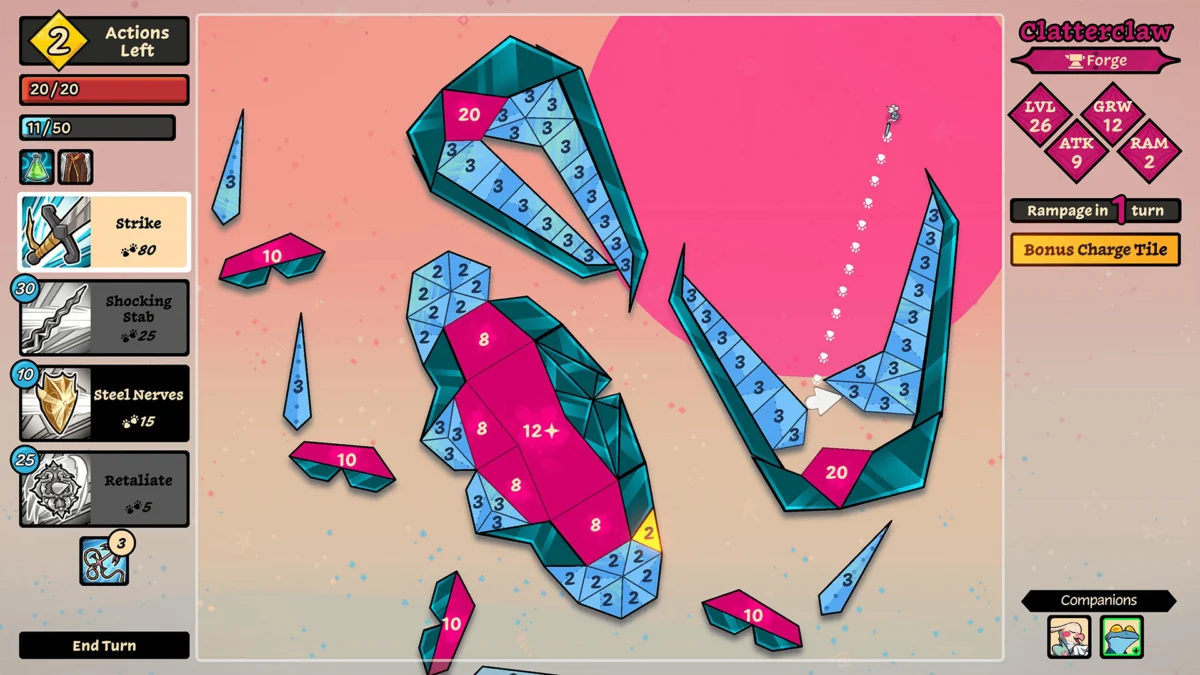
The game’s primary hook is its "Pinball RPG" mechanic. Instead of selecting "Attack" from a list, players must aim Skipper and launch him toward the enemy. The physics engine determines how Skipper bounces off the monster’s various body parts, creating a chaotic yet controllable flurry of strikes. This system is designed to be accessible to those who traditionally shy away from high-octane action games, offering the thrill of impact without the requirement of frame-perfect reflexes.
Currently available on Steam, Beast Breaker has begun to garner attention for its unique blend of "cozy" aesthetics and rigorous tactical depth. The game’s presence at major industry events, such as Dreamhack Birmingham, has highlighted its ability to captivate audiences who are looking for something that breaks the mold of the standard turn-based formula.
Chronology: From Humble Beginnings to the Dreamhack Floor
The journey of Beast Breaker begins not with a grand call to adventure, but in the quiet, domestic setting of a grandmother’s house. This narrative choice serves as a grounding element, establishing a sense of "smallness" that defines the player’s perspective throughout the game. Skipper is not a legendary warrior; he is a small creature in a big, dangerous world.
The transition from this domestic tranquility to the battlefield is swift. As giant monsters—composed of intricate, interlocking pieces—begin to terrorize the local villages, Skipper is drawn into the fray. This progression mirrors the player’s own learning curve. The initial encounters serve as a tutorial for the physics system, teaching the player how to read trajectories and predict bounces.
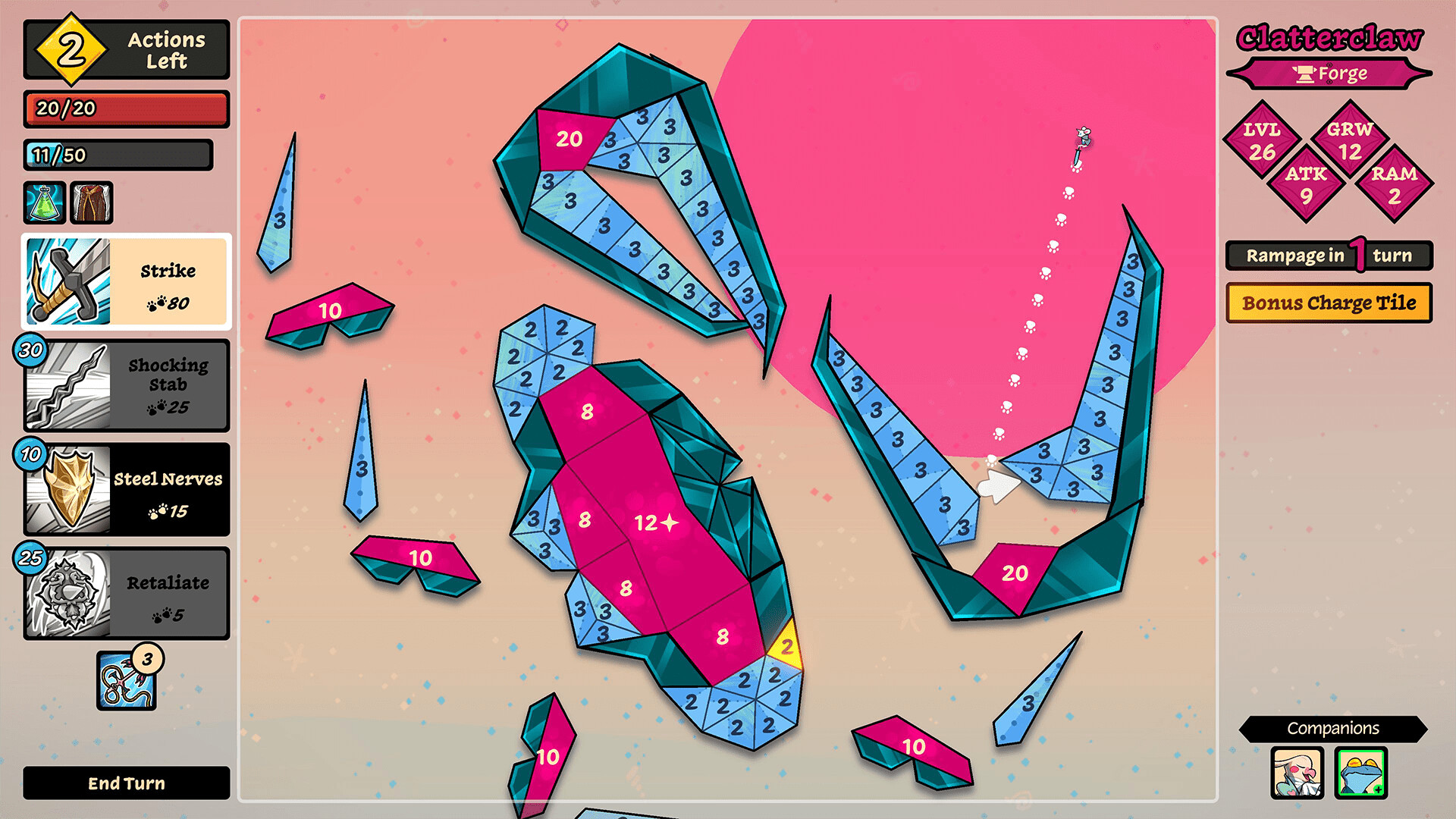
The game gained significant traction during its showcase at Dreamhack, where journalists and players alike found themselves lost in its "just one more turn" gameplay loop. As noted by industry veteran Jupiter Hadley, the game’s unique approach to combat was a standout feature at the event. The ability to sit down and immediately understand the tactile joy of flinging a mouse at a giant beast, while slowly realizing the complex layers of strategy beneath, proved to be a winning combination. This chronological evolution—from a niche indie concept to a celebrated event highlight—underscores the game’s growing influence in the indie RPG space.
Supporting Data: The Mechanics of Destruction
To understand why Beast Breaker works, one must look at the granular details of its combat system. The "Great Beasts" are not singular health bars; they are complex puzzles made of distinct components.
The Anatomy of a Beast
Every monster in Beast Breaker is constructed from three types of parts:
- Shield Parts: These are defensive layers. Hitting them does not directly damage the monster’s core health. While destroying them can open up paths, over-focusing on shields is a common trap for beginners.
- Weak Points (Red Parts): These are the primary targets. Highlighted in red and marked with a specific number, these parts represent the monster’s vitality. To defeat a beast, the player must strike these red zones a required number of times. Once the number reaches zero, the part shatters, and the monster’s overall health is depleted.
- Permanent Parts (Black Parts): These components are indestructible. They act as fixed obstacles that the player must navigate around or use as backboards to ricochet toward more vulnerable targets.
The Rule of Three
Strategy is enforced through a strict turn-based economy. The player is granted three moves per turn. During these moves, they must maximize damage while considering their final resting position. After the third move, the "Beast" takes its turn. The monster will transform, shift its position, and launch an attack.
The game uses visual cues to telegraph these attacks—specifically "red zones" on the battlefield. If Skipper ends his third move within one of these zones, he will take damage. This introduces a "risk vs. reward" dynamic: do you take one final shot at a weak point, or do you use your last move to retreat to a safe zone?
The Arsenal of the Mouse
The depth of Beast Breaker is further expanded by its gear system. Players can unlock and swap between various weapons, each of which fundamentally alters the physics of the game.
- Swords and Shields: Often provide a balance of offense and defense, allowing for steady, controlled strikes.
- Heavy Hammers: May offer high damage but require more careful aiming due to slower recovery or different bounce patterns.
- Agile Daggers: Some weapons grant "dash" abilities, allowing Skipper to pass through monster parts rather than bouncing off them. This "dash-through" mechanic is a literal game-changer, allowing players to reach internal weak points that would otherwise be shielded by outer layers.
Official Responses and Critical Reception
The reception from the indie gaming press has been notably positive, particularly regarding the game’s accessibility. Jupiter Hadley, a prolific journalist known for covering thousands of indie titles, emphasized that the game’s "pinball-like" levels provide a refreshing alternative for those who find traditional action-RPGs overwhelming.
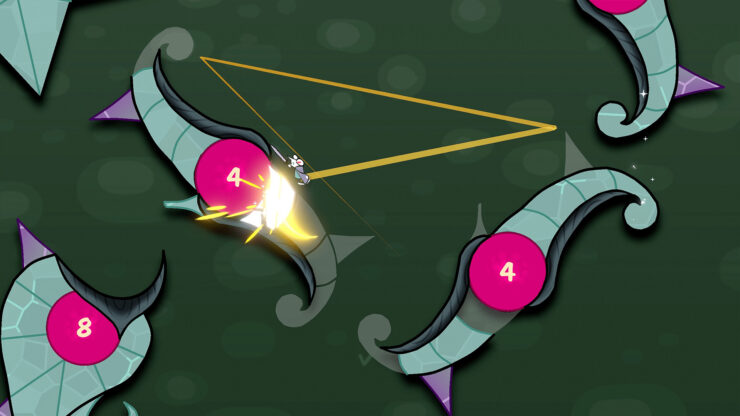
Hadley noted that the game is "captivating," particularly in how it manages to make a turn-based system feel kinetic. The consensus among critics is that Beast Breaker succeeds because it respects the player’s time and intelligence. It doesn’t rely on "grinding" in the traditional sense; instead, it relies on the player’s ability to master the specific geometry of each encounter.
Furthermore, the game has been praised for its "uniqueness." In a market saturated with "Souls-likes" and "Metroidvanias," Beast Breaker carves out a niche that feels entirely its own. The feedback from the Dreamhack showcase suggested that the game’s visual clarity—knowing exactly where the danger zones are and what parts need to be hit—removes the frustration often found in complex RPGs, leaving only the satisfaction of a well-planned move.
Implications: The Future of Hybrid RPGs
The success and design philosophy of Beast Breaker carry significant implications for the broader gaming industry. First, it demonstrates that there is a hungry market for "low-stress, high-strategy" games. By removing the need for twitch reflexes, Vodeo Games has opened the RPG genre to a wider demographic without sacrificing the "hardcore" tactical elements that veterans crave.
Secondly, Beast Breaker serves as a blueprint for how to handle "boss-centric" gameplay. Many games struggle with making giant boss fights feel interactive beyond "hit the glowing spot." By turning the boss into the actual level—a physical space that must be navigated via bounces and dashes—the developers have solved a long-standing design hurdle.
Finally, the game highlights the importance of "feel" in turn-based games. The "pinball" aspect provides tactile feedback that is often missing from menu-based combat. Watching Skipper bounce four or five times between a shield and a weak point, accompanied by the appropriate sound design and visual effects, provides a hit of dopamine that a simple text box saying "You dealt 50 damage" cannot match.
As Beast Breaker continues to find its audience on Steam, it stands as a testament to the power of the "simple idea, complex execution" mantra. It reminds the industry that sometimes, the best way to move forward is to look back at classic mechanics—like the humble pinball—and see them through a modern, narrative lens. For Skipper the mouse, the world is a dangerous place, but for the player, it is a playground of geometry, strategy, and giant-slaying satisfaction.



Leave a Comment