
Necrophosis: Full Consciousness Review – A Masterpiece of Macabre Artistry Hampered by Repetitive Puzzles
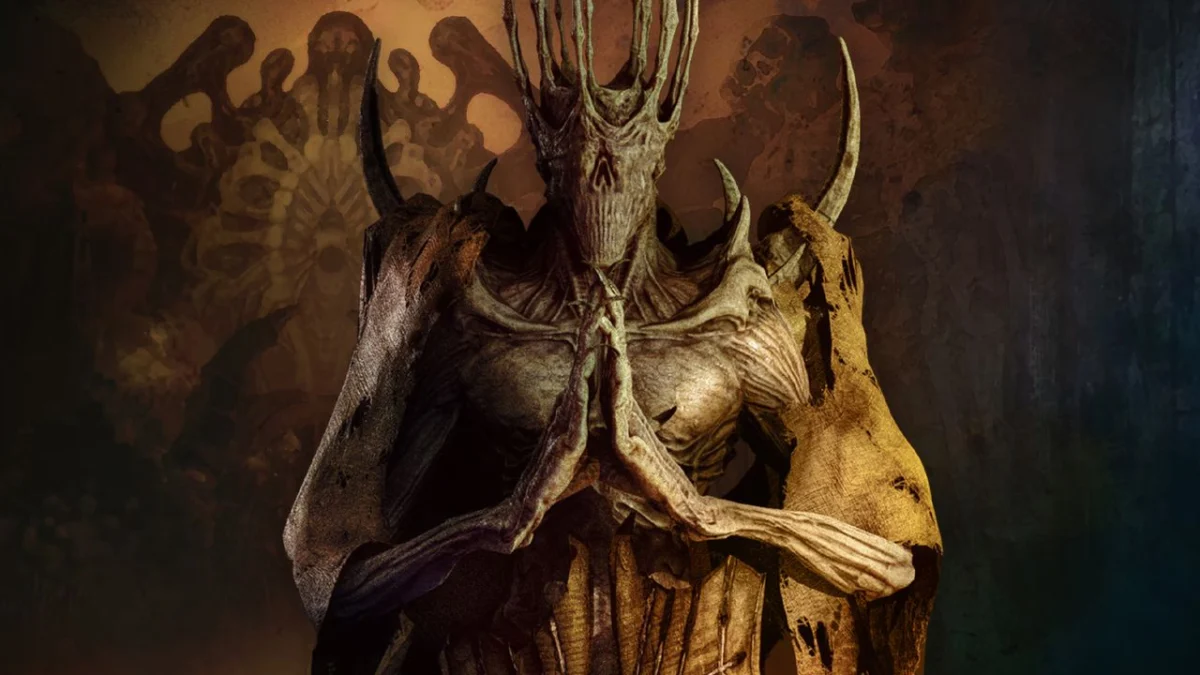
A Visually Unforgettable Horror Adventure Packed with Atmosphere, but Simple, Repetitive Puzzles Weaken the Experience.
In the ever-expanding landscape of horror video games, a unique subgenre has emerged that prioritizes unsettling atmosphere and surreal artistic vision over jump scares and relentless pursuit. These titles often delve into the grotesque and the nightmarish, crafting worlds that feel alien and disturbing without resorting to conventional horror tropes. Necrophosis: Full Consciousness, the latest offering from Greek developer Dragonis Games and publisher PQube Ltd, boldly embraces this approach, delivering a visually stunning and thematically rich experience that is both captivating and, at times, frustratingly simplistic.
Main Facts
Necrophosis: Full Consciousness is a first-person horror adventure game developed by Dragonis Games and published by PQube Ltd. It was released on May 28, 2026, and is available on PlayStation 5 (tested), Xbox Series X/S, and PC. The game is built on the Unreal Engine 5.
Chronology of Development and Release
While specific details regarding the full development timeline of Necrophosis are not publicly available, Dragonis Games has a history of exploring unsettling themes in their previous titles, notably "The Shore." This suggests a gradual evolution of their artistic sensibilities and a growing ambition to push the boundaries of surreal horror. The announcement and subsequent release of Necrophosis: Full Consciousness indicate a dedicated effort to translate their vision into a fully realized interactive experience, leveraging the power of Unreal Engine 5 to achieve their ambitious visual goals. The game’s release date of May 28, 2026, places it within a contemporary gaming landscape where artistic innovation in the horror genre is increasingly appreciated.
A Descent into a Dying Universe: Thematic Depth and Artistic Vision
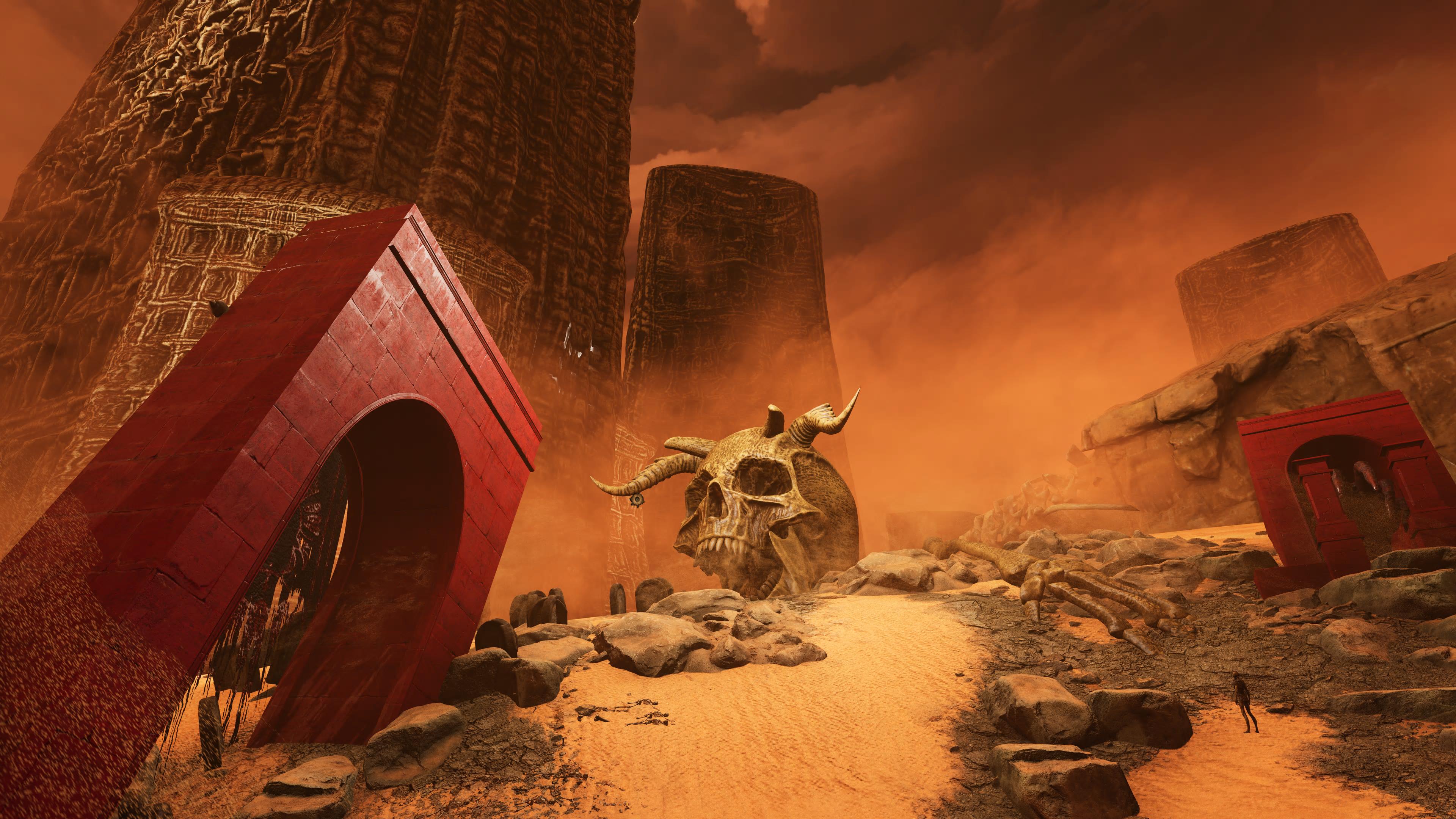
Necrophosis: Full Consciousness plunges players into a universe billions of years after its demise. This isn’t a post-apocalyptic wasteland in the traditional sense, but rather a realm of profound decay and cosmic entropy, where existence itself seems to be a prolonged, agonizing process of disintegration. The game’s narrative, or rather its fragmented and elusive lore, hints at a universe consumed by an unknown force, leaving behind only the echoes of its former glory and the twisted remnants of its inhabitants.
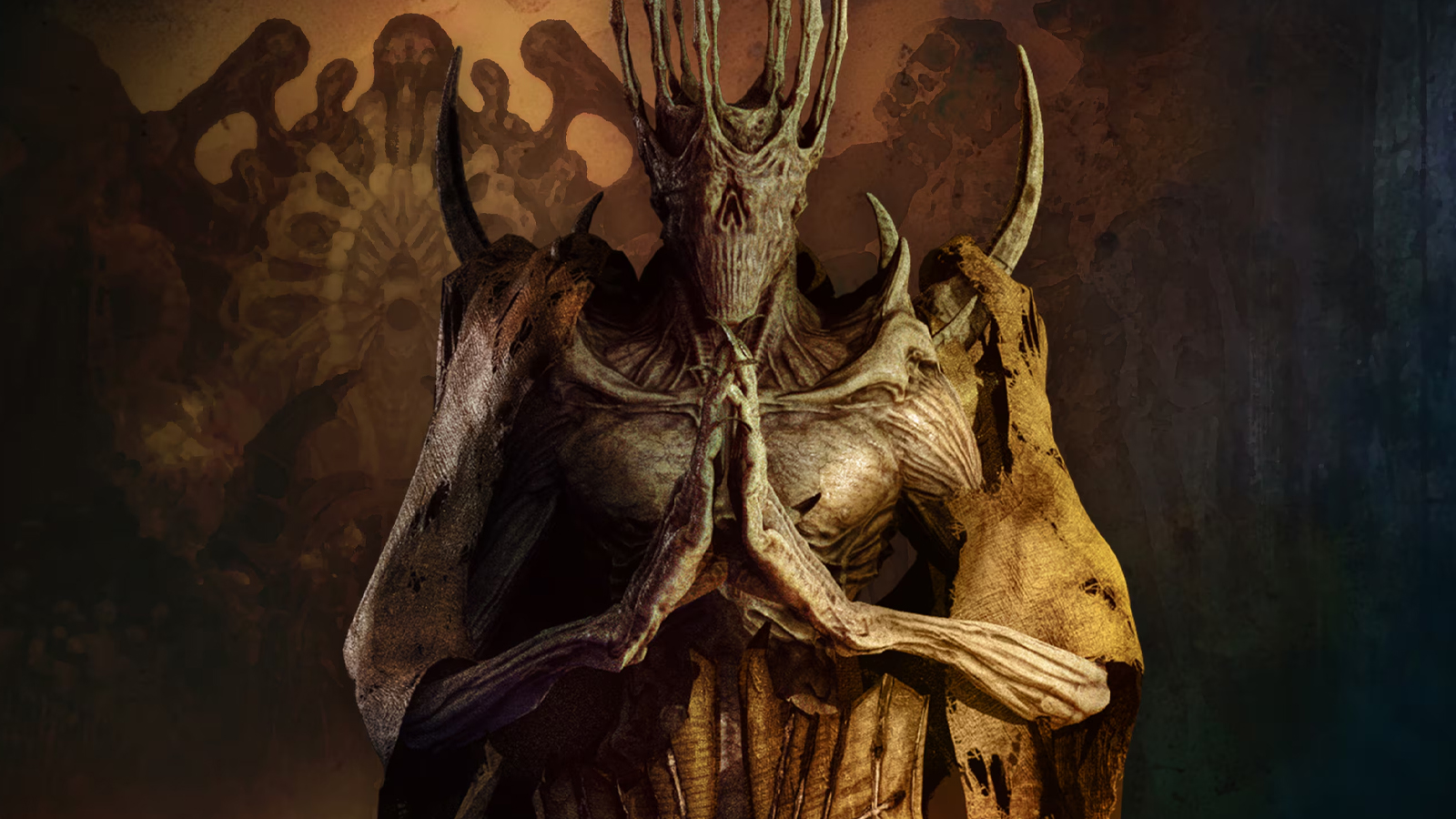
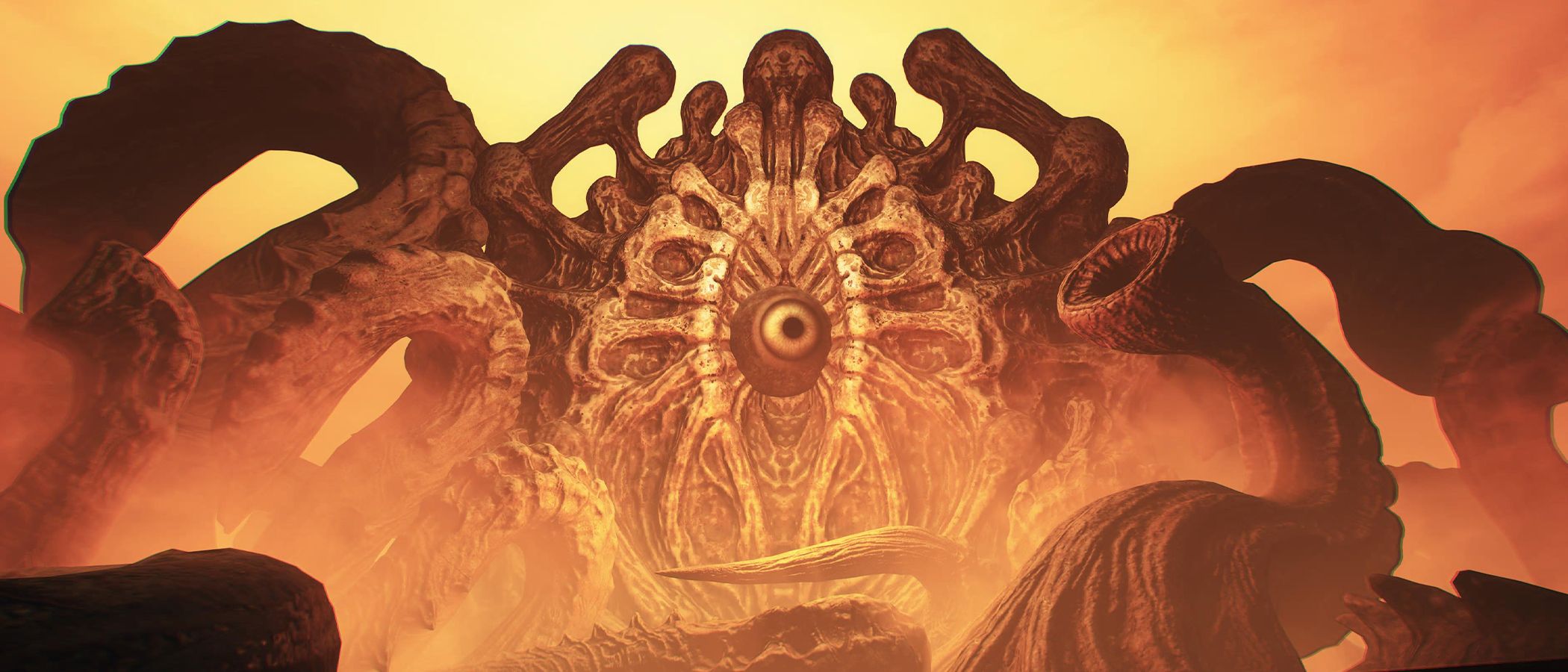
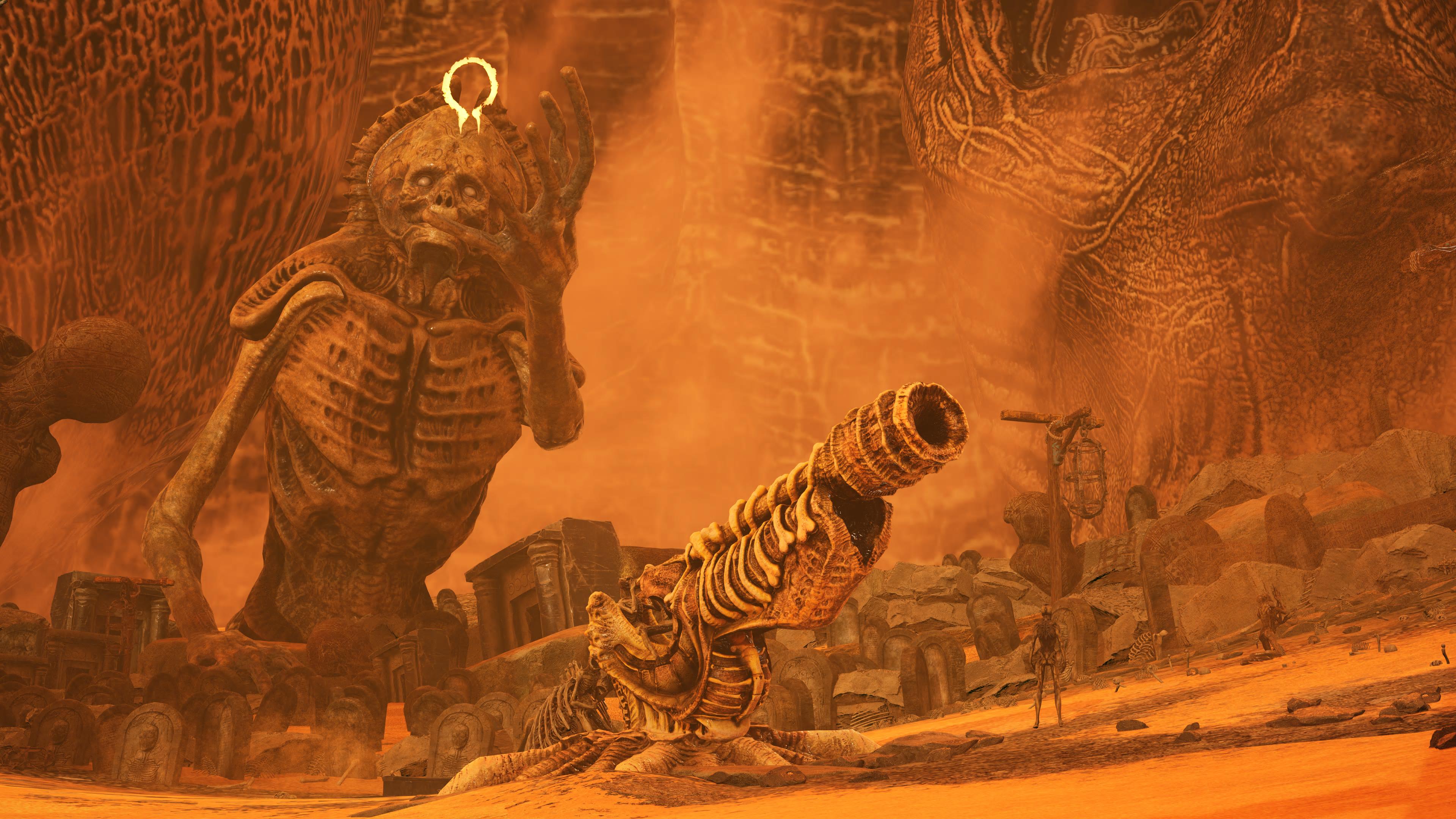
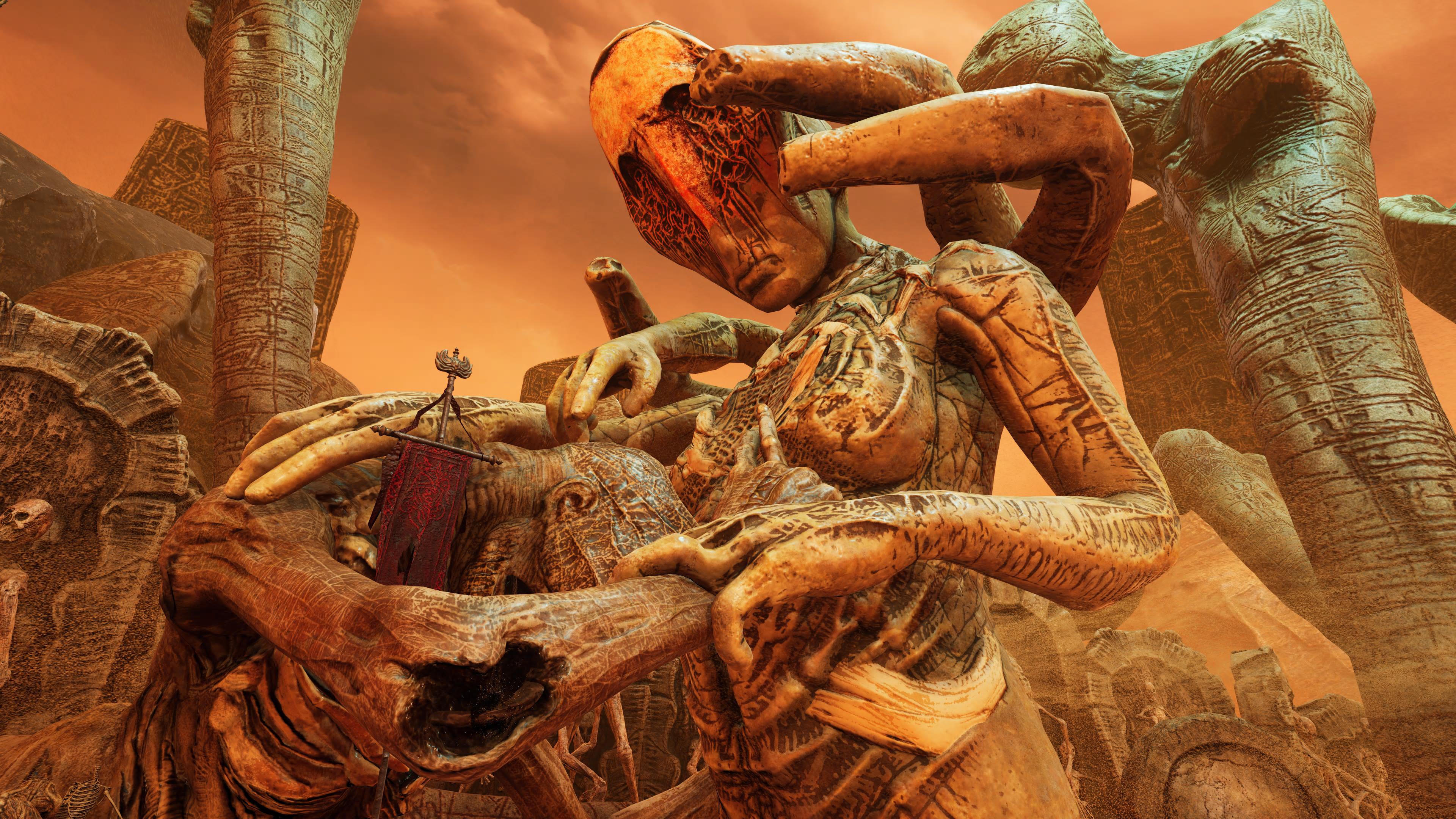
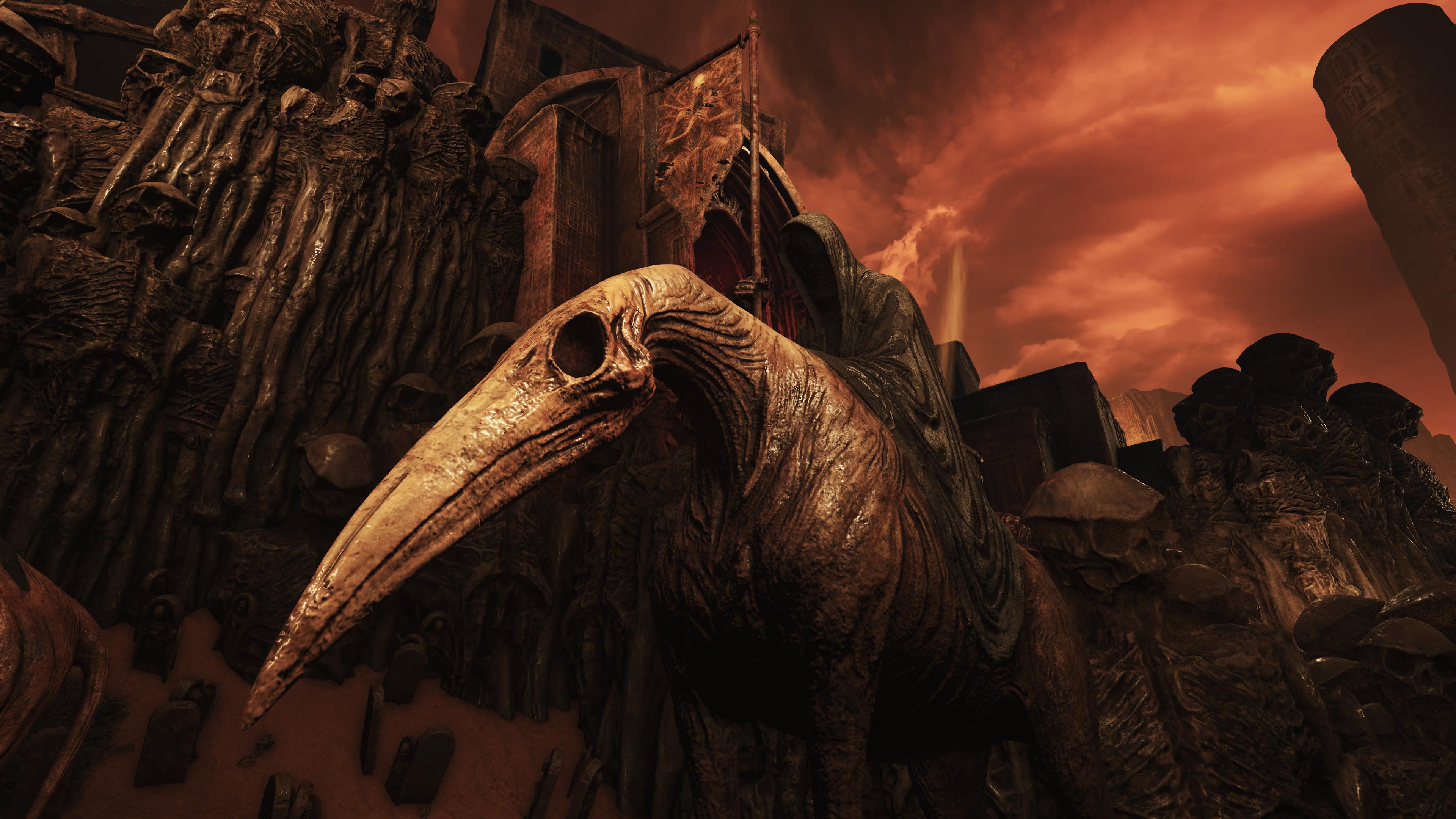
The primary source of unease and fascination in Necrophosis lies in its breathtaking and utterly disturbing art direction. Dragonis Games has drawn heavily from the works of visionary artists like H.R. Giger and Zdzisław Beksiński, whose biomechanical nightmares and dystopian landscapes have inspired countless creators. This influence is not merely superficial; it permeates every aspect of the game’s visual design, from the colossal, skeletal figures emerging from barren landscapes to the unsettling fusion of flesh, stone, and organic machinery that forms the game’s architecture.
Players will find themselves navigating environments that are less like traditional levels and more like intricate, disturbing sculptures. Bodies are contorted and repurposed as architectural elements, vast cubes of flesh house impossible faces, and creatures are seamlessly integrated into the very fabric of the world. This visual language is not just for show; it’s intrinsically linked to the game’s mechanics and narrative. Many of the items required to progress are found within these monstrous forms, or are themselves parts of their grotesque anatomy.
The game’s commitment to its artistic vision is unwavering. It encourages players to slow down, to absorb the sheer alienness of their surroundings. Moments of quiet contemplation, often prompted by the sheer visual overload, are punctuated by the discovery of another impossibly disturbing entity or landscape. The use of Unreal Engine 5 is evident in the detailed textures, the atmospheric lighting, and the sheer scale of the grotesque creations players encounter. It’s a testament to the developers’ skill that they have managed to create a world that is simultaneously repulsive and utterly mesmerizing.
Gameplay Mechanics: A Repetitive Loop in a Fantastical World
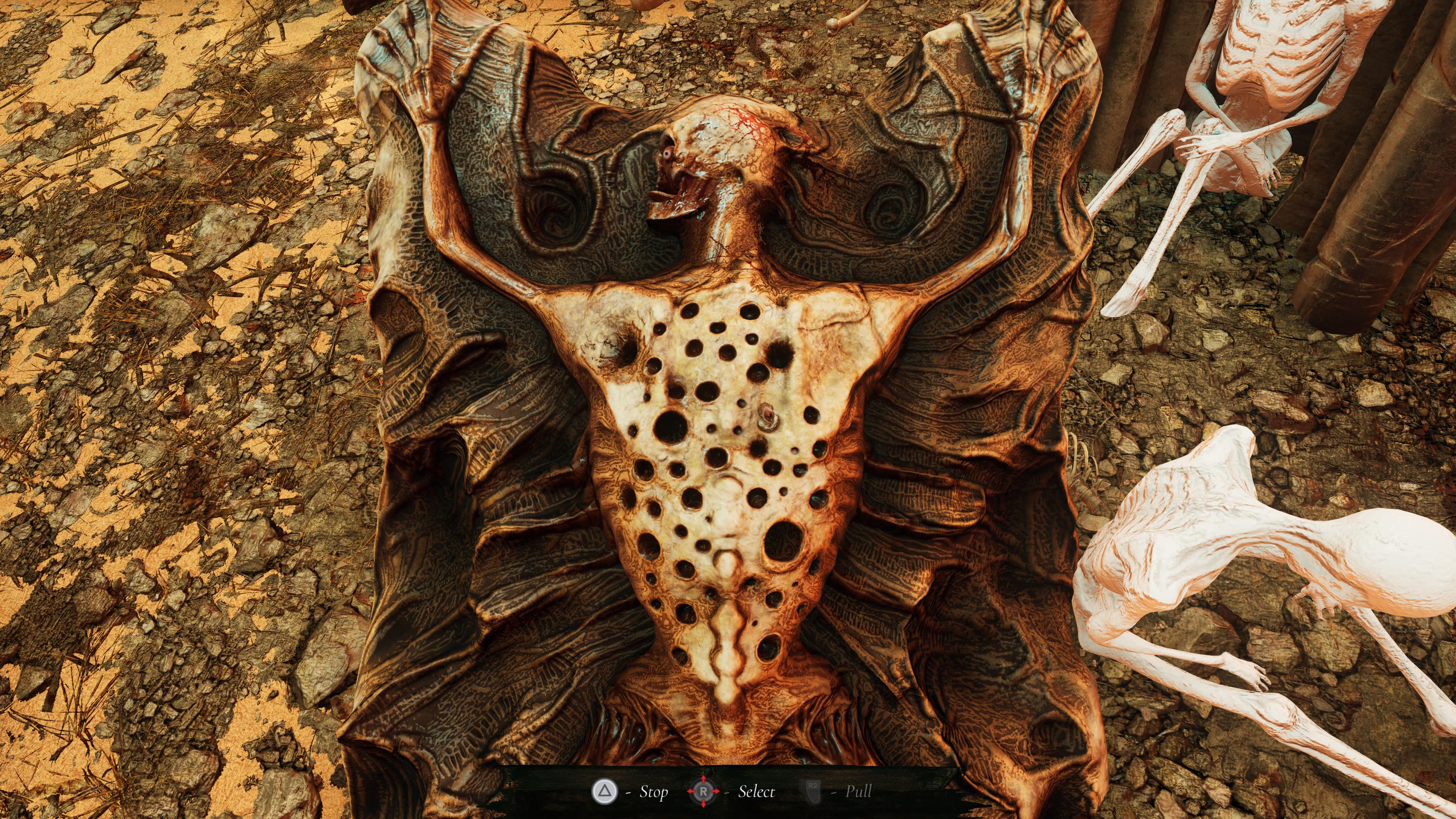
While Necrophosis: Full Consciousness excels in its artistic presentation, its gameplay mechanics, particularly its puzzle design, fall short of matching the ambition of its visual storytelling. The core gameplay loop revolves around exploration, item collection, and environmental puzzle-solving. Players are tasked with finding specific objects and integrating them into the game’s numerous demonic creatures and entombed husks of people to progress.
The puzzles themselves, however, tend to be remarkably simple and, regrettably, repetitive. The primary objective often boils down to locating an item and placing it in a designated spot, usually on or within one of the game’s grotesque denizens. This might involve reconstructing a brain within a decaying body, adorning a corpse with bone crowns, or even facilitating the "birth" or "consumption" of a tortured soul to open a new path.
While these tasks are thematically consistent with the game’s macabre world, they rarely demand significant intellectual effort. After a few hours, the novelty of finding an object and inserting it into another disturbing entity wears thin. The game’s structure often leads to a cycle of exploration, a straightforward puzzle, and then more exploration. This can, at times, border on a "walking simulator" experience, where the primary engagement comes from traversing the visually striking environments rather than actively solving complex challenges.
The developers have attempted to imbue these simple mechanics with thematic weight by tying them directly to the game’s world. Instead of finding generic keys or pulling levers, players are extracting items from dormant monstrosities, harvesting biological components from the world’s lost souls, or dislodging relics from creatures frozen in time. This contextualization helps to alleviate some of the tedium, but it doesn’t fundamentally alter the shallow nature of the puzzles.
Supporting Data: A Short but Memorable Journey
Necrophosis: Full Consciousness is a relatively short game, with most players able to complete it in approximately 4-5 hours. This brevity, while perhaps a consequence of the game’s focus on its artistic achievements rather than expansive gameplay, also contributes to the feeling of repetitive puzzle design becoming apparent too quickly.
Despite its mechanical shortcomings, the game’s world-building and artistic direction ensure a memorable experience. The sheer density of unique and unsettling imagery is a constant source of engagement. From vast lakes of blood surrounded by masked figures to colossal doors constructed from intertwined bodies, the game never runs out of memorable visual concepts. This unwavering commitment to its aesthetic is arguably its greatest strength, allowing it to overcome some of its gameplay limitations.
Official Responses and Developer Intent
While direct official responses from Dragonis Games regarding the criticism of their puzzle design are not readily available, the game’s overall presentation strongly suggests a deliberate artistic choice. The developers have clearly prioritized the creation of a potent atmosphere and a singular visual identity over complex gameplay mechanics. Their previous work on "The Shore" also demonstrated a willingness to explore narrative and thematic depth, often at the expense of traditional gameplay conventions.
The decision to embed puzzles so directly within the game’s lore and environments indicates an intention to make every interaction feel thematically relevant, even if the puzzles themselves are not particularly challenging. The cryptic narration, fragmented lore documents, and deliberately obtuse dialogue further emphasize a desire to create a game that players interpret and piece together themselves, much like the visual puzzles they encounter. This suggests a developer more interested in provoking thought and evoking emotion through their art than in challenging players with intricate logic problems.
Implications for the Horror Genre and Future Development
Necrophosis: Full Consciousness serves as a fascinating case study in the evolving landscape of horror games. It demonstrates that a powerful and unique artistic vision can carry a game, even when its core gameplay mechanics are less developed. The game’s success in creating an unforgettable atmosphere and a truly alien world suggests that there is a significant audience for horror experiences that prioritize psychological dread and visual spectacle over traditional gameplay loops.
However, the game also highlights a potential pitfall: the risk of shallow gameplay undermining even the most striking art direction. For future projects, Dragonis Games could benefit from finding a more robust integration of their creative vision with more engaging and varied puzzle mechanics. The challenge lies in designing puzzles that are as imaginative and unsettling as their environments, rather than relying on simple fetch quests or object placement.
For other developers in the horror space, Necrophosis offers a valuable lesson in the power of artistic identity. By committing wholeheartedly to a specific aesthetic and thematic direction, even with its flaws, the game carves out a distinct niche and leaves a lasting impression. The game’s ability to remain memorable despite its shortcomings underscores the importance of originality and strong artistic direction in a crowded market.
Conclusion: A Masterpiece of Macabre Artistry, Yet a Flawed Gem
Necrophosis: Full Consciousness is a game that will linger in the minds of players long after its relatively brief runtime concludes. Its visual presentation is nothing short of extraordinary, a testament to the developers’ mastery of atmosphere and their bold embrace of surreal horror. The world they have crafted is a testament to their artistic ambition, a place of profound decay and unsettling beauty that is unlike anything else in the gaming landscape.
Yet, the game’s simple and repetitive puzzle design prevents it from reaching its full potential. While the thematic integration of these puzzles attempts to compensate, the lack of genuine challenge and variety ultimately weakens the overall experience. The game often feels like it’s holding back, content to present its stunning vistas and disturbing creatures without offering a truly compelling gameplay challenge to match.
Despite these criticisms, Necrophosis: Full Consciousness is a game that demands to be experienced. It is a bold artistic statement, a chilling descent into a dying universe, and a testament to the power of visual storytelling. While its gameplay may be a shallow pool, its depths of artistic vision are vast and unforgettable. For those seeking a visually arresting and atmospherically rich horror experience, Necrophosis offers a journey into the beautifully grotesque that is hard to put down, even if its puzzles sometimes feel like an afterthought. It’s a flawed gem, but a gem nonetheless, glittering with the dark allure of the truly alien.


Leave a Comment