The Genesis of Arrakis: Unveiling the Visual Tapestry of Dune: Part One
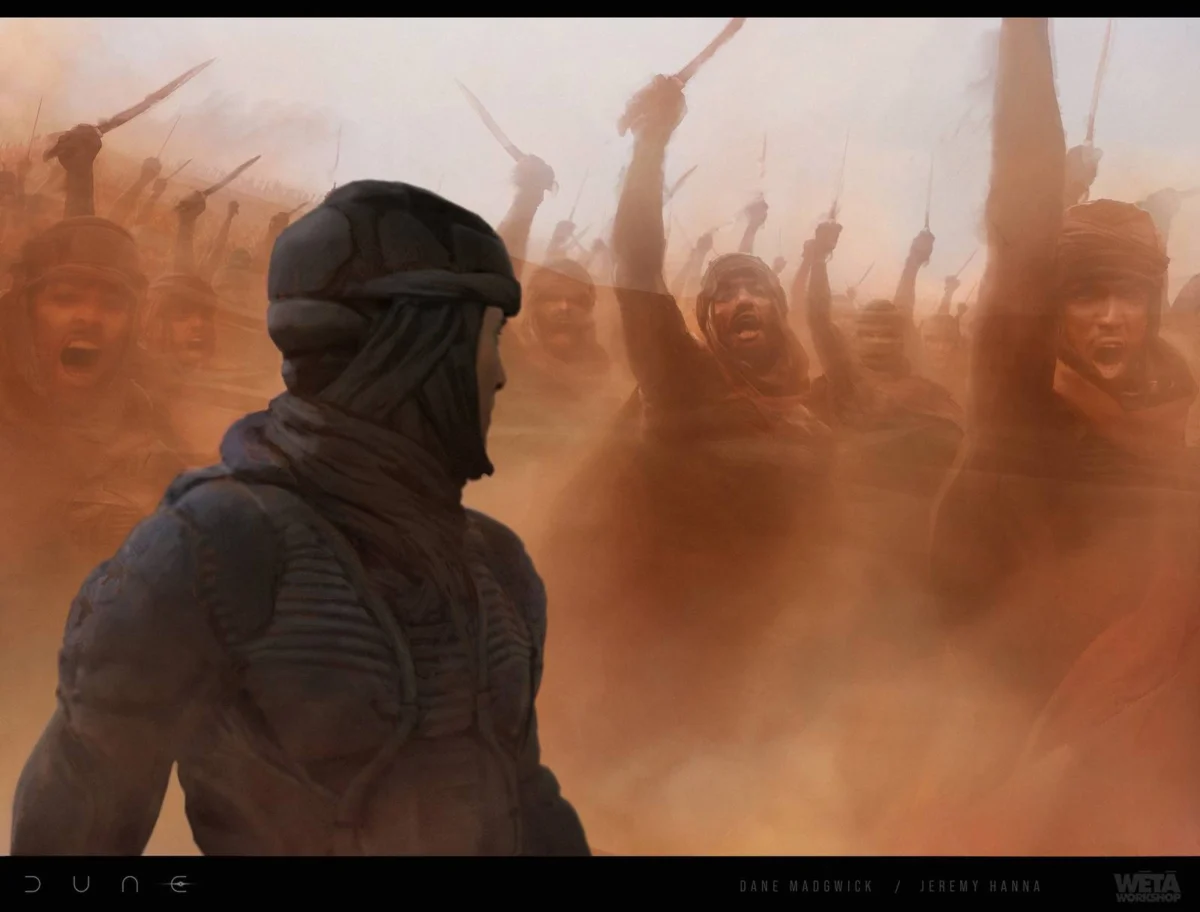
Denis Villeneuve’s monumental adaptation of Frank Herbert’s science fiction epic, Dune: Part One, captivated audiences and critics alike, earning widespread acclaim and multiple Academy Awards. Beyond its masterful storytelling and breathtaking cinematography, the film’s enduring success lies in its meticulously crafted world-building. Now, a stunning collection of concept art and design materials offers an unprecedented glimpse into the creative crucible where this iconic vision was forged. This extensive showcase, featuring the early sketches and foundational key art that defined the film’s unique aesthetic, reveals how the production team translated Herbert’s sprawling narrative into a cohesive and immersive visual experience, seamlessly blending brutalist architecture with the harsh beauty of naturalistic environments.

The Blueprint of a Universe: Early Concepts and Aesthetic Foundations
The genesis of Dune: Part One‘s visual language can be traced back to a rigorous process of exploration and refinement. This collection of work highlights the pivotal role of concept art in establishing the film’s distinctive mood and scale. From the initial broad strokes that captured the vastness of Arrakis to the detailed renderings of its inhabitants and their technology, these pieces served as the bedrock upon which the entire production was built.

The art demonstrates a deliberate approach to adapting the expansive scope of Herbert’s novel into a consistent aesthetic. This involved not only envisioning the alien landscapes of Arrakis but also conceptualizing the intricate socio-political landscape of the Imperium. The design team meticulously considered how to represent the distinct cultures and power dynamics at play, ensuring that each element, from the grandest architectural structures to the most intricate piece of survival gear, contributed to a believable and compelling universe.

A World of Power: Exploring the Factions of Dune
Central to Dune: Part One‘s narrative are the three primary power structures: the noble House Atreides, the enigmatic Fremen, and the villainous House Harkonnen. The concept art collection provides an invaluable deep dive into the distinct identities of these factions, offering a comprehensive look at the world-building process.

House Atreides: Nobility and Adaptation
The visual representation of House Atreides reflects their noble lineage and their challenging transition to the harsh desert planet of Arrakis. Early sketches likely explored the juxtaposition of their traditional, perhaps more refined, aesthetics with the raw, utilitarian needs of their new environment. This could include designs for their attire, which might blend ceremonial elements with practical considerations for survival, and their weaponry, which would need to be both formidable and adaptable. The concept art would have been crucial in translating the Atreides’ inherent sense of duty and their strategic prowess into visual cues, perhaps through the design of their ships, their personal quarters, or even the way their soldiers are depicted in action.

The Fremen: Masters of the Desert
The Fremen, the indigenous people of Arrakis, are defined by their profound connection to the desert and their mastery of its unforgiving conditions. The concept art dedicated to them showcases a deep understanding of their culture, their resourcefulness, and their unique technologies. This includes detailed explorations of their iconic stillsuits, the vital life-support systems that allow them to survive on a planet with scarce water. Designs for their ceremonial attire, likely incorporating elements inspired by the desert’s natural forms and textures, would have been essential in conveying their spiritual and cultural identity. Furthermore, the concept art likely delves into their specialized survival gear, their weaponry (such as the deadly crysknife), and their methods of traversing the sands, all of which are critical to their role as the planet’s true stewards.

House Harkonnen: Brutality and Oppression
In stark contrast to the Atreides and the Fremen, House Harkonnen is depicted with an aesthetic that emphasizes their brutality, industrial might, and inherent cruelty. The concept art for the Harkonnens would have focused on conveying a sense of menace and overwhelming power. This could manifest in the design of their imposing fortresses, their utilitarian and often menacing machinery, and their distinctive, often dark and heavy, attire. The exploration of their technology might lean towards designs that are functional but also convey a sense of industrial decay or ruthless efficiency. The visual language of the Harkonnens is crucial in establishing them as a formidable and terrifying antagonist, a force that looms over the other factions.

Technical Explorations: From Technology to Survival Gear
Beyond the broader faction identities, the concept art collection offers invaluable technical explorations of the film’s various elements. This includes:

-
Faction-Specific Technology: The visual design of technology plays a crucial role in differentiating the various powers. For instance, the ornithopters, the iconic flying machines of Dune, would have undergone extensive conceptualization to ensure they looked both functional and believable within the film’s universe. Similarly, the designs for spice harvesters, sandtroopers, and other machinery would have been refined to reflect the specific technological capabilities and aesthetic leanings of each faction. The harsh environment of Arrakis would also dictate the design of vehicles and equipment, prioritizing durability and adaptability.

-
Ceremonial Attire: The costumes of Dune: Part One are not merely decorative; they are integral to storytelling, conveying status, culture, and allegiance. The concept art for ceremonial attire would have explored rich details, from the intricate patterns and fabrics of House Atreides’ formal wear to the more utilitarian yet symbolic garments of the Fremen. The designs for the Bene Gesserit, for example, would likely reflect their mysterious and ancient order, perhaps through flowing robes and subtle, yet powerful, iconography.

-
Specialized Survival Gear: The unforgiving nature of Arrakis necessitates specialized equipment for survival, most notably the Fremen stillsuit. The concept art for this gear would have been highly detailed, illustrating the intricate workings of the suit and its importance to the Fremen way of life. This extends to other survival tools and equipment, such as water condensers, specialized navigation devices, and protective gear designed to withstand the harsh desert elements.

The Artists Behind the Vision: A Pantheon of Talent
The visual realization of Dune: Part One is a testament to the collaborative efforts of a talented team of concept artists. The collection showcases the contributions of numerous individuals, each bringing their unique perspective and skill to the project. Among them are:

-
Dane Madgwick: His work likely captures the emotional and psychological aspects of the characters, as seen in pieces like "Jessica in Meditation" and "Paul’s Vision." These images would delve into the internal struggles and prophetic visions that shape the narrative.

-
Deak Ferrand: Known for his ability to create vast and atmospheric environments, Ferrand’s contributions likely encompass the sprawling landscapes of Caladan, the imposing architecture of Arrakeen, and the alien vistas of Giedi Prime. His work would have been instrumental in establishing the distinct planetary aesthetics.

-
Ed Natividad: His expertise in depicting weaponry and specialized gear is evident in pieces like "Atreides Swords and Blades" and "Fremen Compass." Natividad’s designs would have focused on the functional and tactical aspects of the film’s equipment.

-
George Hull: Hull’s portfolio often showcases impressive technological designs, and his contributions to Dune likely include concepts for the formidable Harkonnen Harvester, the Bene Gesserit ramp set, and the iconic ornithopter. His work would have been crucial in grounding the film’s advanced technology in a believable reality.

-
Jeffrey Read: Read’s art might focus on the environmental storytelling, as suggested by pieces like "Caladan Graveyard" and "Arrakeen Balcony." His work would likely imbue the locations with a sense of history and atmosphere.

-
Jerad S. Marantz: His expertise in character and creature design is evident in his concepts for the Fremen stillsuit and the imposing armor of Baron Harkonnen. Marantz’s work would have been vital in defining the physical presence of key characters and factions.

-
Jeremy Hanna: Hanna’s dynamic compositions, such as "Duncan Idaho Arrakis" and "Worm Attack," likely capture the film’s action sequences and the sheer scale of the sandworms, bringing a sense of kinetic energy to the visual development.

-
Joseph Cross: His focus on character-specific elements like the Fremen suit and the crysknife blade suggests a keen eye for detail and the cultural significance of these objects.

-
Kamen Anev: His depictions of "Arakeen Courtyard" and "Residency Meeting Room" indicate a talent for architectural design and the creation of lived-in spaces that reflect the film’s world.

-
Keith Christensen: Christensen’s contributions, including "Fremen Stillsuit Fabrication" and "Baron Alternative Body," highlight his ability to explore both the practicalities of technology and the unique physiologies of the characters.

-
Nivanh Chanthara: His detailed concepts for Vladimir Harkonnen’s armor showcase a mastery of intricate design and a strong understanding of character-driven aesthetics.

-
Peter Popken: Popken’s striking images of the "Arrakeen Palace" and a "Crashed Ornithopter" would have been essential in establishing the film’s grand architectural set pieces and dramatic moments.

-
Seungjin Woo: His powerful depictions of sandworms and action sequences like "Duncan Chase" suggest a talent for capturing the epic scale and thrilling moments of the narrative.

-
Steve Burg: Burg’s work on "Heighliner" and "Harvester Carryall" demonstrates his ability to design colossal and iconic vehicles that become characters in themselves.

-
Carlos Huante: Huante’s visionary interpretations of the sandworms, particularly "Sandworm 15," "Sandworm 22," and "Sandworm 30a," likely pushed the boundaries of their design, imbuing them with a terrifying and awe-inspiring presence.

The Art and Soul of Dune: A Deeper Dive
For those seeking an even more comprehensive exploration of the artistic journey behind Dune: Part One, the official art book, "The Art and Soul of Dune," serves as an indispensable resource. This meticulously curated volume expands upon the concepts presented here, offering further insights into the creative process, the challenges faced by the artists, and the inspirations that fueled their imagination. It is a testament to the power of visual storytelling and a must-have for any fan of the film or the science fiction genre.

Implications for Future Cinematic Worlds
The success of Dune: Part One‘s visual design, heavily reliant on extensive concept art and a cohesive aesthetic vision, sets a high bar for future large-scale productions. It underscores the importance of investing in the pre-production phase to thoroughly develop a unique and believable world. The detailed exploration of factions, technologies, and environments, as evidenced by this collection, not only enriches the cinematic experience for the audience but also provides a clear roadmap for the entire production team, ensuring a unified and impactful final product. The visual language established in Dune: Part One has undoubtedly influenced how audiences perceive epic science fiction on screen, demonstrating that a compelling narrative is often inseparable from a meticulously realized visual universe.