
"Adolescence of Utena" Set for Rare North American Theatrical Run, Highlighting GKIDS’ Niche Release Strategy
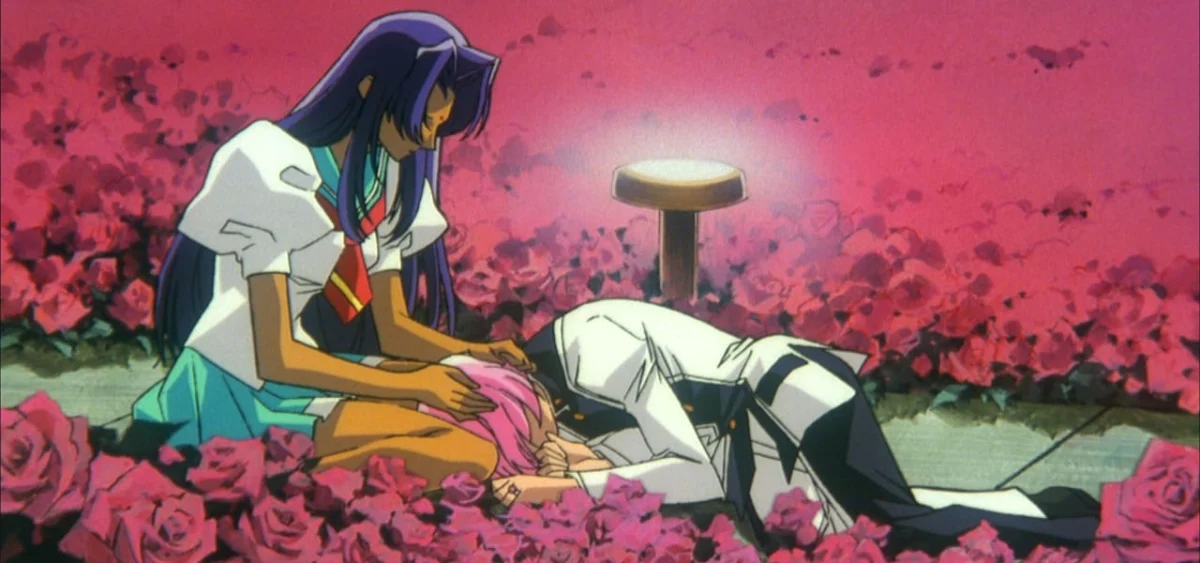
A cult classic of surrealist anime, Kunihiko Ikuhara’s "The Adolescence of Utena," is poised for its first-ever wide theatrical release in North America, a strategic move by distributor GKIDS that underscores its commitment to bringing influential, often overlooked, animated works to a dedicated audience. The two-night cinematic event, scheduled for June 21st and 22nd, promises to reintroduce this seminal film to a new generation of fans and provide a cherished experience for long-time admirers.
This forthcoming theatrical run signifies more than just a simple screening; it represents a deliberate effort by GKIDS to cultivate and cater to underserved audiences within the North American market. The distributor, known for its discerning taste and dedication to showcasing diverse animated narratives, has carved a niche for itself by organizing limited, event-style releases for films that might otherwise struggle to find significant big-screen distribution. "The Adolescence of Utena" stands as a prime example of this philosophy, a film that, despite its critical acclaim and enduring cult status, has historically been accessible primarily through home video or sporadic, smaller screenings.
The announcement, accompanied by a newly released trailer and poster, has generated considerable excitement within the anime community. Tickets are now on sale, offering fans the opportunity to experience the film in its original Japanese with English subtitles, a crucial detail for purists and those seeking the most authentic viewing experience.
A Masterpiece of Surrealism and Identity
"The Adolescence of Utena," released in 1999, is a cinematic extension of the groundbreaking manga and television series "Revolutionary Girl Utena," a creation of the visionary Be-Papas collective. Produced by J.C. Staff, the film plunges viewers back into the enigmatic world of Ohtori Academy, where the spirited Utena Tenjou finds herself embroiled in a series of high-stakes duels. These duels revolve around the enigmatic Anthy Himemiya, known as the "Rose Bride," a figure at the heart of a complex and often disturbing narrative.
What begins as a seemingly fantastical romance rapidly evolves into a profound and abstract exploration of identity, desire, and the very notion of liberation. The film is renowned for its intricate symbolism, its boldly theatrical visual language, and its radical, ahead-of-its-time approach to themes of gender and sexuality. These elements, combined with Ikuhara’s distinctive directorial vision, have cemented "The Adolescence of Utena" as a singular work in anime history.
Ikuhara’s Vision: From Magical Girls to Existential Duels
Director Kunihiko Ikuhara’s journey to "The Adolescence of Utena" is a significant part of its legacy. He helmed the feature shortly after his influential work on the iconic "Sailor Moon" series. This period was instrumental in shaping his unique artistic style, a style that would later define such critically acclaimed projects as "Mawaru Penguindrum" and "Sarazanmai." His ability to weave complex emotional narratives with visually arresting and often dreamlike imagery is a hallmark of his work, and "The Adolescence of Utena" is a potent showcase of this talent.
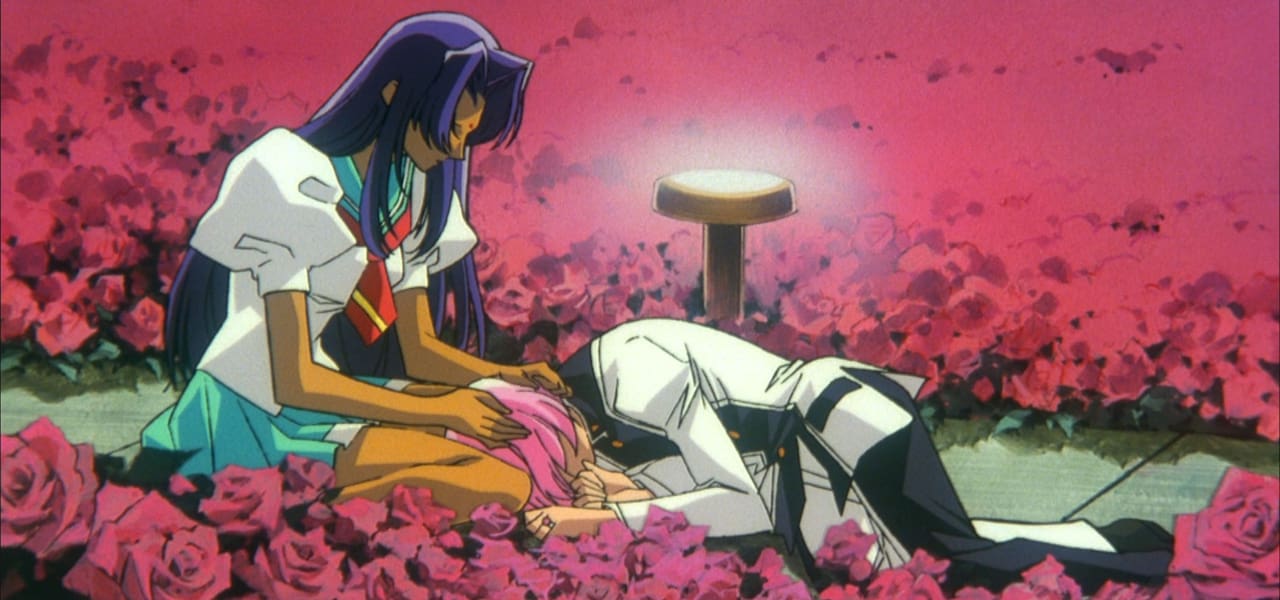
The film’s narrative, while drawing from the television series, offers a distinct and more concentrated experience. It delves deeper into the psychological underpinnings of its characters and the surreal machinations of Ohtori Academy, presenting a more introspective and artistically daring vision. The duels, often presented with a theatrical flair that blurs the lines between reality and metaphor, serve as potent vehicles for exploring themes of societal expectations, personal freedom, and the arduous journey of self-discovery.
A Creative Pantheon Behind the Scenes
The enduring power of "The Adolescence of Utena" is also a testament to the exceptional talent involved in its creation. The screenplay was penned by Yoji Enokido, a writer whose prolific career includes notable works such as "FLCL" and "Evangelion," demonstrating his adeptness at crafting narratives that are both emotionally resonant and intellectually stimulating.
The film’s striking visual identity owes a great debt to the iconic art direction of Shichiro Kobayashi. His work on films like "Angel’s Egg" had already established him as a master of atmospheric and evocative visual design. In "The Adolescence of Utena," Kobayashi’s artistry contributes significantly to the film’s dreamlike quality and its ability to transport the audience into a world that is both beautiful and unsettling.
Furthermore, the musical score composed by J.A. Seazer is an integral component of the film’s impact. Seazer, who also contributed to the "Revolutionary Girl Utena" television series, returned to craft a dramatic and unforgettable score. The music not only enhances the emotional weight of the narrative but has become one of the franchise’s most defining and memorable elements, elevating the viewing experience to an almost operatic level.
GKIDS’ Strategic Approach to Cult Classics
GKIDS’ decision to bring "The Adolescence of Utena" to a wider North American audience is a strategic move that aligns with their broader mission. The distributor has consistently demonstrated a commitment to showcasing animated films that possess artistic merit, cultural significance, and a unique voice, often focusing on titles that may not fit the typical blockbuster mold.
This strategy of limited, event-style releases has proven successful in creating buzz and fostering community around these films. By presenting them as special occasions, GKIDS allows audiences to engage with the material in a shared, theatrical environment, amplifying the impact and appreciation of each title. This approach has been particularly effective for anime films that have garnered significant cult followings but have historically faced challenges in securing widespread distribution.
"The Adolescence of Utena" is a prime candidate for this strategy. Its complex themes, avant-garde aesthetic, and devoted fanbase make it an ideal subject for a curated theatrical event. By targeting specific dates and emphasizing the unique experience of seeing the film on the big screen, GKIDS aims to tap into the existing passion for the franchise and introduce it to new viewers who may be drawn to its distinctive artistic qualities.
The Enduring Legacy of "Revolutionary Girl Utena"
The "Revolutionary Girl Utena" franchise, of which "The Adolescence of Utena" is a pivotal part, has left an indelible mark on the anime landscape. Its innovative storytelling, its fearless exploration of complex themes, and its visually distinctive style have inspired countless creators and resonated deeply with audiences for decades.
.png)
The television series, which predates the film, is celebrated for its deconstruction of shojo tropes, its exploration of power dynamics, and its allegorical approach to societal pressures. "The Adolescence of Utena" builds upon these foundations, offering a more condensed and arguably more artistically experimental interpretation of the core themes and characters. It serves as both a culmination and a reimagining, providing a distinct cinematic experience that complements the original series.
The film’s continued relevance and its ability to spark discussion and analysis underscore its status as a significant work of art. Its willingness to challenge conventions and its profound engagement with issues of identity, gender, and liberation continue to resonate with contemporary audiences, making its return to the big screen a timely and welcome event.
Implications for the Anime Distribution Landscape
The success of GKIDS’ curated release strategy for films like "The Adolescence of Utena" has broader implications for the anime distribution landscape in North America. It suggests a growing appetite for diverse and artistically driven animated content, moving beyond mainstream appeal to embrace niche markets and cult classics.
As the demand for anime continues to grow globally, distributors like GKIDS are playing a crucial role in bridging the gap between international creators and North American audiences. Their ability to identify, acquire, and effectively market these unique titles demonstrates a sophisticated understanding of the market and a genuine passion for animation.
The theatrical release of "The Adolescence of Utena" is more than just a revival; it is a statement about the enduring power of influential anime and the strategic importance of platforms that champion such works. It offers a promising model for future releases, ensuring that groundbreaking and beloved animated films can continue to reach new audiences and maintain their cultural relevance for years to come. The event serves as a testament to the fact that even decades after their initial release, these films can still captivate, provoke, and inspire.



Leave a Comment