
Navigating the Digital Front: Tabletop Battles’ "Content We Liked" Illuminates a Fragmented Universe
Main Facts
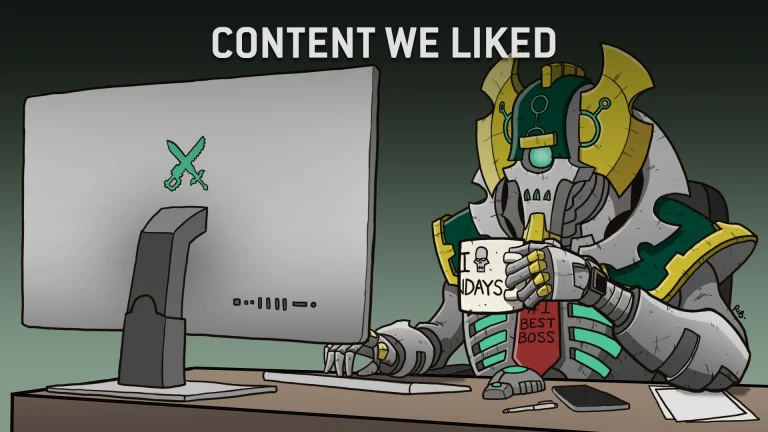
In an expansive digital landscape where niche communities can often feel isolated and content fragmented, the weekly "Content We Liked" series by Tabletop Battles emerges as a crucial beacon for the tabletop gaming universe. This meticulously curated digest serves as an essential guide, sifting through the vastness of the internet to highlight noteworthy articles, videos, podcasts, and products that might otherwise escape the attention of enthusiasts. Far from being a mere list, "Content We Liked" functions as a vital aggregation point, addressing the inherent challenge of discoverability within a hobby that thrives across diverse platforms, from dedicated forums and personal blogs to social media and streaming services. Each week, the feature meticulously compiles a selection of compelling external creations, alongside a comprehensive recap of original content published on Tabletop Battles, and an exclusive glimpse into their premium subscriber offerings. It underscores the platform’s commitment not only to producing its own high-quality content but also to fostering a sense of community and shared discovery within the broader tabletop ecosystem. This week’s edition, in particular, showcased a vibrant cross-section of the hobby, from intricate dioramas celebrating iconic game lore to insightful strategic analyses and a dive into cultural cinema, exemplifying the breadth and depth of engagement Tabletop Battles aims to cultivate.
Chronology: A Week’s Worth of Digital Discoveries
The latest installment of "Content We Liked" presents a compelling narrative of the tabletop world’s diverse creative output and intellectual discourse over the preceding week. The selection process appears to prioritize innovation, artistic merit, and strategic insight, providing readers with a rich tapestry of experiences spanning various facets of the hobby.
On the Internet at Large: Spotlighting External Excellence
The "On the Internet at Large" segment is a testament to the thriving independent creative spirit within the tabletop community, spotlighting artists and creators whose work resonates deeply with the hobby’s aesthetic and narrative foundations.
The Eye of Terror Diorama by CryoCheese: A Homage to Warhammer 40,000 Lore
Leading this week’s external highlights is a breathtaking diorama titled "Eye of Terror" by artist CryoCheese, shared on Bluesky. This piece is particularly resonant as the Warhammer 40,000 community stands on the precipice of a new edition, offering a nostalgic yet forward-looking tribute to the game’s storied past. CryoCheese’s creation pays direct homage to Karl Kopinski’s iconic cover art for the 3rd edition’s "Eye of Terror" campaign book, a seminal event in Warhammer 40,000 lore that chronicled Abaddon the Despoiler’s thirteenth Black Crusade and the pivotal Fall of Cadia.
The diorama is a masterclass in miniature conversion and scenic composition. CryoCheese ingeniously utilizes Abaddon’s most recent miniature, a sculpt lauded for its dynamic pose and intricate detail, as the centerpiece. This is complemented by "epic-scale" Chaos Marines, miniatures typically used for larger-scale engagements, which are here employed to convey a sense of vastness and overwhelming power around the central figure. The most striking element, however, is the representation of a beleaguered planet – implicitly Cadia, the fortress world that guarded the only stable route through the Eye of Terror – clutched within the monstrous Talon of Horus. This metaphorical representation, rather than a literal depiction, amplifies the dramatic tension and thematic weight of the scene. The original "Eye of Terror" campaign was a pivotal moment that reshaped the galaxy, and CryoCheese’s diorama beautifully captures its grim grandeur and the sheer audacity of Chaos. It’s a visually stunning piece that not only demonstrates exceptional technical skill but also a profound understanding and appreciation for Warhammer 40,000’s deep narrative wellspring, prompting viewers to recall the rallying cry, "Let the Galaxy Burn."
Genestealer Cow by frankendoodle65 and 4ydra: Grotesque Grimdark Artistry
Next in the external spotlight is a truly unique and unsettling creation: the "Genestealer Cow," a collaborative effort between sculptor 4ydra and painter frankendoodle65, showcased on Instagram. This piece epitomizes the "Grimdark weirdness" that defines much of the Warhammer universe, particularly its more niche and unsettling corners like Necromunda and Inquisitor. The concept itself—a bovine creature infected and mutated by the insidious Genestealer cult—is inherently grotesque, pushing the boundaries of biological horror within the hobby.
4ydra’s sculpting work is lauded for its "beautifully disgusting" quality, indicating a mastery of form that renders abomination with disturbing realism. The Genestealer mutations, typically associated with humanoid hosts, are here applied to an animal, creating a novel and deeply disturbing visual. This raw sculpt is then elevated by frankendoodle65’s painting, characterized by "grody Blanchian tones." This refers to the signature style of legendary Games Workshop artist John Blanche, known for his dark, muted, and often unsettling color palettes that evoke a sense of decay, grim reality, and otherworldly horror. The combination of meticulous sculpting and atmospheric painting creates a miniature that transcends mere toy status, becoming a piece of narrative art. Its potential as a unique threat or objective in a Necromunda skirmish or an Inquisitor investigation scenario is immediately apparent, offering game masters a truly memorable and terrifying encounter. The "Genestealer Cow" stands as a testament to the community’s capacity for creative interpretation and its embrace of the darker, more bizarre elements of its favored settings.
Artillery Witch Fanart by strange-house-art: A Fresh Take on Trench Crusade
Breaking away from the 41st millennium’s grim darkness, the roundup features striking fan art of the "Artillery Witch" from Trench Crusade, created by strange-house-art on Tumblr. Trench Crusade is a distinctive miniature wargame and setting that blends grimdark aesthetics with World War I-era trench warfare, infused with occult and gothic horror elements. The Artillery Witch is an iconic character within this unique universe, embodying its fusion of arcane power and brutal industrial conflict.
Strange-house-art’s interpretation offers a captivating twist on the canonical appearance of the Artillery Witch, demonstrating the vibrancy of fan engagement and artistic reinterpretation. The most notable modifications include a "snaggle-toothed skull mask," which adds a layer of menacing, primal horror to the character, moving beyond a standard gas mask or more conventional protective gear. Equally compelling are the "bio-organic sea-mine ordinance" – shells or bombs depicted as living, pulsating entities, suggesting a symbiotic or parasitic relationship between the witch and her destructive capabilities. This element enhances the bio-mechanical horror prevalent in many grimdark settings. The choice of a "blood red sunset background" is not merely aesthetic; it dramatically sets the mood, evoking a sense of apocalyptic desolation and impending doom, perfectly aligning with the Trench Crusade’s thematic underpinnings. This fan art is celebrated for its ability to infuse a familiar character with fresh, compelling details while remaining true to the spirit of its source material, showcasing the talent and imaginative power of the broader fan community.
This Week on Tabletop Battles: In-Depth Analysis and Guides
The internal content from Tabletop Battles itself demonstrates the platform’s commitment to providing comprehensive resources for its audience, ranging from video game reviews to historical wargaming guides and cross-hobby painting tutorials.
Mechanicus II Video Game Review: A Sequel’s Scrutiny
The week saw the surprise drop of "Mechanicus II," the eagerly anticipated sequel to the critically acclaimed turn-based strategy game set in the Warhammer 40,000 universe. The original "Mechanicus" garnered significant praise for its faithful adaptation of Adeptus Mechanicus lore, challenging tactical gameplay, and atmospheric presentation. With the sequel’s unannounced release during Warhammer Skulls, the community’s expectations were understandably high. Tabletop Battles’ staff writer Saffgor took on the crucial task of reviewing "Mechanicus II," providing an essential analysis for players wondering if the follow-up lives up to the legacy of its "sleeper hit" predecessor. A professional review like Saffgor’s serves not only as a consumer guide but also as a critical assessment of how well the game expands upon its foundations, innovates gameplay mechanics, and maintains narrative fidelity to the Warhammer 40,000 universe. Such reviews are vital in informing purchasing decisions and shaping community discourse around new releases.
SAGA Faction Review: Vikings – Mastering the Moshpit
For enthusiasts of historical wargaming, Muggins delivered an insightful faction review focusing on the Vikings in "SAGA." "SAGA" is a popular skirmish-level historical wargame known for its unique battle board mechanic, which allows players to generate and activate special abilities during gameplay, making each faction feel distinct and thematic. The Vikings, a perennial favorite in historical settings, are often characterized by their aggressive, head-on approach to warfare. Muggins’ review delves into the strategic nuances of playing this iconic faction, offering advice on how to effectively "hoist your drinking horn and prepare to be the most obnoxious guy in the moshpit." This evocative language suggests a focus on the aggressive, relentless tactics associated with Viking warriors. The review likely explores optimal warband compositions, key battle board abilities, and strategies for leveraging the Vikings’ strengths while mitigating their weaknesses, providing invaluable guidance for both new and experienced SAGA players looking to dominate the battlefield.
How to Paint Everything: Gundam Assemble for Gunpla Enthusiasts – Cross-Hobby Solidarity
In a commendable display of "cross-hobby solidarity," Jake authored a "How to Paint Everything" guide specifically tailored for Gunpla builders looking to venture into painting Gundam Assemble scale miniatures. Gunpla, the hobby of building plastic model kits of Mobile Suits from the Gundam franchise, typically focuses on snap-fit assembly and often eschews traditional painting techniques, relying instead on pre-colored plastic and panel lining. Gundam Assemble miniatures, however, are designed with painting in mind, offering a different artistic challenge. Jake’s guide bridges this gap, providing Gunpla enthusiasts with the necessary techniques and considerations for painting these smaller, more detailed models. This article is significant for fostering community across different modeling disciplines, acknowledging that many hobbyists have diverse interests. It demystifies painting for a segment of the modeling community primarily focused on assembly, thereby expanding their skillset and encouraging exploration of new avenues within the broader miniatures hobby.
Century of the Vampire: Blacula (1972) – A Look at Influential Blaxploitation Horror
Concluding the week’s Tabletop Battles content, the "Century of the Vampire" series continued its deep dive into cinematic vampirism with a look at 1972’s Blacula. This ongoing series offers a unique perspective on the vampire archetype across a century of film. Blacula, though "oft mocked," holds significant cultural and historical importance as a seminal work of Blaxploitation horror. The film reimagines the classic vampire myth through an African American lens, addressing themes of race, identity, and social commentary within the horror genre. The article by Tabletop Battles likely explores Blacula‘s enduring influence on horror cinema, its unique place within the Blaxploitation movement, and how it subverted or reinforced vampire tropes. By including such cultural commentary, Tabletop Battles broadens its scope beyond pure wargaming, demonstrating an appreciation for the wider artistic and historical contexts that often inspire or run parallel to the tabletop hobby. This piece appeals to readers interested in film history, cultural studies, and the evolution of genre storytelling.
Subscriber Exclusives Roundup: Deep Dives for Dedicated Patrons
For subscribers to Tabletop Battles’ $10 Patreon Tier, the week offered a robust selection of exclusive content designed to elevate strategic thinking and competitive play. These premium articles provide a deeper level of analysis and actionable advice, reflecting the value proposition of supporting the platform.
Bernhardt and Ben Jurek collaborated on a theoretical examination of a fundamental strategic dilemma in many wargames: "Going First or Second." This article likely delves into the mathematical probabilities, tactical advantages, and psychological implications of turn order, offering insights crucial for competitive players to make informed decisions before a game even begins. Innes Wilson contributed to the discussion on competitive play with "How to Build Consistently in your play," an article focused on developing repeatable strategies and resilient army lists that perform reliably across various match-ups and scenarios. This addresses a common challenge for competitive players: moving beyond one-off wins to sustained success. Finally, "Lowest of Men" provided a highly specific, meta-driven guide on "how to kill those damn Chaos Crabs (sometimes)." This article is a prime example of targeted competitive analysis, dissecting a particular problematic unit or archetype within a game’s current meta (likely Warhammer 40,000, given the "Chaos Crabs" moniker often associated with Daemon Engines or specific Daemonic constructs) and offering practical counters. These exclusive pieces collectively underscore Tabletop Battles’ commitment to providing advanced tactical content for its most dedicated readers, fostering a community of informed and skilled players.
Supporting Data: The Necessity of Curation in a Fragmented Digital Universe
The introductory statement of "Content We Liked" – "Although it’s a big internet out there, the Tabletop digital universe is pretty small and spread out" – succinctly captures a profound truth about niche online communities. While the internet offers unparalleled access to information and connection, the sheer volume of content and the proliferation of platforms can paradoxically lead to a sense of isolation and missed opportunities. The tabletop gaming hobby, encompassing everything from miniature wargames and role-playing games to board games and card games, exists across a highly fragmented digital landscape.
Content creators, artists, and enthusiasts disseminate their work across an array of platforms: personal blogs hosted on WordPress or Blogger, dedicated forums like those found on BoardGameGeek or the various official game websites, image-sharing sites such as Instagram and Pinterest, micro-blogging platforms like Bluesky and Tumblr, video platforms like YouTube and Twitch, and an ever-growing number of podcasts. Each platform caters to slightly different audiences and content formats, making it incredibly difficult for an individual hobbyist to keep abreast of all the significant developments, inspiring creations, or insightful analyses being published.
This fragmentation creates several challenges:
- Discoverability: Excellent content can easily be overlooked if it’s not posted on the platforms a user habitually frequents or if it doesn’t gain immediate algorithmic traction.
- Time Constraints: Even dedicated hobbyists have limited time to scour the internet, making a curated digest a valuable time-saver.
- Quality Control: The sheer volume of content means that sifting through it to find genuinely high-quality or relevant pieces can be a daunting task.
- Echo Chambers: Users can become trapped in algorithmic "echo chambers," only seeing content similar to what they’ve already engaged with, missing out on diverse perspectives or new creators.
In this context, initiatives like "Content We Liked" are not merely convenient; they are essential community services. They act as a centralized intelligence hub, performing the labor of discovery and vetting on behalf of the community. By actively seeking out and highlighting diverse content from across the internet, Tabletop Battles addresses these challenges head-on. It serves as a bridge between disparate platforms and creators, ensuring that exceptional work receives the attention it deserves and that hobbyists have a reliable source for staying informed and inspired. This curation process fosters a more interconnected and vibrant tabletop digital universe, proving that even in a "small and spread out" community, shared knowledge and appreciation can flourish through dedicated effort.
Official Responses: Tabletop Battles’ Commitment to Community and Curation
While the article does not include direct quotes from the Tabletop Battles editorial team, the very existence and consistent production of "Content We Liked" serves as a powerful "official response" to the challenges of digital content consumption within the tabletop hobby. By dedicating resources to this weekly feature, Tabletop Battles implicitly affirms its commitment to several core principles:
Firstly, it underscores a dedication to community enrichment and engagement. The platform recognizes that its mission extends beyond merely publishing its own articles; it also involves facilitating discovery and celebrating the broader creative output of the tabletop universe. This act of spotlighting external creators demonstrates a collaborative spirit rather than a purely competitive one, acknowledging that a thriving hobby benefits all participants.
Secondly, it highlights an understanding of the value of curated content. In an era of information overload, the editorial team clearly believes that thoughtful selection and presentation are paramount. They position themselves as trusted guides, performing a valuable service for their readership by filtering the signal from the noise. This curated approach reflects a professional standard of journalism, where editorial judgment is applied to present the most relevant and impactful stories.
Furthermore, the inclusion of "Subscriber Exclusives Roundup" reflects a strategic approach to sustainable content creation and community support. By offering premium content, Tabletop Battles provides tangible value to its Patreon supporters, who in turn enable the continued production of both free and exclusive content. This model fosters a symbiotic relationship where community investment directly translates into enhanced resources and higher quality output for everyone.
The call to action at the article’s conclusion—inviting questions, feedback, newsletter sign-ups, and Patreon support—further reinforces this commitment. It signifies an open channel for communication, a desire to adapt to reader needs, and a transparent appeal for the financial backing necessary to maintain and expand these valuable community services. In essence, "Content We Liked" is Tabletop Battles’ ongoing statement: that they are not just content creators, but also stewards of the tabletop digital universe, dedicated to its health, connectivity, and continuous inspiration.
Implications: Fostering a More Connected and Inspired Tabletop Future
The implications of a consistently published and thoughtfully curated series like "Content We Liked" extend far beyond simply informing readers about new articles or inspiring them with impressive miniatures. It plays a crucial role in shaping the future trajectory and health of the tabletop gaming hobby’s digital presence.
Firstly, it significantly contributes to democratizing discoverability. By actively seeking out and promoting content from various platforms and creators—whether they are established figures or emerging talents—Tabletop Battles helps to level the playing field. This means that a brilliant diorama on Bluesky, a groundbreaking sculpt on Instagram, or a compelling piece of fan art on Tumblr has a much greater chance of reaching a wider, appreciative audience than if it were left solely to individual algorithms. This is vital for the growth of the hobby, as it ensures a constant influx of fresh ideas and perspectives.
Secondly, the series fosters cross-pollination and interdisciplinary appreciation within the hobby. By featuring content ranging from Warhammer 40,000 and Trench Crusade to SAGA and Gundam, and even cultural film analysis, "Content We Liked" encourages hobbyists to look beyond their primary interests. A Warhammer player might discover the historical depth of SAGA, or a Gunpla builder might be inspired to try painting miniatures. This broadens horizons, encourages new skill acquisition, and strengthens the overall community by highlighting shared passions that transcend specific game systems or genres.
Thirdly, it serves as an invaluable source of inspiration and education. For new players, these roundups offer a window into the vast creative potential and diverse activities within the hobby. For veterans, they provide fresh perspectives, advanced strategies, and reminders of the sheer artistic talent present in the community. The "How to Paint Everything" guides, for instance, directly equip readers with practical skills, while the strategic articles deepen their understanding of game mechanics.
Finally, and perhaps most importantly, "Content We Liked" reinforces the idea of the tabletop community as a cohesive and interconnected ecosystem. In an era where digital interactions can often feel isolating, a feature that actively links disparate elements—creators, platforms, games, and discussions—builds a stronger sense of shared identity and collective enthusiasm. It demonstrates that despite its "small and spread out" nature, the tabletop digital universe is vibrant, dynamic, and continuously evolving, driven by the passion of its participants.
Moving forward, the continued evolution of such curated content will be paramount. As new platforms emerge and content creation becomes even more accessible, the need for trusted aggregators will only intensify. Tabletop Battles, through "Content We Liked," is not just reporting on the week’s events; it is actively shaping the landscape, ensuring that the rich tapestry of the tabletop hobby remains visible, celebrated, and accessible for all. It stands as a testament to the power of thoughtful curation in nurturing a thriving, engaged, and ever-growing global community.


Leave a Comment