
Global XR Pivot: Industry Leaders Converge on AWE USA 2026 Following Asian Tech Scouting Missions
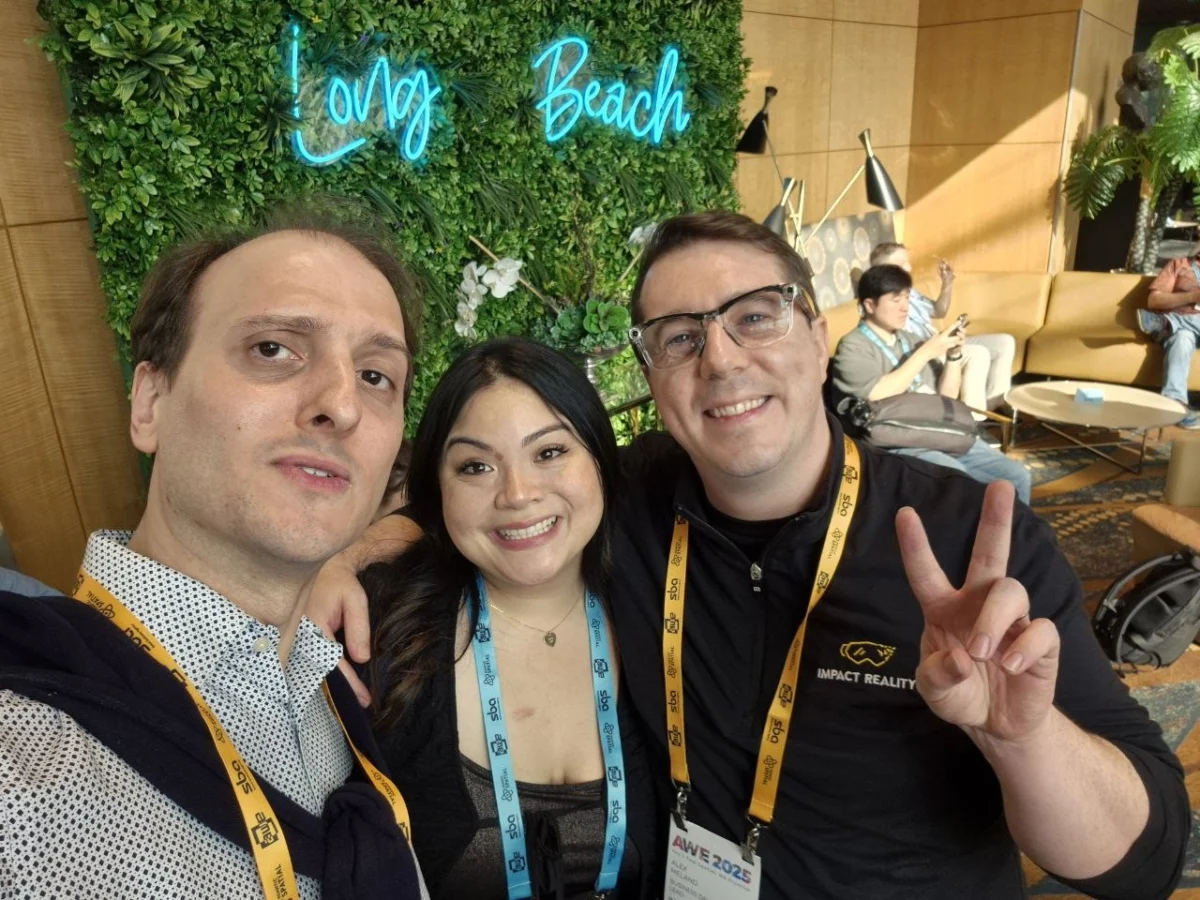
LONG BEACH, CA – The Extended Reality (XR) industry is bracing for its most significant week of the year as AWE (Augmented World Expo) USA 2026 prepares to open its doors in Long Beach, California. This year’s event marks a critical juncture in the global technology race, serving as the bridge between the rapidly advancing hardware manufacturing hubs of China and the software-driven innovation centers of Silicon Valley.
As the industry moves away from the bulky headsets of the early 2020s toward sleek, consumer-ready "AI glasses," the presence of independent developers, consultants, and tech scouts has become a vital barometer for market readiness. One such prominent voice in the community, the developer known as "The Skarred Ghost," has announced a high-stakes transition from an intensive scouting mission in Shenzhen and Hangzhou to the heart of the American XR ecosystem, highlighting the growing synergy—and competition—between the East and West.
Main Facts: The Strategic Importance of AWE USA 2026
AWE USA 2026 is projected to be the largest iteration of the conference to date, focusing heavily on the integration of Artificial Intelligence (AI) with Augmented Reality (AR) hardware. The event serves three primary functions for the global tech community:
- The Launchpad for Consumer AR: Unlike previous years focused on enterprise solutions, 2026 is widely regarded as the "Year of the Consumer." Major announcements, specifically from Snap Inc., are expected to define the category of standalone AR glasses for the general public.
- Cross-Continental Synergy: The event follows a period of intense activity in China, where giants like Huawei, TCL, and Alibaba have been accelerating the development of lightweight smartglasses. Experts returning from Asia bring insights into manufacturing efficiencies and optical breakthroughs that are currently unmatched in the West.
- The "Corridor Economy": While the stage presentations offer the vision, the floor of AWE serves as a marketplace for AR/VR consultancy, development contracts, and hardware partnerships. For independent experts and boutique firms, the event is a primary venue for negotiating the next generation of spatial computing applications.
Chronology: From the "Silicon Valley of Hardware" to Long Beach
The lead-up to AWE USA 2026 has been characterized by a frantic pace of global travel for industry stakeholders. The trajectory of leading XR consultants illustrates the physical and mental toll of keeping pace with a 24/7 global innovation cycle.
Phase I: The Asian Scouting Mission (May 2026)
Throughout May, key industry figures conducted deep-dive visits into China’s tech corridors. This included site visits to:

- Shenzhen (Huawei & TCL): Testing the latest iterations of AI-integrated audio glasses and bird-bath optical engines.
- Hangzhou (Alibaba): Observing the integration of e-commerce and spatial computing.
- The Prototyping Surge: Reports indicate that the sheer volume of new smartglasses prototypes in China has reached an all-time high, making it difficult for even seasoned experts to maintain an accurate count of emerging hardware.
Phase II: The European Pivot (Early June 2026)
A brief "breather" period in Europe allowed experts to synthesize findings from the East before heading West. This transition period is marked by significant logistical challenges, including navigating multiple time zones (from UTC+8 in China to UTC-7 in California), which highlights the grueling schedule required to maintain a global perspective on XR.
Phase III: The California Residency (June 6 – June 19, 2026)
The American leg of the journey begins in the San Francisco Bay Area on June 6. This period is dedicated to:
- Silicon Valley Networking: Meeting with venture capitalists and software giants to discuss the findings from the Chinese hardware sector.
- San Francisco Innovation Hubs: Visiting smaller startups that are developing the "connective tissue" (APIs and AI models) for the hardware seen in Asia.
Phase IV: AWE Intensive (June 15 – June 18, 2026)
The climax occurs in Long Beach. The four-day event is structured to maximize interaction between press, developers, and corporate executives. The schedule is notoriously demanding, often requiring participants to balance late-night technical writing with early-morning keynotes.
Supporting Data: The Hardware Landscape
The excitement surrounding AWE 2026 is backed by significant hardware milestones. Several "must-see" technologies are dominating the pre-conference discourse:
The Snap Spectacles (5th Generation)
The most anticipated event of the conference is the keynote by Snap Inc. CEO Evan Spiegel, scheduled for the morning of June 16. Industry insiders expect the unveiling of the new Snap Spectacles, which are rumored to be the first truly consumer-oriented AR glasses with a focus on social interaction and "wearability."

XREAL Project Aura
Following their success with the Air series, XREAL’s "Project Aura" has become a focal point for the developer community. Initial feedback from those who have tested early units suggests a significant leap in field-of-view (FoV) and spatial anchoring, though widespread hands-on opportunities have been limited until this event.
The "Project Swan" Mystery
Pico, the VR arm of ByteDance, has been quiet regarding "Project Swan." While many hope for a surprise announcement at AWE to rival the high-end headsets of competitors, analysts remain skeptical about a full reveal, suggesting the company may instead focus on software ecosystem updates.
Market Context
The shift from VR (Virtual Reality) to AR (Augmented Reality) is reflected in the attendee demographics. AWE 2026 has seen a 30% increase in registrations from the fashion and traditional eyewear industries, signaling that the "smart" element of glasses is finally catching up to the "style" requirement.
Official Responses and Industry Perspectives
While official corporate statements are often guarded, the sentiment among the "boots on the ground" provides a clearer picture of the industry’s health.
Organizing Committee (AWE):
In pre-event briefings, AWE organizers have emphasized that the "true beauty of AWE is not speaking on a stage, but meeting people in the corridors." This philosophy underscores the event’s shift from a lecture-based conference to a collaborative workshop. The emphasis is on "meaningful conversations" that lead to the development of the XR ecosystem.

The Developer Community:
Independent developers, such as those representing the Skarred Ghost blog, have noted a shift in their role. They no longer just report on tech; they act as intermediaries. "I’m traveling exactly for this reason," stated one developer regarding the need for face-to-face consultancy. "To meet people who want AR/VR consultancy services, or those who want to show off a super innovative XR product."
The Press and Analysts:
The press room at AWE has become a high-pressure environment. Journalists are increasingly tasked with translating complex optical physics and AI latency stats into digestible content for a public that is finally showing interest in wearing computers on their faces.
Implications: What AWE 2026 Means for the Future
The outcomes of AWE USA 2026 will likely dictate the trajectory of the XR market for the remainder of the decade. Several key implications are emerging:
1. The Death of the "Goggle" Aesthetic
The heavy focus on Huawei, XREAL, and Snap indicates that the industry has collectively decided that the future of XR is in glasses, not goggles. The goal is "all-day wearability." If the keynotes at AWE can prove that the battery life and thermal management of these devices are solved, we may see a rapid decline in the traditional VR headset market.
2. AI as the "Killer App"
The hardware seen in China during the May scouting missions proved that the optics are ready. However, the software has often lagged. AWE 2026 is expected to demonstrate that Generative AI is the missing link, providing the "intelligence" that makes smartglasses useful for more than just watching movies on a virtual screen.

3. Geopolitical Tech Convergence
The fact that experts are traveling directly from Huawei’s headquarters to Snap’s keynote highlights that the XR industry remains a globalized effort despite geopolitical tensions. The "Shenzhen-California" pipeline is still the most important axis in technology, with China leading in hardware iteration and the US leading in platform ecosystem and user experience.
4. The Rise of the Independent Expert
As the technology becomes more fragmented, the value of the independent consultant has skyrocketed. Companies are no longer looking for generalists; they need individuals who have physically tested the Huawei AI glasses in Shenzhen and the Snap Spectacles in California to provide a comparative analysis that cannot be found in a brochure.
Conclusion
As AWE USA 2026 kicks off, the eyes of the tech world are on Long Beach. The transition from the "most intriguing trip in China" to the "most important XR event of the year" represents more than just a personal journey for the attendees; it represents the maturation of an industry. Between the jokes of Ori Inbar and the high-stakes keynotes of Evan Spiegel, the future of how we perceive reality is being negotiated—one corridor conversation at a time.
For the developers, the work is just beginning. As they prepare to "fall asleep on their keyboards" while documenting the event, the rest of the world waits to see if 2026 will truly be the year that Augmented Reality becomes our everyday reality.



Leave a Comment