
From iPad Dreams to Cinematic Reality: Ryuya Suzuki’s "Jinsei" – A One-Man Animation Revolution

The COVID-19 pandemic, a global disruptor, unexpectedly catalyzed a remarkable artistic journey for Japanese filmmaker Ryuya Suzuki. What began as a necessity-driven pivot from live-action aspirations to self-taught animation has culminated in "Jinsei," a sweeping, century-spanning animated feature film that is both a testament to individual perseverance and a groundbreaking achievement in independent filmmaking. Suzuki, working almost entirely solo, has meticulously crafted a visually distinctive and emotionally resonant narrative, pushing the boundaries of what is possible with a singular vision and a digital canvas.
The Genesis of "Jinsei": A Pandemic Pivot and a Digital Awakening
Ryuya Suzuki’s path to animation was not a preordained one. Upon graduating from the Tohoku University of Art and Design, his sights were firmly set on the world of live-action cinema. However, the confluence of early career burnout and the unprecedented global lockdowns of 2020 forced a profound reevaluation. "The COVID-19 lockdowns of 2020 pushed many filmmakers into major career pivots out of necessity," the original article states. Suzuki, finding himself at a crossroads, "borrowed" an iPad from his retail job, loaded it with Procreate software, and embarked on a rigorous self-education in animation. This period of intense learning yielded two original short films, "Mahoroba" and "Lawless Love," which garnered positive reception, planting the seed for a much grander ambition.
The success of his shorts emboldened Suzuki to embark on an even more ambitious project: a feature-length animated film. He launched a crowdfunding campaign for "Jinsei," a project that would see him assume an astonishing array of roles. He was the writer, animator, editor, production designer, character designer, color designer, and composer. This level of solitary creative control is exceptionally rare, particularly for a feature film, and highlights Suzuki’s immense dedication and multifaceted talent. The only external contributions came from actors, including the rapper Ace Cool, Remi Chon, Kanji Tsuda, and Ayumu Nakajima, who lent their voices to the characters. Over an arduous 18-month production schedule, Suzuki operated as a true "one-man band," a descriptor that barely scratches the surface of his singular undertaking.
A Century of Life: The Narrative Arc of "Jinsei"
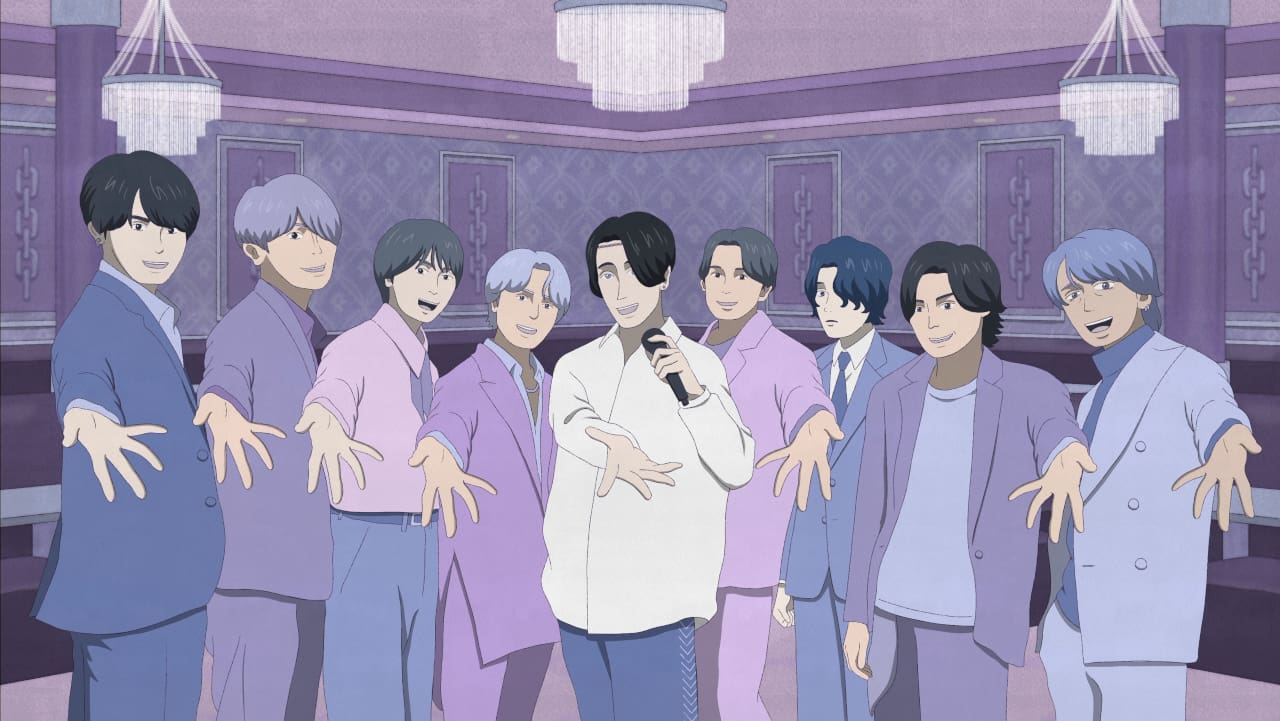
At its core, "Jinsei" chronicles the remarkable and often poignant life of its protagonist, Se-Chen, voiced by Ace Cool. The film spans a century, tracing Se-Chen’s journey through various names and identities as life steers him through unexpected twists and turns. Initially driven by a fervent desire to become a pop idol, Se-Chen’s path diverges in ways that are both surprising and deeply human. The narrative unfolds across ten distinct chapters, each contributing to the rich tapestry of a life lived across a century.
The film’s genesis from Suzuki’s personal experience is palpable. The very title, "Jinsei," translates from Japanese to "life," a direct reflection of the film’s thematic focus. The narrative structure, with its deliberate pacing and exploration of evolving identities, mirrors Suzuki’s own artistic evolution. The film’s journey through time is not merely a plot device; it’s an exploration of memory, change, and the enduring human spirit.
Visual Storytelling: A Distinctive Aesthetic Forged in Solitude
One of the most striking aspects of "Jinsei" is its distinctive visual style. Influenced by the introspective and character-driven nature of indie graphic novels like Craig Thompson’s "Blankets" and the Tamakis’ "This One Summer," Suzuki’s animation possesses a raw, expressive quality. This aesthetic was not born from a pre-existing studio pipeline but rather emerged organically from Suzuki’s solitary process.
.png)
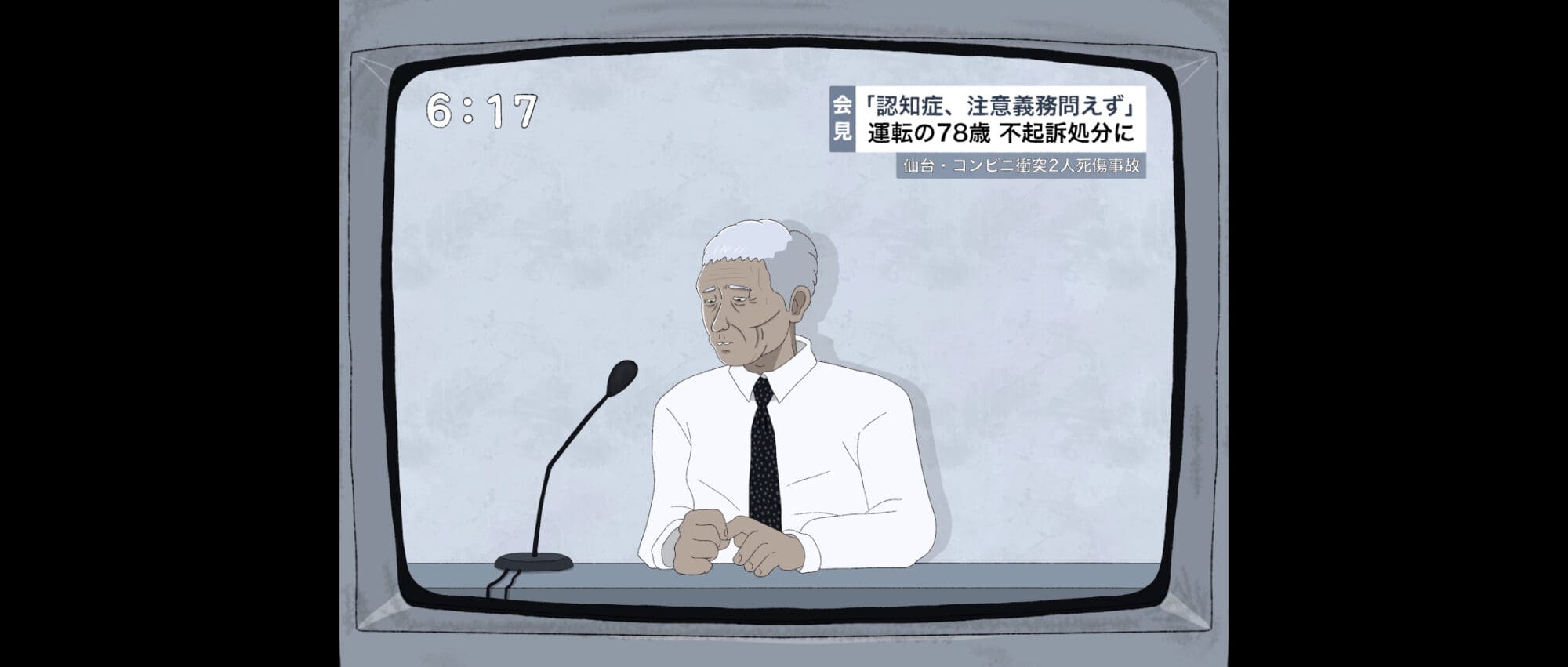
Crucially, "Jinsei" employs a unique approach to visual storytelling, with significant portions of the film unfolding without dialogue. This minimalist approach places immense emphasis on the power of visual cues and atmospheric nuance. Suzuki explained his inspiration: "Actually, it was a Crayon Shin-chan movie from around 2000. There’s a five-minute sequence with absolutely no dialogue that tells the story of an entire life, and that was a major influence on me." This deliberate choice to rely on visual exposition showcases Suzuki’s mastery of cinematic language, demonstrating that profound emotional impact can be achieved through carefully composed imagery and evocative animation.
The film’s visual dynamism is further enhanced by its evolving aspect ratio, shifting from a square format to widescreen. This experimental approach, influenced by Xavier Dolan’s "Mommy," serves multiple purposes. "I also wanted to avoid tiring myself out by drawing within the same frame the entire time, so working in a wider frame felt different," Suzuki revealed. "I also thought it would surprise audiences in the theater to see the aspect ratio change." This technical innovation not only keeps the visual presentation engaging but also becomes an integral part of the storytelling, mirroring the shifting perspectives and expanding scope of Se-Chen’s life.
Furthermore, the animation style itself is characterized by deliberate restraint. Suzuki intentionally minimizes constant movement, allowing stillness to amplify the impact of occasional bursts of action. "When things stay still for a long time, and then suddenly there’s a lot of movement, it creates a strong impression," he noted. This strategic use of motion conservation is a testament to Suzuki’s understanding of cinematic pacing and his ability to create powerful emotional resonance through subtle visual choices. It also, as he candidly admits, served as a practical measure to manage his energy over the demanding production.
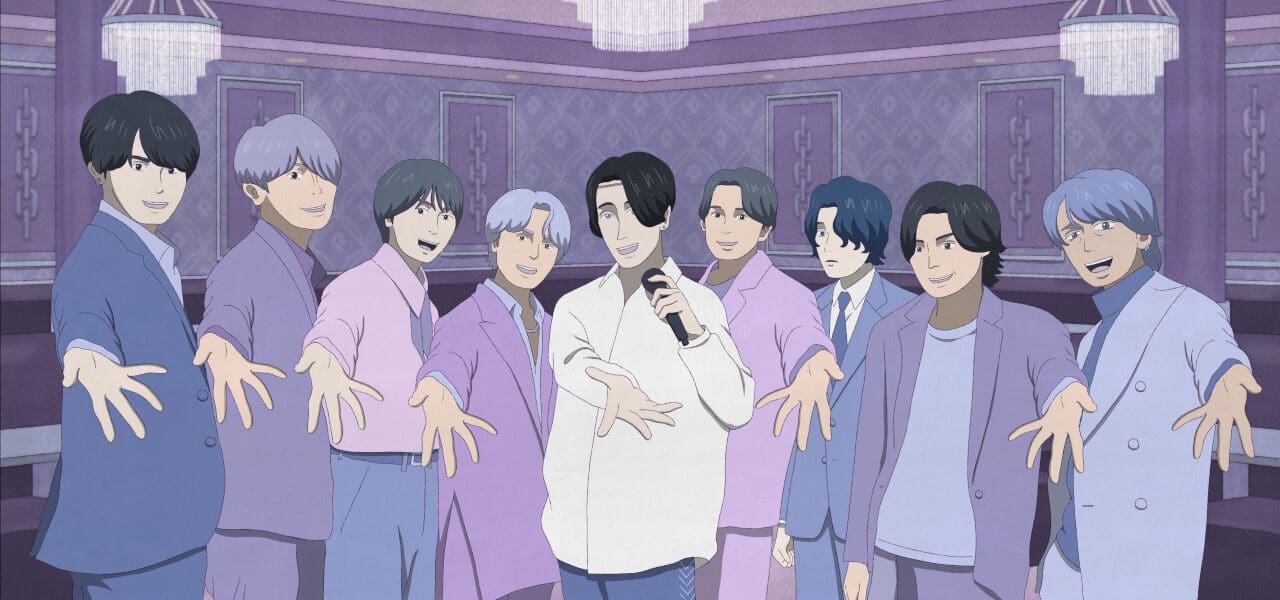
The film’s color palette is another crucial element of its expressive power. "Jinsei" transitions from grayscale and muted tones to black-and-white segments and eventually bursts into full color in its concluding chapters. This evolution was meticulously planned: "It was planned exactly as it appears in the film. I knew I wanted to use black and white at one point. It really felt like I was creating 10 different short films, so I developed thematic color palettes for each one. That also helped keep me from getting bored drawing the same thing over and over." This strategic use of color not only enhances the emotional arc of the narrative but also provides a distinct visual identity for each chapter, preventing thematic monotony and keeping the audience continually engaged.
Chronology of a Cinematic Endeavor: From Concept to Screen
The creation of "Jinsei" represents a remarkable feat of temporal compression and artistic dedication.
- 2020: The onset of the COVID-19 pandemic forces Ryuya Suzuki to pivot from live-action filmmaking. He begins self-teaching animation using an iPad and Procreate.
- Post-2020: Suzuki produces two original short animated films, "Mahoroba" and "Lawless Love," which receive positive feedback.
- Crowdfunding Campaign: Encouraged by the reception of his shorts, Suzuki launches a crowdfunding campaign to finance an original animated feature film, "Jinsei."
- 18-Month Production: Suzuki undertakes the monumental task of writing, animating, editing, designing, and composing "Jinsei" almost entirely on his own, with the exception of voice recordings.
- May 2025: "Jinsei" premieres in Japan.
- 2025: The film screens at the prestigious Annecy International Animation Film Festival, garnering international attention.
- June 12, 2026: "Jinsei" is set to receive a wide theatrical release in the U.S., distributed by Greenwich Media.
Supporting Data and Artistic Insights: The Making of "Jinsei"
The sheer scale of Suzuki’s undertaking is best illustrated by the quantitative and qualitative details he shared in his interview.

- Daily Output: Suzuki reveals an astonishing daily commitment, often spending around 13 hours on his iPad. This intense labor resulted in an average output of approximately five minutes of animation per month. This translates to roughly 90 minutes of film requiring over 15 months of dedicated animation work alone.
- Narrative Structuring: The film’s structure was not rigidly pre-determined but evolved organically. Suzuki started with a clear vision of a 100-year span, divided into 10 chapters, centered on an idol’s story, and strategically placing the film’s release year (2025) at the narrative midpoint. Beyond these core elements, much of the narrative unfolded during the animation process.
- Visual Influences: Beyond the aforementioned graphic novels and Crayon Shin-chan, Suzuki’s late-film explorations into outer space, reminiscent of 2001: A Space Odyssey and Fantastic Planet, were driven by a desire to create distance from daily life and explore profound themes, though he leaves the ultimate interpretation to the audience.
Official Responses and Industry Impact
The distribution of "Jinsei" by Greenwich Media signifies a growing recognition of independent animated features and the unique storytelling potential they offer. The film’s inclusion at Annecy, a globally renowned festival for animation, further solidifies its artistic merit and positions it as a significant entry in the international animation landscape. The widespread U.S. theatrical release suggests confidence from distributors in the film’s appeal to a broader audience, potentially beyond the typical anime fanbase.
Implications and the Future of Independent Animation
Ryuya Suzuki’s "Jinsei" is more than just a film; it’s a paradigm shift in independent animation. It demonstrates that a singular artistic vision, coupled with relentless dedication and the accessibility of modern digital tools, can result in a feature-length cinematic experience of profound artistic and emotional depth.
Suzuki’s journey highlights the potential for artists to circumvent traditional studio systems and create work on their own terms. The success of "Jinsei" may inspire a new generation of animators to embrace solo creation, challenging the notion that large teams are an indispensable requirement for feature film production.
However, Suzuki himself acknowledges the immense toll of such an endeavor. "I don’t want to make another feature film alone," he stated. "I’m 31 years old, and I don’t want to still be stuck in a room at this age, spending all that time sitting down." His aspiration now is to work with a professional staff on larger-scale anime productions. This desire underscores the need for sustainable models within the independent animation sector, where artists can continue to innovate without sacrificing their well-being or limiting their creative ambitions.
"Jinsei" is a powerful reminder that compelling stories can emerge from the most unexpected circumstances and from the most dedicated individuals. Ryuya Suzuki’s solitary creation is not just a film to be watched, but an inspiration to be emulated, a testament to the enduring power of human creativity in the face of adversity. The film’s release marks a significant moment, not only for Suzuki but for the broader landscape of independent animation, proving that a single voice can indeed create a symphony of cinematic brilliance.

Leave a Comment