Hollywood’s Blockbuster Deal Hits a Legal Snag: Paramount-Warner Bros. Discovery Merger Temporarily Halted Amid Antitrust Concerns
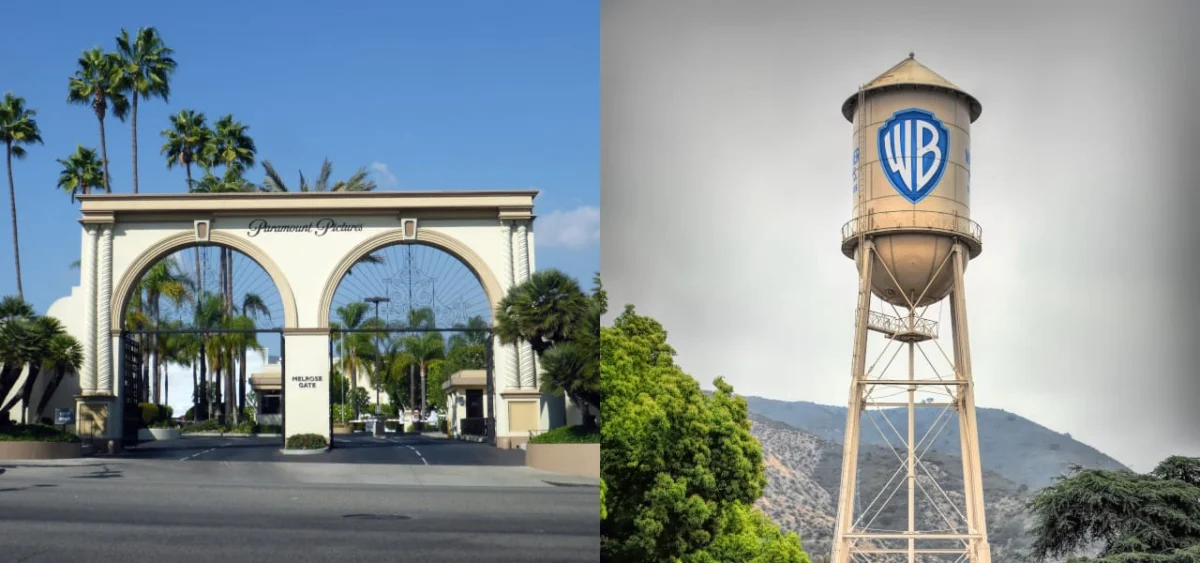
Los Angeles, CA – July 22, 2026 – The highly anticipated $110 billion acquisition of Warner Bros. Discovery (WBD) by Paramount, spearheaded by David Ellison’s Skydance Media, has encountered a significant legal hurdle. U.S. District Judge Araceli Martínez-Olguín issued a 14-day restraining order on Monday, temporarily freezing the landmark deal and injecting a fresh wave of uncertainty into Hollywood’s future landscape. This judicial intervention stems from an antitrust lawsuit filed by California and a coalition of 11 other states, who contend that the proposed merger would fundamentally disrupt the competitive balance of the entertainment industry, potentially leading to detrimental consequences for consumers and workers alike.
The restraining order mandates that the companies refrain from finalizing the transaction until a crucial hearing scheduled for August 3. This delay, while temporary, underscores the gravity of the legal challenges facing one of the most ambitious media mergers in recent history. The states’ lawsuit articulates a compelling case, arguing that the consolidation of two of Hollywood’s most formidable studios would inevitably lead to reduced competition, an escalation in pricing for consumers, and a contraction in job opportunities within the industry, alongside a potential diminishment of diverse content offerings. Their complaint projects that the combined entity would command an imposing 27% share of the domestic market for widely released films, a figure that has raised red flags among regulators.
The Growing Anxiety Within Hollywood’s Ranks
Behind the scenes, the legal maneuvering has amplified existing anxieties among employees at both Paramount and Warner Bros. Discovery. According to a report by Business Insider, a palpable sense of unease pervades both organizations. Many anticipate a significant wave of layoffs as overlapping departments and functions are inevitably consolidated following the completion of any transaction. This prospect of further workforce reductions is a grim reality for many who have already navigated previous industry restructurings.
Adding another layer of concern, some Paramount employees reportedly harbor fears that the potential collapse of the acquisition could precipitate deeper financial instability for their own company. The deal, while offering a potential lifeline, also carries inherent risks, and its failure could have significant repercussions for Paramount’s ongoing operational and financial health.
A Chronology of the Deal’s Rocky Road
The journey towards the potential Paramount-WBD merger has been a complex and often tumultuous one. Discussions between Skydance Media and Paramount Global have been ongoing for an extended period, marked by intricate negotiations and shifting alliances. The initial proposal from Skydance aimed to acquire Paramount Global, which would then facilitate the integration of its assets with Warner Bros. Discovery.
However, the path to this monumental deal has been fraught with challenges. Reports of internal dissent at Paramount, coupled with the scrutiny of antitrust regulators, have cast a long shadow. The filing of the antitrust lawsuit by the coalition of states represents a significant escalation in the opposition to the merger.
Key Milestones:
- Early 2026: Initial reports surface regarding exploratory discussions between Skydance Media and Paramount Global regarding a potential acquisition.
- Spring 2026: Skydance Media formally presents a bid to acquire Paramount Global, with plans to subsequently integrate Warner Bros. Discovery’s assets.
- June 2026: The Department of Justice, under the Trump administration, reportedly grants early approval for the merger, a development that initially signaled a smoother regulatory path.
- July 2026: California and 11 other states file an antitrust lawsuit, seeking to block the merger on competition grounds.
- July 22, 2026: U.S. District Judge Araceli Martínez-Olguín issues a 14-day restraining order, temporarily halting the transaction pending further legal review.
- August 3, 2026: A critical hearing is scheduled to determine whether the temporary restraining order will be extended as the states’ lawsuit proceeds.
Supporting Data: The Market Share and Financial Stakes
The antitrust concerns are not without substantial backing. The states’ complaint highlights the potential market dominance of a merged entity, estimating that it would control a significant portion of the domestic film release market. This concentration of power in the hands of a single studio raises concerns about the potential for reduced investment in independent productions, fewer opportunities for emerging filmmakers, and a homogenization of cinematic offerings.
Beyond market share, the financial implications of the deal’s delay are substantial. The acquisition agreement includes clauses that impose significant financial penalties on Paramount if the transaction is not completed by a specific deadline. According to industry reports, Paramount faces the prospect of paying Warner Bros. Discovery shareholders approximately $7 million for each day the deal remains unfinished after September 30. Furthermore, a substantial $7 billion breakup fee could be levied if the transaction ultimately fails. These escalating costs underscore the immense pressure to navigate the current legal quagmire swiftly and successfully.
Official Responses and Regulatory Scrutiny
The restraining order issued by Judge Martínez-Olguín represents a clear signal of the judiciary’s commitment to thoroughly examining the potential ramifications of this colossal merger. The coalition of states, in their lawsuit, has articulated a robust argument centered on the Sherman Act and other antitrust legislation, emphasizing the potential for anticompetitive practices.
.png)
While the Department of Justice under the Trump administration had reportedly given its initial blessing to the deal, the intervening lawsuit by the states introduces a new and significant layer of regulatory scrutiny. This divergence in regulatory perspectives highlights the complex and often nuanced nature of antitrust enforcement in the rapidly evolving media landscape. The upcoming August 3 hearing will be pivotal in determining the immediate future of the merger, as the judge will weigh the arguments for extending the delay against the companies’ desire to move forward.
Broader Implications for Hollywood’s Ecosystem
The potential merger of Paramount and Warner Bros. Discovery, if it were to proceed, would undoubtedly reshape the contours of the global entertainment industry. The consolidation of such vast resources and intellectual property portfolios could lead to a more concentrated market, potentially impacting everything from content creation and distribution to talent negotiations and exhibition.
Key areas of potential impact include:
- Content Diversity: Concerns exist that a larger, more consolidated entity might prioritize blockbuster franchises and commercially safe bets over a wider array of niche or independent productions, potentially limiting artistic expression and audience choice.
- Labor Market: The anticipated layoffs raise significant concerns for the thousands of individuals employed within the film and television sector. The ripple effects could extend to ancillary industries that support studio operations.
- Consumer Impact: An increase in market concentration could translate to higher prices for streaming services, movie tickets, and other forms of entertainment. The reduction in competition could also diminish innovation and responsiveness to consumer demands.
- Technological Innovation: The sheer scale of a merged entity could grant it immense power to influence the direction of technological advancements in content delivery and production, potentially shaping the future of how audiences consume media.
- Global Competition: The merger would create a formidable player on the global stage, impacting the competitive dynamics with international media giants and potentially influencing regulatory approaches in other countries.
The current legal challenge, while a temporary setback, serves as a crucial moment for reflection and rigorous oversight. The outcome of this legal battle will not only determine the fate of a $110 billion deal but will also have profound and lasting implications for the future of Hollywood and the entertainment industry as a whole. The industry, along with consumers and workers, will be closely watching the unfolding legal proceedings and their ultimate impact on the silver screen and beyond.