
The Dawn of Ultra-Compact PC Mixed Reality: An In-Depth Analysis of DPVR’s "Project Titan"
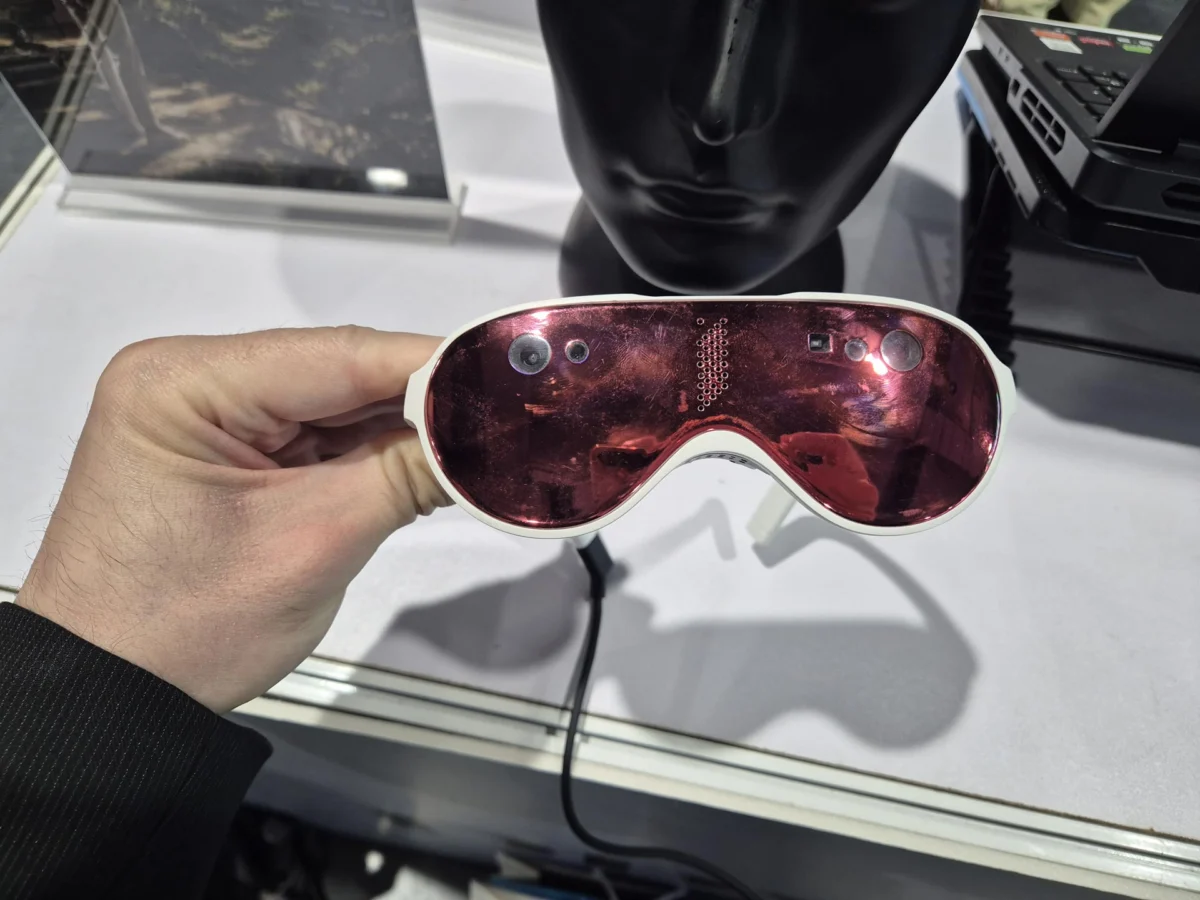
The landscape of virtual and mixed reality is currently undergoing a radical transformation, shifting away from the bulky "shoebox" form factors of the last decade toward sleek, wearable optics that resemble traditional eyewear. At the recent VR AR Expo China, DPVR—a titan of the Chinese XR industry—unveiled its latest ambitious endeavor: Project Titan. This PC-based mixed reality (MR) headset promises to marry high-fidelity performance with a form factor so small it challenges the current limitations of thermal dynamics and optical engineering.
While DPVR remains a specialized name in Western consumer markets, its footprint in the East is massive, having dominated the 3DOF (three degrees of freedom) shipments for educational and enterprise sectors for years. With Project Titan, the company is signaling a pivot toward the high-end "prosumer" and enterprise MR market, aiming to deliver a device that is as powerful as it is portable.
Main Facts: What is Project Titan?
Project Titan is the codename for DPVR’s upcoming flagship PC mixed reality headset. Unlike standalone devices like the Meta Quest 3, Project Titan is designed to leverage the raw processing power of external hardware (Windows PCs and potentially Android host devices) to drive ultra-high-resolution visuals.
Key Specifications (Targeted for Final Release):
- Resolution: 4K per eye (utilizing MicroOLED technology).
- Field of View (FOV): Approximately 100 degrees.
- Optics: Pancake lenses for reduced depth and weight.
- Tracking: 6DOF (six degrees of freedom) inside-out tracking.
- Connectivity: Cross-platform compatibility (Windows/Android).
- Target Audience: Enterprise professionals, medical simulation, and high-end VR enthusiasts.
The most striking feature of Project Titan is its aesthetic. The device abandons the traditional headset strap and gasket system in favor of a "big sunglasses" look. This design philosophy aims to reduce the social isolation and physical strain often associated with prolonged VR use.

Chronology: From Reference Design to Future Prototype
The journey of Project Titan, as revealed at the VR AR Expo, provides a fascinating look into the iterative nature of hardware development.
The Expo Reveal
During the opening days of the VR AR Expo China, DPVR showcased a physical prototype of Project Titan. Attendees were greeted with a device that looked remarkably polished—a lightweight, colorful pair of glasses that stood in stark contrast to the monochrome industrial design of competitors.
The GravityXR Connection
Upon closer inspection and hands-on testing, it became clear that the current iteration of Project Titan is heavily rooted in the GravityXR reference design. GravityXR is a specialized chip and hardware designer known for the Gravity X100 chip, which aims to power the next generation of ultra-compact MR glasses.
In a candid exchange at the DPVR booth, company representatives and CEO Sunny Chen confirmed that the headset currently on display is a physical manifestation of the GravityXR reference architecture. This stage of development is crucial; it allows DPVR to test the ergonomics and basic interface of the device while the internal "guts" are being upgraded for the final product.
The Path to 2027
The current prototype utilizes 2.5K displays and offers a 75° FOV. However, DPVR’s roadmap for the official "Project Titan" involves a significant technological leap. The transition from the reference design to the consumer-ready product will involve:

- Upgrading displays from 2.5K to 4K MicroOLED per eye.
- Expanding the FOV from 75° to the industry-standard 100°.
- Finalizing the "split-processing" architecture to handle thermal output.
Supporting Data: Technical Hurdles and Thermal Management
The ambition of Project Titan brings with it significant engineering challenges, most notably in the realm of thermal management.
The Heat Challenge
Initial hands-on reports from the Expo highlighted a significant issue: the prototype’s bridge and central chassis reached temperatures described as "lava-like." This is a common failure point for compact XR glasses. When high-resolution data is processed in a chassis with minimal surface area for heat dissipation, the device quickly becomes uncomfortable or undergoes thermal throttling.
The "Offloading" Solution
To combat this, DPVR and GravityXR are implementing a split-computing strategy. By offloading approximately 50% of the computational burden to the host machine (the PC), the Gravity X100 chip inside the headset can focus on low-latency tracking and image re-projection. This reduces the power draw and heat signature of the headset itself, theoretically allowing for the 4K-per-eye resolution without causing physical discomfort to the user’s forehead.
MicroOLED Advantage
The choice of 4K MicroOLED is pivotal. MicroOLEDs offer significantly higher pixel density than the LCDs found in mid-range headsets, allowing for a "retina" quality experience where the "screen-door effect" is entirely eliminated. Furthermore, because MicroOLEDs are self-emissive, they allow for a thinner optical stack, which is essential for maintaining the "sunglasses" profile of Project Titan.
Official Responses: Insights from CEO Sunny Chen
In discussions at the event, DPVR CEO Sunny Chen provided clarity on the project’s positioning and timeline. Chen emphasized that Project Titan is not intended to be a mass-market budget device.

On Pricing:
While a specific MSRP was not disclosed, Chen noted that "two 4K MicroOLED displays are going to be expensive." This suggests a price point that will likely compete with the Bigscreen Beyond or the Apple Vision Pro, rather than the Meta Quest series. The cost of manufacturing high-yield MicroOLED panels remains one of the primary barriers to entry for ultra-compact VR.
On the Launch Window:
DPVR is targeting CES 2027 for the official commercial launch. This timeline allows the company nearly two years to refine the hardware, solve the thermal issues, and ensure that the software ecosystem for PC-to-headset communication is seamless.
Market Implications: The Future of PC VR
Project Titan arrives at a time when the VR industry is divided. While the "standalone" (all-in-one) market is dominated by Meta, there remains a dedicated and growing "prosumer" segment that demands the fidelity only a PC can provide.
The Return to PC VR
By focusing on a PC-tethered (or host-dependent) model, DPVR is catering to users who prioritize visual clarity over total wireless freedom. For enterprise applications—such as surgical training or high-end architectural visualization—the compression artifacts of wireless standalone VR are often unacceptable. Project Titan aims to fill this gap with a device that is light enough to wear for an eight-hour workday but powerful enough to render complex CAD files.
Form Factor as a Catalyst for Adoption
The "sunglasses" design is more than just an aesthetic choice; it is a psychological one. Large headsets create a "mask" effect that can be intimidating in professional settings. A device that looks like high-end eyewear lowers the barrier for social interaction within mixed reality environments, potentially making Project Titan a more viable tool for collaborative office work.

Ecosystem and Ancillary Innovations
Beyond Project Titan, DPVR’s presence at the Expo showcased a broader ecosystem of XR technology, highlighting the company’s versatility.
Robotic Integration
One of the more experimental demos at the booth involved the use of DPVR controllers paired with Udexreal haptic gloves to control a robotic arm. This teleoperation setup allowed users to manipulate physical objects in the real world through a VR interface. While the technology is still in its nascent stages—with testers noting the difficulty of fine motor tasks like grasping a plastic bottle—it underscores DPVR’s commitment to industrial and "Industry 4.0" applications.
AI Integration: "Hey Sunny"
DPVR is also expanding into the "AI Glasses" market with six new models featuring an integrated AI assistant named "Sunny" (a nod to the CEO). This move mirrors the industry trend seen with the Ray-Ban Meta glasses, where the hardware serves as a conduit for Large Language Models (LLMs). The integration of AI into the DPVR ecosystem suggests that the final version of Project Titan may also feature sophisticated voice-activated AI tools to assist users in navigating complex MR environments.
Conclusion: A High-Stakes Bet on 2027
DPVR’s Project Titan is a bold statement of intent. By leveraging the GravityXR reference design and pushing it toward 4K MicroOLED standards, DPVR is attempting to leapfrog the current generation of bulky MR hardware.
The success of the project will ultimately hinge on two factors:

- Thermal Resolution: Can they truly cool a 4K system enough to sit on a user’s face?
- Market Timing: By 2027, the MR landscape will be even more crowded. DPVR will need to ensure that Titan’s "sunglasses" form factor remains a unique selling point against future offerings from Apple, Meta, and Samsung.
Given DPVR’s long-standing reliability in the enterprise sector and its deep roots in the Chinese manufacturing ecosystem, the company is well-positioned to deliver on these promises. If Project Titan succeeds, it could represent the definitive shift of PC VR from a niche hobbyist peripheral to a sleek, essential tool for the modern professional. All eyes will now be on CES 2027 to see if this "Titan" can live up to its name.




Leave a Comment