
The High-Resolution Revolution: Sony A7R VI vs. A7R V – A New Paradigm for Professional Photography
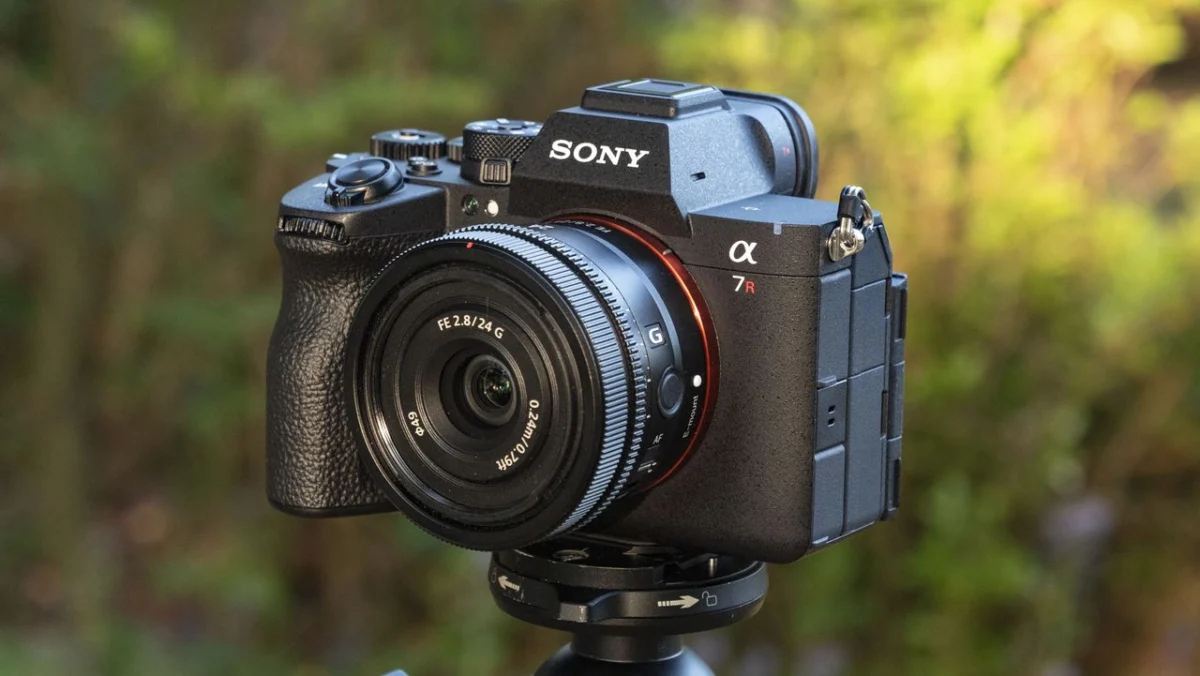
The mirrorless camera market has long been a battlefield of trade-offs. Photographers have traditionally been forced to choose between the raw, detail-rich power of high-resolution sensors and the blistering speed required for sports and action. With the launch of the Sony A7R VI, that era of compromise appears to be over. Described by industry experts as "the perfect camera," the A7R VI represents the most significant leap in the ‘R’ series lineage to date, challenging not only its predecessor, the A7R V, but also the flagship dominance of the Sony A1 II and rivals from Canon and Nikon.
Main Facts: The Evolution of Excellence
The Sony A7R VI arrives as the new benchmark for full-frame mirrorless cameras. While its predecessor, the A7R V, was a formidable tool, the Mark VI introduces a series of "firsts" for the line that transform it from a specialized landscape and studio tool into a versatile powerhouse.
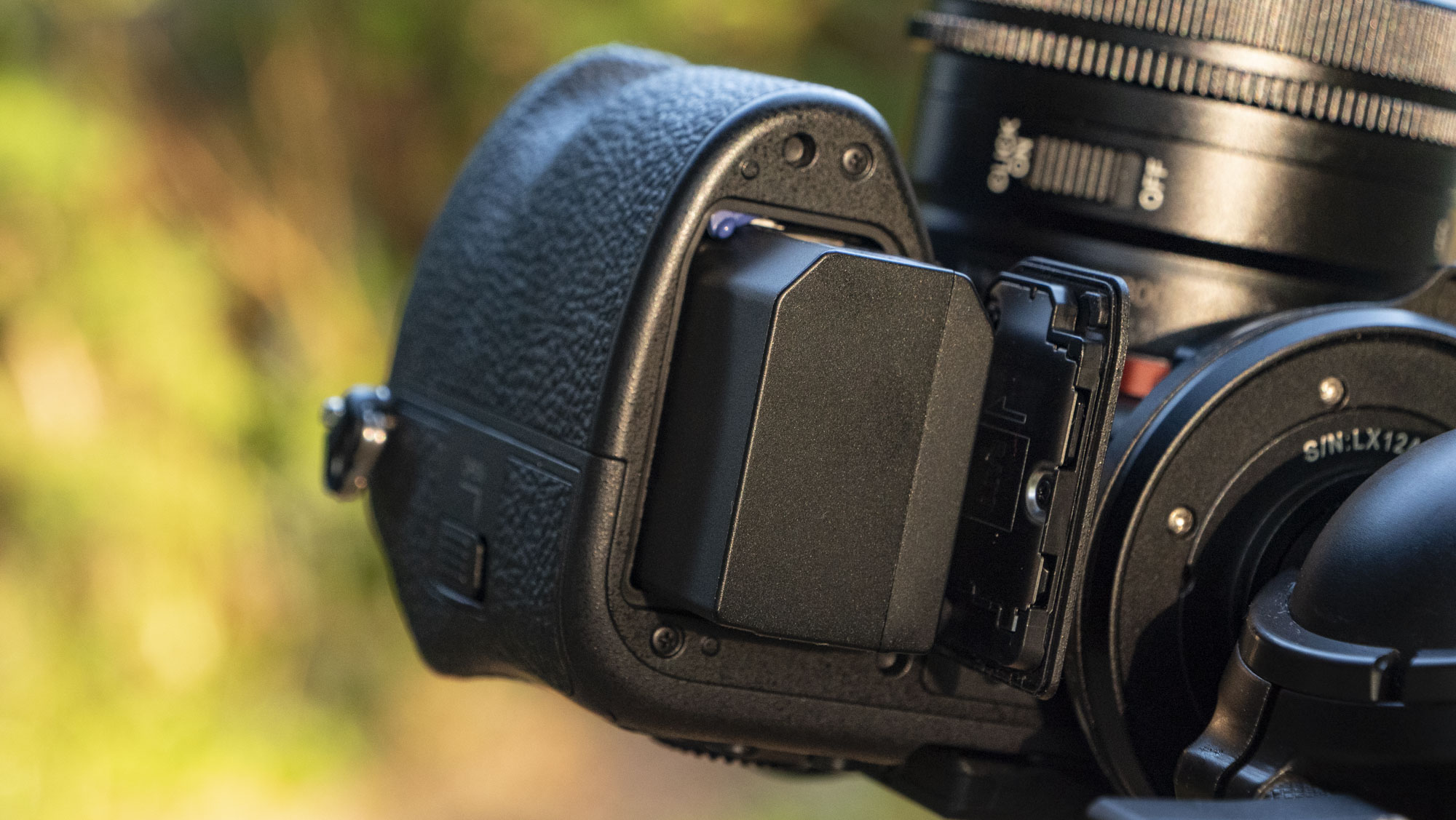
The most critical upgrade is the transition to a 66.8MP stacked CMOS sensor. This is not merely a bump in pixel count; the "stacked" architecture allows for significantly faster readout speeds, virtually eliminating the rolling shutter issues that plagued previous high-resolution models. Furthermore, the A7R VI marks the debut of the NP-SA100 battery, Sony’s first new battery for full-frame mirrorless cameras in nearly a decade, offering a 17% increase in capacity.
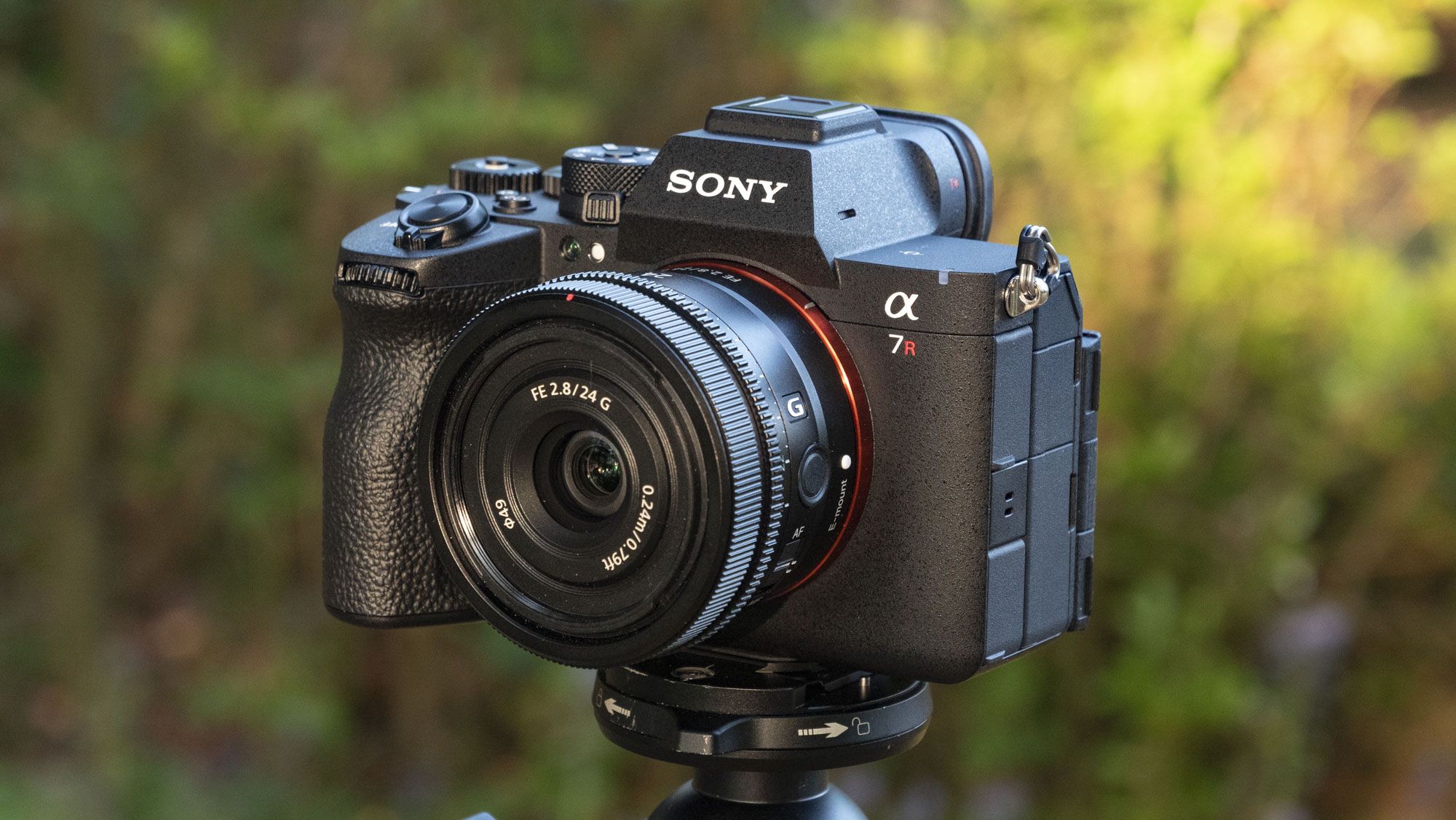
Combined with a unified Bionz XR 2 processor and AI chip, the A7R VI delivers up to 16 stops of dynamic range and 30fps burst shooting. These specifications don’t just put the A7R VI at the top of the resolution charts; they place it within striking distance of professional sports cameras, fundamentally altering the value proposition for professional photographers.
Chronology: Three Years of Innovation
To understand the impact of the A7R VI, one must look at the timeline of Sony’s high-resolution development. The ‘R’ (Resolution) series has historically pushed the boundaries of what a 35mm sensor can achieve:
- November 2022: Sony releases the A7R V. It utilizes the 61MP sensor found in the A7R IV but introduces a dedicated AI processing unit for autofocus. It is hailed as the best resolution camera on the market, though it remains limited by the readout speeds of a non-stacked sensor.
- 2023–2024: Rivals Canon and Nikon release the EOS R5 Mark II and the Z8, respectively. Both cameras utilize stacked sensors with 45MP, offering a blend of speed and resolution that begins to lure Sony users away from the aging 61MP non-stacked architecture.
- Present Day: Roughly three-and-a-half years after the A7R V, Sony responds with the A7R VI. By moving to a 66.8MP stacked sensor, Sony reclaims the resolution crown while matching the speed of its rivals, effectively ending the three-year cycle of the A7R V as the reigning king of detail.
Supporting Data: A Technical Deep Dive
The A7R VI is defined by its hardware. Below is a detailed breakdown of how the new model compares to the A7R V and the broader market.
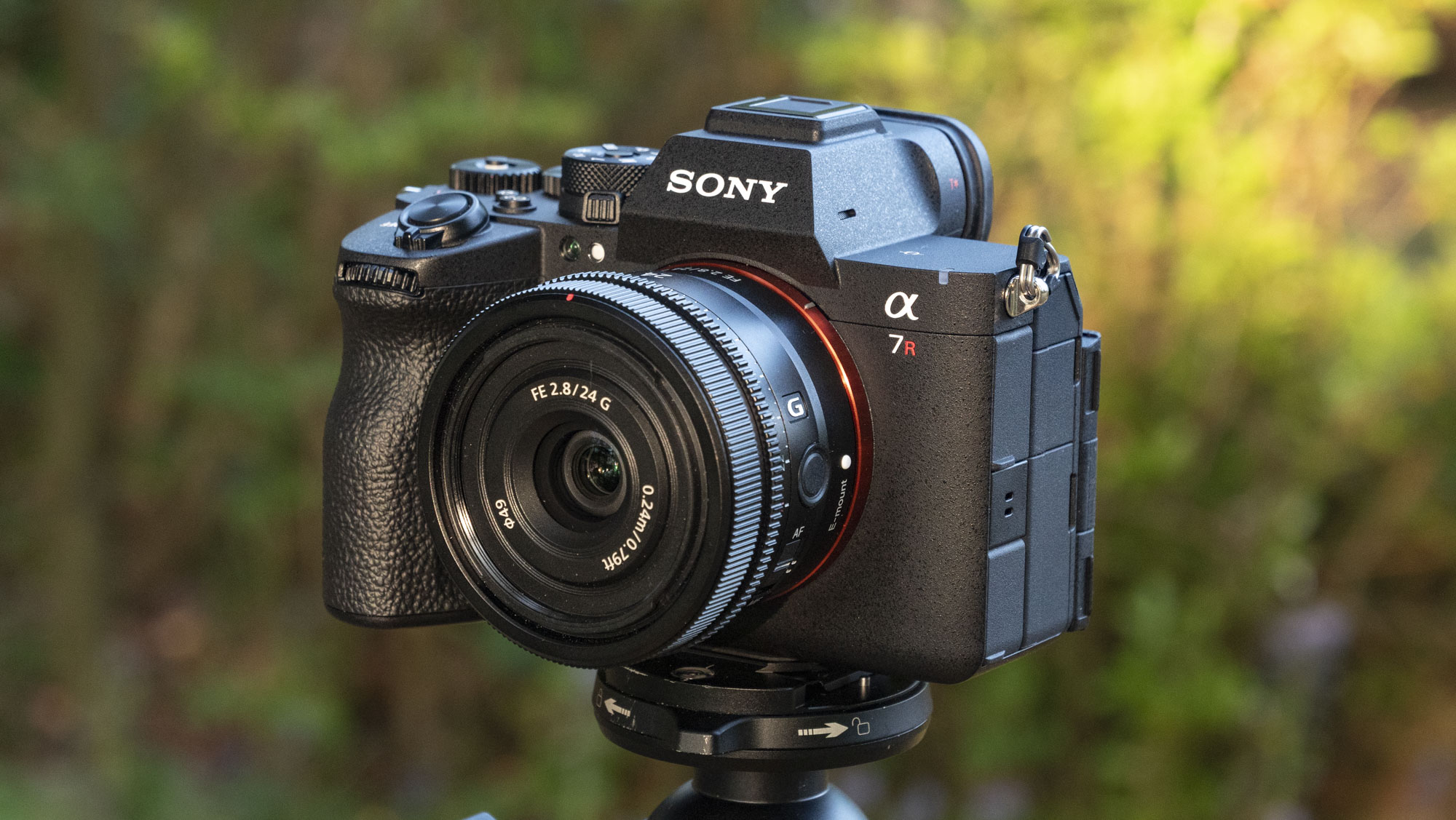
1. Sensor Architecture and Resolution
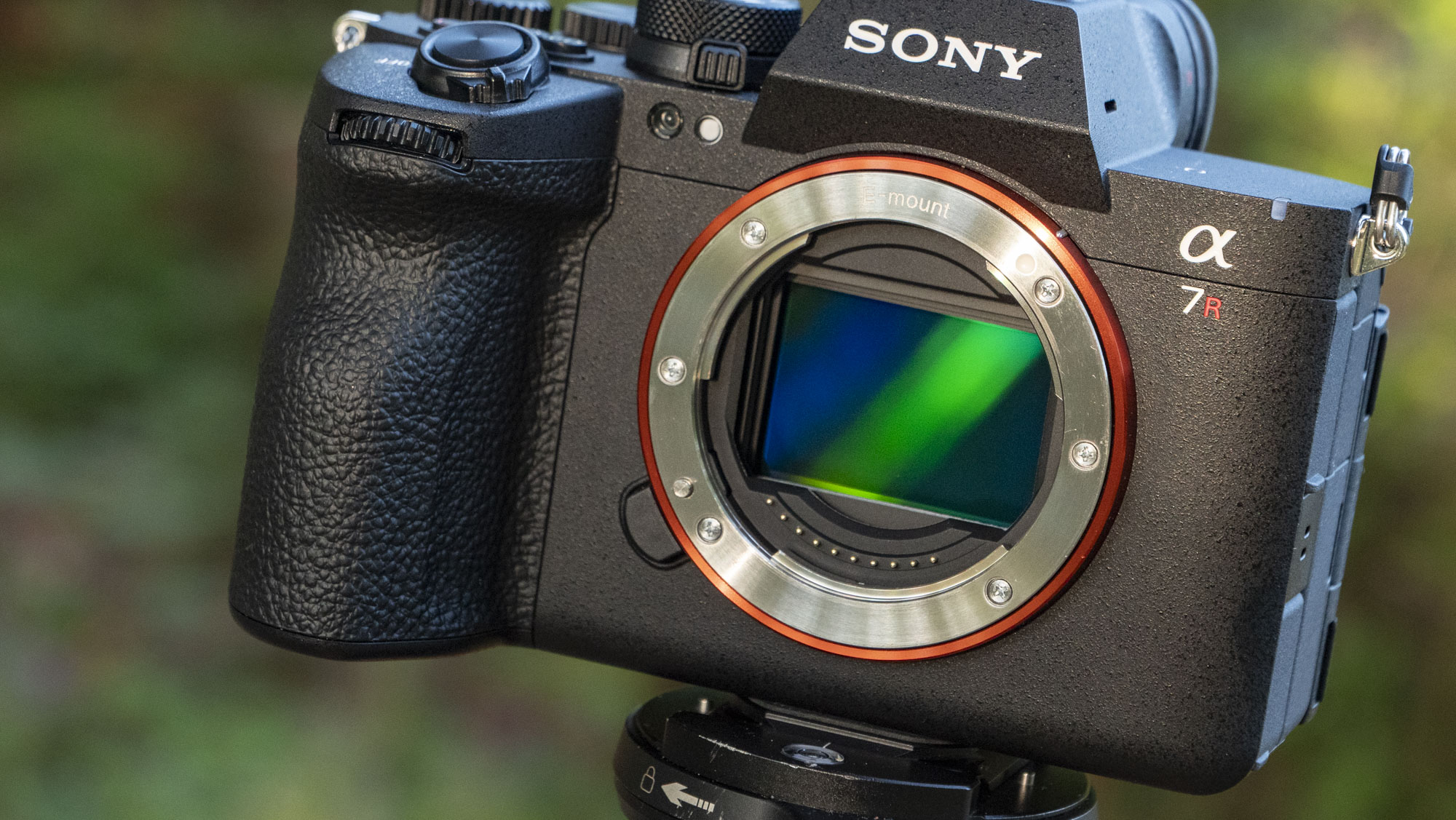
While the A7R V featured a 61MP sensor, the A7R VI increases this to 66.8MP. While a ~6MP increase may seem marginal on paper, the architecture is the true story.
- Readout Speed: The stacked sensor allows the A7R VI to process data much faster than the A7R V. This is crucial for electronic shutter use, where "rolling shutter" (distortion of fast-moving objects) is now significantly reduced.
- Dynamic Range: Sony claims a class-leading 16 stops of dynamic range, a one-stop improvement over the predecessor. This is aided by new "Dynamic Range Boost" settings that optimize shadows and highlights in high-contrast scenes.
2. The Battery Revolution
For nine years, the NP-FZ100 battery was the gold standard for Sony. The A7R VI breaks this streak with the NP-SA100.
- Capacity: 2,670mAh compared to the previous 2,280mAh.
- Performance: This 17% increase in raw capacity translates to longer field days, a critical factor for wedding photographers and wildlife enthusiasts.
- The Cost of Progress: The new battery is physically larger, meaning existing Sony users must invest in an entirely new ecosystem of batteries and chargers, as the A7R VI is not backward compatible with the NP-FZ100.
3. Autofocus and Processing
The A7R VI integrates the Bionz XR 2 processor with a dedicated AI chip.
- "Auto" Subject Detection: Unlike the A7R V, which required users to manually switch between "Human," "Animal," or "Bird" modes, the A7R VI features an "Auto" mode that identifies the subject type instantly.
- Stabilization: The In-Body Image Stabilization (IBIS) has been refined to 8.5 stops in the center, providing a slight but noticeable edge over the 8-stop system in the A7R V.
4. Physical Handling and Ergonomics
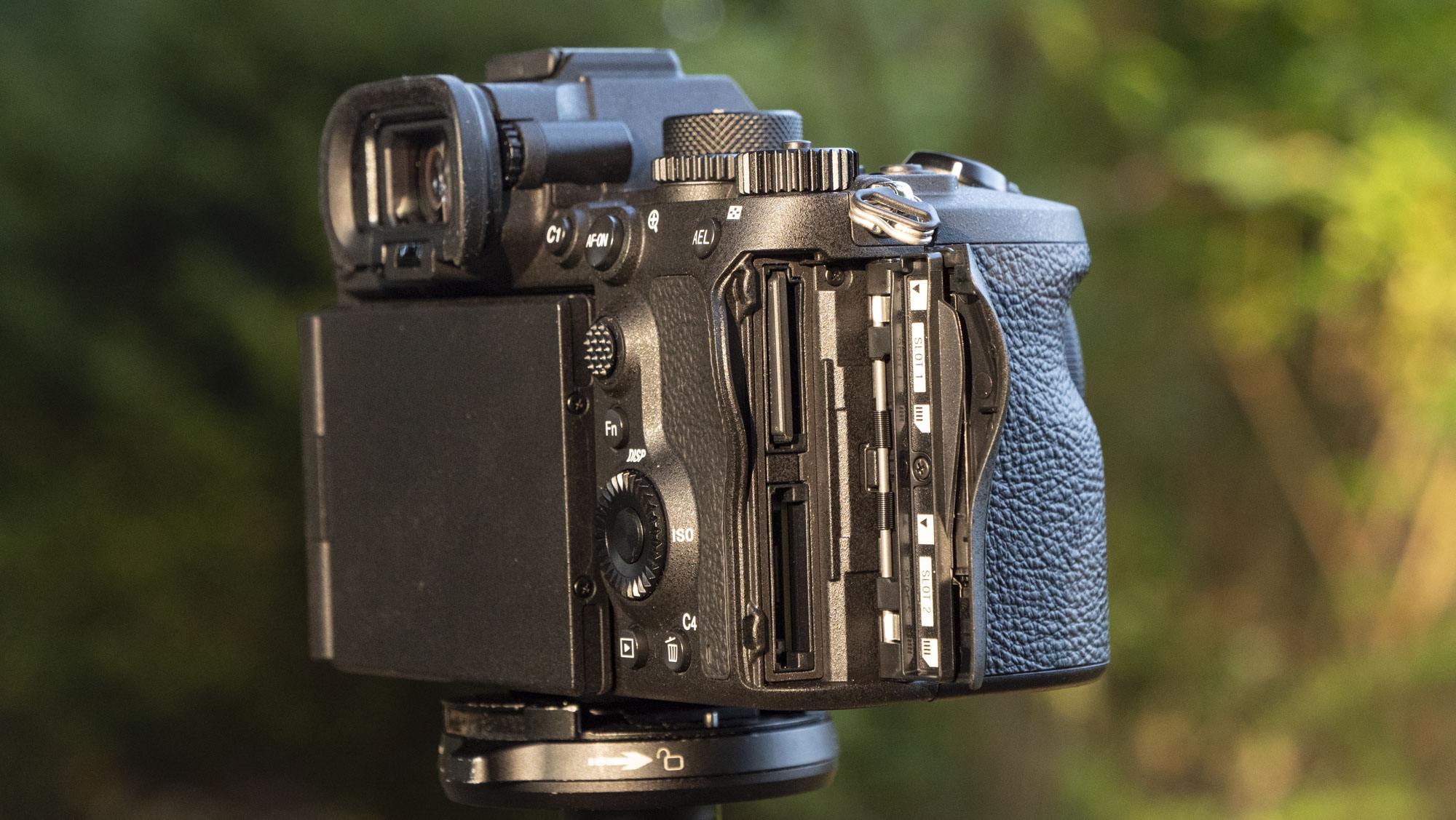
The larger battery necessitated a larger grip, which reviewers have noted improves the handling of heavy G-Master lenses.
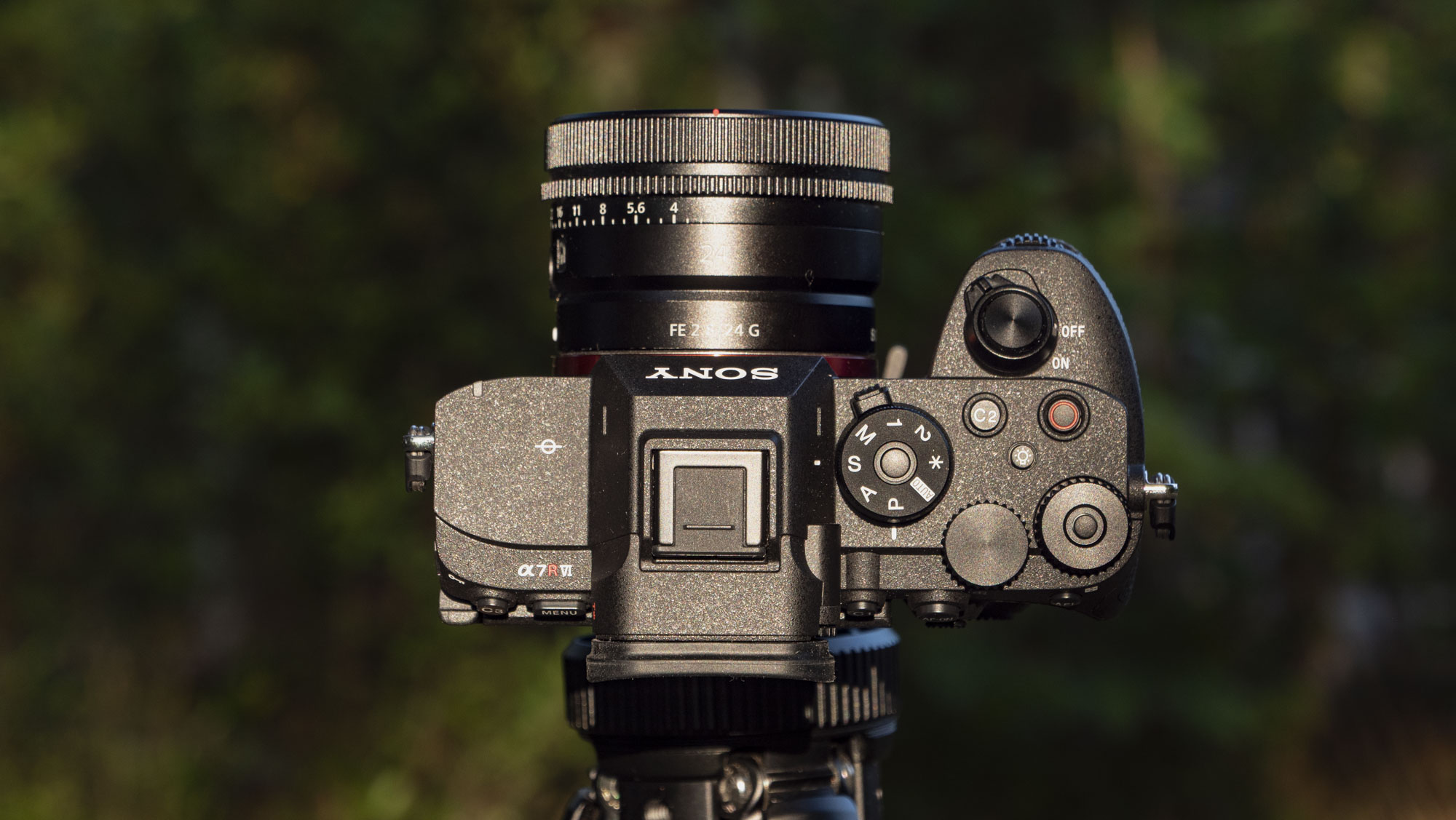
- Backlit Buttons: A new "Lamp" button illuminates the camera’s controls, a godsend for astrophotographers and event shooters working in dark venues.
- Viewfinder: The 9.44m-dot EVF remains the highest resolution in its class, but Sony has increased the brightness by 3x, making it far more usable in direct sunlight.
Official Positioning and Expert Analysis
Sony’s official positioning for the A7R VI is that of a "no-compromise" professional tool. By pricing it at approximately £4,000 (roughly $4,500–$5,000), Sony is placing it directly against the Canon EOS R5 Mark II.
Industry experts, including veteran tech journalists, suggest that the A7R VI is a strategic move to protect Sony’s market share against the Nikon Z8. While the Nikon Z8 is often praised for its "mini-Z9" performance, it maxes out at 45MP. Sony’s decision to provide nearly 67MP with stacked speed creates a unique niche that neither Canon nor Nikon currently fills.
Furthermore, the A7R VI narrows the gap with Sony’s own flagship, the A1 II. While the A1 II remains the king of pure speed (offering even faster readout and slightly higher burst rates), the A7R VI offers higher resolution for £2,000 less. For many professional photographers, the A7R VI represents the "sweet spot" of the Sony lineup.
Implications: Should You Upgrade or Switch?
The arrival of the A7R VI has significant implications for the photography industry and the consumer’s wallet.
For Existing Sony A7R V Owners
The decision to upgrade is complicated by the battery change. If you have a significant investment in NP-FZ100 batteries, the transition to the A7R VI will be expensive. However, if your work involves video or fast-moving subjects (where the A7R V struggled due to rolling shutter), the A7R VI is a transformative upgrade. The move to a stacked sensor is the single biggest generational jump in the history of the ‘R’ series.
For Canon and Nikon Users
The A7R VI presents a compelling reason to switch systems. While Canon’s EOS R5 Mark II offers impressive AI upscaling to 180MP, it is a digital interpolation rather than raw sensor data. Sony’s 66.8MP is "real" resolution. When paired with Sony’s vast E-mount lens library—which includes budget-friendly options from Sigma and Tamron that Canon’s RF mount currently lacks—the A7R VI is arguably the most versatile professional camera on the market.
The Value Proposition
At current market prices, the A7R V can be found for approximately £3,000, while the A7R VI sits at £4,000.
- The Budget Choice: The A7R V remains a detail-rich monster for landscape and studio photographers who don’t need speed.
- The Professional Choice: The A7R VI is the better all-rounder. Its ability to handle 8K video with minimal distortion and shoot 30fps action makes it a one-camera solution for pros who previously needed two different bodies.
Conclusion: The Professional Camera to Beat
The Sony A7R VI is more than just an incremental update; it is a declaration of intent. By combining the industry’s highest full-frame resolution with the speed of a stacked sensor and a significantly improved battery system, Sony has created a camera that defies traditional categorization.
While the loss of battery backward compatibility is a bitter pill for the Sony faithful, the performance gains are undeniable. The A7R VI effectively bridges the gap between the high-resolution ‘R’ series and the high-speed ‘A1’ series, offering a professional tool that excels in every conceivable scenario. For those seeking the pinnacle of mirrorless technology in 2024 and beyond, the Sony A7R VI is, quite simply, the camera to beat.




Leave a Comment