
Rintaro’s "Nezumikozo Jirokichi": An Animated Resuscitation of a Lost Cinematic Treasure
By Jamie Lang
June 3, 2026
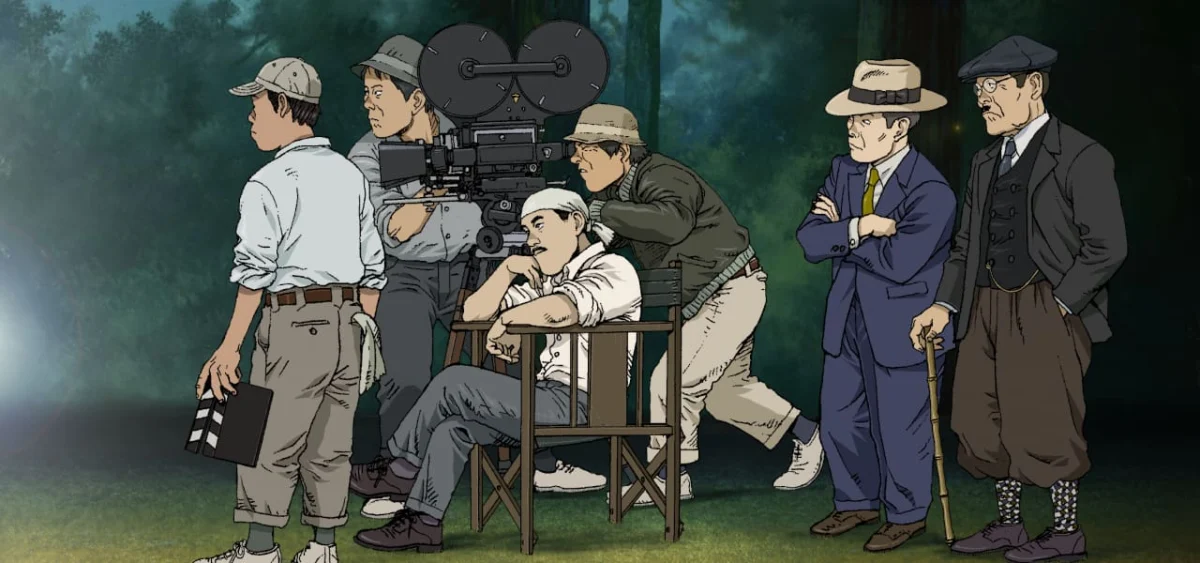
In a remarkable feat of cinematic preservation and artistic homage, legendary director Rintaro, the visionary behind the iconic anime masterpieces Metropolis and Galaxy Express 999, has unveiled his latest work, Nezumikozo Jirokichi. This captivating animated short, Rintaro’s first directorial effort in over a decade, carries a unique and profound mission: to resurrect a lost Japanese film from 1933, effectively breathing new life into a piece of cinematic history that had faded into obscurity. Now available for online viewing, Nezumikozo Jirokichi is more than just a film; it’s a testament to the enduring power of animation and a heartfelt tribute to a pivotal, yet tragically erased, chapter of Japanese cinema.
The Echo of a Lost Masterpiece
The genesis of Nezumikozo Jirokichi lies in a phantom film—a project by the pioneering Japanese filmmaker Sadao Yamanaka, whose promising career was cut tragically short by World War II. Yamanaka, a true luminary, played a crucial role in shaping the distinct landscape of Japanese period dramas before his untimely death at the tender age of 28. His 1933 work, the subject of Rintaro’s modern interpretation, is now considered lost, its existence confined to historical records and the memories of those who championed it.
Rather than allowing this absence to be a mere footnote in cinematic annals, Rintaro has embraced it as the central creative challenge. He has meticulously reimagined what Yamanaka’s vanished film might have looked and felt like, translating its spirit and narrative into the vibrant medium of animation. The film opens with a brief, evocative scroll, setting the stage for this ambitious undertaking and introducing the audience to the compelling backstory of this resurrected cinematic entity.
A Symbiosis of Tradition and Innovation
Nezumikozo Jirokichi masterfully blends traditional cinematic elements with cutting-edge animation techniques. The short film embraces the aesthetic of silent cinema through the use of intertitles, reminiscent of the era. This is further enhanced by benshi-style narration, a form of live spoken commentary that was once integral to the Japanese silent film experience, adding layers of dramatic flair and cultural resonance.
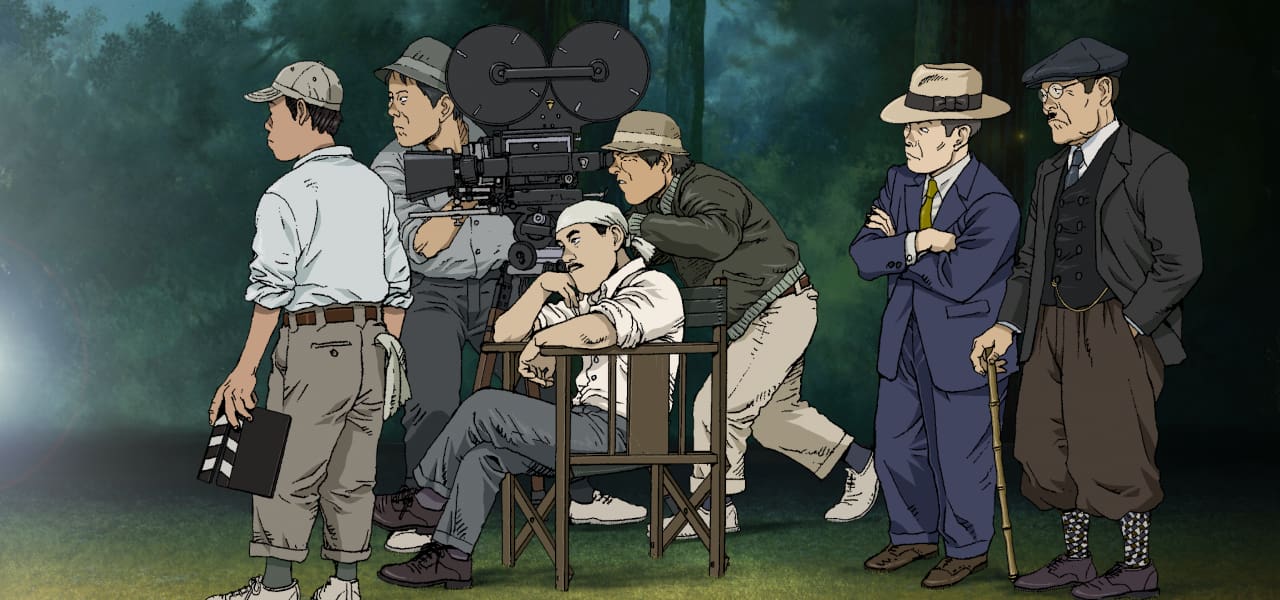
Complementing these historical touches is a jaunty, engaging musical score that perfectly underscores the film’s lively narrative. The visual landscape is equally rich, bursting with vibrant colors and fluid, dynamic animation. The character designs, brought to life by the esteemed Katsuhiro Otomo and Yoshinori Kanemori, are incredibly charming, imbuing each figure with a distinct personality and memorable presence.
The narrative itself centers on the legendary folk-hero thief Jirokichi, a character akin to Robin Hood, who in Edo-era Japan, famously pilfered from the wealthy to aid the impoverished. However, the film’s true thematic core lies not just in Jirokichi’s exploits, but in animation’s profound capacity to resurrect and preserve lost cultural heritage. Nezumikozo Jirokichi serves as a powerful demonstration of how animation can bridge the gap of time and loss, making the intangible tangible once more.
A Tribute, Not a Remake
Clocking in at an impressive 24 minutes, Nezumikozo Jirokichi is a significant artistic statement. While likely a fraction of the length of its original feature-length inspiration, the short feels less like a direct remake and more like a profound act of cinematic veneration. Rintaro’s approach is not one of replication, but of respectful interpretation and heartfelt dedication. He has captured the essence of Yamanaka’s lost work, infusing it with his own distinctive directorial vision and the boundless possibilities of modern animation.
The film’s meticulous attention to detail, from the visual style to the narrative pacing, speaks volumes about Rintaro’s deep respect for Yamanaka’s legacy. It’s a loving reconstruction, a cinematic séance that conjures the spirit of a forgotten film and allows it to live and breathe for a new generation of viewers.
The Legacy of Sadao Yamanaka
To fully appreciate the significance of Rintaro’s endeavor, it is crucial to understand the impact of Sadao Yamanaka. Born in 1909, Yamanaka emerged as a prodigious talent in the early days of Japanese cinema. He was particularly renowned for his jidaigeki, or period dramas, which often depicted the lives of common people with a rare blend of social commentary and humanism. His films were celebrated for their authenticity, their nuanced portrayal of historical settings, and their ability to connect with audiences on an emotional level.
Yamanaka’s early work, including films like The Ballad of Narayama (1938, though the more famous version is from 1983), showcased his keen eye for detail and his ability to craft compelling narratives within historical contexts. He had a unique talent for capturing the spirit of the Edo period, often focusing on themes of loyalty, sacrifice, and the struggles of ordinary individuals against societal constraints. His directorial style was characterized by its naturalism and its commitment to portraying historical accuracy, even within the stylized conventions of period filmmaking.
However, Yamanaka’s promising career was abruptly halted by the outbreak of World War II. He was drafted into the Imperial Japanese Army and tragically died in combat in Manchuria in 1942 at the age of 28. His death was a devastating loss to Japanese cinema, leaving behind a body of work that, while influential, was tragically incomplete. Many of his films are now considered lost, their celluloid decaying or destroyed, leaving only fragments and memories.
The 1933 project that Rintaro has chosen to honor is believed to have been a significant work in Yamanaka’s oeuvre, potentially a feature film that further solidified his reputation as a master of the period drama. The exact details of this lost film are scarce, making Rintaro’s interpretation all the more remarkable. He has essentially built a cinematic bridge across a chasm of lost history, using animation as his construction material.
The Creative Process: Bridging Eras Through Animation
Rintaro’s approach to recreating Yamanaka’s lost film is a testament to the adaptability and expressive power of animation. He didn’t merely aim to recreate the visual style of 1930s Japanese cinema, which would have been a formidable task in itself. Instead, he sought to capture the spirit of Yamanaka’s filmmaking, his thematic concerns, and the emotional resonance that characterized his work.
The use of benshi-style narration is a particularly inspired choice. The benshi were not just narrators; they were performers who brought characters to life, provided commentary, and interacted with the audience, enriching the cinematic experience in a way that is largely absent from modern film viewing. By incorporating this element, Rintaro not only pays homage to a traditional form of Japanese cinema but also imbues his short with a unique theatricality.
The visual design by Katsuhiro Otomo and Yoshinori Kanemori is another critical component of the film’s success. Otomo, renowned for his cyberpunk masterpiece Akira, brings a mature and sophisticated artistry to the character designs, while Kanemori’s contributions ensure a fluid and dynamic animation that feels both timeless and contemporary. The rich color palette and the expressive animation of the characters contribute to the film’s overall charm and its ability to evoke the vibrant atmosphere of Edo-era Japan.
The decision to introduce the film with a historical scroll is a deliberate narrative choice that foregrounds the film’s unique purpose. It serves as a meta-commentary on the act of cinematic resurrection, acknowledging the lost original while celebrating the new creation. This opening sets a tone of reverence and scholarly engagement, inviting the audience to participate in the rediscovery of a lost piece of cultural heritage.
Thematic Resonance: More Than Just a Heist
While the story of Jirokichi, the benevolent thief, provides a compelling narrative framework, the film’s deeper meaning lies in its exploration of memory, legacy, and the power of art to transcend loss. By choosing to animate a lost film, Rintaro is not just telling a story; he is engaging in a dialogue with the past. He is asking us to consider what is lost when films disappear and what can be gained when we endeavor to bring them back.
The character of Jirokichi himself, a figure who redistributes wealth and champions the downtrodden, can be seen as a metaphor for Rintaro’s own act of artistic redistribution—taking a forgotten cinematic treasure and sharing it with the world. The film suggests that art has a social responsibility, a role to play in preserving cultural memory and ensuring that the contributions of past artists are not forgotten.
Furthermore, Nezumikozo Jirokichi highlights the unique capabilities of animation. Unlike live-action, which is bound by the constraints of physical reality and the passage of time, animation can conjure worlds, characters, and even lost histories from the imagination. Rintaro leverages this power to create a film that feels both historically grounded and imaginatively unbound.
.png)
Supporting Data and Critical Reception
The critical reception to Nezumikozo Jirokichi has been overwhelmingly positive, with many hailing it as a significant achievement in contemporary animation. Critics have lauded Rintaro’s directorial vision, his ability to weave together disparate cinematic styles, and the film’s profound thematic depth. The animation itself has been praised for its fluidity, its artistic merit, and its ability to evoke a bygone era while remaining fresh and engaging.
The film’s availability online has also been a key factor in its accessibility and reach. In an era where many classic films struggle to find distribution, Rintaro’s decision to make Nezumikozo Jirokichi freely available underscores his commitment to ensuring that this resurrected work can be seen and appreciated by a global audience. This aligns with the broader trend of digital platforms playing an increasingly vital role in film preservation and dissemination.
The production of the film, a collaboration between Genco and Miyu Productions, involved a dedicated team of artists and technicians who worked diligently to bring Rintaro’s ambitious vision to life. The producers, Taro Maki, Emmanuel-Alain Raynal, and Pierre Baussaron, have been instrumental in supporting Rintaro’s artistic endeavors, allowing him the creative freedom to undertake such a unique project. The meticulous editing by Kazuhiro Nii and the evocative soundtrack by Toshiyuki Honda further contribute to the film’s polished and immersive quality.
The voice cast, featuring Mami Koyama, Michitake Kikuchi, Takahiro Sumi, and Yuuki Hoshi, deliver nuanced performances that breathe life into the characters, adding another layer of depth to the animated world. Their contributions, while perhaps less visible than the visual artistry, are crucial in conveying the emotional weight and dramatic intensity of the narrative.
Implications for Film Preservation and Animation
The success of Nezumikozo Jirokichi has significant implications for the field of film preservation and the role of animation within it. It demonstrates that animation is not merely a medium for children’s entertainment but a powerful tool for cultural heritage preservation and artistic interpretation. Rintaro’s project offers a compelling model for how lost or endangered films can be "recreated" or "reimagined" through animation, ensuring that their stories and artistic contributions are not lost to time.
This approach could inspire similar projects that aim to resurrect other lost cinematic treasures, particularly from eras where film preservation was not as robust. By embracing animation, filmmakers can overcome the limitations of decaying or missing physical media, breathing new life into the works of past masters.
Furthermore, Nezumikozo Jirokichi underscores the enduring relevance of Rintaro’s directorial genius. Even in his later years, his passion for storytelling and his commitment to artistic innovation remain undimmed. His ability to take on a project of such conceptual complexity and execute it with such finesse is a testament to his unparalleled skill and his deep understanding of cinematic history.
Conclusion
Nezumikozo Jirokichi is a remarkable achievement, a film that transcends its animated form to become a poignant commentary on memory, legacy, and the enduring power of cinema. Rintaro’s masterful resurrection of Sadao Yamanaka’s lost work is not just an act of preservation but an act of creation, a testament to the boundless possibilities of animation. As the film becomes accessible to audiences worldwide, it serves as a potent reminder that even the most ephemeral of art forms can leave an indelible mark on our cultural landscape, and that the echoes of the past can be brought vibrantly to life through the magic of animation. It is a film that celebrates not only a lost cinematic gem but also the indomitable spirit of artistic endeavor that seeks to keep history alive.


Leave a Comment