"Castles in the Air" RPG Invites Players to Weave Intimate Coming-of-Age Narratives in the Gilded Age
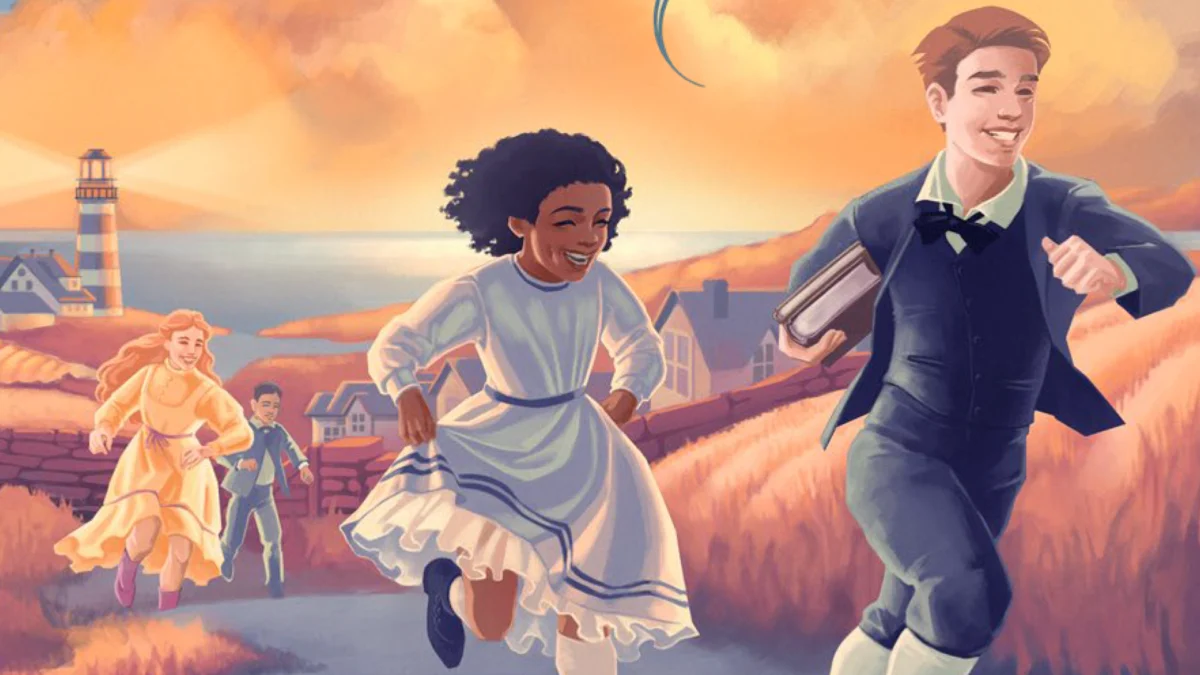
A groundbreaking new tabletop roleplaying game, "Castles in the Air," is poised to transport players into the tender, tumultuous, and ultimately transformative journey of growing up, drawing deep inspiration from beloved literary classics like "Little Women" and "Anne of Green Gables." Developed by Melia Carraway and published by Storybrewers Roleplaying, this collaborative storytelling experience invites participants to forge enduring bonds and navigate the intricate tapestry of life from childhood innocence to the complexities of adulthood, all set against the vibrant backdrop of America’s Gilded Age.
The game, currently garnering significant attention through its crowdfunding campaign, distinguishes itself by prioritizing emotional depth and character development over traditional combat or resource management. Instead, "Castles in the Air" offers a rich framework for players to explore themes of friendship, rivalry, first love, ambition, and the inevitable process of self-discovery, promising a profoundly personal and shared narrative adventure.
Main Facts: A Glimpse into "Castles in the Air"
"Castles in the Air" is an upcoming tabletop roleplaying game (TTRPG) designed to allow players to collaboratively re-enact poignant coming-of-age narratives. At its core, the game is a love letter to classic period dramas and novels, notably Louisa May Alcott’s "Little Women"—famously adapted into Greta Gerwig’s acclaimed 2019 film—and Lucy Maud Montgomery’s "Anne of Green Gables," which found renewed popularity in the 2017 Netflix series. These inspirations immediately signal the game’s focus on character-driven stories, emotional arcs, and the rich inner lives of its protagonists.
The game’s setting is the Gilded Age in the USA, a fascinating historical period spanning from the 1870s to the 1890s. This era, characterized by rapid industrialization, unprecedented economic growth, and significant migration, provides a fertile ground for stories of ambition, societal change, and personal struggle. Players will guide their characters from the wonders and fears of childhood through the joys and hardships of adolescence and into the complexities of adulthood, experiencing a shared journey of growth and transformation.
Central to "Castles in the Air" is its collaborative storytelling mechanism. Players begin as a tight-knit group of children, sharing quiet, idyllic lives filled with simple pleasures like playing in farmlands, swimming in lakes, and stargazing. As time progresses, their characters confront new feelings and ideas, navigating crushes, rivalries, and evolving relationships within their group and the wider community. The narrative arc culminates in adulthood, where characters may find themselves drifting apart due to life’s diverging paths, only to potentially reunite later in life, echoing the bittersweet realities of long-term friendships.
Character creation is designed to be intuitive and evocative, allowing players to select from archetypes reminiscent of the game’s literary inspirations, such as the "troublesome scamp," the "studious bookworm," or the "spoiled princess." These archetypes are further enriched by defining a character’s "dream," "childhood relationships," "family background," and even a "bosom enemy," offering ample opportunities for players to craft characters that resonate deeply with the game’s thematic focus.
"Castles in the Air" was designed and written by Melia Carraway, with significant contributions from Vee Hendro and Hayley Gordon, the co-founders of Storybrewers Roleplaying. This publishing house is renowned for its narrative-focused TTRPGs, including "Good Society," an acclaimed game inspired by the works of Jane Austen, further cementing their expertise in bringing literary worlds to the tabletop. The game is currently in its crowdfunding phase on Kickstarter, with the campaign scheduled to conclude on June 9th. Backers can secure a physical copy of the game for AU$99 (approximately £52 or $77 USD), slated for delivery in March 2025, or opt for a digital version for AU$34 (approximately £18 or $26 USD).
Chronology: From Gilded Age Dreams to Tabletop Reality
The genesis of "Castles in the Air" is intricately tied to its historical and literary inspirations, culminating in its present crowdfunding success. Understanding this timeline provides crucial context for the game’s thematic depth and design philosophy.
The Historical Tapestry: The Gilded Age (1870s-1890s)
The game’s temporal setting, the Gilded Age, was a period of immense societal upheaval and transformation in the United States. Following the Civil War and Reconstruction, the nation experienced rapid industrialization, leading to unprecedented economic growth, technological advancements, and the rise of powerful industrial magnates. Cities swelled with new populations, driven by internal migration from rural areas and a significant influx of immigrants from Europe. This era, while outwardly gleaming with prosperity ("gilded"), also masked deep social inequalities, labor struggles, and political corruption. It was a time of stark contrasts: immense wealth alongside widespread poverty, rapid innovation alongside traditional values, and the forging of a new American identity. For a coming-of-age story, this period offers a rich backdrop where characters might witness the fading of agrarian lifestyles, the allure of urban opportunities, and the clash between old and new ideals, all while grappling with their personal growth.
Literary Foundations: Echoes of Classic Narratives
The primary literary inspirations for "Castles in the Air" are cornerstones of the coming-of-age genre:
- "Little Women" by Louisa May Alcott (published 1868-1869): This timeless novel chronicles the lives of the four March sisters—Meg, Jo, Beth, and Amy—as they grow from childhood into womanhood during and after the American Civil War. It explores themes of sisterhood, ambition, love, loss, and the pursuit of individual dreams within societal expectations. Its enduring popularity is evident in its numerous adaptations, including Greta Gerwig’s critically acclaimed 2019 film, which brought the story to a new generation.
- "Anne of Green Gables" by Lucy Maud Montgomery (published 1908): Set in the late 19th century on Prince Edward Island, Canada, this novel follows the spirited orphan Anne Shirley as she finds a home with Marilla and Matthew Cuthbert. It’s a vivid portrayal of imagination, friendship, academic ambition, and navigating the social mores of a small, rural community. The 2017 Netflix series "Anne with an E" further popularized this narrative, highlighting its universal themes of belonging and self-discovery.
These works, while distinct in their settings and specific character arcs, share a common thread of exploring the journey from youthful idealism to adult realities, emphasizing relationships, personal growth, and the pursuit of dreams.
Storybrewers Roleplaying: A Legacy of Narrative Games
Before "Castles in the Air," Storybrewers Roleplaying, co-founded by Vee Hendro and Hayley Gordon, established itself with "Good Society." Launched successfully, "Good Society" is a TTRPG inspired by the novels of Jane Austen, allowing players to inhabit characters navigating the intricate social landscape of Regency England. This previous success demonstrates Storybrewers’ expertise in crafting games that emphasize social dynamics, character relationships, and literary themes over traditional combat, making them an ideal publisher for "Castles in the Air." The contribution of Hendro and Gordon to the new game further underscores the publisher’s commitment to its design philosophy.
The Development and Crowdfunding Journey
While the exact start date of "Castles in the Air"’s development by Melia Carraway is not specified, the game’s sophisticated design suggests a meticulous process of conceptualization, writing, and playtesting. The involvement of Storybrewers’ co-founders indicates a collaborative effort in refining the game’s mechanics and narrative framework.
The pivotal moment for "Castles in the Air" in the public eye is its ongoing Kickstarter crowdfunding campaign. Launched to bring the game to fruition, the campaign serves as both a pre-order system and a community-building platform. It allows potential players and enthusiasts to directly support the project, ensuring its production and wider release. The campaign’s deadline of June 9th creates a clear window for backers to engage, with an estimated delivery of physical copies in March 2025, offering a tangible future for those eager to embark on this nostalgic journey.
Supporting Data: Deep Dive into Mechanics and Market Context
"Castles in the Air" is more than just a thematic homage; it’s a meticulously crafted system designed to facilitate specific types of stories. Its mechanics, setting, and the broader TTRPG landscape all contribute to its unique appeal.
The Gilded Age: A Perfect Crucible for Growth
The choice of the Gilded Age as a setting is a stroke of genius for a coming-of-age narrative. It was a time of immense social flux, where the innocence of a simpler, agrarian past was rapidly giving way to the complexities of an industrialized, urbanized future. This transitional period naturally lends itself to stories of characters grappling with their place in a changing world.
- Economic Disparity: The stark contrast between "old money," "new money," and widespread poverty creates inherent dramatic tension. Player characters might come from diverse backgrounds, leading to different opportunities, struggles, and perspectives.
- Technological Advancement: The introduction of new technologies (telephones, electricity, automobiles) would have been revolutionary, offering both wonder and disruption, providing unique touchstones for childhood memories and adult endeavors.
- Social Expectations: Gender roles, class distinctions, and racial dynamics were pronounced, offering rich veins for exploring personal agency, rebellion, and conformity within the narrative.
- Migration and Identity: The influx of immigrants meant a blending of cultures and the formation of new communities, adding layers of complexity to character backgrounds and relationships.
This historical backdrop ensures that the challenges and opportunities faced by the player characters are grounded in a real, yet romantically evocative, period.
Collaborative Storytelling: The Heart of the Game
Unlike many traditional TTRPGs that rely on a Game Master (GM) to dictate the narrative, "Castles in the Air" emphasizes collaborative storytelling. This means all players contribute equally to building the world, developing plot points, and shaping the emotional arcs of their characters. This approach fosters a deeper sense of shared ownership and immersion, as the story truly belongs to everyone at the table.
- Shared Childhood: The game explicitly begins with players developing a "shared childhood." This involves collectively imagining the experiences, adventures, and formative moments that bind their characters together before the onset of adolescence. This initial phase sets the emotional foundation for all subsequent developments.
- Narrative Prompts: The system likely uses carefully designed prompts, questions, and frameworks to guide players through the story’s progression without being overly restrictive. These prompts would encourage players to explore their characters’ inner lives, reactions to events, and evolving relationships.
- Focus on Relationships: The core of the game lies in the dynamics between characters. Crushes, rivalries, enduring friendships, and familial ties are not merely background elements but central narrative drivers, shaping the choices and destinies of the protagonists.
Character Creation: Crafting Persona and Destiny
The character creation system is designed to quickly immerse players in the world and their roles:
- Archetypes: The "troublesome scamp," "studious bookworm," and "spoiled princess" are instantly recognizable, providing a strong starting point for character personality and initial motivations. These archetypes are not rigid but serve as springboards for further development.
- Defining Elements:
- Dream: Each character’s childhood dream is a crucial element, representing their aspirations and guiding their journey. How does this dream evolve or change as they age? Is it realized, abandoned, or transformed?
- Childhood Relationships: Players define their initial connections to other player characters and non-player characters, establishing the web of relationships that will define the narrative.
- Family Background: This provides socio-economic context and parental influence, shaping a character’s worldview and opportunities.
- Bosom Enemy: A brilliant addition, this element introduces immediate conflict and a narrative foil, allowing for stories of rivalry, reconciliation, or enduring animosity.
These elements combine to create characters that are not only unique but also deeply embedded in the game’s themes and setting, facilitating rich storytelling from the outset.
Phases of Life: A Journey Through Time
The game’s progression through distinct life phases is key to its coming-of-age premise:
- Childhood: Focused on innocence, wonder, exploration, and the formation of fundamental bonds. Activities like playing outdoors, simple family life, and shared secrets define this stage.
- Adolescence: Introduces emotional complexity, burgeoning self-awareness, romantic feelings, academic pursuits, and heightened social dynamics, including rivalries and burgeoning crushes. This is where characters begin to define themselves apart from their childhood group.
- Adulthood: Explores the consequences of earlier choices, the pursuit of careers, the formation of new families, and the potential for the original group to drift apart. The possibility of future reunions adds a poignant, reflective layer to the narrative, examining how time changes people and relationships. This arc allows for a profound exploration of personal growth and the enduring power of early connections.
Market Context and Appeal
The TTRPG market has diversified significantly beyond traditional fantasy and sci-fi dungeon crawls. There’s a growing demand for:

- Narrative-focused games: Players are increasingly seeking systems that prioritize story, character development, and emotional resonance.
- Genre exploration: Games that explore specific literary genres (Regency romance, coming-of-age drama) attract players looking for unique thematic experiences.
- Accessibility: Games with simpler mechanics and a focus on collaborative storytelling can be more inviting to newcomers who might be intimidated by complex rulesets.
"Castles in the Air" perfectly taps into these trends. Its appeal extends to fans of narrative games, enthusiasts of historical fiction and period dramas, and players seeking a deeply emotional and collaborative experience. The success of its crowdfunding campaign is a testament to the strong niche it occupies within the broader TTRPG landscape.
Kickstarter Campaign Specifics
The Kickstarter campaign is crucial for the game’s realization. The pledge tiers are strategically designed to cater to different levels of support:
- Digital Version (AU$34): Offers immediate access to the game’s rules and materials upon release, appealing to players who prefer digital formats or have budget constraints.
- Physical Copy (AU$99): Provides a premium experience with a printed rulebook, often including high-quality artwork and materials, satisfying collectors and those who prefer tangible game components.
The estimated delivery of March 2025 for physical copies is a standard timeline for crowdfunded TTRPGs, allowing for production, printing, and shipping logistics. The clear breakdown of pricing across multiple currencies (AUD, GBP, USD) demonstrates a global outlook for the game’s reach.
Official Responses: Voices Behind the Vision
While direct quotes from the creators are not provided in the original article, the game’s description allows for a clear inference of their artistic intentions and design philosophies. The vision behind "Castles in the Air" is a confluence of Melia Carraway’s creative drive and Storybrewers Roleplaying’s established expertise in narrative game design.
Melia Carraway: Crafting Intimate Journeys
As the primary designer and writer, Melia Carraway’s vision for "Castles in the Air" appears to be deeply rooted in a desire to explore the human experience of growth and change through a collaborative lens. Her choice of the Gilded Age and classic coming-of-age literature suggests a keen appreciation for historical detail and timeless emotional narratives. Carraway likely envisioned a game where players aren’t just telling a story, but living it alongside their characters, fostering a profound connection to the narrative.
One can infer that Carraway sought to capture the specific emotional beats of stories like "Little Women"—the intense bonds of sisterhood, the clash between personal ambition and societal expectations, the bittersweet passage of time—and "Anne of Green Gables," with its celebration of imagination, the struggle for acceptance, and the discovery of one’s true self. Her design choices, particularly the emphasis on archetypes, dreams, and childhood relationships, indicate a focus on making character creation instantly relatable and emotionally resonant, allowing players to quickly inhabit roles that feel familiar yet open to personal interpretation. Her work seems aimed at creating a safe and engaging space for players to explore vulnerability, aspiration, and the complexities of human connection.
Storybrewers Roleplaying: Elevating Narrative Play
Vee Hendro and Hayley Gordon, as co-founders of Storybrewers Roleplaying and contributors to "Castles in the Air," bring their established philosophy of sophisticated narrative game design to this project. Their prior success with "Good Society," an RPG deeply immersed in the world of Jane Austen, demonstrates a clear commitment to literary-inspired, character-driven experiences that prioritize social dynamics and emotional arcs over traditional game mechanics like combat.
Hendro and Gordon’s involvement suggests a dedication to ensuring "Castles in the Air" upholds Storybrewers’ reputation for elegant design and compelling storytelling. They likely emphasized the collaborative aspect, aiming to empower all players to contribute meaningfully to the unfolding narrative without the need for a singular Game Master dictating events. Their focus would be on refining the game’s structure to smoothly transition through the different life stages, ensuring that the emotional impact of childhood friendships evolving into adult relationships is palpable and engaging. Storybrewers Roleplaying, through this game, seems to further cement its position as a publisher that champions innovative approaches to tabletop roleplaying, attracting players who seek deeper, more personal, and emotionally rich experiences at the table. The project aligns perfectly with their mission to explore diverse genres and narrative styles within the TTRPG medium.
Implications: Shaping the Future of Narrative Tabletop Gaming
The emergence and anticipated success of "Castles in the Air" carries several significant implications for the tabletop roleplaying game industry, for players, and for Storybrewers Roleplaying as a publisher.
For the TTRPG Industry: Diversification and Narrative Depth
"Castles in the Air" serves as a powerful testament to the ongoing diversification of the TTRPG landscape. For decades, the industry was largely dominated by fantasy and sci-fi genres, often centered around combat and exploration. Games like "Castles in the Air" highlight a growing demand for:
- Genre Expansion: It proves that niche literary genres, like the coming-of-age drama and historical period pieces, can find a dedicated audience within the TTRPG community. This encourages other designers to explore a broader spectrum of themes and settings.
- Narrative Primacy: The game’s explicit focus on collaborative storytelling, character development, and emotional arcs reinforces the trend towards narrative-first design. It suggests that players are increasingly seeking experiences that allow for deep personal exploration and shared emotional journeys, moving beyond purely mechanical challenges.
- Accessibility and Inclusivity: By drawing inspiration from widely beloved novels and focusing on relatable human experiences, "Castles in the Air" can attract new players who might not typically engage with TTRPGs. Its emphasis on collaborative storytelling over complex rules can also lower the barrier to entry, fostering a more inclusive gaming environment.
For Players: A Unique Emotional and Social Experience
For the individual player, "Castles in the Air" offers a distinct and potentially profound gaming experience:
- Emotional Resonance: The game’s structure, which guides characters from childhood to adulthood, allows players to explore themes of nostalgia, loss, growth, and the enduring power of relationships in a deeply personal way. It provides a cathartic space to reflect on one’s own coming-of-age experiences or to imagine alternative paths.
- Collaborative Creativity: The shared storytelling mechanics foster a strong sense of community and collective creativity. Players aren’t just passive consumers of a story; they are active co-authors, building a narrative together that is unique to their group.
- Exploration of Identity: By creating characters with specific dreams, relationships, and backgrounds, players can explore different facets of identity, ambition, and social navigation within a historically rich context.
- Replayability: The combination of diverse character archetypes, evolving relationships, and the open-ended nature of collaborative storytelling ensures that each playthrough will offer a fresh and unique narrative, encouraging players to revisit the game multiple times.
For Storybrewers Roleplaying: Solidifying a Niche
For Storybrewers Roleplaying, "Castles in the Air" is more than just another title; it’s a strategic move that further solidifies their brand identity and market position:
- Brand Reinforcement: Following the success of "Good Society," this new game firmly establishes Storybrewers as a leading publisher of sophisticated, literary-inspired narrative TTRPGs. It signals their commitment to a specific style of game that values character, story, and emotional depth.
- Expanding Portfolio: While "Good Society" focused on Regency romance, "Castles in the Air" broadens their thematic range to include the coming-of-age drama and the Gilded Age, demonstrating versatility while maintaining their core design philosophy.
- Community Engagement: Successful crowdfunding campaigns like this one build a strong, loyal community around the publisher, ensuring future engagement and support for subsequent projects.
- Influence on Design Trends: Storybrewers’ continued success with narrative-driven games can influence other designers and publishers to explore similar genres and mechanics, further enriching the diversity of the TTRPG market.
In conclusion, "Castles in the Air" is poised to be a significant addition to the tabletop roleplaying game landscape. By skillfully blending a rich historical setting with beloved literary inspirations and innovative collaborative mechanics, it offers players a unique opportunity to craft deeply personal and emotionally resonant coming-of-age stories. Its success will not only provide a captivating experience for players but also further underscore the vibrancy and evolving nature of the TTRPG industry.