
Andre Norton’s Star Man’s Son: A Post-Apocalyptic Classic That Redefined "Juvenile" Science Fiction
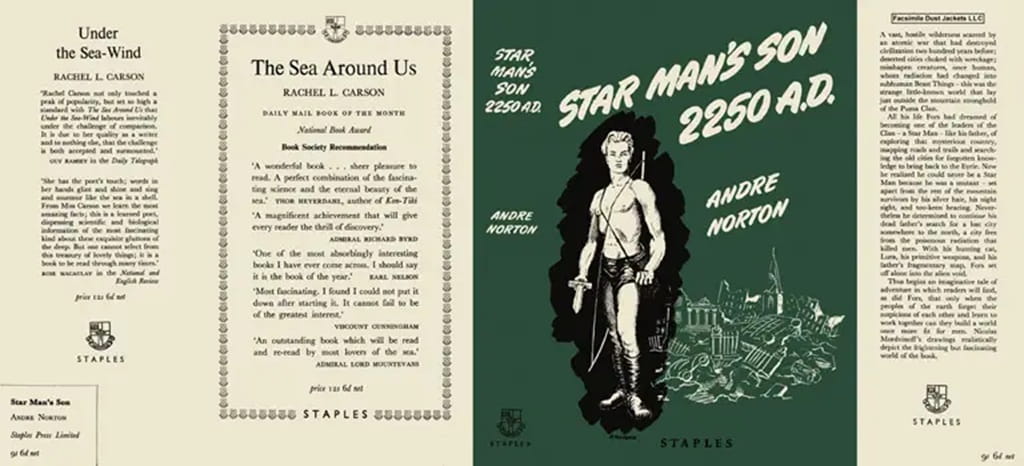
The enduring legacy of Andre Norton, a titan of 20th-century science fiction, is indelibly marked by her groundbreaking 1952 novel, Star Man’s Son. Later re-released as Daybreak 2250 A.D., this seminal work plunged readers into a post-nuclear wasteland, establishing foundational tropes for the burgeoning subgenre of post-apocalyptic fiction and challenging societal prejudices through the eyes of its mutant protagonist.
Published just seven years after the devastating atomic bombings of Hiroshima and Nagasaki, and at the dawn of the Cold War’s nuclear anxieties, Star Man’s Son offered a potent, yet hopeful, vision of humanity’s struggle to survive and rebuild after a cataclysm of its own making. It not only captivated generations of young readers but also demonstrated Norton’s exceptional ability to weave profound philosophical questions into compelling adventure narratives, earning its place as a cornerstone of both science fiction and young adult literature.
A Pioneer’s Journey into the Stars (and the Aftermath)
Alice Mary Norton, better known by her pen name Andre Norton, initially carved out a niche in historical fiction during the 1930s and 40s. However, her true calling and lasting fame would emerge from the speculative realm. In 1952, she made her significant foray into science fiction with Star Man’s Son, a decision that proved immensely successful and set the trajectory for a prolific career. Following this triumph, Norton began releasing new science fiction novels almost annually, cementing her status as a leading voice in the genre, particularly for younger audiences. Her works, including beloved titles like Catseye (1961), became staples in school and public libraries, introducing countless children to the wonders and cautionary tales of science fiction.
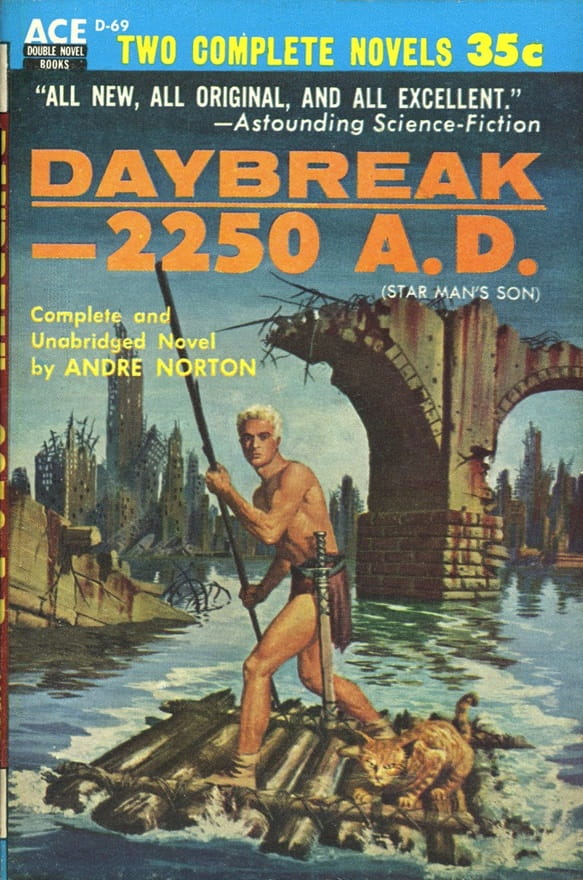
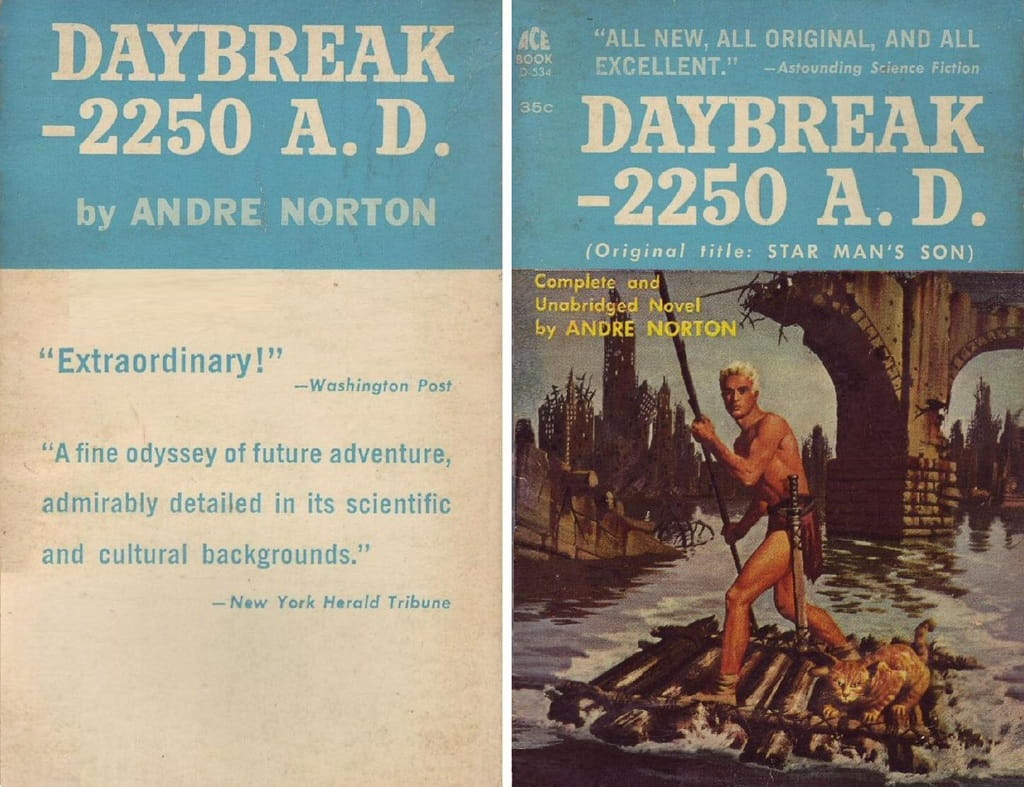
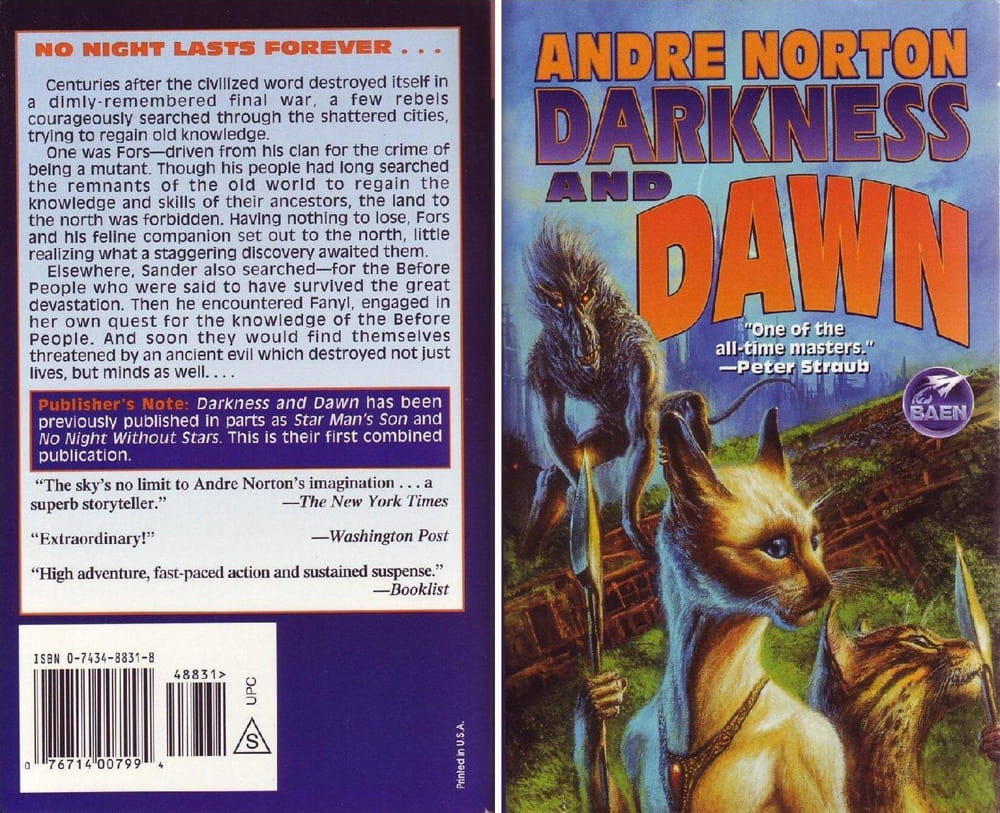
The initial publication of Star Man’s Son by Harcourt, Brace & Company in 1952 was followed by its inclusion in an Ace Double edition (D-69) in 1954, paired with Lewis Padgett’s Beyond Earth’s Gates. For this Ace edition, the novel was retitled Daybreak 2250 A.D., a more explicit nod to its futuristic, post-cataclysmic setting. Subsequent reprints, such as the 1961 Ace Books edition and the 1977 Ace Books cover refresh, continued to use Daybreak 2250 A.D., though the Fawcett Crest paperback edition in 1978 notably reverted to the original title. This varied publication history underscores the novel’s enduring appeal and its significance in the evolving landscape of science fiction publishing.
The Genesis of a Ruined World: A Chronology of Cataclysm
Star Man’s Son is a product of its time, deeply rooted in the geopolitical anxieties of the early 1950s. The specter of nuclear war loomed large, and Norton’s novel bravely confronted the potential aftermath. The narrative posits a world devastated by nuclear weapons, leading to massive depopulation, widespread lethal radioactivity, and dramatic geological transformations. This stark vision positioned Star Man’s Son as one of the foundational works of the post-nuclear-war genre, offering a chilling, yet imaginative, glimpse into a possible future.
The titular "Star Man" is a cleverly chosen phrase, initially hinting at interstellar travel but ingeniously subverting expectations. In Norton’s world, the Star Men are not cosmic voyagers but the elite explorers of a hidden mountain community known as the Eyrie. Their perilous mission involves venturing into the largely depopulated and dangerous lands to seek out the ruins of ancient cities. Their objectives are dual: to recover valuable artifacts, such as the seemingly mundane yet precious "colored pencils," and, more importantly, to piece together the lost knowledge of the pre-cataclysmic builders. This quest for understanding and restoration forms the moral backbone of their society, reflecting humanity’s inherent drive to reclaim its past and rebuild.
A World Transformed: Setting and Societal Fragments
Norton masterfully crafts a detailed, albeit geographically ambiguous, post-apocalyptic North America. While specific locations are not explicitly named, the descriptions evoke familiar landscapes. The Eyrie, with its isolated, high-altitude sanctuary, strongly suggests the Rocky Mountains, perhaps in Colorado. The vast, desolate plains that stretch beyond could easily be imagined as Kansas or Nebraska. The fabled lost city that protagonist Fors seeks is often conjectured by readers to be Chicago, a major Midwestern metropolis whose ruins would symbolize the former grandeur of civilization. This deliberate ambiguity allows readers to project their own understanding of a fallen higher civilization onto the narrative, echoing the historical decline of empires like Rome and reflecting a contemporary fear that the industrial West could likewise crumble under its own destructive capabilities.
Beyond the Eyrie, other human factions have adapted to the changed world. The Plains People, from whom Fors’s mother hails, lead a nomadic existence, a stark contrast to the Eyrie’s more settled, knowledge-driven culture. This societal fragmentation sets the stage for both conflict and potential unity, as different groups grapple with survival and the preservation of their own unique heritage.
The Theme of Mutation: From Scourge to Strength
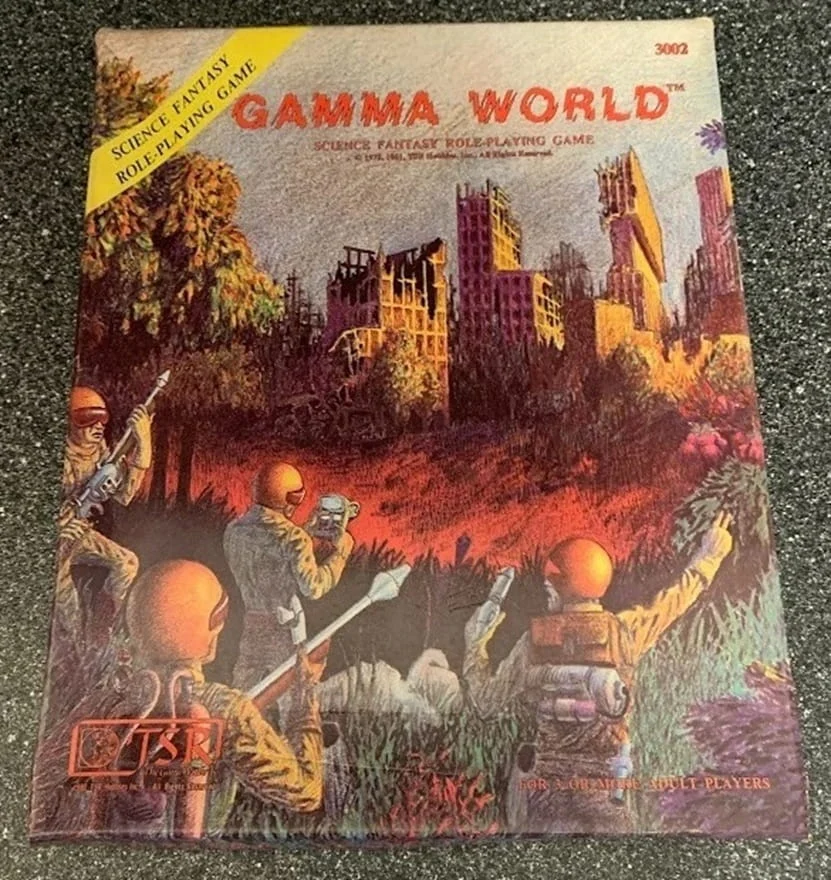
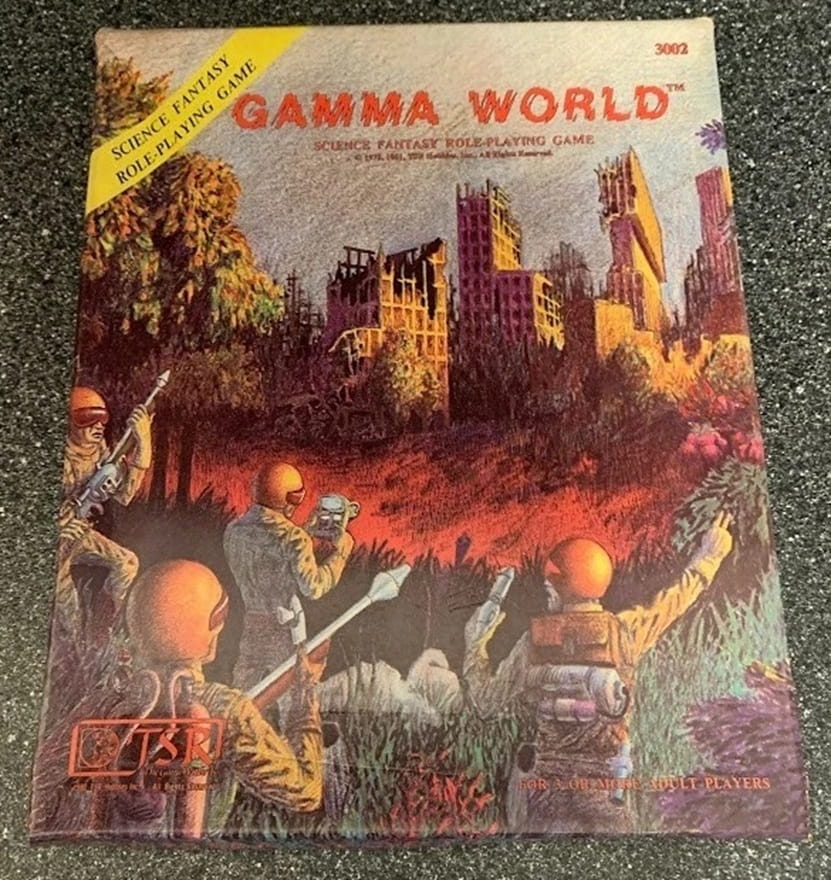
A central and profound theme in Star Man’s Son is mutation, presented not as a monolithic evil but as a complex and morally neutral force. The widespread radioactivity has led to various mutant forms across species, including humans. This concept resonates strongly with the later role-playing game Gamma World (1978), which similarly features a post-apocalyptic world teeming with mutated beings, showcasing Norton’s prescient influence on speculative fiction.
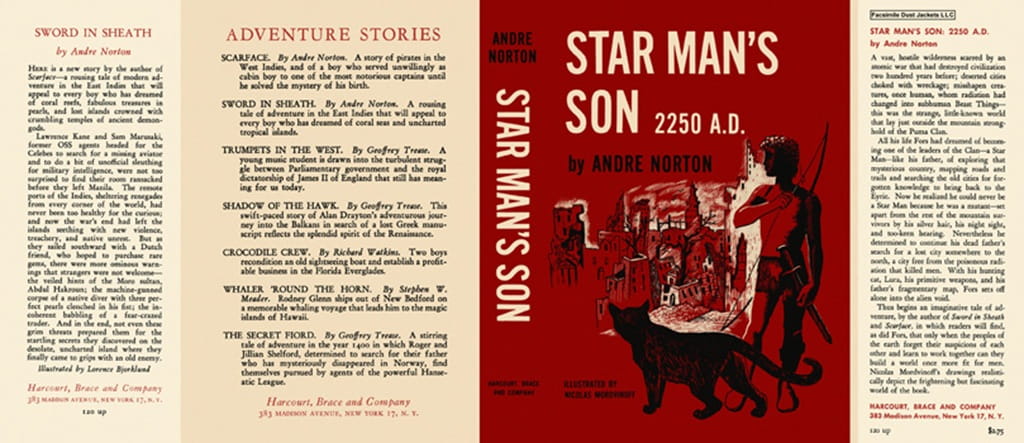
The protagonist, Fors, embodies this theme directly. He is a mutant, characterized by his visible white hair and extraordinary, invisible traits: preternaturally keen ears and superior night vision. His father was a highly respected Star Man, but Fors faces relentless prejudice within the Eyrie due to his mutant heritage, preventing him from following in his father’s footsteps. This systemic discrimination drives Fors, at the age of seventeen and after his sixth rejection, to rebel. He steals his father’s gear and ventures alone into the wilderness, determined to prove his worth by finding a fabled lost city.
Norton introduces a spectrum of mutants, illustrating her nuanced perspective:
- The Beast Things: These are the primary antagonists, a race of inherently hostile, roughly human-formed mutants with hideous, rat-like faces and clawed hands. They lead collectivized tribal existences, exhibiting natural cruelty and hostility towards humans. Their origins are obscure but clearly linked to the cataclysmic radiation. Initially a minor threat, they emerge in the narrative as organized hordes, posing a significant existential danger to human settlements. Their existence fuels the prejudice against all mutants.
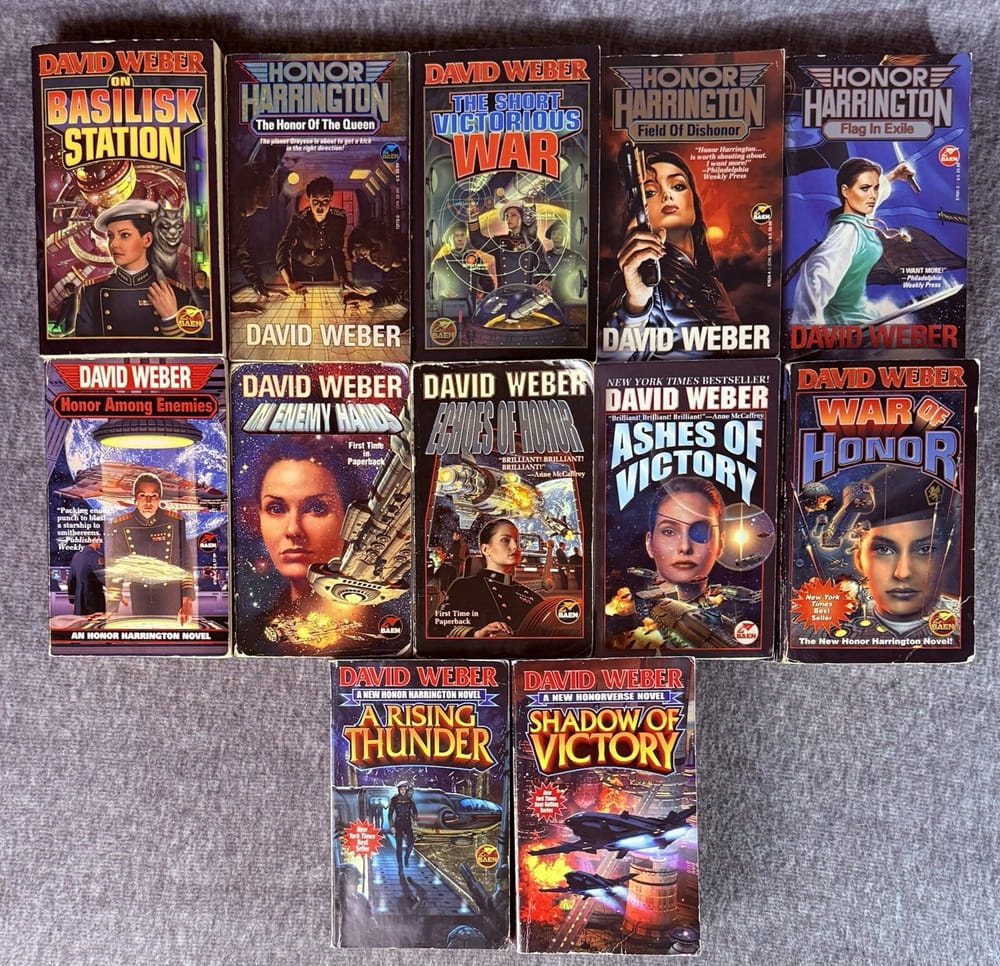
- Lura: A domestic cat, mutated by radiation into a larger, empathic companion with a Siamese-like coat. Lura accompanies Fors throughout much of his journey, forming a deep, symbiotic bond. This portrayal of an intelligent, loyal animal companion resonates with a long tradition in science fiction, predating even the empathic treecats in David Weber’s Honor Harrington series. Norton’s persuasive depiction of Lura taps into a common affection for felines among science fiction readers and writers.
- Diminutive Lizards: Another example of varied mutation, these creatures tend farms and wield poisonous weapons, demonstrating the diverse and sometimes unexpected adaptations in the post-apocalyptic ecosystem.
Through these diverse examples, Norton consistently makes the point that "mutant" is not an inherent moral category. Mutation can manifest as malevolent (Beast Things), benign and helpful (Lura), or simply different (the lizards). Crucially, Fors himself, with his beneficial mutations, becomes living proof that "good" or "bad" is determined by actions and character, not by genetic deviation.
Literary Echoes and Societal Reflections
Star Man’s Son is rich with parallels to other significant works and reflects broader societal currents of its era.
The combination of ruined structures and depopulation in Norton’s world bears a curious resemblance to J.R.R. Tolkien’s realm of Arnor, which would appear a few years later in The Fellowship of the Ring. While Tolkien famously rejected any allegorical connection between the One Ring and the atomic bomb, both authors’ creations seem to tap into a collective anxiety about the fall of a higher civilization, perhaps amplified by the destructiveness of the World Wars. Similarly, the Beast Things, with their roughly human but hideous form and collective hostility, draw parallels to Tolkien’s Orcs, functioning as an inherently evil "other" whose origins are shrouded in mystery.
Norton also engages with the complex issue of race, particularly when introducing Arskane, a companion Fors acquires. Arskane is explicitly described as Black, and his people are descendants of aviators—a detail that has led many readers to speculate on a connection to the Tuskegee Airmen, symbolizing resilience and skill. It is noteworthy that Norton directly portrays an alliance between Fors and Arskane, who come to regard each other as brothers, without any apparent editorial pushback. This contrasts with Robert Heinlein’s Tunnel in the Sky (1955), published only a few years later, where Heinlein felt compelled to hint cryptically at his protagonist Rod Walker’s ethnicity due to publisher concerns about sales in the American South. Norton’s directness suggests either a greater editorial latitude for "juvenile" science fiction or perhaps that Heinlein’s worries were, in hindsight, somewhat exaggerated.
The novel also touches upon the origins of the Star Men, mentioning a legend that the Eyrie was once a base for a planned venture into space. This subtle detail links the post-apocalyptic quest for lost knowledge back to humanity’s aspirational past, suggesting that even in ruin, the dream of the stars endures.
The Narrative Arc: Fors’s Quest for Unity
Fors’s solitary venture into the wild lands is transformed when he encounters Arskane, whom he rescues from a pit trap and treats with an antibiotic salve – a testament to the surviving medical knowledge. In return, Arskane introduces Fors to coffee, an ancient drink Fors initially dislikes, highlighting the cultural exchange between their disparate peoples. The bond between Fors, Arskane, and Lura, the empathic cat, forms the emotional core of the adventure, emphasizing themes of companionship and interspecies understanding.
The story escalates as the Beast Things, previously a scattered threat, coalesce into vast, organized hordes, launching coordinated attacks on human settlements. This rising tide of conflict forces different human factions to consider an unprecedented alliance. At the novel’s climax, the mutant Fors plays a vital, strategic role in uniting human forces against the Beast Thing army. Yet, even after this victory, the immediate threat of war erupts between the newly allied human factions, exposing deep-seated prejudices and historical animosities.
Norton uses this tension to deliver a powerful message, reminiscent of St. Paul’s dictum: "Here there is no Greek or Jew, circumcised or uncircumcised, barbarian, Scythian, slave, or free." In Norton’s world, this translates to "mutant or nonmutant." The novel’s characters explicitly raise a profound question: Is it truly good to preserve the "unchanged likeness" of the ancient humanity that brought about its own destruction through war? This challenges readers to consider whether adaptation and evolution, even through mutation, might be necessary for humanity’s true survival and moral progress.
Critical Reception and Enduring Legacy
The Denver Post, in a review of Star Man’s Son, aptly summarized the novel as "a good adventure story which is a thoughtful book as well." This assessment perfectly encapsulates Andre Norton’s genius. She did not shy away from serious themes – prejudice, war, environmental devastation, the search for meaning – but always embedded them within thrilling, accessible narratives. This approach made her a leading author of "juvenile" science fiction, a category she helped elevate and legitimize. She assumed her young readers were intelligent and capable of grappling with complex ideas, a trust that resonated deeply with her audience.
The implications of Star Man’s Son extend far beyond its initial publication. It helped establish the post-apocalyptic genre, influencing countless authors and shaping the collective imagination’s vision of a world after ruin. Its exploration of mutation as a morally ambiguous force, rather than an automatic evil, offered a nuanced perspective crucial for the atomic age. Furthermore, its themes of unity, overcoming prejudice, and the relentless human drive for knowledge and rebuilding remain profoundly relevant today, especially in an era grappling with climate change, technological ethics, and persistent societal divisions.
Andre Norton’s Star Man’s Son stands as a testament to the power of science fiction to entertain, educate, and provoke thought. It is a timeless classic that continues to inspire discussions about humanity’s past mistakes, its capacity for resilience, and the enduring hope for a brighter daybreak, even after the darkest night.


Leave a Comment