The Return of the Collect-a-Thon: A Deep Dive into ‘Spiny & Chilly’
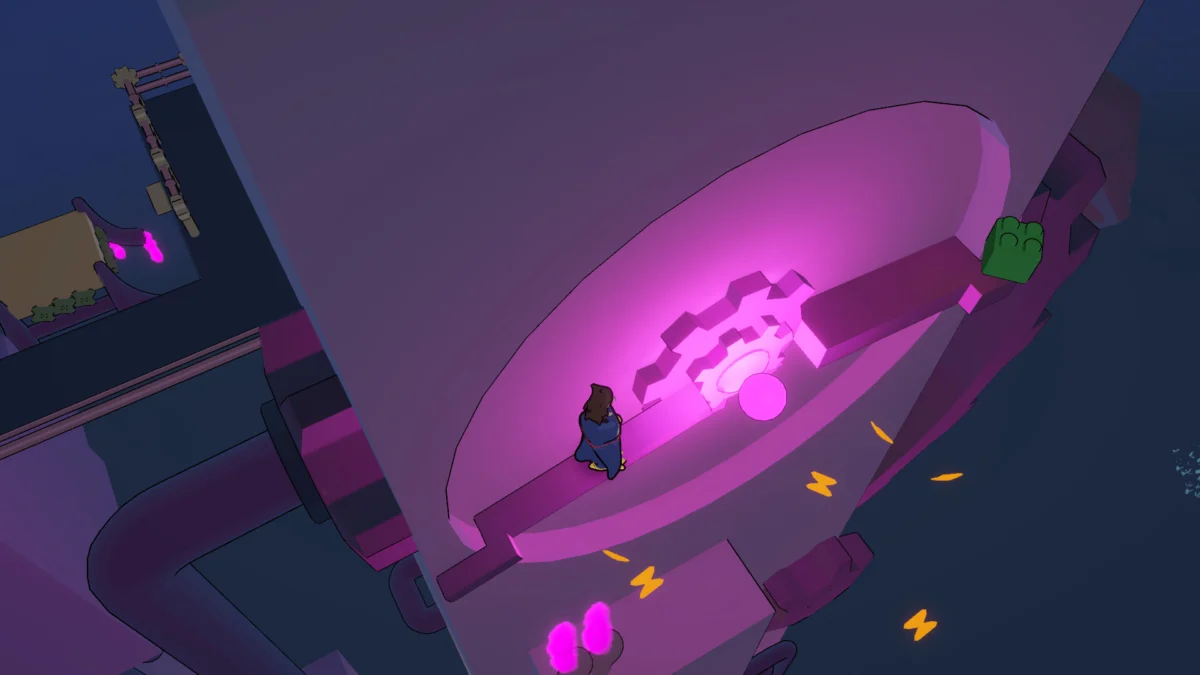
The indie gaming landscape has long been a fertile ground for the revival of "lost" genres. While AAA development often pivots toward live-service models and hyper-realistic open worlds, indie developers frequently look backward to move forward. At the recent BIG Conference (Bilbao Games Conference), a new title emerged that captures the whimsical spirit of the late 1990s 3D platformer era: Spiny & Chilly. Developed by Gagonfe and published by The Iterative Collective, this "wacky" exploration-focused platformer introduces an unlikely partnership between a penguin and a hedgehog in a quest to reclaim the world’s stolen ice.
Main Facts: An Unconventional Duo in a Chilled World
At its core, Spiny & Chilly is a single-player platforming exploration game that centers on Chilly, a penguin, and Spiny, a hedgehog who hitches a ride on Chilly’s head. This mechanical choice is more than just a visual quirk; it defines the movement and interaction logic of the entire game. Players control the duo as a single unit, navigating expansive environments to recover ice blocks that have been stolen by a rival faction of penguins.
The game draws explicit inspiration from the "collect-a-thon" golden age, specifically titles like Banjo-Kazooie and Super Mario 64. However, it distinguishes itself through its unique physics and the synergy between its two protagonists. While Chilly provides the base movement and the biological imperative to find ice, the presence of Spiny suggests a layer of defensive or utility-based mechanics that complicates traditional platforming tropes.
Key features of the title include:
- Dual-Character Synergy: A "move-as-one" system that emphasizes momentum and physics.
- Expansive World Design: Diverse biomes ranging from haunted harbors to floating islands.
- Advanced Traversal: Mechanics involving gravity shifts, platform bouncing, and specialized item usage.
- Objective-Based Exploration: A heavy focus on puzzle-solving and finding hidden secrets rather than purely linear progression.
Chronology: From Concept to the BIG Conference Showcase
The journey of Spiny & Chilly reflects the broader trend of "New Retro" in the indie scene. The game first garnered significant attention during its showcase at the BIG Conference, an event renowned for highlighting innovative European and international indie talent.
The developer, Gagonfe, presented an early demo that allowed attendees to experience the core loop of the game. According to early reports, the project began with the simple prompt of creating a character-driven platformer that felt "tactile." The decision to pair a penguin with a hedgehog was born out of a desire for a silhouette that was immediately recognizable and inherently humorous.
Following the positive reception in Bilbao, the development team has focused on refining the "feel" of the movement. Early iterations of the game reportedly had a steep learning curve—a common hurdle for 3D platformers where camera control and momentum are paramount. By the time the BIG Conference demo was live, the developers had smoothed out these transitions, leading to a gameplay experience that testers described as "fantastic" once the initial mechanics were mastered.
Currently, the game is in active development with an undisclosed release window, though its presence on Steam for wishlisting indicates that the project is moving into its mid-to-late production phases.
Supporting Data: Analyzing the Mechanics of Momentum
To understand why Spiny & Chilly stands out in a crowded market, one must look at the technical implementation of its platforming. Unlike the rigid, grid-based movement of 2D platformers, Spiny & Chilly utilizes a momentum-based system that rewards players for maintaining speed and utilizing the environment’s geometry.
1. The Physics of the Duo
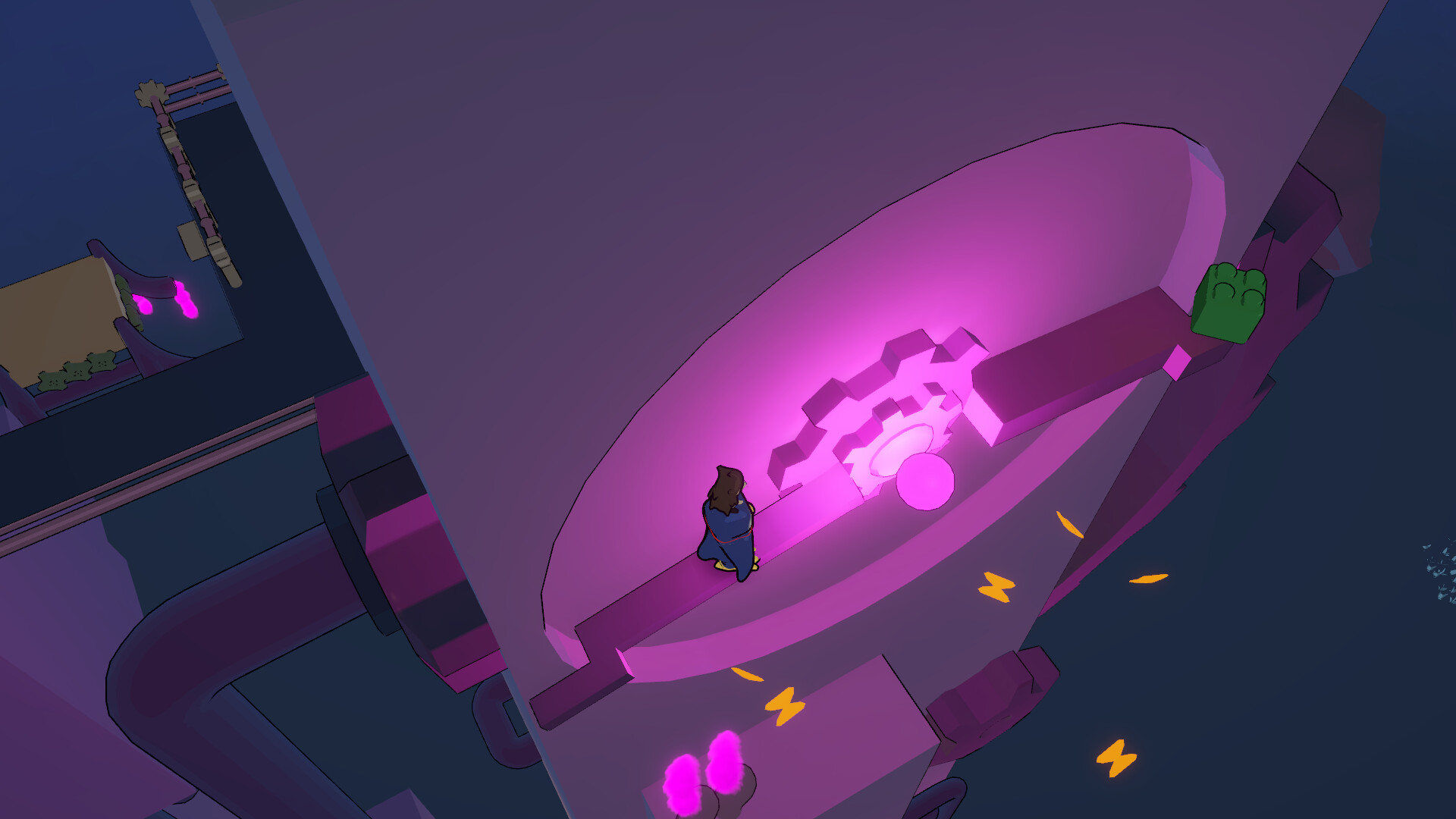
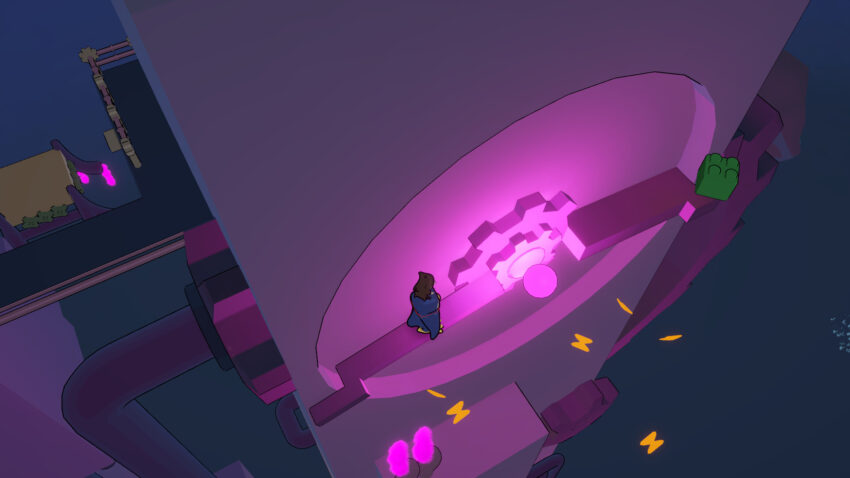
In many duo-based games, characters can be separated. In Spiny & Chilly, the decision to keep them together creates a specific center of gravity. This affects how the player "bounces" off surfaces. The inclusion of gravity shifts—areas where the laws of physics are inverted or altered—suggests that the level design is built vertically. This requires the player to think in three dimensions, a hallmark of the N64-era design philosophy that the developers cite as their primary influence.
2. Environmental Variety and Level Density
The demo showcased several distinct areas:
- Haunted Harbors: Likely focusing on water physics and low-visibility navigation.
- Floating Islands: Emphasizing precision jumping and the aforementioned gravity shifts.
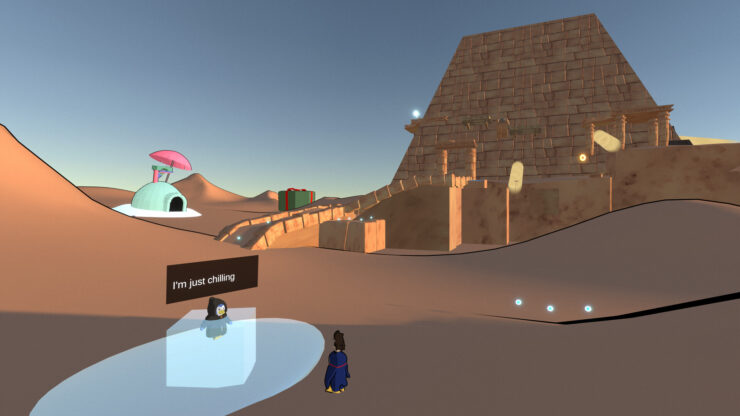
- Deserts: Large, open spaces that test the player’s ability to find "ice" in the least likely of places, providing a narrative irony to the gameplay.
While some early feedback noted that the open spaces between "POI" (Points of Interest) could feel sparse, the developers have indicated that these "liminal spaces" are intentional, designed to give the player a sense of the scale of the world before funneling them into dense puzzle corridors.
3. The "Stolen Ice" Economy
The game functions on a collection economy. Ice blocks aren’t just collectibles; they are the narrative engine. This mirrors the "Power Stars" of Mario 64 or "Jiggies" of Banjo-Kazooie. By tying the progression to the recovery of stolen ice, the game creates a compelling "just one more" loop that encourages thorough exploration of every nook and cranny.
Official Responses: The Developer’s Vision
During the BIG Conference, the developer expressed a deep-seated passion for the project, emphasizing that Spiny & Chilly is intended to be a "joyful" experience. In a world where many games lean into dark themes or stressful "Soulslike" mechanics, Gagonfe’s vision is one of vibrant colors and whimsical stakes.
"The goal was to create something that felt like a Saturday morning cartoon you could play," the developer noted during the showcase. The narrative—penguins stealing ice for mysterious "reasons"—is intentionally vague and silly, serving as a backdrop for the mechanical fun rather than a heavy-handed plot.
The Iterative Collective, the game’s publisher, has supported this vision by focusing on the "unlikely pair" aspect of the marketing. They believe the charm of the characters is a primary selling point, capable of attracting both veteran fans of 90s platformers and a younger generation looking for accessible yet deep gameplay.
Implications: The 3D Platformer Renaissance
The emergence of Spiny & Chilly is symptomatic of a larger movement within the industry. For nearly a decade, the 3D platformer was considered "dead" by major publishers, relegated to the annals of gaming history. However, the success of indie hits like A Hat in Time and Yooka-Laylee, followed by the massive success of Super Mario Odyssey, proved there is still a significant hunger for the genre.
The Indie Advantage
Spiny & Chilly represents the "second wave" of this revival. While the first wave focused on recreating the past, this second wave—led by titles like Spiny & Chilly—is interested in subverting it. By introducing gravity-shifting mechanics and a permanent duo-stacking system, Gagonfe is pushing the boundaries of what a "collect-a-thon" can be.
Market Positioning
By targeting a "wacky" and "interesting" tone, the game carves out a niche that is distinct from the high-precision "masocore" platformers (like Celeste) and the massive open-world adventures. It occupies a "cozy-adjacent" space—games that are challenging but primarily focused on the pleasure of movement and discovery.
Future Outlook
As the game moves toward a full release, the primary challenge for the developers will be balancing the "open space" of the world with engaging content. The "learning curve" mentioned by early players suggests a high skill ceiling, which could make the game a favorite for speedrunners, a community that has historically kept 3D platformers alive.
In conclusion, Spiny & Chilly is more than just a nostalgic trip. It is a testament to the enduring appeal of character-driven exploration. By combining a hedgehog, a penguin, and a world where ice is the ultimate currency, Gagonfe is preparing to deliver an experience that is as refreshing as the blocks of ice Chilly so desperately seeks. For fans of the genre, this is a title to watch closely as it slides toward its eventual debut on Steam.