Xreal Aura Debuts: The First Snapdragon Reality Elite Device Enters the Android XR Era

By [Your Name/Journalist Name]
The extended reality (XR) landscape shifted significantly this week as Xreal, a prominent player in the augmented reality (AR) glasses market, officially opened preorders for its latest flagship device, the Xreal Aura. Formerly known under the developmental codename "Project Aura," the device represents a pivotal moment for the industry, marking the first commercial hardware to feature Qualcomm’s newly unveiled Snapdragon Reality Elite chipset.
Despite the buzz surrounding the high-performance hardware and the integration of Google’s nascent Android XR operating system, the launch is shrouded in an unconventional sales strategy. Xreal has invited consumers to commit hundreds of dollars to a "Priority Pass" system without disclosing the final retail price or the full breadth of the device’s specifications.
I. Main Facts: A New Contender in Spatial Computing
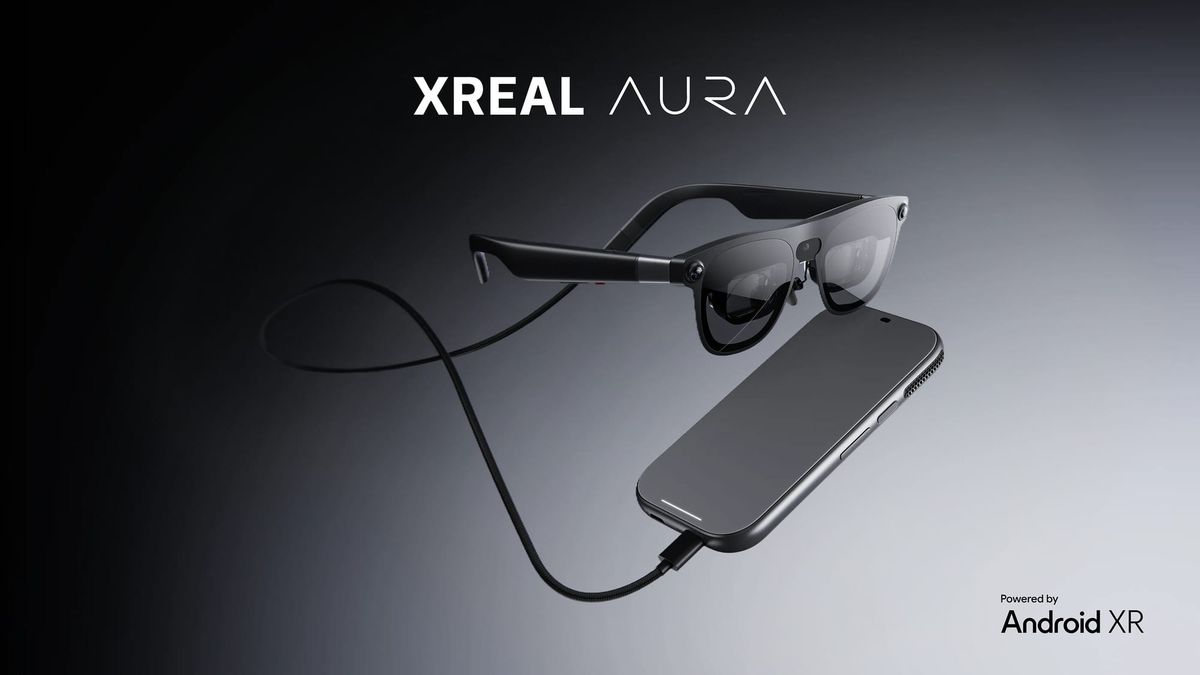
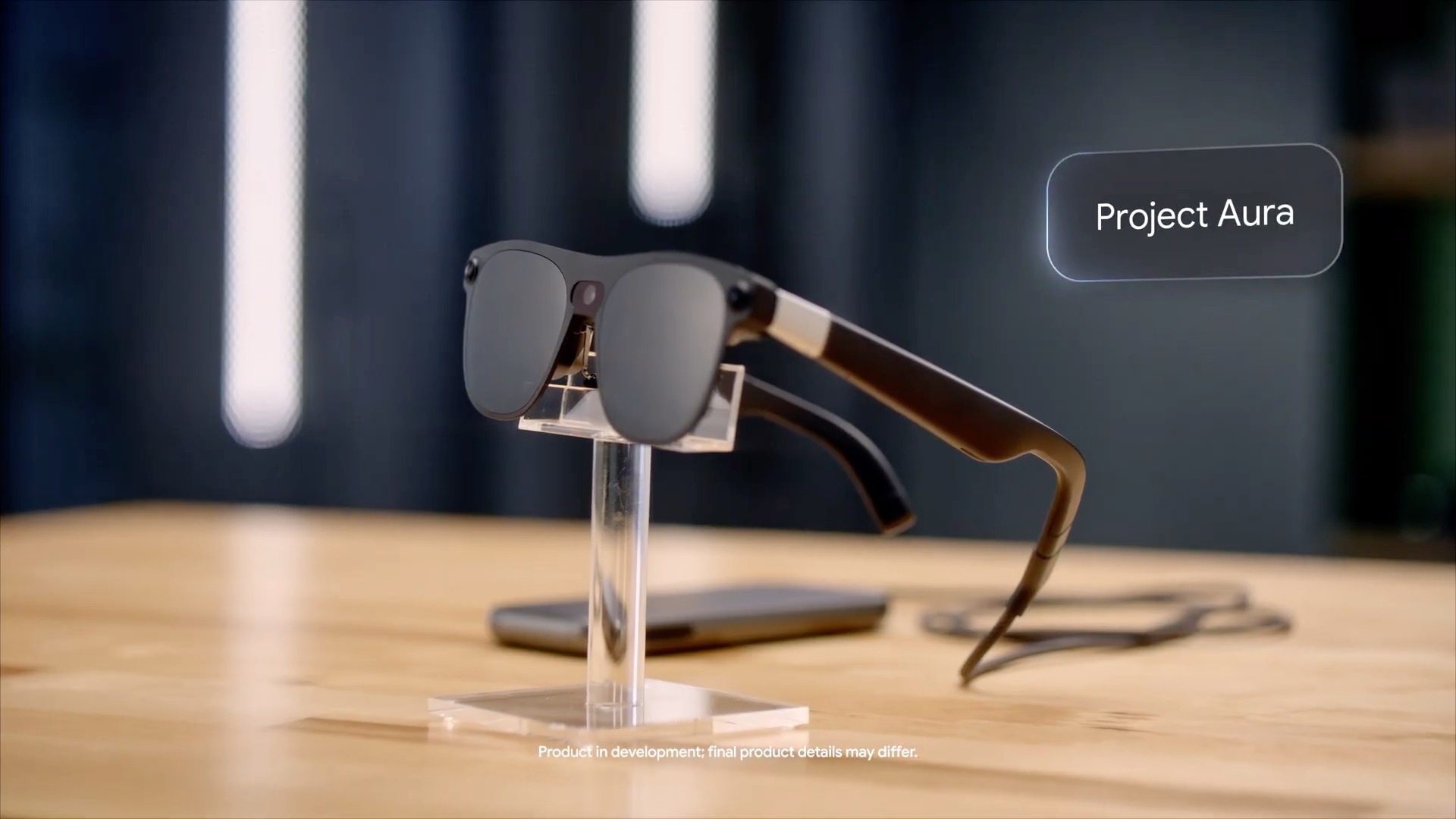
The Xreal Aura is positioned as a "spatial computing" device that bridges the gap between lightweight smart glasses and heavy-duty mixed reality (MR) headsets. Unlike its predecessors in the Xreal Air series, which functioned primarily as tethered external displays, the Aura is a fully-fledged computing platform.
Key Specifications at a Glance:
- Operating System: Google Android XR (the second confirmed device after Samsung’s upcoming headset).
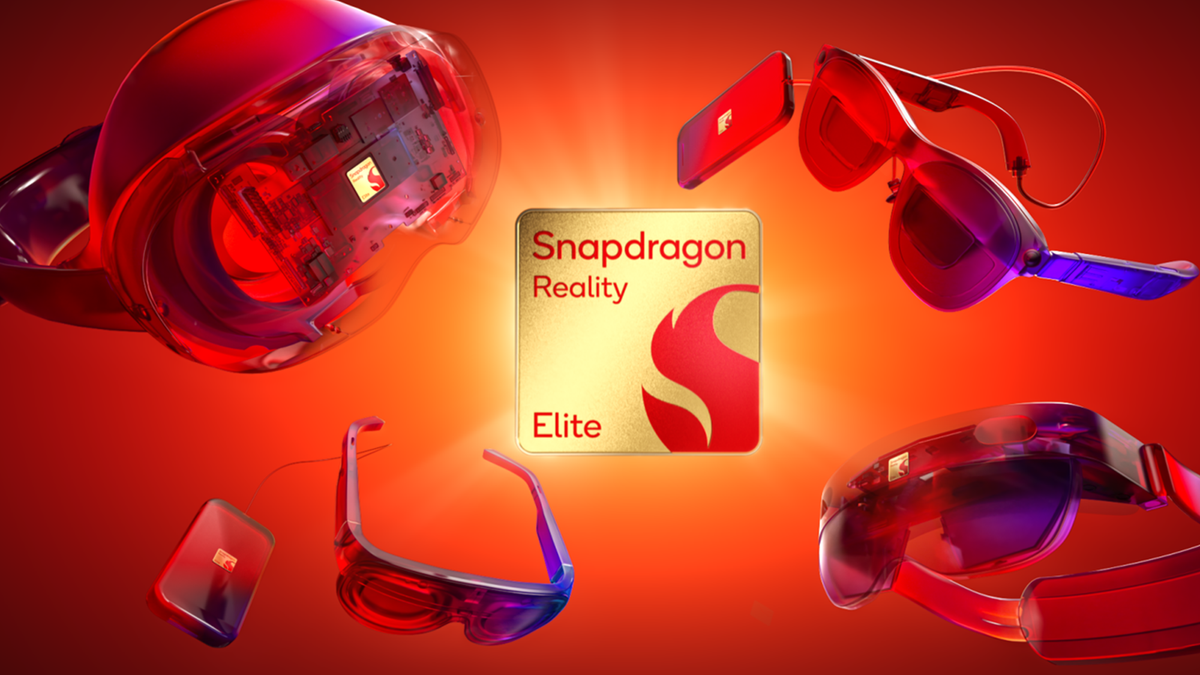
- Primary Chipset: Qualcomm Snapdragon Reality Elite (housed in a tethered compute "puck").
- Secondary Chipset: Xreal X1S (housed in the glasses for computer vision tasks).
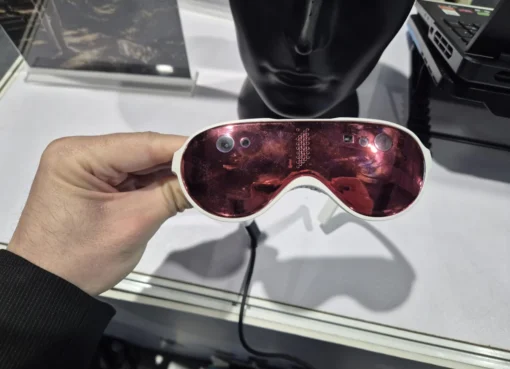
- Display: Prism-lens see-through optics with a 70-degree diagonal field of view (FoV).
- Weight: 95 grams (headset only).
- Tracking: Integrated 6DoF (Degrees of Freedom) head tracking and hand tracking.
- Launch Window: Fall 2025.
The Aura adopts a "compute puck" architecture. While the glasses sit on the bridge of the nose, the "brains" of the operation—the Snapdragon Reality Elite chip—reside in a pocket-sized unit connected via a cable. This allows the headset to remain relatively light (95g) while delivering performance that rivals much larger standalone headsets.
II. Chronology: From Project Aura to Market Reality
The journey of the Xreal Aura began just over a year ago when the company first teased "Project Aura." At the time, Xreal was riding the success of its Air series, which dominated the consumer AR market by offering a simple, high-quality "virtual screen" experience for Steam Decks, MacBooks, and smartphones.
The Evolution of the Specs:
In late 2023 and early 2024, early reports suggested that Project Aura would utilize the Qualcomm Snapdragon XR2+ Gen 2—the same chip expected to power high-end headsets from Samsung and Google. However, in a strategic pivot confirmed this week, Xreal revealed that the final product would instead debut the Snapdragon Reality Elite. This suggests either a rebranding of Qualcomm’s flagship silicon or a significant upgrade in performance targets during the development cycle.
The Android XR Alliance:
The timeline of the Aura is inextricably linked to Google’s renewed interest in the XR space. After the sunsetting of Google Glass and the stagnation of Daydream, Google’s "Android XR" project was designed to create a standardized ecosystem for spatial computing. Xreal’s commitment to this OS places it at the forefront of the Android ecosystem, potentially offering a more open alternative to Apple’s visionOS.

III. Technical Deep Dive and Supporting Data
The Xreal Aura’s hardware architecture is a study in balancing thermal management with wearable comfort. By splitting the processing between two distinct units, Xreal addresses the primary bottleneck of AR: heat.
The Snapdragon Reality Elite & The Compute Puck
The Snapdragon Reality Elite is Qualcomm’s new flagship XR chipset. While full benchmarks are yet to be released, it is designed specifically for high-fidelity spatial environments. In the Aura, this chip handles the heavy lifting—rendering Android XR applications, managing the UI, and processing complex spatial data.
The X1S "Vision" Chip
To prevent latency and reduce the massive bandwidth required to send raw camera data from the glasses to the pocket puck, Xreal integrated its proprietary X1S chip into the headset frames. This chip handles core computer vision tasks, such as simultaneous localization and mapping (SLAM) and hand tracking, at the "edge" (on the device itself). This dual-chip approach is critical for maintaining a smooth, jitter-free experience in a 70-degree FoV.
Optics: Prism vs. Waveguide
It is essential to distinguish the Aura from "true" AR glasses like the Snap Spectacles or the rumored Meta Orion.
- Waveguides (Snap/Meta): Use thin glass lenses that allow light to pass through naturally, making them look like standard eyewear. They are expensive and currently suffer from limited FoV.
- Prism Optics (Xreal Aura): Use a bulkier "Birdbath" or prism-style optical engine. While this allows for a much wider 70-degree FoV and more vibrant colors, it results in a device that sits further from the face and blocks more ambient light.
Xreal acknowledges this trade-off. The Aura is not intended for all-day wear while walking down a busy street; rather, it is a "sleek" alternative to a bulky headset for use in controlled environments like offices, airplanes, or homes.
IV. Official Responses and The "Bizarre" Preorder System
Xreal’s marketing department has taken a gamble with its preorder rollout. Instead of a traditional "Buy Now" button with a fixed price, the company has introduced a tiered reservation system that has left many industry analysts scratching their heads.
The Pricing Mystery
Xreal has stated that the final price "will not exceed $1,500." This ceiling suggests a premium positioning, likely competing directly with the upper echelon of the consumer market.
Reservation Tiers:
- Founder Priority Pass ($299): This tier guarantees delivery from the very first batch. Additionally, buyers receive a "limited-edition number" permanently etched onto their device. The $299 acts as a deposit toward the final purchase price.
- Launch Credit ($99): This tier offers an earlier shipping window than the general public and includes a "double-up" incentive, effectively granting a $100 discount off the final retail price.
When questioned about this strategy, Xreal emphasized that all reservations are fully refundable. This move is likely a "demand-testing" exercise, allowing the company to gauge interest and adjust final manufacturing runs—and perhaps the final price—based on the volume of early adopters.
V. Implications: What Aura Means for the XR Market
The launch of the Xreal Aura carries heavy implications for the future of spatial computing and the ongoing rivalry between the "Open" (Android) and "Closed" (Apple) ecosystems.
1. A Challenge to the Samsung-Google Hegemony
Until now, the industry assumed that the first "true" Android XR device would be a high-end headset from Samsung. By beating Samsung to the punch with a wearable glasses-style form factor, Xreal has positioned itself as a nimble innovator. However, the Aura lacks certain features found in larger headsets, such as "Likeness" realistic avatars, due to the absence of internal face-tracking cameras.
2. The Death of the "Smart Glasses" vs. "Headset" Binary
The Aura occupies a "middle ground." It is too bulky to be considered "smart glasses" in the vein of Ray-Ban Meta, yet it is far more portable than a Quest 3 or Vision Pro. This creates a new category: Tethered Spatial Wearables. If successful, this could prove that consumers prefer carrying a compute puck in their pocket if it means they don’t have to strap a "shoebox" to their face.
3. The Software Problem
The success of the Aura will depend entirely on the Android XR ecosystem. While Google is encouraging developers to port their apps, the XR version of the Play Store is still in its infancy. Xreal’s hardware is impressive, but without a "killer app" that justifies the $1,000+ price tag, it may struggle to move beyond the enthusiast circle.

4. Comparison with Competitors
- Vs. Apple Vision Pro: The Aura is significantly lighter (95g vs 600g+) and likely less than half the price, but it offers a "see-through" experience rather than Apple’s high-resolution video passthrough.
- Vs. Snap Spectacles (5th Gen): Snap’s glasses are truly wireless and use waveguides, but they have a much smaller FoV and shorter battery life. The Aura is a more powerful productivity tool, whereas the Specs are a developer experiment.
Conclusion: A High-Stakes Gamble
The Xreal Aura is a bold statement of intent. By being the first to market with the Snapdragon Reality Elite and embracing the Android XR platform, Xreal is no longer just a "screen" company—it is a "platform" company.
However, the lack of transparency regarding the final price and the reliance on a tethered puck system remain significant hurdles. As the Fall launch approaches, the tech world will be watching to see if Xreal can turn its "Project Aura" into a mainstream success or if the $1,500 price ceiling will keep it relegated to the niche of high-end early adopters. For now, those willing to put down $299 are buying into a vision of the future—even if they don’t yet know exactly what that vision will cost them.