The Passing of the Web: Tom Holland Endorses Owen Cooper as the Next Spider-Man
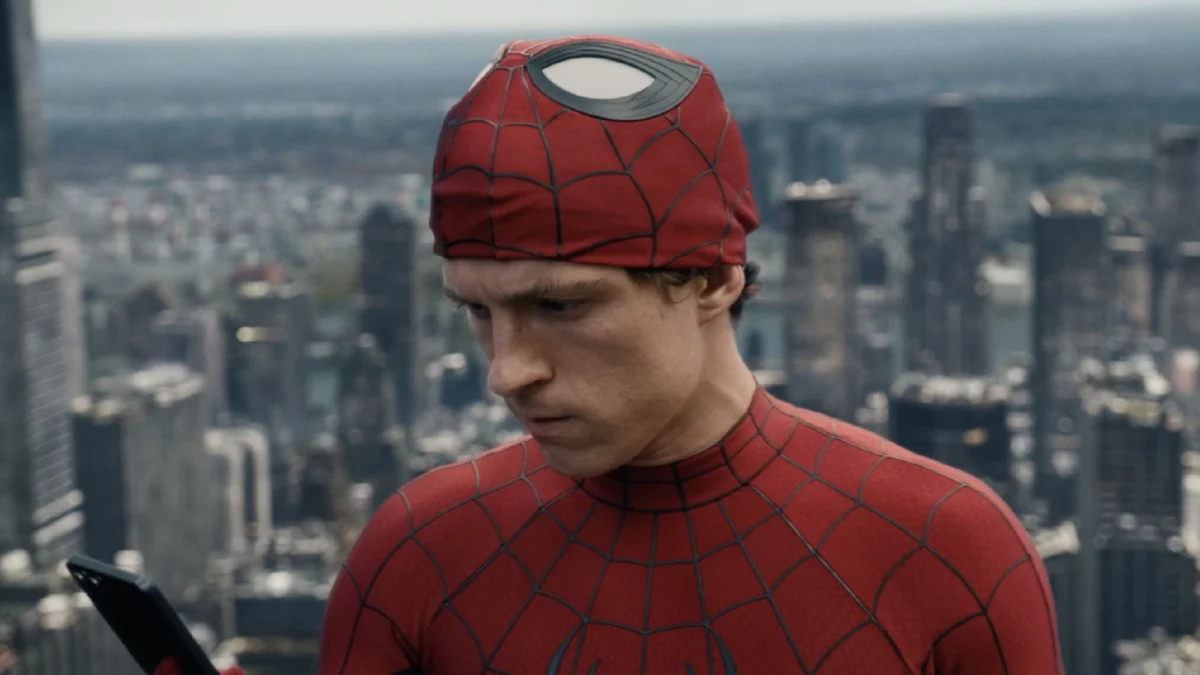
The cinematic landscape of the Marvel Cinematic Universe (MCU) is standing at a significant crossroads. For over a decade, Tom Holland has been the face of Peter Parker, bringing a youthful exuberance and emotional depth to a character that remains the crown jewel of the Marvel-Sony partnership. However, as the franchise prepares for its next evolution, the question of succession has moved from fan-casting forums to official discourse. In a recent, wide-ranging interview with Esquire, Tom Holland officially broke his silence on the future of the mantle, naming rising star Owen Cooper as his preferred successor.
This endorsement marks a pivotal moment in superhero cinema, signaling the beginning of the end for one of the most successful casting runs in history while shining a spotlight on the next generation of dramatic talent.
Main Facts: The Holland Endorsement and the Rise of Owen Cooper
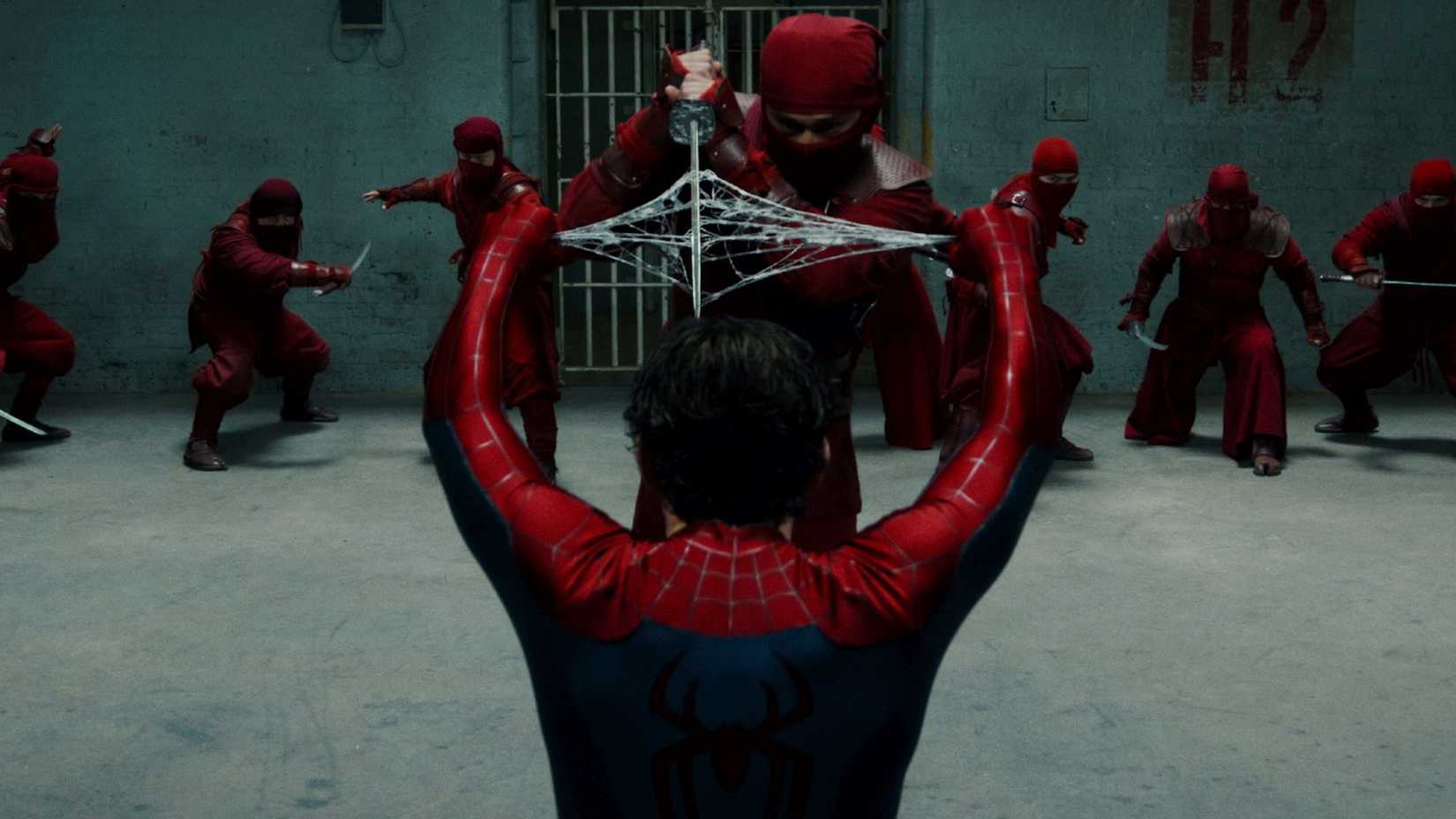
During the press circuit for the highly anticipated Spider-Man: Brand New Day, Tom Holland sat down with Esquire to discuss his ten-year journey as the wall-crawler. While Holland confirmed his continued involvement in the immediate future, he was candid about the necessity of a transition plan. When asked who possesses the "Spidey-sense" required to take over the role, Holland did not hesitate.
"Owen Cooper would be awesome," Holland stated. "Obviously, he’s super-talented and the talk of the town right now. He has that rare ability to be vulnerable and commanding at the same time."
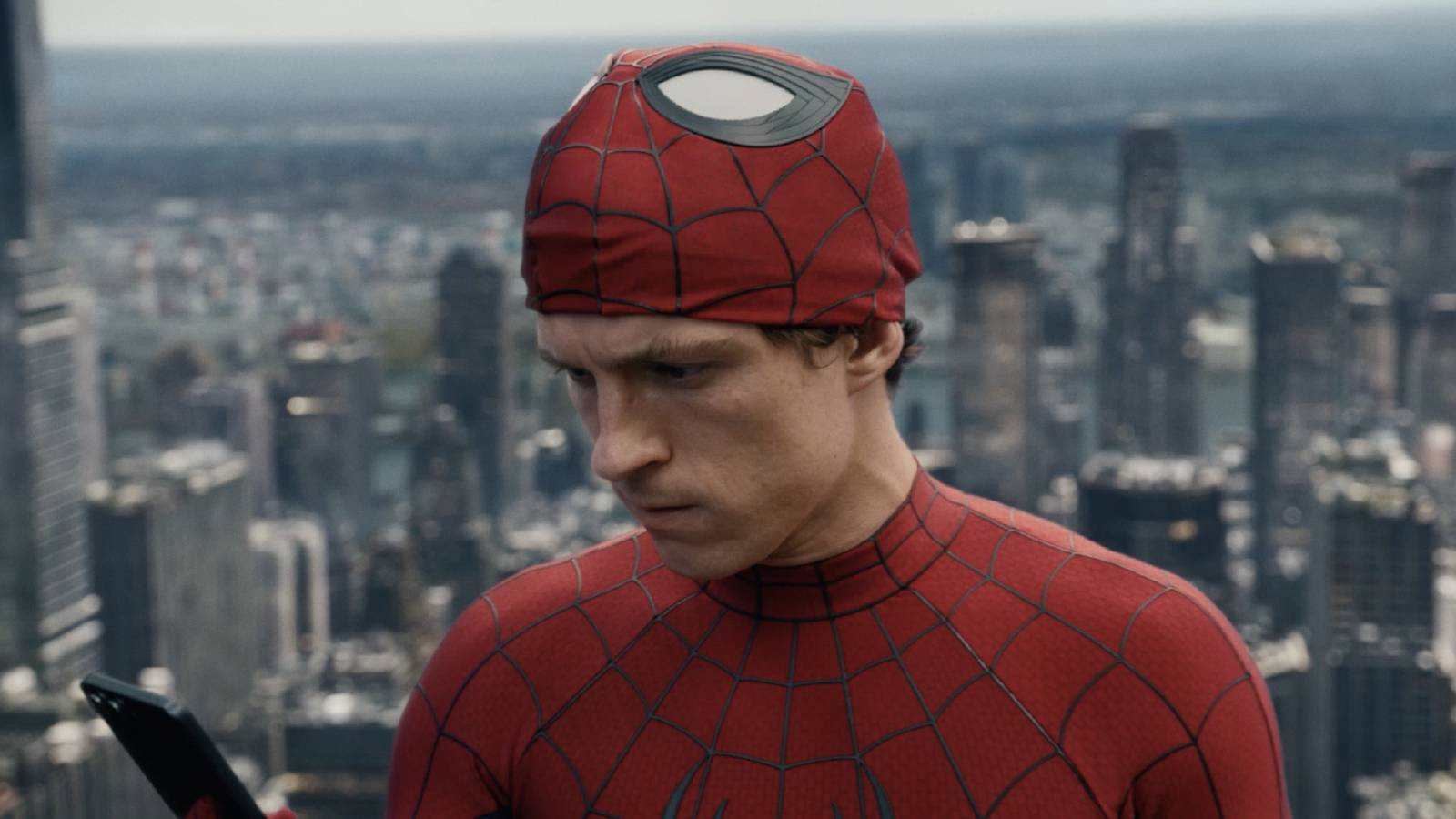
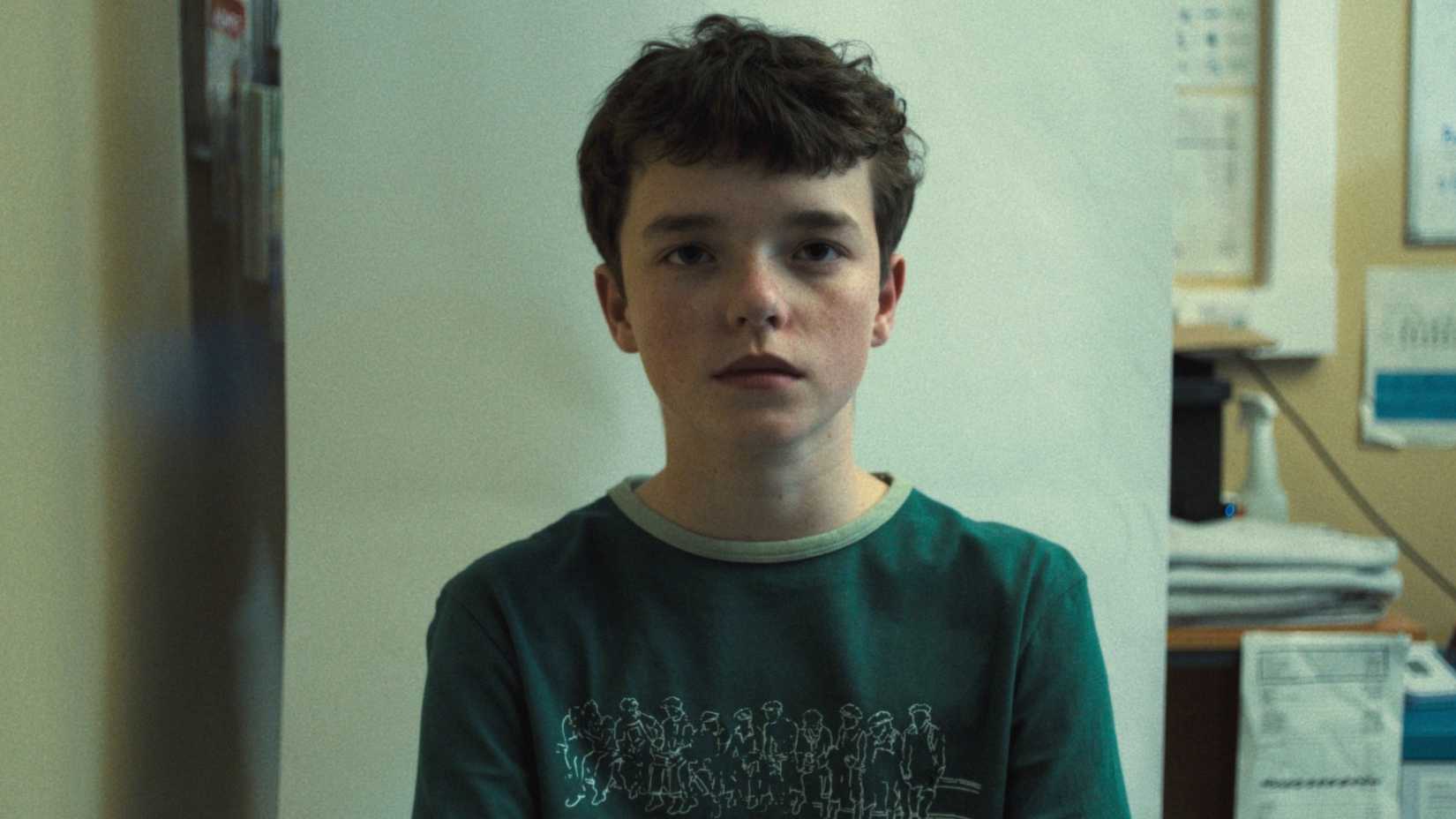
Holland’s praise is rooted in Cooper’s recent breakout performance in the Netflix prestige drama Adolescence. In that series, Cooper portrayed a teenager grappling with a harrowing psychological descent after a violent confrontation following a romantic rejection. The role earned Cooper critical acclaim and several industry awards, establishing him as a "prestige" actor capable of handling complex, character-driven narratives. By naming Cooper, Holland is suggesting a shift toward a more tonally mature or narratively complex version of Spider-Man for the next era.
Chronology: From Queens to the Global Stage
To understand the weight of Holland’s endorsement, one must look at the chronology of the Spider-Man franchise, which has become the gold standard for superhero longevity.
- The Raimi/Webb Eras (2002–2014): Before Holland, Tobey Maguire and Andrew Garfield defined the character for two different generations. Maguire’s Peter Parker was the earnest everyman of the early 2000s, while Garfield’s tenure brought a more modern, angst-ridden edge to the hero.
- The MCU Integration (2015–2019): Following the "Sony Hack" and a historic deal between Sony Pictures and Marvel Studios, Tom Holland was cast as a high-school-aged Peter Parker. He debuted in Captain America: Civil War (2016) before leading his own "Home" trilogy (Homecoming, Far From Home, No Way Home).
- The Multiverse Explosion (2021): Spider-Man: No Way Home became a cultural phenomenon, grossing over $1.9 billion and uniting all three live-action Spider-Men. This film solidified Holland as the definitive Spider-Man for the modern era but also set the stage for his character’s eventual "graduation."
- The "Brand New Day" Era (2024–2026): As Holland transitioned into his late 20s, the franchise moved into a more grounded, street-level phase. Spider-Man: Brand New Day serves as a soft reboot within the MCU, focusing on an adult Peter Parker operating without the support of the Avengers.
- The Succession Dialogue (Present): With the 2026 Esquire interview, the timeline has officially entered the "Succession Phase," where the current lead is actively participating in the search for his replacement.
Supporting Data: Why Owen Cooper Fits the Archetype
The casting of Spider-Man has historically relied on finding an actor who can balance "the mask" and "the man." Data from previous casting cycles suggests that the most successful Spider-Men are those who can portray high-stakes emotional trauma alongside acrobatic heroism.
Owen Cooper’s performance metrics from Adolescence provide compelling evidence for his suitability. Critics noted his "physicality" and "expressive range," two traits essential for an actor who will spend half their screen time in a full-body suit where only their voice and body language can convey emotion.

Furthermore, demographic data suggests that the Spider-Man audience is aging up alongside Holland. However, to keep the franchise viable for another decade, Sony and Marvel require an actor who can capture the Gen Z and Gen Alpha demographics. At 19 years old, Cooper is at the same age Holland was when he was first cast, offering the studios a potential decade-long commitment that older actors could not provide.
Comparative Acting Styles:
- Tom Holland: Known for "Buster Keaton-esque" physical comedy and a high-pitched, energetic vulnerability.
- Owen Cooper: Known for a "brooding, internal intensity" and a "quietly explosive" screen presence.
This contrast suggests that if Cooper were to take the role, the MCU’s next Spider-Man might lean further into the "darker" elements of the comics, such as the "Kraven’s Last Hunt" or "Back in Black" storylines.
Official Responses: The Studio and Holland’s New Role
While Sony Pictures and Marvel Studios have not released a formal statement regarding Owen Cooper, internal sources suggest that the studios are taking Holland’s recommendation seriously. This is largely due to Holland’s evolving role within the production hierarchy.
In his Esquire interview, Holland expressed a desire to remain attached to the Spider-Man franchise as a producer once he hangs up the suit. "I’ve spent a third of my life as this character," Holland said. "I want to make sure the next kid who gets the job has the same support system I had. If that means I’m in the room as a producer, helping with the transition, then that’s a dream come true."
Industry analysts at Variety and The Hollywood Reporter suggest that Holland’s move into production is a savvy way for Sony to maintain continuity. By having the "Old Guard" mentor the "New Guard," the studios can mitigate the "recast fatigue" that often plagues long-running franchises. Holland’s public endorsement of Cooper is seen by many as a "litmus test" to gauge fan reaction before official screen tests begin.
Implications: The Future of the Spider-Verse
The potential casting of Owen Cooper carries several major implications for the future of the Marvel Cinematic Universe and the superhero genre at large.
1. The Peter Parker vs. Miles Morales Dilemma
For years, fans have clamored for a live-action Miles Morales. Holland’s endorsement of Cooper—who would presumably play a new version of Peter Parker or perhaps a different variant—suggests that the studios may not be ready to retire the Peter Parker name just yet. However, it also opens the door for a "passing of the torch" movie where Holland’s Peter Parker mentors a younger hero, whether that be Cooper’s Peter or a live-action Miles.
2. A Shift in Tone
Owen Cooper’s background in heavy drama suggests that the "quippy" Spider-Man of the early MCU might be replaced by a more grounded, perhaps even "noir" version of the character. This aligns with recent industry trends where audiences have shown a preference for more "tactile" and "serious" superhero fare, such as Matt Reeves’ The Batman.
3. The "James Bond" Model
By moving toward a successor while the current lead is still popular, Spider-Man is adopting the "James Bond" model of casting. Rather than waiting for a franchise to fail before rebooting, Sony is looking to create a seamless transition. This ensures that Spider-Man remains a constant in the cultural zeitgeist, regardless of who is behind the mask.
4. The Power of the "Holland Endorsement"
Tom Holland’s influence cannot be overstated. He is currently one of the most bankable stars in Hollywood. His public blessing gives Owen Cooper an immediate "shield" against the inevitable social media backlash that accompanies any major superhero casting. It tells the fanbase: "I trust him, and so should you."
Conclusion: A Legacy in Good Hands
The transition from Tom Holland to a successor like Owen Cooper represents more than just a change in billing; it represents the maturation of the superhero genre. As Holland prepares for what may be his final solo outings in the coming years, his proactive approach to the character’s future ensures that Spider-Man will not suffer the "reboot exhaustion" seen in other franchises.
Owen Cooper has the talent, the age, and now the ultimate seal of approval. Whether he eventually dons the red-and-blue spandex remains to be seen, but the conversation has officially begun. As Peter Parker himself once learned, with great power comes great responsibility—and the responsibility of carrying the Spider-Man legacy is a weight that Owen Cooper seems uniquely prepared to shoulder. For fans, the "Brand New Day" may be closer than they think.